Anyone who has started a counted cross stitch project knows the fabric makes or breaks the experience. A stiff, uneven weave fights your needle at every hole, while a good 14 count Aida glides along and keeps your X’s aligned without constant squinting. This roundup covers ten solid options across different sizes, colors, and pack quantities, so whether you’re stitching a bookmark or a large wall piece, there’s a match here for your next hoop session.
The Shortlist At A Glance

Pllieay 2 Pieces 14 Count White Aida Cloth 19.6 x 21.6 Inch

Caydo 6 Pieces Aida Cloth 14 Count Linen Cross Stitch Fabric

Caydo 6 Pieces Aida Cloth 14 Count White 12×18 Inch

Pllieay 4 Pieces Printed Aida Cloth 14 Count Cross Stitch Fabric

White 14 Count Aida Cloth Cross Stitch Fabric 59 x 39 Inch

Caydo 2 Pieces 14 Count Classic Reserve Aida Cloth Black
Aida Cloth Big Size 14 Count White Cross Stitch Fabric 39×60 Inch

DMC GD1436-0322 Classic Reserve Gold Label Aida Antique White

Aida Cloth 14 Count Cross Stitch Fabric 60x39inch Rice

14 Count Aida Fabric Pre-Cut Oatmeal
More Details On Our Top Picks
This two-panel set sits in a sweet spot between the small practice squares and the full bolts further down this list. Each piece measures roughly 19.6 by 21.6 inches, which is enough real estate for a substantial sampler or a framed quote with a wide border margin left intact.
The pure cotton construction gives it that classic crisp Aida feel, and the white shade works with virtually any floss palette you already own. For most hobby rooms, two panels cover a season of weekend stitching.
Strong Points
- Nearly 20-inch width means fewer layout compromises on larger charts.
- Cotton weave holds its grid shape through hours of hoop tension.
- Two identical panels let you stitch a matching pair, like pillow fronts.
- Classic white pairs cleanly with any thread color scheme.
Things To Consider
- The fabric typically ships folded, so expect light creases that press out with a warm iron and a pressing cloth.
Who It Suits Best
Intermediate stitchers working single large designs who want dependable mid-size panels without committing to bulk yardage.
Where Another Pick Suits Better
Anyone planning several small projects gets better mileage from the Caydo 6 Pieces Aida Cloth 14 Count White 12×18 Inch pack instead.
Where the Pllieay set gives you two bigger canvases, this Caydo pack trades size for quantity: six 18 by 12 inch panels in a cotton-linen blend. That blend softens the hand feel compared to standard Aida, which some stitchers find more comfortable during long sessions.
The holes are cut clean and evenly spaced, so counting stays straightforward even though the surface reads slightly more textured than pure cotton. Six panels also mean mistakes cost less emotionally; botch one square and five spares wait in the drawer.
What We Like
- Six panels support months of small projects or classroom use.
- Linen-cotton texture adds subtle character to finished pieces.
- Soft drape suits hoops and handheld stitching alike.
- Cleans up easily and resists deforming after washing.
Worth Noting
- The 12 by 18 inch cuts limit you to smaller charts unless you join panels.
- Blended fabric can feel slightly looser than firm pure-cotton Aida under heavy tension.
At A Glance
Made For
Beginners and teachers who burn through small practice pieces and want an affordable supply on hand.
Consider Something Else When
Stitchers framing one large statement piece will prefer the wider Pllieay 2 Pieces 14 Count White Aida Cloth panels.
This is the sibling of the linen-blend pack above, swapped back to classic white cotton. You still get six 12 by 18 inch panels, but the surface here is the familiar crisp Aida most chart designers assume you’re using, which removes any guesswork about how your stitches will sit.
Edges arrive trimmed neat, and the holes are defined enough that beginners can find them without leaning into a lamp. In our view, that alone justifies the pick for anyone still building confidence with counted work.
Highlights
- Clear, well-defined holes make counting forgiving for new stitchers.
- Soft yet sturdy cotton holds up inside embroidery hoops.
- Six-panel supply covers ornaments, coasters, and gift tags galore.
- Easy to wash without losing shape.
Trade Offs
- Small panel dimensions rule out wide border-heavy designs.
- You may find the cotton slightly thinner than premium labels like DMC under tight hoop pressure.
Right Fit For
First-time cross stitchers and parents stocking a craft bin for kids’ needlework sessions.
Not Your Match When
Experienced stitchers wanting a warmer tone should look at the Design Works oatmeal pre-cut instead of plain white.
Pllieay returns with a four-panel version of its classic reserve cloth, cut to the same popular 12 by 18 inch footprint as the Caydo packs. Four pieces land neatly between the two-panel sets and the six-pack bundles, suiting stitchers who finish roughly one small project a month.
The printed designation refers to the brand’s reserve line finish, and the pure cotton body stays pliable enough to fold and roll into a project bag without cracking creases into the weave. That portability matters more than it sounds once you start stitching on commutes or in waiting rooms.
Upsides
- Rolls and folds easily for travel-friendly project bags.
- Standard sizing accepts most published 14 count charts directly.
- Soft cotton takes hoop tension without stiff resistance.
- Cuts cleanly to custom sizes with sharp scissors.
Minor Gripes
- Four panels may run out quickly for prolific small-project stitchers.
- Like most folded shipments, expect to iron out shipping creases before hooping.
Quick Facts
Who Should Grab It
Casual hobbyists who complete a few pieces per season and want name-brand consistency across a modest stockpile.
Look Elsewhere When
Classrooms and craft groups needing volume will stretch further with the Caydo six-piece packs.
Everything before this point came pre-cut. This Papillon listing flips the model entirely: one enormous sheet measuring about 59 by 39 inches that you slice yourself. Think of it as buying fabric by the project rather than the panel, since a single sheet yields a dozen or more standard-size cuts depending on how generous your margins are.
The cotton canvas carries a quality weight, and owners commonly report it trims without fraying excessively along cut edges. Self-cutting does add one chore, though: squaring your edges before hooping so the grain runs true.
Bright Spots
- Roughly sixteen square feet of fabric outlasts any multi-pack here.
- Cut-to-fit freedom handles odd chart dimensions gracefully.
- Quality cotton weight suits both hand and machine embroidery.
- Works for needlepoint and general crafts beyond cross stitch.
- One purchase stocks a craft drawer for a year or longer.
Points To Note
- Requires accurate self-measuring and cutting, which trips up absolute beginners.
- Large sheet needs flat storage space to avoid deep fold lines.
Feature Rundown
Best Suited To
Confident stitchers with a cutting mat and a steady queue of varied-size projects ahead of them.
A Better Fit Elsewhere
Hoop-and-go stitchers who dislike measuring should stick with the pre-cut Pllieay four-pack.
Dark fabric changes the whole mood of a stitched piece, and this black Caydo pair is the easiest way to try it. Each panel measures a roomy 25 by 18 inches, giving Halloween motifs, celestial charts, and neon-bright florals a dramatic backdrop that white simply can’t offer.
The trade-off is visibility: stitching on black demands strong task lighting because the holes read darker than on white cloth. Pure cotton construction keeps the weave natural, and the larger panels accommodate designs that would crowd the 12 by 18 packs earlier in this list.
Reasons To Buy
- Deep black makes bright floss colors pop dramatically.
- 25 by 18 inch panels fit medium-large charts comfortably.
- Two sheets allow a matched set, such as paired wall hangings.
- Suits hanging, needle, and machine embroidery styles.
Softer Spots
- Counting holes against black strains the eyes in dim rooms; a light board helps considerably.
- White lint and dust show readily during storage, so keep panels bagged.
Details At A Glance
Who Will Love This
Stitchers drawn to gothic, Halloween, or high-contrast modern charts who already own good lighting.
Swap It Out When
Low-light evening stitchers will see their charts far more easily on the white Pllieay panels.
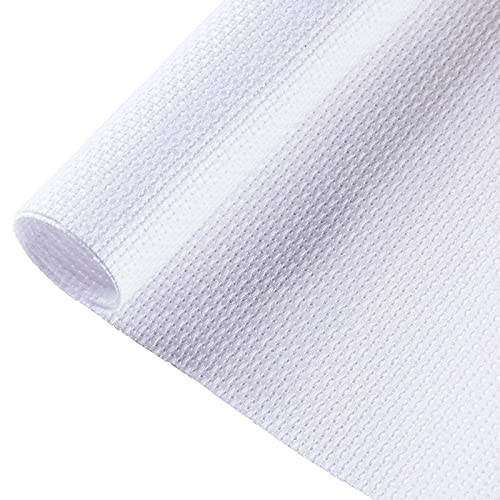
CANFOISON goes even bigger than the Papillon sheet: a single 39 by 60 inch expanse of white 14 count cotton. That extra length matters for tall projects, table runners, and banner-style pieces where a 39 inch depth would force an awkward seam.
The weave comes off the machine evenly gridded, and the brand positions it for novices and veterans alike. Compared to the Papillon sheet, you gain nearly eight additional square feet, which translates to several more cut panels over time assuming you store it rolled rather than folded.
Plus Points
- Tallest sheet in this lineup, ideal for runners and banners.
- Even machine-woven grid keeps stitch counts honest across the full width.
- Cuts down into dozens of standard panels.
- Classic white suits home decor and gift projects alike.
Small Caveats
- A sheet this size overwhelms small apartments; plan storage before ordering.
- Self-cutting again falls on you, scissors and measuring tape required.
Whose Shelf It Belongs On
Dedicated hobbyists tackling oversized heirloom projects who want maximum fabric per purchase.
Another Choice May Suit
Apartment dwellers short on storage get the same white cotton convenience in panel form from the Caydo six-pack.
DMC needs little introduction among needleworkers, and this Gold Label box represents the brand’s heavier-weight take on 14 count Aida. The antique white shade leans warm and aged rather than stark, which flatters vintage reproduction charts beautifully.
That extra fabric weight is the real story. A denser weave resists puckering inside a hoop and gives finished pieces a firmer drape when framed, something budget cloths often struggle to match. The honest caveat is that firmer fabric asks slightly more effort from your needle on every stitch.
Standout Traits
- Heavier weight resists puckering and holds frames tautly.
- Antique white tone complements heritage-style patterns.
- Even, firm grid from purpose-spun cotton yarn.
- Brand consistency matches DMC floss color references.
Honest Caveats
- The dense weave demands a touch more push per stitch than lighter budget cloths.
- Warm antique tone won’t suit charts designed around bright white backgrounds.
Core Details
Perfect Match For
Advanced stitchers framing heirloom pieces where fabric stability and tone matter more than panel quantity.
Reach For A Different Pick When
Budget-conscious beginners practicing first patterns will be happier with the Caydo white six-pack.
Donmon’s entry matches the CANFOISON sheet dimension-for-dimension but swaps stark white for a softer rice tone. That gentle off-white sits kinder on the eyes during long stitching sessions and lends finished work a slightly aged, handmade character straight off the hoop.
The cotton body arrives crisp with an even grid, well suited to both cross stitch and needlepoint. One practical note worth flagging: this sheet ships folded rather than rolled, so crease lines are part of the deal until a pass with the iron flattens them.
Best Bits
- Rice coloring reduces eye strain versus bright white cloth.
- Full 60 by 39 inch coverage supports multiple cut projects.
- Crisp, even weave keeps counted stitches aligned.
- Warm tone flatters rustic and farmhouse-style charts.
Areas To Watch
- Folded shipping means visible creases on arrival; budget time for pressing before your first hoop.
- Off-white tone can clash with charts color-matched to pure white fabric.
Built With In Mind
Stitchers who favor cozy, vintage-leaning aesthetics and want bulk yardage in a gentler shade than stark white.
Skip It When
Purists needing true white for pattern accuracy should choose the CANFOISON 39×60 sheet instead.
Design Works closes the list with a single 20 by 30 inch pre-cut panel in a warm oatmeal hue. It’s the smallest offering here, and that’s precisely its charm: an approachable, low-commitment way to experiment with colored Aida before investing in bigger sheets.
The 100 percent cotton weave behaves exactly as you’d hope in a hoop or out of one, and the neutral toast tone pairs wonderfully with autumn palettes, woodland creatures, and kitchen-themed charts. Leftover trimmings after cutting your design make handy bookmark blanks.
Positives
- Pre-cut 20 by 30 inch panel needs zero measuring.
- Oatmeal tone adds warmth no white cloth can match.
- Works hoopless for casual lap stitching.
- Scraps recycle into bookmarks and ornament backs.
Room For Improvement
- One panel only, so reorder cycles come faster than with multipacks.
- Colored cloth shows chalk marks differently; test marking tools on a corner first.
Spec Overview
The Right Fit
Occasional stitchers decorating for fall or gifting handmade pieces who want charm without bulk spending.
Where A Sibling Pick Shines
High-volume stitchers will find the Donmon rice-white sheet far more economical per project.
Choosing Between These Fabrics Without Regret
Match The Format To Your Workflow
Pre-cut panels remove every decision except where to place your hoop, which is why they dominate beginner carts. Bulk sheets flip that equation: you trade a few minutes of measuring and cutting for dramatically lower cost per project. Daily stitchers churning through small designs usually land on multipacks, while one-big-project stitchers get better value from yardage.
Count And Color Deserve A Second Look
Fourteen count means fourteen stitches per inch, the spacing most published charts assume, so staying at 14 CT keeps your pattern library fully compatible. Color matters more than newcomers expect: white maximizes chart visibility, black and oatmeal change the mood of a finished piece but demand better lighting and careful thread contrast planning.
Weight And Weave Shape The Experience
Lighter budget cloths stitch fast and forgive sloppy tension, while heavier grades like DMC’s Gold Label resist puckering and frame beautifully. Neither is wrong; the right choice depends on whether speed or polish matters more for the piece in front of you.
Key Considerations Across These Picks
Traps First Timers Fall Into
The most common misstep is ordering bulk yardage before learning to square and cut fabric accurately, then wasting material on crooked panels. The second is ignoring shipped-folded creases; skipping the ironing step leaves permanent lines running through finished work. Always check panel dimensions against your chart’s finished size plus border allowance before checkout.
When Paying More Pays Off
Premium cloth earns its price in three places: denser weaves that resist puckering, consistent hole spacing that keeps large charts true, and colorfast dyes that survive washing. For practice pieces those upgrades barely register. For framed heirlooms displayed for decades, the difference shows in every corner, and that’s where brands like DMC justify the spend.
Frequently Asked Questions
What does 14 count actually mean?
It refers to fourteen woven blocks per inch of fabric, each block holding one cross stitch. More counts per inch means smaller, finer stitches.
Is 14 count good for beginners?
Yes, it’s the most widely recommended starting count because the holes are large enough to see clearly and most beginner charts are drafted for it.
How much extra fabric should I leave around a design?
Most stitchers add three to four inches on every side for framing and finishing. Bulk sheets make that margin easy to afford.
Can I wash Aida cloth before stitching?
You can, though many stitchers wash only the finished piece. Hand wash gently in cool water and air dry flat to avoid distorting the grid.
Why does my fabric arrive with fold lines?
Manufacturers fold fabric to reduce shipping costs. A pass with a warm iron over a towel usually presses the creases out completely.
Wrap Up
The right 14 count Aida comes down to how you stitch, not which product ranks highest. Beginners should start with a Caydo or Pllieay multipack, ambitious project makers should grab a bulk sheet, and heirloom work deserves DMC’s heavier weave. Match the format to your habits and every hour at the hoop gets easier.