
Painting on fabric lives or dies by one thing: how the finished piece feels after the first wash. Stiff, crackly paint ruins a good t-shirt faster than any design mistake. The ten options below cover both sides of that problem, from dedicated textile acrylics to multi-surface craft paints and precision markers, so you can match the product to the project instead of forcing one bottle to do everything.
The Shortlist At A Glance

US Art Supply Clear Gloss Acrylic Airbrush Paint 8 oz
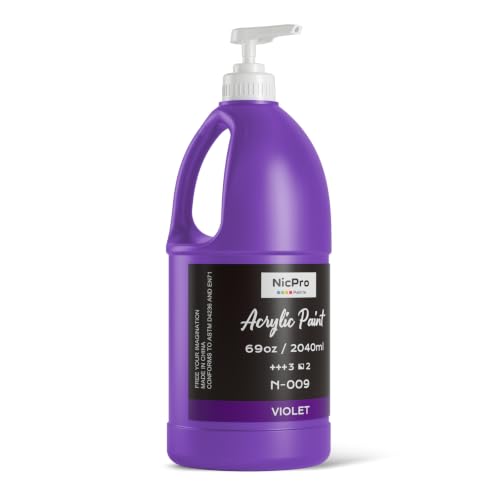
Nicpro Violet Large Acrylic Paint 69oz

Nicpro White Large Acrylic Paint 16.9oz

Smallbudi White Acrylic Paint 16.9 oz
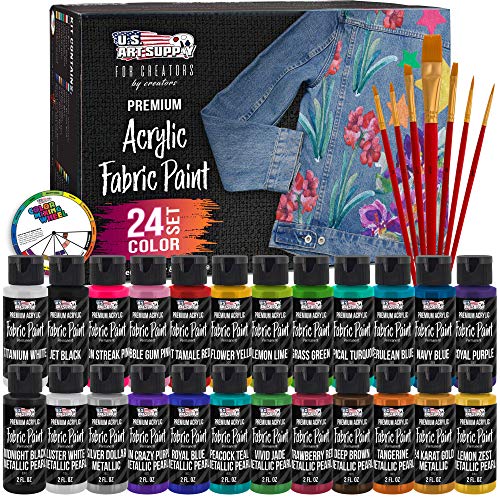
U.S. Art Supply 24 Color Fabric Paint Set with Brushes

GPLMQ Dual Tip Acrylic Paint Markers Black/White

Bandle B. Acrylic Paint Markers Set of 8

Martha Stewart Craft Paint Rock Candy 8 fl oz

DecoArt SoSoft Fabric Acrylics Dark Rose

Swemos 20 Fabric Markers Acrylic Paint Pens
More Details On Our Top Picks
A clear gloss medium like this one earns its spot in a fabric kit because of what it does after the color goes down: it seals, protects, and adds shine without changing the hue underneath. The 8-ounce bottle suits hobbyists who finish several small pieces a month rather than production-scale work.
Airbrush users tend to reach for U.S. Art Supply bottles since the formula is designed to move through a gun without constant clogging stops. On fabric, that translates into smooth gradient layers over stenciled designs.
Strong Points
- Glossy topcoat deepens color and gives finished pieces a polished look
- Clear formula lets underlying paint shades stay true
- Works through an airbrush gun, which speeds up large soft-edged areas
- Sized well for craft-room storage between sessions
Things To Consider
- You may find the gloss sheen too shiny for matte-style wearable designs
- Cure times vary with humidity, so plan wash cycles carefully
Who It Suits Best
Hobbyists who already own an airbrush setup and want a reliable finishing coat for mixed-media fabric projects.
Where A Sibling Pick Shines
Beginners who want ready-mixed color instead of a clear medium will get more immediate results from the DecoArt SoSoft Fabric Acrylics below.
Sixty-nine ounces is a serious commitment to one color, and violet happens to be a shade most palettes run dry on first. Nicpro positions this jug for classrooms, community studios, and anyone painting backdrops or banner-sized fabric panels where small tubes vanish in a single session.
The pump dispenser matters more than people expect at this volume. Tilting a heavy jug onto a palette gets messy fast, while a pump keeps hands and floors clean during group sessions.
What We Like
- Pump-top dispensing cuts waste and mess in busy group settings
- Rich pigment load holds its depth even when thinned for washes
- Non-toxic formulation suits shared spaces with younger artists
- Adheres across canvas, wood, leather, and fabric surfaces
Worth Noting
- Violet limits mixing flexibility compared with the white bases from Nicpro or Smallbudi
- Storage takes shelf space, and the cap needs wiping after each use to avoid buildup
Key Specs
Made For
Art teachers, camp coordinators, and mural painters who burn through single colors quickly and want bulk value.
Consider Something Else When
Studio artists needing a neutral mixer should reach for the Nicpro White Large Acrylic Paint instead, since white blends into every palette.
White is the color every painter replaces most often, which makes this flip-cap squeeze bottle a quietly practical buy. At 500 milliliters it outlasts a standard tube many times over, yet the squeeze format still gives you portion control that the 69-ounce Nicpro jug cannot offer.
The texture runs creamy and heavily pigmented, drying to a flat matte surface. Owners commonly report it blends smoothly into other colors or mediums, which is exactly what you want in a workhorse white used for tinting pastels and lightening dark fabric bases.
Highlights
- Flip-cap squeeze bottle keeps the paint airtight between sessions
- Matte finish works well under additional layers or mediums
- High pigment concentration produces true, consistent shades when mixing
Trade Offs
- Matte only, so glossy finishes require a separate topcoat such as the US Art Supply clear gloss
- Half the volume of the Smallbudi white at similar sizing intent
Right Fit For
Home painters and students who mix their own shades constantly and want dependable white on hand without jumbo-jug storage.
Not Your Match When
Group leaders stocking a whole classroom will find better economy in the Smallbudi White Acrylic Paint bulk bottle.
Where the Nicpro white targets solo painters, Smallbudi aims squarely at the table covered in eight kids’ smocks. The brand frames this 500-milliliter bottle around painting parties, art classes, and group craft events, and the spec sheet backs that up with coverage-first language: high pigment load, creamy blendable body, and a matte cure that resists cracking, fading, and yellowing.
That last point deserves attention. Yellowing is the classic failure mode of cheap whites, especially on canvas tote bags left near a sunny window, so a formula marketed against it ages better on display pieces.
Upsides
- Bulk sizing stretches across multiple participants in one event
- High-coverage pigments mean fewer repeat coats on dark fabric
- Dries to a professional matte without cracking or yellowing
- Handles base coating, blending, and detail passes equally well
Minor Gripes
- No pump dispenser, so pouring for a crowd takes a steadier hand than the Nicpro jug
- Single-color purchase, unlike the multi-hue U.S. Art Supply fabric set
At A Glance
Who Will Love This
Teachers, party hosts, and community workshop organizers buying one reliable white for everyone at the table.
Look Elsewhere When
Solo artists who prefer squeeze-bottle control will likely favor the Nicpro White Large Acrylic Paint instead.
This is the set you hand someone opening their first pair of plain denim jeans with a design idea. Twenty-four permanent acrylic fabric colors in 2-ounce bottles come bundled with seven brushes, meaning nothing else needs to be purchased before the first stroke lands on cotton, denim, leather, canvas, or upholstery.
The 2-ounce format is a smart middle ground: enough paint for a jacket panel or a batch of tote bags, small enough that an unused shade does not haunt your shelf for years. Compared with the single-color bulk buys earlier in this list, you trade volume for range, and for wearables that trade usually pays off.
Standout Traits
- Twenty-four shades remove color-matching guesswork entirely
- Seven included brushes cover detail lines through broad fills
- Permanent formula bonds to cotton, denim, leather, and canvas
- 2-ounce bottles keep half-used colors from drying out unnoticed
- Suits clothes, jeans, bags, and furniture accents alike
Room For Improvement
- Heat setting is typically recommended for garments that face regular washing
- Brush quality is serviceable rather than premium; serious painters may upgrade later
Quick Facts
Who Should Grab It
First-time fabric painters and gift shoppers wanting a complete, open-and-go kit for wearable art.
Swap It Out When
Painters who already own brushes and need only one exact hue are better served by the DecoArt SoSoft bottle.
Black and white pens solve more fabric problems than any rainbow set, because outlining, lettering, and monogramming all live in those two shades. Each GPLMQ pen carries two tips: a 0.7mm extra-fine point for hairline detail and a 3mm medium chisel for filling letters or borders without switching tools.
The ink is water-based acrylic, described as acid-free and odorless, which matters for anyone lettering onesies or working indoors with limited ventilation. Four pens per pack also gives you spares, since felt tips do wear down with heavy pressure.
Bright Spots
- Dual-tip design handles outline and fill work with one pen
- 0.7mm tip draws crisp fine lines for lettering and intricate detail
- Water-based, odorless ink suits indoor and close-quarters crafting
- Adheres to stone, ceramic, glass, wood, metal, and fabric
Points To Note
- Only two colors, so colorful designs need a broader set like the Swemos 20-pack
- Fine tips can fray under heavy pressure, a commonly reported marker issue
Feature Rundown
Built With In Mind
Calligraphers, journal decorators, and crafters adding signatures or monograms to finished fabric pieces.
Another Choice May Suit
Makers wanting a full color range for freehand drawing will prefer the Swemos 20 Fabric Markers set.
The reversible tip is what separates this set from the GPLMQ pens reviewed above. Flip the nib inside each Bandle B. marker and you switch between a 2mm dot point and a 2mm to 4.5mm chisel edge, effectively doubling the stroke vocabulary without carrying extra pens. Dotted mandala work and broad calligraphy strokes come from the same barrel.
Eight quick-drying, waterproof markers cover wood, glass, metal, plastic, ceramic, leather, and fabric, which makes them a sensible travel kit for craft fairs or journaling on the go. One honest caveat: reversible mechanisms add moving parts, so tips occasionally seat loosely after repeated flipping according to owner reports.
Reasons To Buy
- Reversible chisel-dot tips deliver two stroke styles per pen
- Chisel edge spans 2mm to 4.5mm for flexible line weight
- Quick-drying waterproof ink survives handling on finished pieces
- Vibrant coverage across fabric, glass, metal, plastic, and ceramics
Softer Spots
- Eight colors sit between minimal and full-spectrum sets
- Reversible tips may loosen over time with frequent switching
Perfect Match For
Journal artists and DIY home-decor makers who value stroke versatility inside a compact pen case.
Skip It When
Detailed line-art specialists get sharper precision from the GPLMQ Dual Tip markers’ 0.7mm tip.
Rock Candy is a pale, shimmery neutral, and Martha Stewart’s multi-surface satin formula treats it as a finishing color rather than a utility base. Highly pigmented and water-based, it spreads across wood, glass, ceramic, metal, terra cotta, canvas, paper, and fabric with the kind of smooth, even laydown that shows up on mantel displays.
The headline feature for household use is the care claim: once fully cured, painted items tolerate the dishwasher and the washing machine. That durability rating, plus indoor-outdoor suitability, puts this a tier above basic craft acrylics for pieces that will actually get used rather than shelved.
Plus Points
- Cured pieces handle dishwasher and machine-wash cycles
- Satin finish reads elegant on home decor and serveware projects
- Rated for both indoor and outdoor applications
- Eight fluid ounces covers larger DIY runs and party crafts
Small Caveats
- Curing takes patience; washing early risks damaging the finish
- One specialty shade, so bold palettes need companion colors
Spec Overview
Whose Shelf It Belongs On
DIY decorators upgrading planters, glassware, and fabric accents who want a refined finish that survives real cleaning routines.
Reach For A Different Pick When
Budget-conscious group projects fit the Smallbudi White Acrylic Paint better, since the premium here buys finish quality, not volume.
Most fabric paints ask something of you afterward: heat setting with an iron, a waiting period, a sealing step. DecoArt’s SoSoft line skips all of it. The pigment bonds permanently to textiles straight off the brush and stays flexible, so a painted t-shirt collar still bends comfortably instead of standing up like cardboard.
The one-ounce Dark Rose bottle is deliberately small, which suits accent work: floral motifs on quilts, monograms on pillowcases, trim details on baby clothes. Cleanup runs on soap and water, and the formula bonds to most fabrics, silk included, giving delicate projects a rare safe option.
Best Bits
- No heat setting required, saving time and iron hassle
- Dries soft and flexible rather than stiff or crack-prone
- Bonds to most fabrics, including delicate silks
- Soap and water cleanup keeps brushes and hands simple to clean
Areas To Watch
- One ounce covers accents, not jacket-sized panels
- Dark Rose is a specific shade; matching outfits may take trial mixes
Best Suited To
Quilters, embroiderers, and wearable-art painters adding soft, permanent accents to delicate garments.
Where Another Pick Suits Better
Full-kit beginners covering many colors at once will find better value in the U.S. Art Supply 24 Color Fabric Paint Set.
Twenty dual-tip pens turn a plain white tee table into a design studio in about thirty seconds. Every Swemos marker pairs a brush tip for fine drawn detail with a broad tip for coloring areas and outlining, and the acrylic ink flows smoothly enough to pull off gradients between adjacent shades.
Compatibility is the selling point beyond clothing: these pens also write on shoes, bags, and mixed fabric goods, making them the natural centerpiece for birthday parties, team shirts, and school events. Compared with the two-color GPLMQ pack, you give up nothing on tip design and gain the entire palette.
Positives
- Twenty colors support group events without sharing fights
- Brush and broad dual tips cover detail and fill work
- Ink lays down smoothly enough for blended gradient effects
- Permanent acrylic formulation designed for clothing
Honest Caveats
- Marker tips need capping promptly or they dry out, a common pen issue
- Garment washing longevity depends on following cure directions
Core Details
The Right Fit
Party hosts, youth group leaders, and families personalizing shirts, sneakers, and canvas bags together.
Another Choice May Suit
Minimalists needing only black and white linework will find the GPLMQ Dual Tip pack leaner and cheaper to store.
What Matters Before Choosing Acrylic Fabric Mediums
Match The Product To The Surface
Fabric paints fall into two camps: textile-specific formulas engineered to stay flexible, and general craft acrylics that bond to many surfaces but can feel stiff on clothing. Cotton, denim, and canvas accept nearly everything. Silk and stretchy knits demand softer formulas like the DecoArt SoSoft line, or the paint will crack along with the weave the first time the garment moves.
Think About Finish And Care
A satin finish such as Martha Stewart’s Rock Candy reads polished on decor, while matte whites suit layering and mixing. Check the care story before committing: some paints need heat setting with an iron before washing, and a few premium formulas survive dishwashers once cured. Skipping that research is how painted shirts lose their designs in week one.
Size The Container Honestly
Bulk jugs like the Nicpro 69-ounce violet reward high-volume users and punish casual ones, since opened acrylic eventually thickens. Solo painters get better value from squeeze bottles and 1-ounce accents; classrooms and parties justify bulk.
Tools Change Everything
Markers bypass brushes entirely and give beginners cleaner control, while sets with included brushes lower the entry cost. Airbrush users need thin, clog-resistant media specifically.
Key Considerations Across These Picks
Where Shoppers Go Wrong
The most common slip is buying general craft acrylic for wearable cotton, then wondering why the design cracks at the elbow. A second trap is volume mismatch: a 69-ounce jug for one tote bag wastes money and shelf space. Read the curing instructions before purchasing, not after, because heat-setting requirements shape whether a project fits your schedule and equipment.
The Case For Spending Up
Premium tiers buy three things: softer hand-feel on fabric, stronger wash durability, and finer pigment grinding that means fewer coats. The Martha Stewart satin line justifies its position with dishwasher-safe cured finishes. Casual crafters rarely notice the difference on a one-off project, but anyone selling pieces or wearing them weekly will feel it within a few laundry cycles.
Frequently Asked Questions
Do acrylic fabric paints need heat setting?
Some do, some don’t. Products like DecoArt SoSoft bond permanently without heat, while standard acrylic fabric paints generally recommend ironing to lock in color before washing.
Can regular craft acrylic paint be used on fabric?
It will adhere, but expect a stiffer feel and reduced wash durability. Mixing in a fabric medium or choosing a textile-specific formula keeps the cloth flexible.
How long does painted fabric need to cure?
Plan on 24 to 72 hours depending on the product and humidity. Heavier applications and thicker fabrics sit at the longer end of that window.
Will fabric paint wash out of clothes?
Once fully cured, permanent fabric paints are designed to survive laundering. Washing before the cure completes is the usual cause of fading or peeling.
Are paint markers as durable as bottled fabric paint?
Quality acrylic markers use comparable ink and hold up similarly. Tip pressure and cure time matter more than the delivery format.
Bottom Line
Your best choice depends less on rankings and more on the project in front of you. Wearables want soft, permanent formulas like the DecoArt SoSoft or the complete U.S. Art Supply kit; group events thrive on the Swemos marker pack; bulk color jobs belong to Nicpro and Smallbudi. Start with the surface, check the care requirements, and the right pick becomes obvious.