
Thick paint holds a brushstroke the way thin paint never will, and that difference shows up in every finished canvas. Whether you’re building sculptural impasto layers in a home studio or just trying to stretch a tube of color across a large panel, the right thickener changes how your acrylics behave. This roundup covers gels, pastes, retarders, and pouring mediums that suit everyone from weekend hobbyists to working artists who go through paint by the liter.
The Shortlist At A Glance

Liquitex Professional Gloss Heavy Gel Medium 8-oz

U.S. Art Supply Acrylic Paint Retarder Medium 200ml

U.S. Art Supply Clear Acrylic Matte Gel Medium 200ml

GOLDEN Retarder Professional Acrylic Additive 8 fl oz

Nicpro Pouring Medium for Acrylic Paint 69oz

Liquitex Liquithick Thickening Gel 237ml
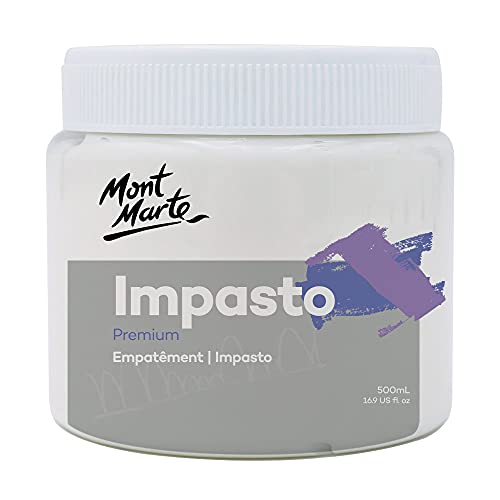
MONT MARTE Impasto Acrylic Medium 500ml

Handy Art Acrylic Gel Medium 32 oz

Golden Artist Colors Heavy Gel Gloss 8 oz Jar

Nicpro Modeling Paste 571 ml for Acrylic Painting
More Details On Our Top Picks
This is the gel most impasto painters reach for first, and the reason is simple: it adds serious body without turning your colors muddy. Mix it into thinner acrylics and you get brushstrokes that stand up off the canvas, plus extra working time since thicker films dry slower than straight paint.
The gloss finish keeps mixed colors looking saturated rather than chalky, which matters when you’re layering transparent glazes over texture. For anyone stretching expensive paint across a big surface, extending color volume here is a real budget saver too.
Strong Points
- Adds substantial thickness for impasto strokes that hold their shape after drying
- Extends paint volume, so one tube of color covers far more canvas
- Gloss sheen preserves vibrancy instead of dulling mixed hues
- Slower drying than thin paint gives you extra blending time at the easel
Things To Consider
- The 237ml jar goes quickly on large canvases, so heavy users may want a bigger format
- Glossy areas can catch light differently from matte passages in the same piece
Who It Suits Best
Painters building dimensional, stroke-forward canvases who want professional-grade consistency without guesswork.
A Better Fit Elsewhere
Artists chasing a flat, non-reflective surface will likely prefer the U.S. Art Supply Clear Acrylic Matte Gel Medium instead.
Acrylic’s biggest frustration is how fast it dries on the palette, sometimes mid-blend. A retarder slows that clock down, and this 200ml tube does it while staying out of your color’s way: the formula stays clear, shifts no hue, and leaves saturation untouched.
Once dry, the film resists water and doesn’t yellow over time, which matters for pieces meant to hang for years. In our view, this is one of the friendlier entry points into retarders for hobbyists who blend skies, skin tones, or soft gradients regularly.
What We Like
- Noticeably extends open time for smoother wet-on-wet blending sessions
- Dries clear and water-resistant without yellowing as the years pass
- Keeps original hue and vibrancy intact, so color mixing stays predictable
Worth Noting
- Overdoing the ratio can leave films tacky longer than expected, so mix conservatively at first
- A retarder thins consistency slightly rather than adding body, unlike a true thickener
Made For
Portrait and landscape painters who need patient blending windows without sacrificing color accuracy.
Where A Sibling Pick Shines
Anyone wanting actual thickness alongside extended time should look at the Liquitex Professional Gloss Heavy Gel Medium above.
Where the brand’s retarder buys you time, this matte gel buys you body and translucency at once. Stirred into acrylics, it raises viscosity for thicker application while keeping colors transparent enough for glazing, that technique of layering sheer color over dried paint to build depth.
It also doubles nicely for photo transfers, where you need a medium that reads translucent while wet and fully clear once cured. The matte drying means no glare under gallery lighting, a quiet advantage for framed work.
Highlights
- Thickens paint while preserving transparency for layered glazing effects
- Handles photo transfer techniques where wet translucency and dry clarity both matter
- Matte cure eliminates reflective hot spots under direct lighting
- Tube format squeezes cleanly with less waste than wide-mouth jars
Small Caveats
- At 200ml, frequent glazers will empty tubes faster than they’d like
- Matte finishes can read slightly flatter against gloss passages in mixed-sheen compositions
Right Fit For
Glazing enthusiasts and mixed-media artists working on a budget who still want artist-grade behavior.
Swap It Out When
For maximum gloss and heavier impasto capability, the Liquitex Professional Gloss Heavy Gel Medium serves better.
GOLDEN has spent decades refining acrylic chemistry, and this retarder reflects that pedigree. Its job is narrow but essential: stretch the open drying window of your paints so wet-in-wet techniques stay workable and your palette stops skinning over between strokes.
Compared with the U.S. Art Supply retarder earlier in this list, the GOLDEN version comes in a pourable bottle rather than a tube, which suits artists who dose by the drop into larger mixes. It’s made stateside by an employee-owned company, a detail many studio painters quietly appreciate.
Upsides
- Meaningfully lengthens open time for seamless wet-in-wet transitions
- Cuts down on palette skinning, so mixed pools stay usable longer
- Bottle format allows precise dosing into any quantity of paint
- Backed by a long-established, employee-owned American manufacturer
Points To Note
- Excess amounts may slow curing noticeably, so restraint pays off
- Pure additive role means zero thickening benefit on its own
Quick Facts
Who Will Love This
Serious acrylic painters who blend large soft passages and hate watching their palette dry out mid-session.
Reach For A Different Pick When
Casual hobbyists wanting a cheaper starter retarder may find the U.S. Art Supply Acrylic Paint Retarder Medium adequate.
Pour painting burns through medium like nothing else in acrylic work, and refilling small bottles mid-project gets old fast. Nicpro answers with a jumbo 2040ml jug fitted with a built-in pump, so you dispense exactly what a canvas needs without spills or constant top-ups.
The formula itself lowers viscosity, letting paint flow and level smoothly across large surfaces. Classrooms, workshops, and group projects are the obvious homes for a jug this size, though solo pour artists producing regularly will burn through it happily too.
Bright Spots
- Massive 69oz supply handles dozens of pours before a refill is needed
- Integrated pump dispenses cleanly and prevents messy over-pours
- Reduces viscosity so colors flow and self-level across big canvases
Room For Improvement
- The jug demands real storage space on crowded studio shelves
- Pump heads can clog if left uncleaned between long gaps in use
Best Suited To
Pour artists, teachers, and workshop leaders who mix medium by the cupful rather than the teaspoon.
Not Your Match When
Detail painters needing thick, controllable strokes belong with the MONT MARTE Impasto Acrylic Medium instead.
Most gels add body and transparency together; Liquithick is the odd one out. It thickens water-based acrylics into something with the drag and resistance of oil or encaustic paint, all while keeping opaque colors exactly as opaque as they started.
That makes it a favorite for sculptural, matte-finish effects where you don’t want transparency creeping in. One honest caution: because it carries no binder, manufacturers advise keeping additions around a quarter of your total mix, past that point the dried film can lose strength.
Plus Points
- Delivers oil-like handling resistance unusual among acrylic mediums
- Preserves opacity, so bold colors stay bold after mixing
- Excels at sculptural builds finished in a matte sheen
Softer Spots
- No binder content limits safe mixing ratios to roughly 25% of the blend
- Over-thickened films risk weakened durability, so measure deliberately
At A Glance
Whose Shelf It Belongs On
Experimental painters and sculptural acrylic artists who want oil-style drag without switching mediums entirely.
Consider Something Else When
Artists needing unlimited mixing ratios with binder intact should choose the Golden Artist Colors Heavy Gel Gloss below.
Impasto work lives or dies on whether your strokes survive the drying process, and this 500ml tub is built around exactly that promise. Mixed into acrylics, it holds knife marks and brush ridges in place, then cures clear so the color you laid down is the color you see afterward.
Cleanup is plain soap and water, which students and parents will appreciate after a messy session. Compared with the pricier Liquitex gel, you get double the volume here, making it a sensible stepping stone for artists still finding their textural style.
Reasons To Buy
- Retains brush strokes and knife marks reliably through the drying cycle
- Dries clear, keeping overlaid colors true to their mixed appearance
- Generous 500ml tub supports repeated texture experiments cheaply
- Water cleanup keeps the post-session wash-down painless
Honest Caveats
- Wide tub openings can let the gel skin over if the lid isn’t sealed promptly
- Very deep builds still need patient drying time before varnishing
The Right Fit
Students, teachers, and developing artists exploring three-dimensional texture without a premium price tag.
Another Choice May Suit
Professionals wanting a finer-tuned gloss impasto gel will lean toward the Liquitex Professional Gloss Heavy Gel Medium.
Thirty-two ounces of gel medium is a lot of studio mileage, and Handy Art prices that bulk with classrooms and production painters in mind. The thick white gel stirs into acrylics to raise body for impasto and texture work, then dries down completely clear and transparent.
That clear cure is the detail worth dwelling on: your saturation survives underneath the texture, so vibrant color stays vibrant. It’s certified AP non-toxic and made in the USA, two facts that matter in shared studio and school settings alike.
Standout Traits
- Large 32 oz jar covers semester-long or high-output studio schedules
- White gel applies smoothly yet cures fully transparent beneath color
- AP non-toxic certification suits school and family environments
- Soap-and-water cleanup keeps brushes and tools easy to maintain
Areas To Watch
- A wide jar exposes more surface area to air, so lids need firm closing
- Consistency sits a step below boutique brands in refinement, depending on your standards
Core Details
Who Should Grab It
Art educators and prolific painters who measure medium by the cup and want dependable results per dollar.
Look Elsewhere When
Gallery-focused artists seeking a glossier, more refined cure may prefer the Golden Artist Colors Heavy Gel Gloss.
Golden’s gels span everything from pourable to sculptable, and the Heavy Gel Gloss sits firmly at the sculptable end with a shiny finish. It thickens, extends, boosts translucency, and shifts sheen in one jar, which covers most of what a mixed-media painter asks of a medium.
Collage artists get a bonus: it doubles as an adhesive for paper and ephemera, consolidating two products into one shelf slot. Against the Liquitex heavy gel reviewed earlier, this one leans slightly more versatile in sheen control, though the jar size is comparable.
Positives
- Thickens and extends paint while adding pleasing translucency
- Gloss finish deepens color richness in layered work
- Functions as a collage adhesive, replacing a separate glue purchase
- Sculptable consistency holds peaks and palette-knife texture
Trade Offs
- Gloss sheen won’t suit painters chasing uniformly matte surfaces
- An 8 oz jar depletes steadily under heavy daily studio use
Built With In Mind
Mixed-media artists and collagers who want one reliable gel covering texture, extension, and adhesion duties.
Skip It When
Matte-finish devotees will get better harmony from the U.S. Art Supply Clear Acrylic Matte Gel Medium.
Gels thicken paint; modeling paste builds structure. This 571ml tub from Nicpro is dense enough to sculpt, mold, and carve, creating raised relief and genuine three-dimensional form on panels and canvases before any color goes down.
Think of it as the foundation layer: lay it on, shape it with knives or found tools, let it cure, then paint over the terrain. DIY crafters and mixed-media artists working across wood, canvas, and board will find the smooth, durable composition forgiving to push around.
Best Bits
- High-density paste sculpts into lasting 3D relief and molded shapes
- Smooth application spreads evenly across varied surfaces
- Substantial 28.2 oz capacity supports ambitious multi-layer projects
- Works equally well for fine-art texture and craft-scale DIY builds
Minor Gripes
- Thick applications need generous drying time before painting over
- Rigid once cured, so flexible substrates may crack under deep builds
Details At A Glance
Perfect Match For
Mixed-media builders and crafters who want sculptural foundations their acrylic color can sit on top of.
Where Another Pick Suits Better
Painters who only want to thicken color itself, not build structure, should stick with the MONT MARTE Impasto Acrylic Medium.
What Matters Most Before Choosing Acrylic Paint Thickeners
Match The Medium To Your Technique
Start with the outcome you want. Impasto painters need a heavy gel that holds strokes, pour artists need something that thins and levels, and glazers want translucency with a matte or gloss cure to match their lighting conditions. Buying against your actual technique is the fastest route to a shelf full of unused jars.
Volume Versus Frequency
A 200ml tube suits occasional weekend sessions, while a 32 oz jar or 69oz jug pays off quickly for classrooms and daily studio practice. Estimate how much medium one typical project consumes, then multiply honestly. Running dry mid-canvas is more costly than oversizing slightly.
Sheen And Drying Behavior
Gloss finishes deepen color but reflect light; matte cures disappear under gallery lighting but can flatten vibrancy. Gels also dry slower than thin paint films, which extends your working window, a genuine advantage for blending-heavy styles.
Mixing Limits And Film Strength
Some products carry no binder and weaken paint films beyond certain ratios, so check manufacturer guidance before heavy mixing. Binder-rich gels tolerate more generous proportions safely.
Key Considerations Across These Picks
Traps First Timers Fall Into
The classic error is grabbing a retarder when you actually wanted a thickener, or vice versa. Retarders extend drying time; gels and pastes add body. Read the function line carefully before committing. Another slip is ignoring container format: wide jars skin over faster than tubes, so match packaging to how often you paint.
What Separates Premium From Basic
Higher-tier mediums justify their cost through refined consistency, predictable curing, and documented mixing ratios. Professional lines from Liquitex and GOLDEN behave consistently batch to batch, which matters when a commissioned piece depends on repeatable results. Budget options remain perfectly serviceable for practice and experimentation.
Frequently Asked Questions
Can I mix a thickener directly into my acrylic paint?
Yes, most gels and pastes blend straight into paint on a palette. Start with small additions and build up gradually until you reach the consistency your technique needs.
How much thickener should I add to paint?
It varies by product, so follow the manufacturer’s guidance printed on the label. Some binder-free gels cap safe ratios near 25%, while standard gel mediums tolerate more generous mixing.
Do these mediums change my paint colors?
Quality gels dry clear and preserve hue, though sheen affects perceived vibrancy. Always test a small mix on scrap material before applying it to finished work.
How should I store leftover gel medium?
Seal containers tightly and wipe rims clean before closing to prevent skinning. Store tubes upright and jars away from extreme heat or cold.
Is modeling paste the same as gel medium?
No, they serve different roles. Gel medium thickens paint itself, while modeling paste builds rigid sculptural structure that you paint over afterward.
Closing Thoughts
Choosing among these ten comes down to one honest question: what does your painting style actually demand? Thick strokes point toward the Liquitex or Mont Marte gels, patient blending toward a retarder, big pours toward the Nicpro jug, and sculptural ambition toward modeling paste. Match the medium to the technique and you’ll spend less time fighting your materials and more time painting.
