
Acrylic paint punishes flimsy paper. It dries fast, sits heavy, and curls thin sheets into tubes within minutes, which is why the surface you choose matters more than most beginners expect. The right sheet takes thick strokes without buckling, holds up to water-heavy blending, and doesn’t yellow after a year in a drawer.
This roundup covers ten options that solve different problems: disposable palette pads for mess-free mixing, budget bulk packs for practice, heavyweight pads for finished work, and canvas-textured sheets when you want that stretched-canvas feel without a frame. Whether you’re teaching a kids’ art afternoon or building a portfolio, there’s a fit here for how you actually paint.
The Shortlist At A Glance

Zenacolor Paper Palette Pad 50 Disposable Sheets

Royal & Langnickel Essentials Acrylic Paper Pad 9×12

U.S. Art Supply 9×12 Premium Heavy-Weight Acrylic Pad

Prudiut Watercolor Paper Bulk 5×7 110 Lb Cold Press

U.S. Art Supply 11×14 Premium Heavy-Weight Acrylic Pad
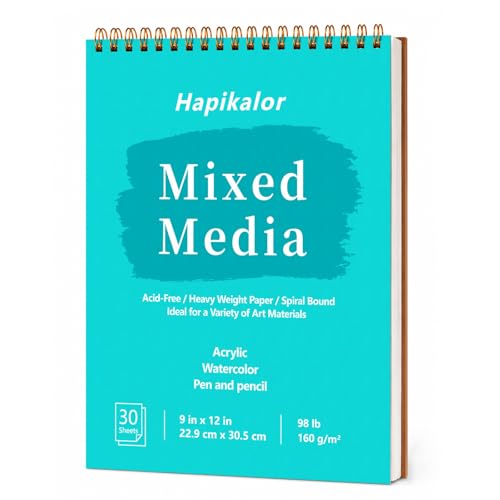
Hapikalor Mixed Media Sketchbook 9×12 30 Sheets

AETEXA Canvas Paper Pad 9×12 10 Sheets

U.S. Art Supply 16×20 Triple Primed Canvas Pad

U.S. Art Supply 12×16 Triple Primed Canvas Pad

U.S. Art Supply 9×12 Triple Primed Canvas Pad
More Details On Our Top Picks
Nobody loves scrubbing dried acrylic off a plastic palette at midnight. This pad flips that chore into a tear-and-toss routine: each of the 50 sheets works as your mixing surface, then peels away when you’re done. The lightweight 80gsm stock carries a slick coating so wet paint beads and blends instead of soaking through.
It handles oil, acrylic, and watercolor alike, which makes it a sensible companion no matter which medium dominates your week. In a shared studio or a classroom, one pad quietly replaces hours of sink time.
Strong Points
- Tear-off sheets mean zero washing after a session
- Coated surface keeps paint workable longer while you mix
- Works across oil, acrylic, and watercolor media
- 50 sheets cover months of casual painting
Things To Consider
- Thin 24lb stock isn’t rigid, so lay it on a board or table for stability
- Disposable format creates ongoing waste some studios prefer to avoid
Who It Suits Best
Painters who value quick cleanup over reusable gear, especially parents managing kids’ craft sessions.
A Better Fit Elsewhere
Artists wanting an actual painting surface rather than a mixing tool should look at the U.S. Art Supply 9×12 Premium Heavy-Weight Acrylic Pad instead.
Where the Zenacolor pad handles your mixing, this one takes the actual brushwork. Royal & Langnickel built the Essentials line as an entry point: 22 sheets sized 9 by 12 inches, rated for both oil and acrylic, and light enough to slide into a backpack alongside your brushes.
The modest sheet count is honest about its purpose. This is a practice pad, the kind you burn through while learning color mixing or testing compositions before committing to canvas. Owners commonly report it performs well for studies and classroom assignments, though very wet techniques can show waviness on lighter sheets.
What We Like
- Fits easily in a tote or backpack for painting away from home
- Dual rating covers acrylic and oil without priming
- Low commitment for trying new techniques
Worth Noting
- Only 22 sheets, so frequent painters will restock often
- Thinner stock than premium pads, best suited to moderate paint loads
Made For
Students and hobbyists who want an affordable pad for daily sketch-and-paint practice.
Consider Something Else When
Anyone producing finished pieces for display will get more mileage from the heavier U.S. Art Supply 11×14 Premium Heavy-Weight Acrylic Pad.
This is the pad many teachers reach for first. U.S. Art Supply specs it as heavy-weight stock in a familiar 9 by 12 inch format, with a surface treated to resist the moisture and bleed-through that wreck ordinary paper under acrylics. Compared to the Royal & Langnickel above, you’re trading a lower sheet count for noticeably sturdier pages.
In practice that means fewer warped corners when you load the brush generously, and less frustration for anyone still learning how much water acrylics tolerate. It also accepts oils, giving you room to experiment across media on one pad.
Highlights
- Heavy-weight construction resists buckling under wet paint
- Moisture-resistant surface suits beginners still gauging water ratios
- Accommodates both acrylic and oil paints
- Standard 9×12 size pairs with common frames and mats
Small Caveats
- Sheet count runs lower than bulk alternatives, so heavy users may want multiples
Right Fit For
New acrylic painters and classroom settings where durability per sheet matters more than volume.
Swap It Out When
Small-format practice and high volume matter more, in which case the Prudiut 5×7 bulk pack below stretches further.
Cold press paper has a lightly textured tooth, and that texture grips acrylic nicely, especially in thin washes and dry-brush work. Prudiut ships 80 loose sheets at 5 by 7 inches and a respectable 110 lb (230 GSM) weight, which is genuinely sturdy for the price bracket.
The small format is the whole point here. Postcard-sized paintings dry faster, cost less per attempt, and suit greeting-card projects or a kid’s attention span. You may find 5×7 restrictive for sweeping landscapes, but for color studies it’s hard to beat having 80 chances to try again.
Quick Facts
Bright Spots
- Generous 80-sheet supply supports daily use and sharing
- 230 GSM weight tolerates water-heavy application
- Loose sheets are easy to hand out in group settings
Points To Note
- No pad binding, so store sheets flat to prevent edge curling
- Small size limits large compositions
Who Will Love This
Parents, teachers, and students burning through high volumes of small-format practice pieces.
Reach For A Different Pick When
You need larger canvases for finished work; the U.S. Art Supply 12×16 Triple Primed Canvas Pad offers far more breathing room.
Think of this as the bigger sibling of the 9×12 pad from earlier in the list, dialed up for people whose work has outgrown practice size. Each sheet weighs in at 246 lb (400 GSM), thick enough that even saturated impasto-style strokes stay flat. The paper is acid-free and archival quality, meaning it won’t yellow or turn brittle over the years the way cheap wood-pulp stock does.
You get two pads of 12 sheets each, so 24 surfaces total at 11 by 14 inches. That’s enough room for gallery-adjacent compositions while staying manageable on a kitchen table.
At A Glance
Upsides
- 400 GSM stock is among the thickest paper options in this category
- Archival treatment protects pieces you plan to keep or gift
- Two-pad bundle reduces how often you reorder
Minor Gripes
- Heavier paper costs more per sheet than student-grade pads
- 11×14 won’t fit smaller standard frames without trimming
Best Suited To
Intermediate painters producing keepable work who want canvas-like durability without stretched canvas expense.
Not Your Match When
Budget-conscious beginners still learning brush control will find the cheaper 9×12 version from the same brand perfectly adequate.
Every other pick here is a pad or loose stack; this one is a proper book. The spiral binding lets pages fold fully back and lie flat, a small ergonomic detail that matters enormously once you’ve fought a glue-bound pad mid-stroke. Micro-perforations along each page edge mean finished pieces tear out cleanly instead of shredding.
Left-handed painters benefit too, since the spiral design avoids the spine-bump problem traditional bindings create. With 30 sheets at 9 by 12 inches, it doubles as a visual journal: pencil studies on one page, acrylic color tests on the next.
Feature Rundown
Plus Points
- Lay-flat spiral makes painting near the spine painless
- Perforated pages remove neatly when a piece succeeds
- Keeps a whole project’s experiments bound chronologically
Softer Spots
- Spiral coils can bend if the book gets tossed in a crowded bag
- 30 sheets is a modest run for daily painters
Whose Shelf It Belongs On
Journaling artists and mixed-media dabblers who switch between pencils, markers, and acrylic in one sitting.
Another Choice May Suit
Painters committed purely to acrylic should consider the AETEXA Canvas Paper Pad, whose gessoed surface is purpose-built for the medium.
Gesso is the chalky primer coat that preps a surface for paint, and AETEXA applies a generous 12.3 oz layer to every sheet before the pad ever reaches you. That means zero prep time: unwrap, paint, done. For acrylic pouring especially, where a properly primed surface affects how pigment flows and cells form, skipping the priming step removes a common failure point.
The glue-bound pad holds 10 sheets at 9 by 12 inches, mimicking woven canvas texture without the weight or cost of a stretcher frame. Ten sheets goes quickly, though, so plan accordingly.
Reasons To Buy
- Pre-coated with acid-free acrylic gesso, ready the moment you open it
- Canvas texture adds tooth that flat paper can’t replicate
- Suits both acrylic pouring and oil painting
- Frameless format stores flat in a drawer
Honest Caveats
- Only 10 sheets per pad, among the lowest counts on this list
- Glue binding means removing a sheet mid-pad requires care to avoid tearing neighbors
The Right Fit
Pour artists and teens experimenting with textured surfaces who want authentic canvas behavior cheaply.
Look Elsewhere When
Volume matters more than texture; the Prudiut bulk pack delivers eight times the sheets for practice sessions.
Triple priming means three separate coats of gesso, and the difference shows in how paint sits: colors stay vivid on top of the surface rather than sinking in dull. This 16 by 20 inch pad brings that treatment to the largest format on our list, with an 8-ounce canvas-textured sheet that feels closer to stretched canvas than paper.
Acid-free construction guards against yellowing, which matters once you’re investing real hours in a composition. The trade-off is practical: sheets this size need flat storage and a table to work on, so it’s a studio piece rather than a lap-friendly one.
Core Details
Standout Traits
- Canvas-like texture elevates finished work beyond flat paper
- Triple priming means no additional prep before painting
- Works with acrylics, oils, and mixed media
Areas To Watch
- Large sheets demand dedicated flat storage space
- Higher per-sheet investment than student pads
Who Should Grab It
Confident painters working large, whether for exhibitions, commissions, or oversized home decor.
Where A Sibling Pick Shines
Desk-bound painters with limited space will find the 9×12 version of this same pad far easier to manage.
Sit between the 16×20 flagship and the 9×12 compact version and you land here: same 8-ounce triple-primed canvas texture, same acid-free build, just a middle-size footprint that fits most workspaces without dominating them. Twelve by sixteen inches is also a standard frame size, which spares you custom-framing costs later.
For workshops and classes, this tends to be the sweet spot. There’s enough area for real composition work, yet sheets remain portable enough to carry under an arm to a session.
Positives
- Mid-size format balances workspace needs with portability
- Triple-primed surface accepts paint straight from the tube
- Acid-free stock preserves color vibrancy long term
- Standard dimensions simplify framing finished pieces
Trade Offs
- 10-sheet pad depletes quickly during intensive practice
- Still requires flat storage to keep edges pristine
Built With In Mind
Class instructors, workshop attendees, and intermediate painters refining technique at a display-worthy scale.
Skip It When
Your walls call for big impact pieces; step up to the 16×20 pad from the same brand for maximum canvas area.
The smallest member of U.S. Art Supply’s canvas family closes the list, packing genuine triple-primed canvas texture into a 9 by 12 inch pad that slips into almost any bag. Plein air painters, the folks who set up easels in parks and on sidewalks, tend to favor exactly this kind of format: light, rigid enough against a lap board, and unpretentious about weather.
Against the plain-paper 9×12 pad reviewed earlier, this one trades raw sheet economy for a coated, canvas-grained surface that behaves like the real thing.
Details At A Glance
Best Bits
- Genuine canvas feel in a bag-friendly footprint
- Ready to paint with no gessoing required
- Compatible with acrylics, oils, and mixed media
Room For Improvement
- Compact size constrains ambitious compositions
- Only 10 sheets, so bring a second pad on longer outings
Who Should Grab It
Outdoor painters and travelers who want authentic canvas results without hauling frames.
Where Another Pick Suits Better
Studio-based artists wanting maximum sheet value should compare the U.S. Art Supply 11×14 Heavy-Weight bundle instead.
What Matters Most Before Choosing Acrylic Painting Papers
Weight And Thickness
Paper weight, measured in pounds (lb) or grams per square meter (GSM), tells you how much abuse a sheet survives. Anything around 230 GSM handles light washes; 400 GSM territory shrugs off heavy impasto. Match the weight to your paint load, not to a brand name.
Surface Texture
Cold press paper carries a subtle tooth that grips pigment, while gessoed canvas sheets mimic woven fabric. Smooth surfaces suit fine detail; textured ones reward bold, layered strokes. Pour artists almost always want a primed, toothy surface so paint flows predictably.
Priming And Prep
Unprimed paper absorbs binder from acrylic paint, dulling colors over time. Pre-primed sheets save a prep step and protect longevity, which matters most for work you intend to keep, frame, or sell.
Format And Quantity
Pads keep studies organized, loose bulk packs maximize practice volume, and books with spiral binding suit journaling. Count your realistic monthly output honestly, then buy accordingly.
Key Considerations Across These Picks
Traps First Timers Fall Into
The classic error is buying thin paper for thick paint. Lightweight stock buckles, drinks binder, and leaves finished work looking tired. Another slip: ignoring sheet count. A gorgeous 10-sheet pad vanishes in two weekends of daily practice, so match quantity to habit.
When Paying More Pays Off
Premium pads buy you weight, archival chemistry, and factory priming. Those three things only matter once your work graduates from practice to keepsake. Until then, budget bulk packs teach the same lessons for less.
Frequently Asked Questions
Can you use regular watercolor paper for acrylic painting?
Yes, heavier watercolor stock generally handles acrylics well since both are water-based. Just expect slightly duller color on unprimed sheets because the paper absorbs some binder.
Do I need to prime acrylic painting paper?
Many pads arrive pre-primed or pre-gessoed, so no extra work is needed. Unprimed paper benefits from a coat of gesso to keep colors bright and prevent deterioration.
What does GSM mean on painting paper?
GSM stands for grams per square meter, a measure of paper density. Higher numbers indicate thicker, more durable sheets that tolerate wetter, heavier paint application.
How do I stop acrylic paper from curling?
Store pads flat under light pressure and avoid saturating thin sheets with water. Heavier weights above 300 GSM rarely curl in normal use.
Are canvas paper pads good for beginners?
They’re excellent, since the pre-primed surface removes prep steps and mimics real canvas behavior. Beginners get authentic results without the cost of stretched frames.
Closing Thoughts
There’s no single right answer here, only the right surface for the way you paint. Practice freely on bulk packs, reserve heavyweight archival sheets for work worth keeping, and let a canvas-textured pad handle the pieces you want to feel like real paintings. Start where your current skill level lives, and upgrade as your ambitions grow.
