
Anyone who paints regularly knows the real cost of a bad palette: wasted paint, stained tables, and ten minutes of scrubbing after every session. The right palette fixes that quietly. Some keep acrylics workable for days, some tear away and vanish into the trash, and some simply feel good in your hand during a long portrait sitting. This list covers disposable pads, airtight wet systems, classic clear trays, and even a makeup-mixing crossover, so you can match the tool to how you actually paint.
The Shortlist At A Glance

Zenacolor Paper Palette Pad 50 Disposable Sheets

D’Artisan Shoppe WetNDri Airtight Stay Wet Palette

Sweaty Pony 20-Well Paint Tray Palette 13 x 10 Inches

Nicpro Miniature Painting Kit with Wet Palette

U.S. Art Supply Clear Oval Acrylic Painting Palette 2-Pack

Tamaki Acrylic Paint Palette Clear Tray 2 PCS

Garpernics Stay Wet Palette Starter Kit with 100 Hydro Paper

Nicpro Professional Miniature Painting Kit with Wet Palette

SMOLOUU Acrylic Makeup Mixing Palette with Spatula 2 Pcs
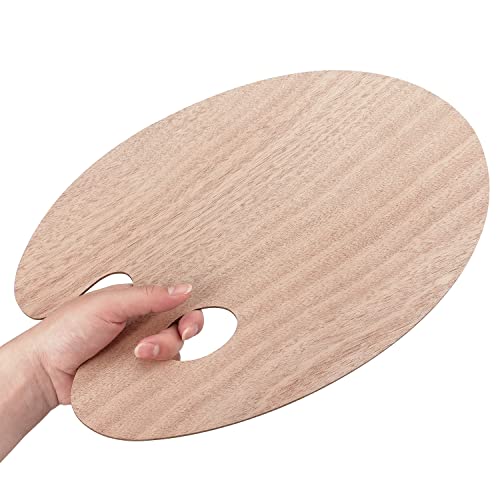
Tamaki Wooden Paint Palette Thumb Holder
More Details On Our Top Picks
Painting in a shared apartment or at the kitchen table changes what you want from a palette. The Zenacolor pad sidesteps cleanup entirely: each sheet is coated so wet paint sits on top instead of soaking through, and when the session ends you tear the page off and toss it.
The 50-sheet pad works with oils, acrylics, and watercolors alike, which makes it an easy first palette for anyone still figuring out their medium. Compared with the rigid trays further down this list, you give up wells and structure, but gain a flat mixing surface that stores like a sketchbook.
Strong Points
- Tear-away sheets mean no washing up after late-night sessions
- Coated surface keeps acrylics and oils from bleeding through to the sheet below
- Works across oil, acrylic, and watercolor media without switching tools
- Flat pad format slips into a tote or drawer between paintings
Things To Consider
- No thumb hole or wells, so it suits table work more than handheld painting
- Disposable by design, which adds up over months of daily use
Quick Facts
Who It Suits Best
Beginners, students, and anyone painting where a sink isn’t close by will get the most from this pad.
A Better Fit Elsewhere
Painters who want reusable wells and structured mixing zones should look at the Sweaty Pony 20-well tray instead.
A wet palette keeps acrylics usable far longer than an open tray by sealing moisture under a lid, and this one organizes the whole idea vertically. The base holds hydration paper, a middle insert carries 16 paint wells plus two central compartments, and the lid doubles as a rest for brushes.
At roughly 8.6 by 6.2 inches, it consolidates your rinsing and mixing areas into one footprint, which matters on a desk already crowded with minis, brushes, and a lamp. In our view that stacking approach is its real selling point over flatter kits like the Garpernics below.
What We Like
- Three-tier stack puts paper, wells, and brush rest in one unit
- 16 dedicated wells help separate mixes during detailed sessions
- Airtight lid slows evaporation between sittings
Minor Gripes
- Compact footprint may feel tight for large washes or big brush loads
- More parts to rinse than a single-sheet system demands
Right Fit For
Miniature and model painters working at a small desk who want everything within arm’s reach.
Where A Sibling Pick Shines
Anyone wanting a lower-cost entry into wet palettes with fewer components should check the Garpernics starter kit.
Classroom tables and family craft nights need a palette that survives being passed around, and this white plastic tray fits that brief. The 13 by 10 inch surface is slightly larger than A4 paper, giving you room to spread out without hogging the whole table.
The well layout mixes eight square compartments, four large circles, and eight small circles, so you can hold base colors separately while blending in the bigger basins. At about 0.35lb it lifts easily one-handed, though the open design means acrylics will skin over if you walk away mid-session.
Bright Spots
- Varied well sizes handle both detail colors and generous mixes
- Lightweight build works handheld or flat on a tabletop
- Sturdy molded plastic rinses clean and stands up to repeated classroom use
- White surface makes true color reading easier than tinted trays
Small Caveats
- Open tray offers no moisture protection, unlike the lidded wet systems here
- Dried acrylic in the square corners can take some soaking to remove
At A Glance
Made For
Teachers, parents running craft sessions, and beginners practicing color mixing benefit most here.
Swap It Out When
Painters who prefer a smooth open surface over divided wells will enjoy the Tamaki clear acrylic pair more.
Starting miniature painting usually means buying five things separately, and this kit bundles most of them. You get a triple wet-and-dry palette, eight detail brushes, three drybrushes, four grey sponges, 100 palette papers, a brush rest, and an elastic band to keep the lid sealed.
The lidded wet section keeps thin layers of paint from drying out while you work through a squad of models, something an open tray like the Sweaty Pony can’t do. For a first kit aimed at hobby miniatures, the honest read is that the included brushes are serviceable rather than exceptional, but the palette alone justifies the bundle.
Reasons To Buy
- Everything needed to start painting minis arrives in one box
- Lidded design preserves thinned paints across multi-day projects
- Brush rest keeps delicate tips off the desk between coats
- 100 replacement papers extend the palette’s usable life considerably
Worth Noting
- Included brushes suit practice work more than competition-level detailing
- Sponges and papers need periodic replacing to stay hygienic
Feature Snapshot
Who Should Grab It
Newcomers to Warhammer-scale painting or DIY craft classes get the smoothest start with this set.
Consider Something Else When
Hobbyists who already own brushes should skip ahead to the standalone Garpernics wet palette and spend the difference on paint.
Two palettes in one purchase solves a problem every painter eventually hits: one tray drying while you still need to mix. Each oval measures around 9 by 13.8 inches in molded plastic with 17 wells, light enough to hold through a standing session at an easel.
The polished oval thumb hole and smoothed edges make it comfortable for both right- and left-handed artists, a small detail that matters more than it sounds after an hour of plein air work. Owners commonly report dried acrylic peeling off the non-porous surface once soaked, so cleanup stays manageable.
Plus Points
- Backup palette means no waiting for one to dry mid-project
- 17 wells organize colors without crowding the central mixing area
- Ambidextrous thumb hole suits any grip style
Points To Note
- Clear plastic shows scratches over time with abrasive scrubbing
- Oval shape takes up more bag space than a rectangular pad
Whose Shelf It Belongs On
Outdoor and easel painters who mix standing up will appreciate the balance of size and weight.
Another Choice May Suit
Desk-bound hobbyists who want a lid and moisture control should turn to the D’Artisan Shoppe WetNDri instead.
Judging a mixed color accurately is easier over a truly transparent surface, and that’s the whole appeal of this Tamaki pair. Each oval runs 11.8 by 7.9 inches in clear acrylic, sized between the U.S. Art Supply ovals above and the smaller wet systems elsewhere on this list.
One practical note: protective film ships on both sides, and forgetting to peel it leaves a hazy surface that muddies your color reads. Once removed, the polished edges and smooth finish feel comfortable in hand, and the non-porous acrylic wipes down quickly after gouache or acrylic sessions.
Highlights
- Genuinely transparent surface supports accurate color matching
- Two trays let you dedicate one to warm tones and one to cool
- Smooth edges stay comfortable during longer handheld sessions
Softer Spots
- Protective film must be peeled carefully to avoid leftover adhesive haze
- No wells, so loose pigments can wander across the surface
Who Will Love This
Art students drilling color theory and portrait painters matching skin tones will find it especially useful.
Not Your Match When
Anyone needing separated compartments for a dozen colors would be better served by the Sweaty Pony 20-well tray.
This is the simplest way to try a wet palette without committing to a full kit. A sponge soaked in water sits beneath hydro paper, and moisture wicking upward keeps acrylics creamy and workable for days under the lid, cutting the dried-paint waste that plagues open trays.
The high-density foam core holds more water than basic versions and can be rinsed and reused, while the professional-grade paper helps paint spread evenly without beading. With 100 sheets included, weekend painters may go months before buying refills. Compared with the Nicpro kits, you trade bundled brushes for a leaner, cheaper core setup.
Upsides
- Sealed moisture keeps mixes usable across several days
- Smooth paper surface prevents beading and shrinking in thinned paints
- Reusable foam core rinses clean between sessions
- Generous 100-sheet supply delays refill purchases
Honest Caveats
- Overwatering the sponge can leave paint slightly diluted until it balances
- No brushes or extras, so total beginners add those costs separately
Details At A Glance
Best Suited To
Weekend acrylic painters and miniature hobbyists testing whether a wet palette suits their workflow.
Reach For A Different Pick When
First-time miniature painters wanting brushes included should choose the Nicpro Miniature Painting Kit instead.
Think of this as the fuller version of the Nicpro kit reviewed earlier. The triple wet-and-dry palette returns, but the brush count grows to twelve detail brushes plus four drybrushes, and everything packs into a nylon storage bag alongside four grey sponges, 100 palette papers, a brush rest, and an elastic band.
That bag changes the ownership picture: the whole setup travels to game nights, clubs, or conventions without loose pieces rattling around a backpack. Painters moving past their first year of miniature work tend to value the extra brush variety for techniques like stippling and fine edge work.
Standout Traits
- 16 brushes cover nearly every miniature technique in one purchase
- Nylon bag keeps the entire kit organized and portable
- Lidded wet palette protects thinned paints between sessions
- 100 spare papers support long-term use without early refills
Areas To Watch
- More components mean more items to clean and store after each session
- Redundant for painters who already own a quality brush set
The Right Fit
Intermediate hobbyists attending painting nights or building a dedicated miniature station fit this kit well.
Skip It When
Complete beginners on a tighter budget will find the smaller Nicpro kit covers the same fundamentals.
Not every mixing tray belongs in an art studio. This two-piece set targets makeup work: blending liquid foundations, cream correctors, and sunscreens, with a double-ended spatula in sturdy 410 stainless steel for scraping and stirring product cleanly.
The clear acrylic shows shade differences directly against the surface, which helps when custom-matching a client’s undertone, and the material resists cracking under normal salon handling. Sanitation is straightforward since both pieces wipe down between clients. Artists doubling in face paint and cosmetics could genuinely share this tray with their studio supplies.
Best Bits
- Stainless steel spatula handles thick creams without bending
- Transparent surface makes undertone comparison immediate
- Two trays allow separate client or product stations
- Wipes clean quickly between appointments
Trade Offs
- Sized for cosmetics, so it’s compact next to full art palettes
- No wells or thumb hole for traditional painting grips
Core Details
Perfect Match For
Freelance makeup artists and beauty students mixing custom foundation shades will use this daily.
Look Elsewhere When
Traditional painters wanting wells and larger mixing area should pick the Sweaty Pony tray instead.
Some painters simply want the traditional feel of wood under their thumb, and this single oval delivers it at 13.7 by 9.3 inches. The shape follows the classic artist form, with a thumb hole positioned for either left- or right-handed holding, and the surface comes sanded smooth with softened edges.
It slips into a backpack or tote easily, which suits outdoor sketching trips and life-drawing classes. One honest caveat worth knowing: raw wood absorbs oil and pigment over time, so many owners season the surface with linseed oil before first use to make later cleanup easier.
Positives
- Classic wooden feel appeals to traditionalists and oil painters
- Ambidextrous thumb hole accommodates any dominant hand
- Lightweight profile travels well to classes and outdoor sessions
Room For Improvement
- Unsealed wood benefits from pre-seasoning to resist staining
- Single piece, unlike the paired sets from U.S. Art Supply or Tamaki’s own acrylic duo
Built With In Mind
Oil painters, figure-drawing students, and anyone who values the traditional handheld experience will feel at home.
Where Another Pick Suits Better
Acrylic users wanting effortless cleanup will prefer the Zenacolor disposable pad or the Tamaki clear acrylic pair.
What Matters Most Before Choosing Acrylic Palettes
Match The Surface To Your Medium
Acrylics dry fast, so a sealed wet palette pays for itself quickly if your sessions run long. Oils behave differently and pair naturally with wood or glass, while watercolorists often prefer white plastic wells that show dilution clearly. Choosing against your main medium is the fastest route to frustration.
Size And Grip Reality
A 13-inch tray feels generous on a table but tiring held at an easel for an hour. Handheld painters should prioritize weight and a comfortable thumb hole, like the oval designs from U.S. Art Supply and Tamaki. Table workers can go larger without penalty.
Cleanup Style
Decide honestly how much washing you’ll actually do. Disposable pads eliminate the chore entirely, plastic trays need a soak, and wet palettes require refreshing paper and sponges. The best palette is the one whose maintenance matches your habits, not your ambitions.
Consumables And Long-Term Cost
Wet systems look affordable until you price refills, so check paper availability before committing. Kits bundling brushes and sponges reduce upfront spending but lock you into their accessories. Standalone trays avoid that dependency altogether.
Key Considerations Across These Picks
Traps First Timers Fall Into
The most common slip is buying a huge tray for a tiny desk, then never using it because setup feels like a project. Another frequent miss is ignoring consumables: a wet palette without locally available refill paper becomes shelf decor fast. Measure your workspace and check refill supply before ordering.
The Case For Spending Up
Higher-tier kits earn their cost through completeness and durability. The professional Nicpro bundle, for example, replaces four separate purchases with one coordinated set, and thicker foam cores or denser plastics simply last longer under daily use. Occasional painters rarely recoup that premium; weekly painters usually do.
Frequently Asked Questions
Do wet palettes really keep acrylic paint usable for days?
Yes, moisture wicking through the paper keeps thin layers workable well beyond an open tray’s lifespan. Results vary with humidity and how much water the sponge holds.
Can I use a makeup mixing palette for paint?
You can, since the clear acrylic handles creams and liquids similarly. Just note the smaller size limits how much paint you can mix at once.
How do I clean dried acrylic off a plastic palette?
Soak the tray in warm water until the paint softens, then peel it away. Avoid abrasive scrubbers, which scratch clear surfaces over time.
Are disposable palette pads wasteful?
They generate paper waste per session, which bothers some painters. Others find the saved water and cleanup time a fair exchange.
Should beginners buy a kit or a standalone palette?
A standalone palette teaches you what you actually need before spending more. Kits make sense once you know you’ll stick with the hobby.
Wrap Up
Your painting habits should drive this choice more than any ranking. Heavy acrylic users will get the most mileage from a wet system like the Garpernics or either Nicpro kit, while casual painters and students often do better with the Zenacolor pad or the Sweaty Pony tray. Whatever you land on, the right palette disappears into the work, and that’s exactly the point.
