
Carbon fiber punishes lazy glue jobs. The weave is slick, slightly oily from mold release, and unforgiving of adhesives that cure brittle or peel in sunlight. Whether you’re patching a bike frame, trimming a car interior, or building RC planes on the weekend bench, the right product depends entirely on the job. This list covers both sides of the category: true structural epoxies and CA glues for repairs, plus self-adhesive vinyl films and tapes when you want the carbon look without any bonding chemistry at all.
The Shortlist At A Glance

LZLRUN Gloss Forged Carbon Fiber Vinyl Wrap (Purple, 1ft x 3.5ft)
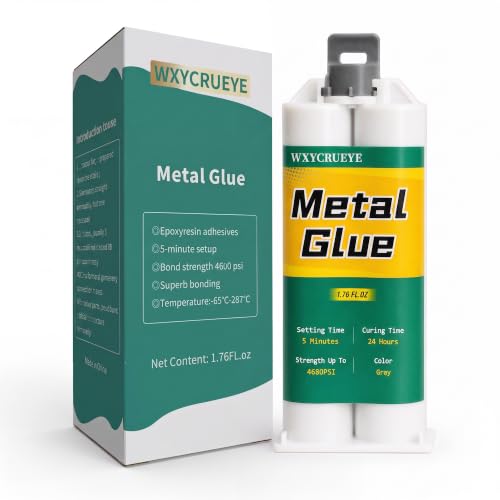
WXYCRUEYE Heavy Duty Waterproof Metal Glue 1.76 oz

Krbnk 5FT Carbon Fiber Repair Kit
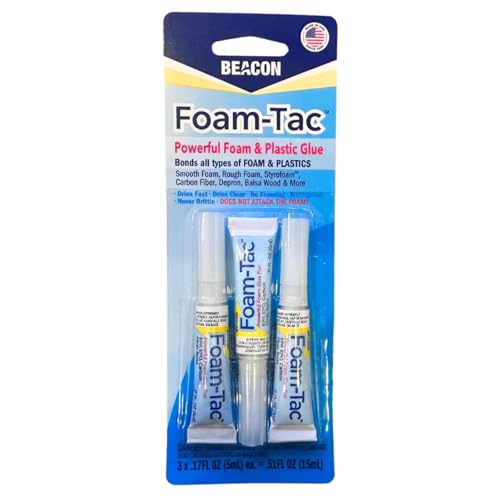
BEACON Foam-Tac Minis Glue 3-Pack (.17 oz)

LZLRUN 3D Black Carbon Fiber Trim Tape 1/4″ x30ft

CYAFIXED Toughened Super CA Glue 2 oz
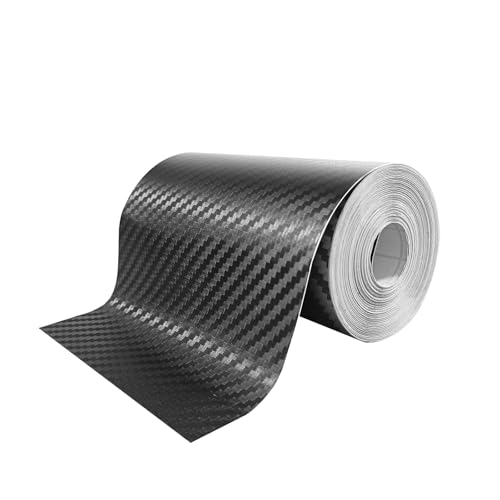
VKQTS Carbon Fiber Wrap Tape 4In x 30Ft

LYPUMSO 3D Carbon Fiber Vinyl Wrap (White, 1ft x 5ft)

kuailaya Carbon Fiber Bike Repair Kit

Rdxcv 3D Carbon Fiber Door Sill Protector Tape 2″ x23 Ft
More Details On Our Top Picks
Forged carbon has that marbled, chopped-fiber look you see on high-end supercar interiors, and this purple gloss film brings it to anything with a flat-ish surface. At 1ft by 3.5ft, there’s enough material for mirror caps, dash inserts, helmet shells, or laptop lids without committing to a full roll.
The low-tack pressure-sensitive backing means you can lift and reposition during alignment, which matters a lot on curved motorcycle panels. Compared with the black trim tape later in this list, this one is purely about visual impact rather than protection.
Bright Spots
- Lifelike forged-carbon texture reads convincingly up close, not like flat printed plastic.
- Low-tack adhesive lets you reposition before final press-down, saving misaligned cuts.
- Gloss finish wipes clean with a damp cloth, so road grime doesn’t stain the surface.
- Compact sheet size suits small projects where a 30-foot roll would go to waste.
Small Caveats
- The 1ft width limits coverage on wide hoods or roofs; seams will show on large panels.
- Owners commonly report vinyl wraps need gentle washing to avoid edge lifting over time.
Made For
Detailing enthusiasts who want a bold accent color on motorcycles, helmets, or interior trim pieces.
Where A Sibling Pick Shines
For subtle factory-style black trim instead of purple flair, the LZLRUN 3D Black Carbon Fiber Trim Tape is the more discreet choice.
This two-part epoxy putty works like a cold weld: mix resin and hardener at a 1:1 ratio, apply, and it cures into a rigid mass that bridges gaps between metal parts. That gap-filling behavior is exactly why it earns a place among adhesives for carbon fiber, since bonded brackets and mounts often sit against uneven metal surfaces.
The 1.76 oz bottle includes pusher and squeegee tools, which keeps the mixing mess contained. In a garage setting, it’s the sort of tube you reach for when a cracked aluminum bracket or a stripped thread needs rebuilding rather than just sticking.
Strong Points
- Two-part epoxy chemistry delivers far higher strength than single-component household glues.
- Putty consistency fills holes and gaps instead of requiring perfectly flush mating surfaces.
- Waterproof cured bond holds up in engine bays and outdoor fixtures.
- Included squeegee and pusher make application tidier than finger-mixing.
Points To Note
- Epoxy demands quick work once mixed; the pot life runs short in warm garages.
- Cured material is rigid, so joints under constant flex may eventually crack loose.
Quick Facts
Who Should Grab It
Garage tinkerers repairing metal brackets, mounts, or fittings that meet carbon components.
Swap It Out When
For flexible, fast-grabbing bonds on small carbon parts, the CYAFIXED Toughened Super CA Glue handles impact better than rigid epoxy.
Sometimes glue alone isn’t the answer; you need to rebuild the structure itself. This kit supplies five feet of 12-inch-wide, 220g/m² carbon cloth alongside 8 oz of resin and 4 oz of hardener, so you can laminate new layers over cracked fairings, split kayak hulls, or damaged automotive panels.
The cloth’s strength-to-weight story is the whole point here: carbon laminate weighs a fraction of steel while carrying serious load. Measuring cups, sticks, and gloves come in the box, which means a first-timer can lay up a patch the same afternoon the kit arrives.
Reasons To Buy
- Five feet of 220g/m² twill cloth covers multiple repair sessions or one large panel.
- Resin and hardener are pre-sized to match the supplied fabric, removing guesswork.
- Gloves, cups, and sticks included mean no extra shopping trip before starting.
- Laminated patches restore genuine structural strength, not just cosmetic coverage.
Honest Caveats
- Wet layup takes practice; your first patch may look rougher than the second.
- Full cure takes hours, so the repaired part sits idle overnight.
- Resin work smells strongly; ventilation in a closed garage is non-negotiable.
At A Glance
Right Fit For
DIYers tackling structural composite repairs on car panels, boats, or sporting gear.
Consider Something Else When
Bicycle frames call for the purpose-matched kuailaya Carbon Fiber Bike Repair Kit, whose 3K twill cloth suits tube geometry better.
Ask around at any RC flying field and Foam-Tac comes up constantly, and the reason is simple: it grabs foam, wood, plastic, and carbon fiber rods without melting foam the way some solvent glues do. The three .17-ounce minis are sized for a flight box, so a spare tube rides along to the field for mid-session repairs.
The formula carries UV blockers, which addresses the classic failure mode of clear adhesives yellowing and weakening after a season of sunny flying. Motor mounts, control horns, servo attachment, and carbon pushrods all fall comfortably within its range.
What We Like
- Bonds EPP, EPO, Depron foam, balsa, plastics, 3D-printed parts, and carbon fiber alike.
- UV blockers resist yellowing and degradation during outdoor use.
- Built-in adhesion promoter improves long-term joint durability.
- Three mini tubes spread across workshop, field box, and spare kit.
Softer Spots
- Tiny tubes empty quickly on big builds; heavy users will want larger sizes.
- Dries fast, so positioning windows are short on fiddly alignments.
Core Details
Who Will Love This
RC pilots who build and repair foamies and want one trusted glue in the flight box.
Not Your Match When
Structural carbon layups demand the Krbnk 5FT Carbon Fiber Repair Kit instead of a hobby adhesive.
Chrome delete is the most popular trim job going, and this quarter-inch tape is made precisely for it: window surrounds, door trim strips, grille edging. Thirty feet covers a typical sedan’s brightwork with room for mistakes, and the narrow width follows tight curves that wider films fight against.
The film has molded air channels, tiny passages that let trapped air escape as you squeegee, which is what makes a bubble-free result achievable for first-timers. Heat from a hair dryer softens the vinyl around corners, and removal later leaves no residue behind.
Plus Points
- Air-release channels make bubble-free installation realistic without pro experience.
- Quarter-inch width hugs curved window trim that broad sheets wrinkle on.
- Resists discoloration, cracking, and peeling through seasons of sun exposure.
- Peels off cleanly when tastes change, sparing the underlying chrome.
Things To Consider
- Narrow tape means many passes on wide pillars; patience beats speed here.
- Heat application is effectively required around bends, so plan for a heat source.
Whose Shelf It Belongs On
Weekend detailers covering chrome window trim and narrow exterior accents on daily drivers.
Reach For A Different Pick When
Broader bodywork accents suit the VKQTS Carbon Fiber Wrap Tape, whose four-inch width covers more area per pass.
Standard cyanoacrylate, the chemistry behind ordinary super glue, sets in seconds but snaps clean off under a sharp knock. This toughened version embeds small rubbery particles into the cured line, giving the joint elasticity that absorbs impact instead of fracturing. For carbon fiber parts that live near vibration, that difference decides whether a repair lasts a week or a year.
The 2-ounce bottle is generous by CA standards, enough for dozens of small fixes on drone arms, model parts, rubber trims, and detached carbon accessories. Where the WXYCRUEYE epoxy wins on gap filling, this one wins on speed and shock resistance.
Highlights
- Toughened particles add flexibility, so bonds survive knocks that shatter standard CA.
- Instant grab makes small-part assembly a matter of seconds, not clamped hours.
- Works across rubber, plastic, metal, and carbon surfaces in one bottle.
- Large 2 oz volume outlasts typical single-use hobby tubes considerably.
Minor Gripes
- CA bottles thicken once opened; storing upright in a cool drawer extends usable life.
- Thin viscosity won’t bridge gaps the way an epoxy putty can.
Feature Rundown
Who It Suits Best
Model builders and drone flyers needing fast, shock-tolerant bonds on small carbon and mixed-material parts.
Another Choice May Suit
Gap-heavy metal repairs favor the WXYCRUEYE Heavy Duty Waterproof Metal Glue, which fills voids this thin CA cannot.
Four inches wide and thirty feet long is a lot of accent material for the money, and that combination defines this roll. Pinstriping along rocker panels, framing a rear diffuser, edging a spoiler: the tape lays down straight lines faster than cutting film from a sheet, and the PVC construction shrugs off water and sun.
Against the LZLRUN trim tape reviewed earlier, this one trades finesse for coverage. Curves tighter than a few inches of radius will fight you, so it rewards straight runs and gentle arcs most.
Standout Traits
- Thirty feet handles a full vehicle’s accent lines with leftover stock for touch-ups.
- PVC build resists water and UV exposure for lasting exterior use.
- Classic weave pattern adds a motorsport flavor to otherwise plain bodywork.
- Self-adhesive backing installs with nothing beyond a squeegee and scissors.
Areas To Watch
- Four-inch width struggles on tight compound curves; expect wrinkles on mirrors.
- Surface prep matters: wax or dust left behind commonly causes early edge lift.
The Right Fit
Owners adding straight accent stripes and protective edging along doors, rockers, and spoilers.
Skip It When
Curved window trim calls for the narrower LZLRUN 3D Black Carbon Fiber Trim Tape instead.
White carbon weave is the rare variant that looks at home inside a bright modern cabin, and this matte sheet brings it in a beginner-friendly format. Air-release technology in the film lets bubbles escape as you smooth, so a center console or pillar wrap comes out clean even on a first attempt.
Peel-and-stick simplicity is the pitch, and it holds up: no heat gun expertise required for flat and gently curved interior pieces. Next to the glossy purple LZLRUN sheet, this pick leans understated and interior-focused rather than loud.
Positives
- Air-release channels forgive imperfect technique during smoothing.
- Matte white finish resists fingerprints better than gloss alternatives.
- Five-foot length covers several interior trim pieces in one purchase.
- Removable without residue, so leased cars stay safe.
Trade Offs
- Light colors show dirt along edges sooner than black film does.
- Sharp deep curves may need mild heat to conform cleanly.
Built With In Mind
First-time wrappers refreshing interior trim on daily commuters or leased vehicles.
Look Elsewhere When
Exterior accent work with proven weather resistance points toward the VKQTS Carbon Fiber Wrap Tape.
A cracked carbon seat stay used to mean a trip to a specialist, but this kit puts professional-style repair on your own bench. It centers on 3K twill cloth at 200g, a weave weight well suited to bicycle tubes, paired with proportioned AB resin, a measuring cup, brush, and mixing stick.
The 3K designation refers to 3,000 filaments per tow, which produces the tight, clearly defined pattern visible on quality frames. Everything ships together, so a dinged frame or chipped bar can be wrapped and curing the same evening. Compared with the broader Krbnk kit, this one targets bike geometry specifically.
Upsides
- 3K 200g twill cloth matches the weave and weight common on bicycle frames.
- Pre-proportioned AB resin removes mixing-ratio guesswork for newcomers.
- Brush included enables controlled resin placement on narrow tubes.
- All-in-one packaging means zero supplemental purchases before starting.
Worth Noting
- Frame repairs carry real stakes; a poor layup compromises ride safety, so practice honesty about skill level.
- Cloth quantity suits one or two frame repairs, not fleet-scale work.
Details At A Glance
Perfect Match For
Cyclists comfortable with hands-on maintenance who need to restore a damaged carbon frame or component.
Where Another Pick Suits Better
Flat panel and hull repairs fit the Krbnk 5FT Carbon Fiber Repair Kit’s wider cloth better than bike-oriented twill.
Door sills take a beating: shoe scuffs, dropped keys, cargo corners. This PET-based film acts as a sacrificial layer, absorbing scratches and scuffs so your paint doesn’t have to. Twenty-three feet of two-inch tape covers all four sills plus door edges on most sedans and SUVs.
PET, short for polyethylene terephthalate, is the same tough polyester family used in screen protectors, and it resists wear noticeably better than basic vinyl. The sporty weave pattern means the protection reads as styling rather than an obvious sticker.
Best Bits
- PET construction offers stronger scratch resistance than standard vinyl films.
- Shields sills and door edges from everyday scuffs and dings.
- Universal sizing fits most cars without custom trimming templates.
- Carbon texture doubles as an appearance upgrade, not just armor.
Room For Improvement
- Adhesion on textured or freshly waxed paint is unreliable; thorough cleaning first is essential.
- Once heavily scuffed, the film needs peeling and replacing rather than polishing.
Who Should Grab It
Families and rideshare drivers protecting high-traffic entry points on daily-driven vehicles.
A Better Fit Elsewhere
Decorative bodywork lines belong with the VKQTS Carbon Fiber Wrap Tape, while this pick stays focused on wear zones.
Choosing Between These Adhesives For Carbon Fiber
Match The Chemistry To The Job
Structural repairs call for either two-part epoxy or laminating resin with cloth. Epoxies fill gaps and handle heavy static loads; resin-and-cloth layups actually rebuild lost strength. Instant CA glue occupies the middle ground, best for small parts where speed matters more than gap filling.
Vinyl films and tapes solve a different problem entirely. They change how a surface looks and shield it from light abrasion, but they contribute zero structural strength. Mixing these categories up is the fastest route to disappointment.
Surface Prep Decides Everything
Carbon’s glossy resin surface accepts adhesives reluctantly until it’s cleaned. Isopropyl alcohol wiped over the bond area removes mold release residue and oils that cause silent failures days later. Light scuffing with fine abrasive paper gives epoxies and CA something to key into.
For self-adhesive films, the same discipline applies: wash, degrease, dry, then apply. Skipping this step is the most commonly reported cause of lifting edges within weeks.
Think About The Environment
Outdoor and engine-bay applications need waterproof, UV-stable formulations, since sunlight degrades unprotected adhesives over a season or two. Interior-only projects can prioritize finish and ease of removal instead. Temperature during application matters too; most epoxies and films prefer a moderate, dry workspace to cure properly.
Key Considerations Across These Picks
Traps First Timers Fall Into
The biggest mistake is buying on look alone. A gorgeous forged-carbon sheet won’t fix a cracked bracket, and a strong epoxy won’t survive on a flexible part. Read what the product actually bonds and cures into before checkout.
Second trap: ignoring cure times. Rushing a part back into service before full hardening is how good repairs fail early.
The Case For Spending Up
Higher-tier options earn their cost through chemistry, not branding. Toughened CA resists impact; matched resin kits remove measuring errors; PET films outlast basic vinyl. Pay more when the repair carries load or lives outdoors, save money on purely decorative interior work.
Frequently Asked Questions
Can regular super glue be used on carbon fiber?
Standard CA glue bonds carbon surfaces, but its brittle cure cracks under impact and vibration. A toughened formulation holds up far better on parts that move or get knocked.
Do vinyl carbon fiber wraps look real?
Quality films with 3D embossed texture read convincingly at normal viewing distance, especially in gloss finishes. Flat close inspection still reveals printed material, so expectations should match the price tier.
How long do epoxy carbon fiber repairs take to fully cure?
Most two-part systems feel solid within hours but reach full strength after roughly a day. Loading a repair early risks weakening the bond permanently.
Is surface preparation really necessary before applying adhesive?
Yes, cleaning with isopropyl alcohol and lightly abrading glossy carbon dramatically improves adhesion. Most premature failures trace back to skipped prep rather than bad products.
Can carbon fiber repair kits fix a bicycle frame safely?
A proper wet layup with matching cloth can restore structural integrity, and these kits supply the right materials. Skill and honest assessment matter, since a flawed repair on a stressed frame creates risk.
Wrap Up
Your project should choose the product, not the other way around. Structural damage points to the kuailaya or Krbnk kits, quick small-part fixes to the CYAFIXED toughened CA, and metal-heavy joins to the WXYCRUEYE epoxy. Purely cosmetic upgrades live happily in the vinyl camp, from the purple LZLRUN statement piece down to the humble Rdxcv sill protector. Match the chemistry to the job, prep the surface properly, and any of these ten will serve you well.
