
Cardboard shows up everywhere: school dioramas, moving boxes, foam board displays, shipping cartons that take a beating in transit. The trouble is that not every glue handles it well, and the wrong choice means warped panels, peeled seams, or a project that falls apart a week later. This roundup sorts through sprays, sticks, liquid glues, tape sheets, and box sealing tape so you can match the right adhesive to your actual job. Whether you’re a teacher prepping a classroom craft or an online seller sealing parcels nightly, there’s a fit here for you.
The Shortlist At A Glance

DAP Foamboard Construction Adhesive 10.3 Oz

UHU Stic Clear Glue Sticks 12-Pack

Aleene’s All Purpose Tacky Glue 8-Ounce

Scotch Super 77 Multipurpose Adhesive Spray 10.7 Oz

ISUSSER A4 Double Sided Adhesive Sheets 20-Pack

Gorilla Heavy Duty Spray Adhesive 14 oz 2-Pack

Dynta Double Sided Adhesive Sheets 25Pcs

Darice Giant Jumbo XL Glue Stick 115-gram

Scotch Performance Paper Box Sealing Tape 570 1.9 in
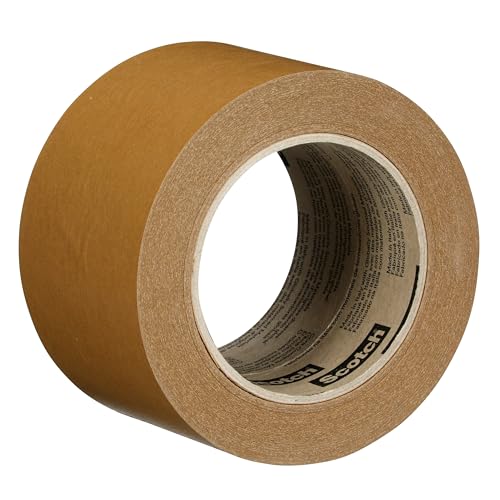
Scotch Performance Paper Box Sealing Tape 570 2.8 in
More Details On Our Top Picks
This caulk-tube adhesive was engineered for one job: sticking insulation foam board to walls, studs, and other construction surfaces without eating the foam. The instant-grab formula matters more than it sounds. On a basement ceiling install, you can press a panel into place and move on instead of bracing every board while the bond cures.
VOC compliance keeps fumes manageable for indoor work, which you’ll appreciate in a closed room. It’s overkill for scrapbooking, obviously, but for paneling projects it removes most of the frustration.
Strong Points
- Instant grab reduces bracing and clamping time dramatically
- Safe on all common foam board types, so no melted edges
- Adheres panels to varied construction materials with one tube
- VOC compliant formula suits enclosed indoor spaces better than solvent-heavy options
Things To Consider
- A standard caulking gun is required, so budget for one if your toolbox lacks it
- Excess squeeze-out can be messy to clean once cured, so apply a controlled bead
Who It Suits Best
DIYers insulating garages, basements, or sheds who want foam panels held firmly without hours of propping boards in place.
Where Another Pick Suits Better
For lightweight poster and photo work, the Scotch Super 77 spray covers large areas far faster than any tube adhesive.
Some projects just need glue that behaves itself. UHU’s twist-up sticks go on clear, stay clear after drying, and hold paper and cardboard together with a single pass, which makes them a quiet favorite for photo albums and card making. Acid-free formulation means photos won’t yellow or degrade over years on a shelf, a detail scrapbookers genuinely care about.
The washable, nontoxic composition also earns trust around kids’ craft tables. Compared with the jumbo Darice stick later in this list, these are smaller and slower on big surfaces, but far tidier for precision work.
What We Like
- Dries completely clear, so no cloudy marks on finished pages
- Acid-free and photo safe for archival albums
- Washable formula cleans out of clothing after classroom accidents
- Twelve-stick pack keeps a drawer stocked for months of school projects
Minor Gripes
- Small 0.29 oz sticks run out quickly on large cardboard sheets
Quick Facts
Made For
Scrapbookers, teachers, and parents who want tidy, photo-safe bonding without mess or fumes.
Consider Something Else When
Covering big display boards goes faster with the Darice Giant Jumbo XL Glue Stick’s wide barrel.
Tacky glue earned its name honestly: it grabs on contact and holds pieces where you set them, even on slick or unusual surfaces. Aleene’s version bonds cardboard alongside wood, metal, glass, ceramic, styrofoam, and most plastics, which makes it the bottle you reach for when a mixed-media project lands on your table. The clear, flexible dry line helps too, since stiff glue can crack when cardboard flexes.
One honest limitation worth knowing: the maker advises against using it on garments you plan to wash. For everything else, the 8-ounce bottle lasts through plenty of weekend builds.
Highlights
- Bonds an unusually wide range of materials beyond paper and cardboard
- Dries clear and stays flexible, resisting cracks on bending joints
- Thick tacky body grips vertical or awkward joints without sliding
- Generous 8 oz volume suits frequent crafters
Softer Spots
- Not intended for washable wearables, so keep it off fabric projects headed for the laundry
- Liquid format can blob if squeezed too hard; a toothpick helps control small dots
Feature Snapshot
Right Fit For
Hobbyists building miniatures, jewelry, or mixed-media pieces where cardboard meets wood, glass, or plastic in one project.
Look Elsewhere When
Kids’ washable crafting calls for the UHU Stic sticks, which rinse clean from hands and clothes.
Spray adhesive changes the math on big flat jobs. Laminating a poster to foam core, covering a bulletin board with felt, or mounting fabric to cardboard all become thirty-second tasks instead of glue-and-smooth marathons. Super 77 bonds quickly across a broad material list that includes fabric, plastic, metal, wood, and felt, and its formula resists seep-through so paper doesn’t end up with wet blotches.
The trade-off is overspray. In our view, this belongs in a garage or ventilated room rather than a closed classroom, and masking nearby surfaces saves cleanup time.
Reasons To Buy
- Covers large areas evenly in seconds, ideal for posters and backdrops
- Resists seepage, keeping paper and photo surfaces stain-free
- Fast drying keeps project momentum going
- Handles light-duty repairs and soundproofing tasks beyond crafts
Points To Note
- Overspray demands ventilation and surface masking, especially indoors
- Canister empties faster than liquid glue on repeated big jobs
At A Glance
Who Will Love This
Art teachers, stage decorators, and anyone mounting large prints or fabric to cardboard regularly.
Swap It Out When
Outdoor-exposed or heavy-duty mounting suits the Gorilla Heavy Duty Spray Adhesive’s tougher permanent bond.
Think of these as sticker paper for adults. Each A4-sized sheet carries strong adhesive on both faces behind a white liner, so you can cut any shape with scissors, peel, and press cardboard cutouts straight onto walls, frames, or other boards. There’s no drying wait at all, which makes them handy for last-minute party decor or kids’ toy builds.
The maker notes the adhesive resists yellowing over time, useful for wall-mounted pieces that sit in daylight. Compared with the Dynta sheets coming up next, you get fewer sheets here but a slightly shorter 11.5-inch length that still fits standard letter projects.
Bright Spots
- Cuts cleanly into any shape with ordinary scissors
- Instant bond means zero clamping or drying time
- Resists yellowing, keeping wall decor looking fresh longer
- Double-sided design mounts items flush against surfaces
Small Caveats
- Peeling the liner takes a fingernail or craft knife until you find the edge tab
- Permanent grip means repositioning after contact is rarely possible
Whose Shelf It Belongs On
Home decorators and party planners who want precise, invisible adhesion for flat cardboard shapes.
Another Choice May Suit
Higher-volume crafters get better value from the Dynta 25-sheet pack at nearly identical dimensions.
Where the Scotch Super 77 excels at light materials, Gorilla’s spray leans toward jobs that need real holding power indoors and out. The wide-pad nozzle lays down a fine, even mist, and here’s the feature that separates it: the bond stays repositionable for up to ten minutes. That window lets you slide a poster or fabric panel into perfect alignment before it locks permanently, which saves a lot of ruined backing board.
It dries clear with a non-yellowing formula suited to photos and scrapbooks, though direct UV exposure may affect color over long stretches. Two 14-ounce cans per pack stretch across multiple large projects.
Plus Points
- Ten-minute repositionable window prevents misaligned, wasted mounts
- Clear, non-yellowing finish keeps photos and paper crafts clean-looking
- Fine mist nozzle gives controlled coverage on detailed areas
- Two-can pack covers big jobs without a mid-project store run
Worth Noting
- Direct sunlight may shift the dried color on exposed pieces
- Spray use outdoors or in garages works best; wind complicates control
Details At A Glance
Who Should Grab It
Makers mounting foam, fabric, or photos on cardboard where alignment mistakes are costly and durability counts.
Not Your Match When
Delicate archival photo work inside frames may suit the UHU Stic sticks’ gentler, acid-free hold better.
This pack answers the main complaint about adhesive sheets: running out mid-project. Twenty-five PET-backed sheets arrive at roughly 8.3 by 11.7 inches, close enough to A4 that they slot into standard cutting workflows. The PET carrier film keeps each sheet dimensionally stable, so intricate die-cut shapes don’t stretch or tear as you peel the liner away.
Owners commonly report the grip holds up well on photo frames, album pages, and cardboard wall art. Like the ISUSSER pack earlier, placement is essentially final once contact is made, so measure twice.
Standout Traits
- 25-sheet count supports extended crafting seasons or group activities
- PET construction adds tear resistance during intricate cutting
- Near-A4 sizing fits common templates and cutting machines
- Strong, durable adhesion suits long-term wall displays
Room For Improvement
- Liner separation can be fiddly on humid days, a widely reported quirk with liner-backed sheets
- No repositioning once pressed, so dry-fit everything first
Built With In Mind
Scrapbookers, teachers, and decor makers who burn through adhesive sheets and want bulk supply on hand.
Reach For A Different Pick When
Smaller occasional projects make the 20-sheet ISUSSER pack the leaner option.
Standard glue sticks cover about three square inches per swipe. This one covers a poster. At 115 grams, a single stick equals roughly fourteen mini sticks, and the fat barrel sweeps across display board and foam board without the tedium of constant re-twisting. Bonding is quick and firm on paper, cardboard, and foam board alike.
It’s washable and nontoxic, which explains why classrooms stock it. The honest caveat: a stick this size gets gloopy at the edges near the end of its life, so trim the tip occasionally to keep application neat.
Positives
- Jumbo barrel covers large surfaces in a fraction of the usual strokes
- Equivalent to roughly 14 mini sticks, stretching supply further
- Fast, strong bond on paper, cardboard, foam board, and display board
- Washable and nontoxic for worry-free kid use
Honest Caveats
- Wide tip applies too much glue for small, detailed pieces
- Edge buildup near the end of the stick needs periodic trimming
Core Details
The Right Fit
Teachers and group leaders running poster-heavy craft sessions where speed of coverage matters most.
Where A Sibling Pick Shines
Precision album work favors the slimmer UHU Stic sticks over this broad-tip giant.
Shipping cardboard is a different discipline from crafting it. This 3M roll uses a paper backing instead of plastic film, built specifically for case sealing, and it performs like industrial packing tape while staying recyclable along with the box. The 1.9-inch width suits standard single-parcel cartons and lighter palletized loads.
Small e-commerce shippers tend to appreciate how cleanly it tears by hand and how it accepts pen ink for labeling directly on the seam. One consideration: paper tape generally wants firm pressure or a dispenser with a wetting or smoothing action to activate full grip on recycled cardboard surfaces.
Upsides
- Paper backing recycles right along with the carton
- Industrial-grade hold stands up to parcel handling
- Tears cleanly without scissors or dispensers
- Ink-friendly surface lets you label directly over seams
Trade Offs
- Needs firm pressure to bite fully into recycled box surfaces
- Narrower width means extra passes on wide box flaps
Spec Overview
Best Suited To
Online sellers and offices shipping lightweight single-parcel orders who want recyclable packaging.
Skip It When
Heavy cartons with wide flaps benefit from the 2.8-inch version of this same tape below.
Same tape family as the previous entry, scaled up. The 2.8-inch width spans wider box flaps in a single pass, which matters on bulkier cartons where a narrow seam invites peeling under load. You still get the paper backing that recycles with the box, plus the same hand-tear convenience and writable surface.
For households doing a seasonal move, the wider roll also feels faster; fewer passes per box adds up across twenty cartons. The trade-off mirrors the smaller roll: press firmly, especially on older recycled cardboard, for the strongest seal.
Best Bits
- Extra width seals wide flaps in one pass
- Paper backing keeps packaging fully recyclable
- Writable surface accepts marker labels over the seam
- 55-yard roll covers a full moving day or shipping batch
Areas To Watch
- Overkill width for slim envelopes and small parcels
- Requires firm smoothing pressure on rough recycled surfaces
Perfect Match For
Movers and sellers boxing bulky or heavier goods who want fewer tape passes per carton.
A Better Fit Elsewhere
Lightweight everyday parcels are handled more economically by the 1.9-inch Scotch 570 roll above.
What Matters Most Before Choosing Adhesives For Cardboard
Match The Adhesive To The Job Size
Big flat surfaces reward sprays and jumbo sticks; small detailed pieces want precision tips or cut-to-shape sheets. A tube of construction adhesive on a greeting card wastes product and warps the paper, while a glue stick on a foam board wall panel will fail within days. Estimate your largest typical surface first, then shop for that.
Consider Drying Behavior And Repositioning
Liquid glues grab fast but allow little correction. Sprays such as the Gorilla option hold a repositionable window for up to ten minutes, which is gold for aligned mounting. Sheets and tapes bond instantly with zero adjustment. Decide early whether you need forgiveness or permanence.
Think About Cleanup And Safety Context
Washable, nontoxic formulas belong anywhere children work. Solvent-based sprays demand ventilation and surface protection. Paper-backed tapes skip mess entirely but need pressure to activate. Your workspace, whether a kitchen table or a garage bench, should drive this call as much as the project does.
Factor In Long-Term Appearance
Photos and displayed artwork need acid-free, non-yellowing formulations so the bond line doesn’t discolor over months. Construction and shipping applications care little about appearance but plenty about shear strength, so prioritize hold over looks there.
Key Considerations Across These Picks
Traps First Timers Fall Into
The most common slip is buying one adhesive for every cardboard task. Hot-glue warps thin card, school sticks fail on foam board, and construction adhesive ruins anything decorative. A second trap is ignoring surface prep; dusty or damp cardboard weakens nearly every bond listed here. Wipe surfaces down and let them dry before applying anything.
Why Top Tier Costs More
Premium picks buy consistency and forgiveness. Repositionable windows, non-yellowing chemistry, VOC-compliant formulas, and industrial paper tape engineering all add manufacturing cost, and they show up as fewer ruined projects and cleaner finishes. Occasional crafters can happily stay budget-tier; daily users usually recover the difference in saved materials.
Frequently Asked Questions
What glue works best on corrugated cardboard?
White craft glue and tacky glue both soak into corrugated flutes and form strong bonds. For heavy loads, a construction adhesive or hot glue at the fluted edge holds better.
Do spray adhesives warp cardboard?
They can if applied heavily, since moisture softens paper fibers. Light, even mists from a distance minimize warping, and seep-resistant formulas help further.
Is double sided tape strong enough for wall-mounted cardboard?
Quality adhesive sheets hold flat cardboard cutouts securely on smooth painted walls. Rough or textured surfaces reduce contact area and weaken the grip noticeably.
Can I recycle boxes sealed with paper tape?
Yes, paper-backed sealing tape is designed to recycle along with the carton. Plastic-film tapes typically must be removed before recycling.
How do I remove excess glue from cardboard?
Blot wet glue immediately with a dry cloth. Once cured, careful scraping with a dull edge works best, since water can ripple the cardboard surface.
Closing Remarks
Cardboard rewards the right adhesive and punishes the lazy one, so start by naming your job: mount, build, ship, or decorate. From there, the shortlist above narrows fast, and most people land on one spray, one precision option, and one sealing tape. Match the tool to the task and your projects will hold together far longer than the glue aisle suggests.
