
Gluing fabric to plastic sounds simple until the bond peels a week later. Seat covers lift, patches curl, tarps tear at the seam, and the cheap glue in your drawer turns out to be the wrong tool entirely. This list sorts through sprays, liquid glues, tapes, and specialty formulas so you can match the right adhesive to the actual job in front of you, whether that’s an RV roof patch or a rhinestone on a graduation cap.
Quick Look At Our Top Picks

Loctite Vinyl, Fabric and Plastic Repair Adhesive, 3 Pack

3M Headliner & Fabric Adhesive, 18.1 oz. (38808)

Scotch Super 77 Multipurpose Adhesive Spray, 10.7 Ounces (7716)
Scotch Super 77 Multipurpose Adhesive Spray, 1 Pack

FITTDYHE Fabric Glue Permanent Washable Clear Clothing Glue, 60 ML, 3 Pack
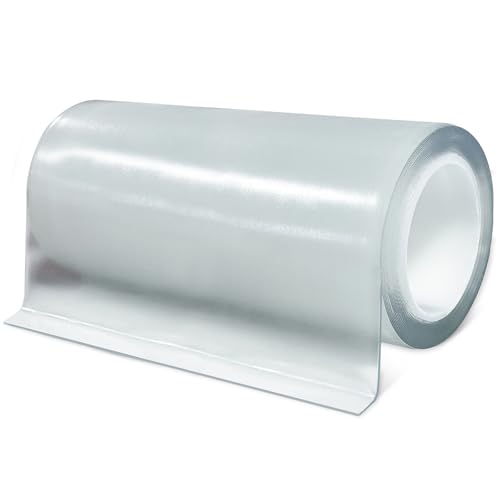
Tikfoam Heavy Duty Repair Tape for Fabric, RV Roof, Tent, Boat

3M Hi-Strength Spray Adhesive 94ET, Low VOC, 19.8 oz

YHOVID Fabric Glue for Clothing Permanent Washable, 60ML

Gorilla Super Glue Tape, Double Sided Clear, 5/8in x 20ft

GH1200 Fabric Glue Permanent, 10 ML x 8
More Details On Our Top Picks
Vinyl is the trickiest surface in this whole category because most glues dry rigid and crack the moment the material flexes. Loctite’s formula stays pliable after curing, which is why it shows up constantly in seat-cover and inflatable-mattress repairs. The three-tube pack means one tube lives in the garage, one in the craft drawer, and one stays sealed as backup.
The clear liquid finish matters more than people expect. On a beach ball or a raincoat, a cloudy repair line is the difference between fixed and visibly patched.
Strong Points
- Stays flexible once cured, so vinyl cushions and seat covers can bend without splitting the bond
- Dries clear, keeping repairs on visible items like wading pools looking tidy
- Works across paper, glass, leather, wood, rubber, fabric, and many plastics, so one tube covers odd jobs around the house
- Three tubes per order stretch across multiple seasons of small repairs
Things To Consider
- The 1-ounce tubes run out quickly on large surfaces like tarp seams, so big projects may need several packs
- Liquid glue needs clamping or weight while it sets, which adds time compared with spray options
Who It Suits Best
Households dealing with vinyl furniture, pool toys, and outdoor gear want this flexible, clear-bonding formula above anything else here.
Where A Sibling Pick Shines
For heavy automotive headliner fabric, the 3M Headliner & Fabric Adhesive later in this list delivers far more holding power per pass.
A sagging car headliner is one of those repairs where weak glue guarantees a do-over within months. This 18.1-ounce aerosol from 3M was built specifically for heavyweight automotive fabrics bonded to metal and plastic, and the can size covers a full headliner without running dry halfway through. Restorers working on older vehicles tend to reach for it by name.
Highlights
- Exceptional strength handles heavyweight headliner fabric that lighter craft sprays peel away from
- Sets in roughly 30 to 60 minutes, letting a weekend restoration move along without overnight waits
- Adjustable nozzle directs the spray so you can control coverage along edges and curves
- Dries clear, so overspray near trim lines doesn’t leave obvious residue
- Also suits carpet, foam, and other interior automotive surfaces beyond just headliners
Worth Noting
- Aerosol application demands ventilation and masking of surrounding interior panels before you start
- Overkill for lightweight crafts; a single can costs more than several tubes of liquid glue
At A Glance
Made For
DIY mechanics and vehicle restorers reattaching headliners, carpet, or foam inside cars will get the most from this can.
Consider Something Else When
Lightweight craft fabric belongs with the Scotch Super 77 instead, since its smaller can and gentler tack fit hobby-scale work better.
Where the 3M headliner can specializes, Super 77 generalizes. This 10.7-ounce spray bonds fabric, cardboard, plastic, metal, wood, and felt, which makes it the can that stays on the shelf long after a single project ends. Teachers, scrapbookers, and anyone doing light soundproofing or decorating keep coming back to it for exactly that reason.
The formula resists seepage into thin material, so tissue-paper-weight fabrics don’t end up soaked and wrinkled. That detail separates it from bargain-bin sprays in most craft rooms.
Reasons To Buy
- Bonds a genuinely wide range of lightweight materials, reducing how many adhesives you need to own
- Fast drying keeps school projects and photo albums moving at a natural pace
- Seepage resistance protects delicate fabrics from staining and stiffness
- Aggressive initial tack holds pieces in place almost immediately
Small Caveats
- Not formulated for heavyweight automotive fabric, so headliner-style jobs will overwhelm it
- Spray pattern takes practice; first-time users often apply too much on small pieces
- Overspray cleanup on tables and floors requires solvent and patience
Right Fit For
Hobbyists, students, and home decorators tackling mixed-material projects will find this the most versatile can on the list.
Swap It Out When
Structural automotive work calls for the 3M Headliner & Fabric Adhesive reviewed earlier, whose strength rating matches the job.
This listing is the same Super 77 formula sold as a single can rather than a multi-pack, and that distinction actually matters. Occasional crafters rarely finish a 10.7-ounce can before the propellant fades, so buying one at a time keeps the adhesive fresh when you need it. The fast, aggressive tack and low soak-in behavior remain identical to the pick above.
Plus Points
- Single-can format suits infrequent users who won’t burn through a multipack
- Low soak-in protects cushion foam and thin fabric from saturation
- Handles fabric, cardboard, plastic, metal, and wood in one can
Points To Note
- Per-can cost runs higher than multipack pricing for frequent users
- Aerosol cans lose pressure over years of storage, so buy close to project time
Who Should Grab It
Weekend crafters and parents stocking a homework supplies bin are the natural audience for this single-can version.
Another Choice May Suit
Regular project makers should compare the multipack Scotch Super 77 listed just above, which lowers the cost per can over a year of use.
Most fabric glues survive one trip through the washing machine and then quietly fail. FITTDYHE’s pitch is durability across repeated wash cycles, applied to denim, leather, polyester, flannel, and cotton. Each of the three tubes holds 60 milliliters, a generous volume for hemming jeans or securing patches without rationing every drop.
The transparent color helps here too. A repaired seam on a favorite shirt shouldn’t announce itself, and owners commonly report the dried line blends in well on most everyday fabrics.
Bright Spots
- Bond holds through multiple laundry cycles, unlike single-wash alternatives
- Three 60 ML tubes cover a season’s worth of clothing repairs
- Clear finish keeps mended hems and patches discreet
- Adheres rhinestones and embellishments securely for costume and dancewear fixes
Softer Spots
- Full cure takes hours, so garments need to rest flat overnight before wearing or washing
- Thick applications can stiffen delicate knits; thin layers work better on soft cotton
The Right Fit
Parents mending school clothes and anyone repairing denim or costume pieces will appreciate the wash-safe staying power.
Look Elsewhere When
Tiny precision jobs like doll repair suit the GH1200 eight-tube set further down, whose smaller applicators give finer control.
Sometimes the answer isn’t glue at all. This thick clear tape from Tikfoam skips curing time entirely: press it over a torn awning seam, an RV underbelly panel, or a boat cover rip and the repair is done. The reinforced backing resists tearing and wear, and the surface sheds water, which is precisely what exposed outdoor repairs demand.
Standout Traits
- Instant application with zero drying wait, ideal for storm damage and campsite emergencies
- Waterproof, wear-resistant surface stands up to sun and weather outdoors
- Thick construction bridges gaps and reinforces weak fabric rather than just sticking edges
- Clear material stays visually unobtrusive on windows, curtains, and covers
Honest Caveats
- Surface prep decides everything; dust or moisture under the tape commonly causes lifting over time
- Visible edge line on smooth plastics, less tidy than a painted or glued repair
- Not a structural fix for large RV roof sections, more of a durable stopgap
Feature Rundown
Best Suited To
RV owners, boaters, and campers who need field repairs that hold until a proper fix happens will keep a roll in the storage bay.
Reach For A Different Pick When
Permanent cosmetic repairs on vinyl upholstery favor the Loctite flexible adhesive from the top of this list.
Large-format bonding is where amateur adhesives fall apart, literally. The 94ET gives you a 60-minute bonding range, meaning you can spray a full sheet of laminate or carpet, position it carefully, and still reposition it afterward. High initial grab supports quick handling, yet the extended open time forgives mistakes that instant-tack sprays never would.
The low-VOC formulation, under 20 percent, also makes indoor workshop sessions noticeably easier on the lungs than older high-solvent cans.
Upsides
- 60-minute bonding range allows alignment and repositioning on big or complex builds
- Adjustable-width web spray pattern delivers even, controlled coverage across wide surfaces
- Bonds wood, laminates, metals, select rubbers, carpet, and flooring in one product
- Low-VOC chemistry under 20 percent suits enclosed indoor workspaces better
- 19.8-ounce net weight covers substantial square footage per can
Trade Offs
- Professional-grade can carries a higher price than consumer craft sprays
- Extended open time means parts stay movable longer, so clamped assemblies need patience
Core Details
Who Will Love This
Flooring installers, cabinetmakers, and serious DIYers laying carpet or laminate get professional results from this can.
Not Your Match When
Small household fabric fixes are better served by the cheaper Scotch Super 77, which handles light-duty work at lower cost.
YHOVID’s 60-milliliter bottle does double duty that most rivals skip: it works as a no-sew clothing adhesive and as a fray check, sealing cut fabric edges so they stop unraveling. That combination earns it a permanent spot in sewing kits, especially for people finishing ribbon, sequin, or felt projects where raw edges show.
Compared with the FITTDYHE three-pack earlier, you give up volume but gain the anti-fray function and a fine-tip application suited to detailed embellishment work.
Best Bits
- Doubles as anti-fray sealant for cut edges on ribbons and felt
- Clear, washable bond suits wearable items like purses and graduation caps
- Handles rhinestones, beads, and sequins where needle-and-thread gets fiddly
- Works across cotton, denim, polyester, canvas, nylon, and leather
Areas To Watch
- One 60 ML bottle goes faster than a three-tube set on large hemming jobs
- Owners commonly report needing firm pressure during setting for the strongest hold on slick synthetics
Built With In Mind
Craft sewers decorating caps, bags, and costumes with small embellishments will lean on this bottle constantly.
Skip It When
Bulk clothing repairs across a whole wardrobe fit the FITTDYHE 3 Pack better, thanks to triple the total volume.
Double-sided tape trades some holding strength for pure convenience, and Gorilla’s version leans hard into that trade. There’s no clamping, no curing, no mess: tear off a strip by hand, press fabric to plastic, done. The crystal-clear 5/8-inch width disappears against most surfaces, and the roll yields 20 feet of joins for quick fixes around the house or office.
What We Like
- No clamping or drying wait, the fastest fix method on this entire list
- Tears cleanly by hand, so no scissors or dispensers needed mid-project
- Clear adhesive stays invisible on glass, tile, and finished surfaces
- Bonds fabric, wood, metal, glass, tile, and plastic from one roll
Minor Gripes
- Thin tape width limits coverage on wide seams; overlapping strips get fussy
- Adhesive-backed joins generally resist peeling less than cured liquid glue on flexed fabric
- Removal from delicate fabrics can pull fibers, so test on a hidden spot first
Quick Facts
Whose Shelf It Belongs On
Renters, office workers, and anyone wanting a zero-mess emergency fixer in a desk drawer will use every foot of this roll.
A Better Fit Elsewhere
Permanent, wash-safe clothing bonds call for the YHOVID liquid glue instead, which cures into the garment itself.
Eight small tubes beat one big bottle in one specific situation: when glue sits unused between projects. Each 10-milliliter tube stays sealed until needed, so the last tube is as fresh as the first. The formula dries into a flexible, permanent bond that avoids the hard, scratchy feel cheaper glues leave behind, and it stays nearly invisible on finished work.
Positives
- Individually sealed tubes prevent waste and keep adhesive fresh for months
- Flexible cured bond feels comfortable on wearable items like flannel and doll clothing
- Crystal-clear drying keeps rhinestone and patch work discreet
- Small tips offer precise control for detailed cotton and polyester repairs
Room For Improvement
- Total volume across all eight tubes is modest, so large hemming projects exhaust the set quickly
- Tiny tubes are easy to misplace in a crowded craft drawer
Details At A Glance
Who Benefits Most
Occasional crafters doing doll repair, flannel projects, and small embellishments get the best value from this multi-tube approach.
Where Another Pick Suits Better
High-volume wardrobe mending favors the FITTDYHE 60 ML three-pack, which triples the usable glue for bigger jobs.
What Matters Most Before Choosing Adhesives For Fabric To Plastic
Flexibility Beats Raw Strength
Fabric moves. Plastic flexes. A bond that cures rock-hard will crack along the seam within weeks, especially on seat covers, tarps, or anything handled daily. Look for wording like “flexible bond” or “remains pliable,” and match it to how much movement your repair will see. Rigid cyanoacrylate-style glues suit static joins; flexible formulas suit anything that bends.
Application Method Shapes The Outcome
Sprays cover broad surfaces fast but demand ventilation, masking, and a steady hand. Liquid glues offer precision and penetration into woven fibers but need clamping time. Tapes skip curing altogether at the cost of long-term peel resistance. Choose based on the surface area and whether the piece can sit undisturbed overnight.
Washability And Weather Exposure
Clothing repairs must survive the laundry, so confirm the label states washability explicitly. Outdoor gear faces UV rays and moisture, where a waterproof, non-yellowing formula earns its price. Indoor craft projects can ignore both concerns and prioritize clarity instead.
Volume Versus Freshness
Big bottles look economical until half-used glue skins over in the drawer. Multi-tube sets and single cans trade cost per ounce for shelf life, and frequent versus occasional users land on opposite sides of that trade.
Key Considerations Across These Picks
Mistakes Worth Dodging
The most common error is matching glue to material by guesswork. Vinyl needs a flexible formula, heavyweight headliner fabric needs industrial tack, and using either one backwards wastes money and the garment. Skipping surface cleaning ranks a close second; dust and fabric softener residue undermine even strong adhesives. Test on a hidden corner before committing to a visible repair.
The Case For Spending Up
Premium cans like the 3M 94ET charge more for controlled spray patterns, low-VOC chemistry, and extended working time, features that matter on large or professional jobs. For a single hem, that upgrade is wasted money. For a room’s worth of carpet or a full headliner, the extra cost buys fewer do-overs and cleaner results.
Frequently Asked Questions
What type of glue sticks fabric to plastic most reliably?
Flexible adhesives labeled for both vinyl and fabric perform best, since they tolerate the different expansion rates of each material. Rigid super glues tend to crack at the seam under movement.
Can fabric glue survive the washing machine?
Formulas explicitly marked washable, such as the FITTDYHE and YHOVID picks here, are designed to hold through repeated cycles. Always let the bond cure fully, usually overnight, before the first wash.
Is spray adhesive better than liquid glue for fabric?
Sprays win on large, flat surfaces where speed matters, while liquids penetrate fibers better on small or detailed repairs. Neither is universally better; the project size decides.
How do I prepare surfaces before applying adhesive?
Clean both surfaces with rubbing alcohol and let them dry completely, then lightly sand glossy plastics to give the glue something to grip. Remove any fabric softener residue from textiles.
Does repair tape work as well as glue on tents and tarps?
Reinforced repair tape often outperforms glue in the field because it applies instantly and bridges tears mechanically. For permanent, load-bearing seams, a dedicated flexible adhesive remains the stronger choice.
Closing Remarks
Matching the adhesive to the job matters more than finding a single universal option, because fabric-to-plastic repairs span everything from graduation caps to RV roofs. Start with the material and the movement it will face, then pick the format that fits your workspace and patience level. Any of these ten will hold its own in the right hands, and the right one for you is probably already clear.
