
A torn hem, a peeling headliner, a patch that keeps curling off a tent: fabric problems rarely wait for a sewing machine to be handy. The right adhesive for fabric handles those jobs in minutes, and picking the wrong one leaves you with stiff patches or bonds that peel after one wash. This roundup sorts ten options by job type, from automotive spray cans to pocket-sized glue tubes, so you can match the product to the repair instead of guessing.
The Shortlist At A Glance

3M Headliner & Fabric Adhesive, 18.1 oz. Can
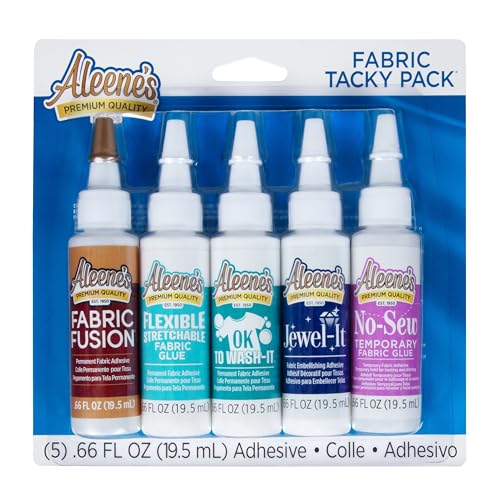
Aleene’s Tacky Pack Fabric Glue, 5pk

Scotch Super 77 Multipurpose Adhesive Spray, 10.7 oz.

FITTDYHE Permanent Fabric Glue, 3-Pack 60 ML

Birllaid Heavy Duty Double Sided Fabric Tape

YHOVID Liquid Stitch Fabric Glue, 60ML

Yeardera Permanent Fabric Glue, 25ml

KING MOUNTAIN Nylon Fabric Repair Tape, 4×63 Inches

GH1200 Fabric Glue Permanent, 10 ML x 8

PLANTIONAL Iron On Adhesive Film, 11.8in x 10 Yards
More Details On Our Top Picks
Sagging headliners are the classic car-interior headache, and this aerosol can exists specifically for that fight. The 18.1-ounce can dispenses an even layer through an adjustable nozzle, which matters when you’re reaching across a wide roof panel and need coverage without drips.
The bond is built for heavyweight fabrics pressed against metal or plastic surfaces, and it dries clear in roughly 30 to 60 minutes depending on temperature and coat thickness. That set time is quick enough to finish a restoration job in an afternoon rather than leaving panels clamped overnight.
Strong Points
- Grips heavyweight automotive fabrics where lighter craft glues give up
- Adjustable nozzle lets you control spray width on large roof sections
- Clear-drying formula keeps visible seams looking factory-finished
- Fast 30-to-60-minute dry window speeds up restoration weekends
Things To Consider
- Aerosol overspray needs masking around windows and trim before you start
- Ventilation matters; owners commonly report working outdoors or with doors open
Key Specs
Who Should Grab It
DIY mechanics restoring older cars who need a serious bond between headliner fabric and metal backing.
A Better Fit Elsewhere
For light household crafts instead of automotive work, the Scotch Super 77 Multipurpose Adhesive Spray covers more material types at a friendlier scale.
Choosing a fabric glue blind is how craft drawers end up full of half-used bottles nobody likes. Aleene’s solves that with five miniature bottles covering different jobs: Fabric Fusion for general bonding, OK to Wash-It for laundered items, Flexible Stretchable for knits, Jewel-It for rhinestones, plus a fifth specialty formula.
Each bottle holds 0.66 fluid ounces, small enough for a purse or desk drawer yet real enough to finish several projects. In our view, that’s the smartest entry point here for anyone unsure which chemistry suits their fabric, since you learn your preference before committing to full sizes.
What We Like
- Five distinct formulas cover washing, stretching, and jewel work
- Mini bottles fit junk drawers, travel kits, and classroom supply bins
- Aleene’s is a long-established name in craft adhesives
Minor Gripes
- Small volume runs out fast on large projects like quilt backing
- You may find only two or three bottles suit your usual fabrics
Right Fit For
Beginners and hobby crafters experimenting with no-sew techniques across mixed materials.
Swap It Out When
Once you know you mainly repair clothing, the FITTDYHE Permanent Fabric Glue three-pack gives far more volume per dollar.
Where the 3M can specializes in car interiors, Scotch Super 77 spreads its bets across nearly every lightweight material in a craft room: fabric, cardboard, plastic, metal, wood, felt, and cushion foam. One can, many projects, which is exactly why it’s a staple in school art rooms and home workshops alike.
The formula tacks aggressively and dries quickly while resisting soak-in, so thin fabrics don’t end up stained or saturated. Compared with the heavier 3M Headliner adhesive, this one suits temporary layouts and repositioning better, though it isn’t aimed at load-bearing automotive panels.
Highlights
- Bonds a genuinely wide range of lightweight surfaces
- Low soak-in protects delicate fabrics from staining
- Fast tack speeds up collage, foam, and felt assembly
- Strong, durable hold once fully dried
Worth Noting
- Overspray demands newspaper or drop cloths on surrounding surfaces
- Not intended for heavy fabrics under constant stress
At A Glance
Made For
Teachers, scrapbookers, and DIY decorators juggling mixed materials in one session.
Where A Sibling Pick Shines
Automotive headliner and carpet work calls for the stronger 3M Headliner & Fabric Adhesive instead.
Three 60-milliliter bottles is a lot of glue for the money, and that volume is the whole argument for this pick. Clothing repairs happen repeatedly, hems loosen seasonally, and having spare sealed bottles beats scraping a dried-out single tube mid-project.
The clear liquid targets everyday wardrobe fixes: denim patches, polyester blends, flannel, cotton, even doll restorations. It’s marketed as washable, meaning bonded garments should survive laundering once cured, which separates it from one-wash novelty glues. Precision application takes a steady hand since there’s no fine-tip needle included.
Reasons To Buy
- 180 milliliters total across three bottles stretches through many repairs
- Clear formula stays discreet on visible garment areas
- Handles denim, leather, polyester, flannel, and cotton in one bottle
- Washable bond suits clothes that go through regular laundry cycles
Softer Spots
- Owners commonly report needing firm pressure and full cure time before washing
- Thick consistency can blob without careful, slow application
Who Will Love This
Households doing frequent no-sew clothing mends who want bulk volume on hand.
Consider Something Else When
Delicate stretchy knits behave better with the dedicated flexible formula inside the Aleene’s Tacky Pack.
Sometimes the answer isn’t glue at all. This double-sided tape uses a PE base layered with high-strength fabric cloth, so it grips instantly with zero drying time, zero mess, and zero cure anxiety. Rug corners, runner edges, doormats, sofa cushions, and car mats are its natural territory.
It also sticks to hardwood, tile, plastic, and concrete, which makes it useful well beyond textiles; nameplates and photo frames have been known to benefit too. The trade-off shows up on removal: aggressive tape can leave residue on delicate finishes, so test a corner first on finished wood.
Plus Points
- Instant hold with no drying or clamping stage
- Works across rugs, cushions, mats, frames, and hard flooring
- Fabric-cloth construction adds tear resistance during placement
Points To Note
- Residue risk on delicate painted or varnished surfaces
- Permanent-style grip makes repositioning tricky once pressed down
Quick Facts
Whose Shelf It Belongs On
Renters and parents securing rugs and mats quickly without tools or adhesives that stain floors.
Reach For A Different Pick When
Outdoor gear tears call for the KING MOUNTAIN nylon repair tape, which is built for weatherproof fabric patching.
This 60-milliliter bottle wears two hats. Beyond bonding patches, sequins, ribbons, beads, and rhinestones onto everything from denim to canvas, it doubles as an anti-fray treatment, sealing cut fabric edges so they stop unraveling. Few liquid glues in this list offer that second function.
It positions itself as a sewing alternative for people whose machine skills stop at straight lines, and the clear finish helps repairs disappear into the cloth. Graduation caps, purses, and couch leather all appear in its intended use range, which tells you the formula aims at variety over specialization.
Bright Spots
- Anti-fray sealing stops raw edges from unraveling
- Adheres rhinestones, sequins, beads, and ribbons securely
- Clear drying keeps decorative work looking tidy
- Generous 60ml bottle supports repeated craft sessions
Small Caveats
- Jack-of-many-materials design means no single use is heavily optimized
- Full curing patience is needed before garments face the wash
Who It Suits Best
Crafters decorating garments and accessories who want bonding and edge-sealing in one bottle.
Another Choice May Suit
Pure rhinestone enthusiasts get eight fresh tubes with the GH1200 Fabric Glue multipack instead.
At 25 milliliters, this is the smallest liquid option here, and that’s a feature rather than a flaw for occasional menders. Small tubes stay usable; big ones thicken and waste away in the back of a drawer. Application is straightforward: spread evenly, press the pieces together, let it cure.
Once fully cured, the manufacturer describes the bond as waterproof, flexible, and UV resistant, with a transparent, soft finish that leaves garments looking close to original. Flexibility is the key word; stiff glue lines on collars and cuffs feel unpleasant against skin, and this formula aims to avoid that.
Standout Traits
- Cured bond stays soft and flexible against skin
- Waterproof and UV resistant for longer-lasting repairs
- Transparent finish blends into most garment colors
- Simple apply-and-press workflow suits first-timers
Room For Improvement
- 25ml covers only a handful of medium repairs per tube
- Cure time requires planning ahead of laundry day
Best Suited To
Occasional menders keeping one small tube in a sewing kit for surprise tears.
Look Elsewhere When
Regular weekly repairs justify the larger FITTDYHE three-pack at triple the volume.
A ripped down jacket at a campsite can’t wait for glue to cure. This self-adhesive nylon patch, four inches wide and 63 inches long in black, sticks on directly: cut, peel, press, done. The nylon surface is waterproof and resists wear and scratching, blending into tents, umbrellas, backpacks, gloves, and sleeping bags.
Because the patch material matches common outdoor shell fabrics, repairs look intentional rather than patched-on. Moderately flexible construction moves with the garment instead of cracking at fold points, something rigid glue films struggle with on puffy jackets.
Positives
- Instant peel-and-stick repair with no cure time
- Waterproof surface suits rain-exposed tents and shells
- Five-plus feet of tape handles multiple gear repairs
- Nylon face blends with down jackets and packs
Honest Caveats
- Black only, so light-colored gear shows the patch clearly
- Surface must be clean and dry or adhesion suffers, a widely reported issue
Details At A Glance
The Right Fit
Hikers, campers, and commuters patching technical nylon gear without carrying solvents or glue.
Where Another Pick Suits Better
Woven cotton clothing repairs take liquid glue better; try the Yeardera Permanent Fabric Glue for those.
Eight slim 10-milliliter tubes flip the storage problem on its head. Instead of one big bottle slowly thickening, you open a fresh tube whenever a project starts, so the glue stays at full strength every time. Crafters doing seasonal rhinestone and bead work tend to appreciate exactly that.
The formula dries crystal clear into a flexible, permanent bond rather than a hard scratchy ridge, and the maker emphasizes a no-stain finish on fabric. Total volume lands near 80 milliliters, comparable to larger single bottles but distributed for freshness.
Upsides
- Eight sealed tubes keep unused glue fresh indefinitely between projects
- Dries clear and flexible, not stiff or scratchy
- Strong tack suited to rhinestones, patches, and denim
- Small tubes slip into craft kits and travel bags
Trade Offs
- Tiny openings make very large coverage areas slow going
- Some users report needing a second thin coat on heavy denim
Built With In Mind
Bead artists and embellishment hobbyists who work in short bursts across the year.
Not Your Match When
Big continuous coverage jobs flow faster from the YHOVID 60ML single-bottle format.
This one works differently from everything above: it’s a heat-activated film, often called fusible web, sandwiched between two fabrics and melted with an iron. Sandwich, press, cool, and the layers become one. No wet glue, no waiting for solvent to evaporate, and results feel like proper garment construction.
The roll measures 11.8 inches wide by 10 yards long, enough for dozens of applique projects, hem fixes, and patch attachments. A lightweight weight grade keeps thin fabrics from turning cardboard-stiff, though very heavy denim may want a heavier fusible grade than this offers.
Best Bits
- Heat-set bond reads as professional garment construction
- 30 feet of roll length outlasts years of casual crafting
- Lightweight grade preserves drape in thin fabrics
- Double-sided film bonds two layers in one pressing
Areas To Watch
- Requires an iron and heat tolerance in the fabric
- Wrong iron temperature weakens the bond, a common beginner misstep
Feature Rundown
Perfect Match For
Quilters and applique makers who already own an iron and want clean, sew-free layering.
Skip It When
Heat-sensitive synthetics or gear repairs need the KING MOUNTAIN nylon tape’s no-iron approach.
Factors To Weigh Before Choosing Adhesives For Fabric
Match The Adhesive To The Job
Start with the fabric weight and the stress the bond will face. A sagging car headliner needs an aerosol engineered for heavyweight textiles on metal, while a loose hem wants a flexible liquid that survives the washing machine. Using a craft spray on structural repairs is the fastest route to redoing the work in a month.
Washability And Flexibility
Garments move, stretch, and get laundered, so the cured glue line has to bend with them. Formulas described as washable and flexible, like Yeardera’s or FITTDYHE’s, are designed for that reality. Rigid bonds crack at fold points and feel scratchy against skin, which matters most on collars, cuffs, and kids’ clothing.
Application Style And Mess Tolerance
Liquid glues offer precision but demand patience and steady hands. Sprays cover large areas fast but create overspray that needs masking and ventilation. Tapes and iron-on films skip drying entirely, trading some permanence for speed and cleanliness. Your workspace and skill level should drive this choice as much as the project does.
Cure Time Versus Convenience
Peel-and-stick options win emergencies; liquid adhesives usually need hours of undisturbed curing before washing or wearing. Plan repairs around laundry schedules and events, and always follow the listed cure window rather than testing early.
Key Considerations Across These Picks
Where Shoppers Go Wrong
The most common mistake is buying one universal glue for every textile job, then blaming the product when denim patches peel or spray soaks through chiffon. Read the intended material list first. Skipping surface prep ranks second: dust, oils, and moisture weaken nearly every bond here, especially tapes and sprays.
The Case For Spending Up
Higher-tier options earn their cost through specialized engineering: 3M’s automotive-grade chemistry, PLANTIONAL’s generous fusible yardage, or multi-formula packs that eliminate guesswork. For one-off mends, budget liquids do fine. For repeated or demanding repairs, the upgrade pays for itself in redos avoided.
Frequently Asked Questions
Can fabric glue really replace sewing?
For hems, patches, and embellishments, quality permanent fabric glue holds up well in daily use. Structural seams on heavily stressed items still benefit from stitching for long-term durability.
How long does fabric glue take to dry?
Liquid formulas typically need several hours to cure fully, with some products listing up to 24 hours before washing. Sprays like the 3M can set in roughly 30 to 60 minutes, while tapes bond instantly.
Is glued fabric safe to machine wash?
Glues labeled washable, such as FITTDYHE and Yeardera, are formulated to survive laundering once fully cured. Turn garments inside out and use gentle cycles to extend the bond’s life.
Will fabric glue show through thin materials?
Most clear-drying formulas minimize visibility, but low soak-in matters on sheer fabrics. Spray adhesives like Scotch Super 77 resist seepage, making them safer for delicate layers.
Do I need special tools for iron-on adhesive film?
A standard household iron and a pressing cloth are enough for fusible web like the PLANTIONAL roll. Follow the recommended temperature for your fabric to avoid scorching or a weak bond.
Wrap Up
Your best choice depends on the repair in front of you. Automotive interiors point to the 3M can, everyday wardrobe mends to FITTDYHE or Yeardera, gear emergencies to KING MOUNTAIN’s tape, and craft-room versatility to Scotch Super 77 or the Aleene’s sampler. Match the adhesive to the fabric and the stress it faces, prep the surface properly, and respect the cure time. Do those three things and even a no-sew fix will hold up for the long haul.
