
Gluing foam board to metal sounds simple until the panel starts peeling a week later. Solvent-heavy glues can eat through polystyrene, while weak craft adhesives let go the moment temperatures swing. This shortlist sorts through caulk-tube, spray, and polyurethane options so you can match the right chemistry to your project, whether you’re insulating a steel shed or mounting foam panels to an HVAC duct run.
The Shortlist At A Glance

DAP Foamboard Construction Adhesive, White, 10.3 Oz

3M Hi-Strength Spray Adhesive 94ET, Clear

3M Polystyrene Foam Insulation Spray Adhesive 78
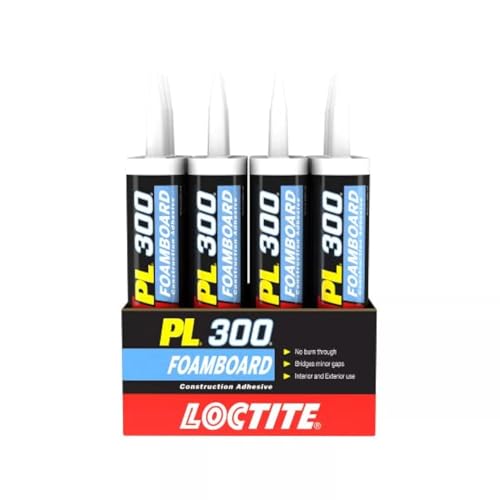
Loctite PL300 Foamboard Adhesive, 10 fl oz Cartridge
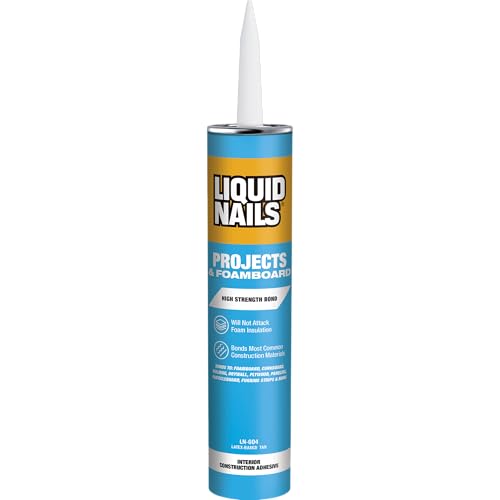
Liquid Nails 10 oz Latex Projects & Foamboard Adhesive

SopraGrip Moisture-Cure Universal Construction Adhesive

Stanley FA192P Quick Bond Pro Adhesive Foam (2x24oz)

Liquid Nails Projects & Foamboard High Strength Paste Adhesive 10 oz.
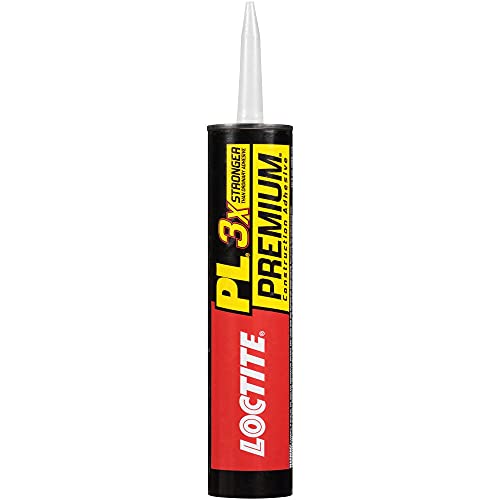
Loctite PL Premium Polyurethane Construction Adhesive, 10 fl oz

Gorilla Spray Heavy Duty Adhesive, Clear, 14 oz
More Details On Our Top Picks
This tube exists for one job: sticking insulation foam board to stubborn surfaces without eating the foam. DAP built it as an instant-grab formula, which means the panel holds its position seconds after contact instead of sliding down the wall while you hunt for bracing.
On a metal stud wall or a steel garage door, that quick tack matters more than raw strength, because most failures happen before the glue ever sets. You’ll still want to press firmly along the bead, but the trade-off is fewer screws and less clamping gear on the day of install.
Strong Points
- Instant grab cuts down bracing and clamping during panel installation
- Formulated specifically for foam board, so polystyrene faces stay intact
- Standard 10.3 oz cartridge drops straight into any caulking gun you already own
- VOC-compliant makeup suits occupied indoor spaces better than solvent-heavy tubes
Things To Consider
- One tube covers limited square footage, so big jobs mean buying multiples
- Like most latex-style construction adhesives, full strength develops over days rather than minutes
Who It Suits Best
Homeowners insulating a basement, shed, or workshop who want a purpose-built foam-safe tube rather than a general-purpose gamble.
Where Another Pick Suits Better
For large commercial runs where coverage speed beats convenience, the 3M Polystyrene Foam Insulation Spray Adhesive 78 covers far more area per minute.
Where the DAP tube wins on simplicity, this aerosol wins on control. The adjustable web-spray pattern lets you lay down an even mist across a wide metal sheet, then position foam without lumps or voids underneath. Initial tack is aggressive enough for quick handling, yet the bond window stretches out to 60 minutes, which is generous room for aligning big panels.
The low-VOC formulation also helps in enclosed shops where solvent fumes get old fast. One honest caveat: spraying means overspray, so masking tape around the work area isn’t optional.
What We Like
- 60-minute bonding range gives real time to reposition large or awkward pieces
- Bonds metals alongside wood, laminates, carpet, and select rubbers
- Adjustable-width spray keeps coverage consistent across broad surfaces
- Low-VOC chemistry is easier on enclosed workspaces
Worth Noting
- Aerosol cans empty quickly on big jobs, so budget several for a full wall
- Overspray cleanup on surrounding metal takes prep and masking discipline
At A Glance
Made For
DIYers and contractors laminating sizable foam sheets onto metal panels who need alignment time more than instant grab.
Consider Something Else When
Working with expanded polystyrene specifically, the dedicated 3M Insulation Spray Adhesive 78 later in this list is engineered for that exact foam type.
This is the industrial-grade option in the lineup, and it behaves like it. Formulated for expanded polystyrene, the claim that bonds end up stronger than the foam itself tells you where the failure point sits: in the material, not the glue line. The lace-pattern spray lays down coverage designed for insulation work rather than crafts.
You get up to 15 minutes of working time, shorter than the 94ET above but plenty for standard sheet sizes. Note the label restricts it to industrial use, so hobbyists should look elsewhere down this list.
Highlights
- Bonds EPS foam with strength exceeding the foam substrate itself
- Lace spray pattern spreads evenly across insulation surfaces
- 15-minute working window allows careful placement on metal backings
- Also grips plastics, wood, paper, and fiberglass insulation
Trade Offs
- Restricted to industrial applications, which rules out casual home use
- Shorter open time than the 94ET makes very large panels trickier
Quick Facts
Right Fit For
Contractors and facility crews bonding EPS insulation to metal, plastic, or wood substrates on commercial-scale projects.
Not Your Match When
Your project is a weekend garage job with a couple of sheets, since the Loctite PL300 cartridge pack below fits residential scale better.
Buying adhesive by the dozen changes the math on whole-room insulation jobs. This twelve-pack of PL300 cartridges keeps a caulking gun loaded all day without mid-project store runs, and the water-based latex formula cleans off skin and tools with plain water.
High initial grab reduces the fasteners you’d otherwise drive into metal framing, and the manufacturer lists a 20-minute set time with full cure over seven days. Because it’s rated for interior and exterior surfaces alike, one case covers a season of mixed projects.
Upsides
- Twelve cartridges keep multi-room installs moving without interruptions
- Grips all foamboard types plus wood, gypsum board, concrete, and brick
- Won’t burn through foam, protecting panel integrity during application
- Low-VOC water-based formula meets strict federal and state guidelines
- Sets in about 20 minutes so walls can be finished sooner
Minor Gripes
- Full cure takes up to 7 days, so heavy loads need patience
- Cartridges must be stored sealed and frost-free between sessions
Feature Snapshot
Who Should Grab It
Renovators tackling entire basements or multiple rooms who want a trusted name at bulk quantity.
Look Elsewhere When
You only need one or two tubes for a small patch job, because the single-tube Liquid Nails latex adhesive next avoids leftover inventory.
Some adhesives demand ventilation, gloves, and a stiff drink afterward. This one doesn’t. The SBR latex formula carries a low odor profile, cleans up with water, and grips rigid polystyrene foam without melting or warping it, which is the whole reason foam-specific tubes exist.
It’s aimed squarely at interior work: drywall, wood, panels, and common building materials. On painted metal ductwork or a steel door inside the house, it holds well for lightweight foam panels. Exterior exposure is where you’d want something tougher from further down this list.
Bright Spots
- Bonds rigid polystyrene foam without melting or warping the panel
- Low-odor latex formula tolerates use in occupied rooms
- Water cleanup means no solvent smell lingering on tools or hands
- Handles wood, drywall, and panels beyond just foam-to-metal pairs
Points To Note
- Best reserved for interior projects rather than weather-exposed metal
- Latex bonds stay flexible, so heavy structural loads deserve a polyurethane alternative
Perfect Match For
Renters and first-time DIYers mounting craft foam or light insulation panels indoors where fumes and mess matter.
A Better Fit Elsewhere
Outdoor sheds and damp climates call for the Chemlink SopraGrip covered shortly, whose waterproof cure shrugs off moisture.
Moisture-cure adhesives harden by reacting with humidity in the air, and that chemistry pays off anywhere water shows up. SopraGrip forms a tough, waterproof seal across roofing membranes, masonry, tile, glass, wood, metal, and foam, making it the widest-substrate option here.
On a metal roof deck or a damp concrete-and-steel corner, the latex and water-based picks earlier would struggle over time. This is the tube you reach for when the bond has to survive seasons, not weekends. The trade-off is cost per ounce and a slower, cure-dependent workflow compared with instant-grab tubes.
Reasons To Buy
- Waterproof cured bond suits roofing and exterior metal assemblies
- Adheres to masonry, glass, tile, wood, membranes, and foam alike
- Moisture-cure chemistry delivers long-term durability in demanding environments
- High bonding strength reduces reliance on mechanical fasteners
Softer Spots
- Curing depends on ambient humidity, so dry winter air slows things down
- Opened cartridges have limited shelf life once exposed to air
Whose Shelf It Belongs On
Roofers and serious renovators bonding foam insulation to metal in wet or weather-exposed locations.
Skip It When
The job is a quick indoor craft or light panel mount, where the Gorilla spray at the end of this list costs less and applies faster.
Polyurethane foam adhesive dispensed through a gun is how pros hang insulation panels fast, and Stanley’s twin-can pack feeds that workflow. Initial tack arrives in roughly 60 seconds and full cure lands within 24 hours, a pace the cartridge tubes here can’t match.
The solvent-free, low-odor formula is a genuine plus in finished spaces, and it grips concrete, brick, wood, and metal alongside insulation boards. Fair warning: the dispensing gun is sold separately, and expanding foam needs a steady hand, since excess beads up and needs trimming once cured.
Plus Points
- Initial tack in about 60 seconds speeds panel positioning dramatically
- Full cure within 24 hours lets same-week finishing proceed
- Solvent-free, low-odor formula suits occupied interiors
- Two 24 oz cans cover substantially more panels than single tubes
Small Caveats
- Dispensing gun not included, so factor that tool into the setup
- Expanding foam can ooze past panel edges and requires trimming after cure
Spec Overview
Built With In Mind
Experienced installers who already own a foam gun and want professional speed on insulation-heavy builds.
Swap It Out When
You’re gunless and gun-averse, since the Loctite PL300 twelve-pack works with any standard caulking gun.
Think of this as the high-strength sibling of the Liquid Nails latex tube from earlier. The paste consistency is the headline: it stays where you trowel or extrude it, which makes vertical metal surfaces far less frustrating than runnier formulas that sag before the panel goes on.
An acrylic base gives it more muscle than basic latex while remaining foam-friendly, and the familiar 10 oz cartridge format keeps handling simple. In our view it’s a sensible middle ground for interior metal-mounting work where the lighter latex version feels underpowered but industrial sprays feel like overkill.
Standout Traits
- Thick paste body resists sagging on vertical metal installations
- Acrylic chemistry brings higher strength than standard latex tubes
- Foam-safe formulation protects polystyrene panel faces
- Fits standard caulking guns with no special equipment
Honest Caveats
- Acrylic formulas generally prefer indoor conditions over sustained weather exposure
- Thicker paste demands a bit more spread effort than liquid adhesives
The Right Fit
Weekend DIYers mounting foam-backed panels to interior metal walls who want extra holding power on a modest budget.
Another Choice May Suit
Structural outdoor work calls for the Loctite PL Premium polyurethane tube reviewed next, which cures harder and shrugs off moisture.
Not every project sticks to one material, and this is the tube for those days. As a moisture-curing polyurethane, PL Premium bonds wood, concrete, stone, and metal, and it can be applied directly to damp and even frozen surfaces, a trick few competitors manage.
It’s paintable, water-resistant, and carries no strong solvent odor, so it transitions between garage and living space without drama. Compared with the foam-specific DAP tube at number one, this one trades guaranteed foam safety for sheer versatility, so always spot-check on delicate polystyrene first.
Best Bits
- Applies to wet and frozen surfaces where other adhesives refuse to bond
- Water-resistant cured line suits both interior and exterior use
- Paintable finish blends into finished walls and trim
- No strong solvent odor keeps indoor work comfortable
Areas To Watch
- General-purpose polyurethane isn’t foam-rated, so test on scrap polystyrene first
- Moisture curing means uncured squeeze-out foams slightly as it sets
Core Details
Who Will Love This
Handymen juggling mixed repairs, from metal brackets to stone sills, who want one reliable cartridge in the truck.
Reach For A Different Pick When
The task is purely foam-to-metal insulation, where the DAP Foamboard Construction Adhesive offers purpose-built peace of mind.
Closing out the list is the friendliest option for light-duty work. Gorilla’s wide-pad nozzle and fine mist lay down an even coat on foam, paper, fabric, and photos, and the bond stays repositionable for up to 10 minutes before locking permanently. That forgiveness is rare at this price tier.
The clear, non-yellowing finish keeps visible edges tidy, though direct UV exposure can affect color over time. Against the 3M 94ET earlier, this one trades industrial grip and long open time for affordability and craft-friendly precision, which is exactly the right trade for small projects.
Positives
- Repositionable for up to 10 minutes before setting permanently
- Wide pad nozzle with controlled fine mist prevents drips and lumps
- Dries clear with a non-yellowing formula for clean visible edges
- Suits indoor and outdoor craft, DIY, and repair projects
Room For Improvement
- Hold strength suits light loads, not structural foam-to-metal installs
- Extended UV exposure may shift the dried color on sunlit surfaces
Right Fit For
Crafters and hobbyists layering foam, photos, and decor onto light metal or painted surfaces.
Where A Sibling Pick Shines
Structural insulation panels belong with the Stanley Quick Bond Pro foam system, which cures far stronger under load.
Choosing Between These Adhesives Without Guesswork
Match The Chemistry To The Foam
Polystyrene foam dissolves on contact with aggressive solvents, which is why foam-specific formulas exist at all. Latex and acrylic tubes like the DAP and Liquid Nails entries are safe bets for standard foam board. Polyurethane options bring more muscle but deserve a scrap test first.
Expanded polystyrene, the beaded white kind, is the most fragile, so dedicated products such as the 3M 78 earn their keep there.
Think About Open Time And Positioning
Open time is how long you have to slide a panel into place before the bond grabs. Instant-grab tubes suit small panels and solo work, while the 60-minute window on the 3M 94ET shines on oversized sheets needing two people and careful alignment.
Indoor Versus Outdoor Conditions
Water-based adhesives clean up easily but dislike sustained moisture. Rooflines, sheds, and damp basements justify a waterproof moisture-cure pick like SopraGrip. Temperature matters too, since some polyurethanes apply to frozen surfaces that latex cannot tolerate.
Format And Coverage Math
Aerosols cover fast but empty quickly; cartridges offer cheap volume; foam-gun systems deliver pro speed at the cost of extra equipment. Estimate your square footage before choosing a format, not after.
Key Considerations Across These Picks
Traps First Timers Fall Into
The classic error is grabbing a generic construction adhesive and watching it melt foam board on contact. Always confirm foam compatibility on the label. Another slip is underestimating coverage, running out mid-wall, and creating a visible seam where batches meet.
When Paying More Pays Off
Premium polyurethane and moisture-cure formulas cost more per ounce but survive moisture, temperature swings, and structural load. For a closet shelf liner, that’s wasted money. For roof deck insulation, the upgrade is the difference between a five-year fix and a done-for-good bond.
Frequently Asked Questions
Will regular construction adhesive melt foam board?
Solvent-based formulas often attack polystyrene and warp the surface. Choose a product explicitly labeled foam-safe, like the DAP or Loctite PL300 options above.
Do I need to prime metal before applying adhesive?
Clean, degreased metal usually bonds well without priming. Wipe away oil, dust, and loose paint so the adhesive contacts bare material.
How long should I brace foam panels after gluing?
Instant-grab formulas need only firm hand pressure for a minute or two. Slower-curing latex bonds benefit from support until the listed set time passes.
Can these adhesives hold foam outdoors year-round?
Waterproof moisture-cure products such as SopraGrip are built for weather exposure. Water-based latex versions are best kept indoors.
Is spray or cartridge adhesive better for large panels?
Sprays cover area faster and allow repositioning, which helps on big sheets. Cartridges win on cost per square foot for straightforward flat installs.
Wrap Up
Matching adhesive to substrate beats chasing a single universal answer. Purpose-built foam tubes handle everyday insulation, sprays buy you alignment time, and moisture-cure polyurethanes protect bonds where water lives. Start with your panel size, location, and load, then pick accordingly. Whichever direction you go, a clean surface and a patient cure will do more for the bond than any label promise.
