
Glass and wood are an awkward couple. One is smooth and non-porous, the other drinks moisture and moves with humidity, so ordinary craft glue tends to let go within weeks. The right adhesive solves that, whether you’re mounting a mirror frame, building a glass-topped table, or gluing mosaic tiles onto a wooden tray. This shortlist covers construction adhesives, epoxies, cyanoacrylates, and craft glues so you can match the product to the project instead of guessing at the hardware store.
The Shortlist At A Glance

Loctite Power Grab Ultimate Clear Construction Adhesive 2.7 oz Tube

Loctite Power Grab Ultimate Clear Construction Adhesive 9 oz Cartridge

LOOCTOT Max Strength Clear Construction Adhesive 2.8 oz Tube

DINGSEN Mosaic Tile Glue 100ml Non-Toxic

Gorilla Max Strength Construction Adhesive Clear 2.5 oz
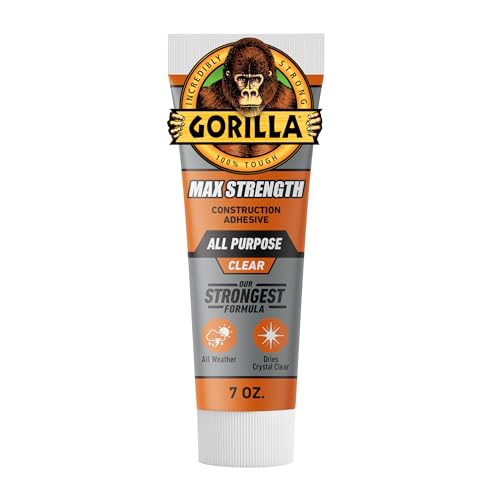
Gorilla Max Strength Construction Adhesive Clear 7 oz Tube

Weldbond Multi-Surface Glue 5.4oz

CYAFIXED Gap Fill Thick Super Glue 120g

Gorilla 2 Part Epoxy 5 Minute Set 0.85 oz

ARKA All-Purpose Liquid Super Glue 1.75 oz
More Details On Our Top Picks
This little squeeze tube earns its spot because of one rare trick: it can bond two non-porous surfaces, which is exactly the glass-to-glass or glass-to-metal problem most adhesives fail at. Glass to wood is easy by comparison, and owners commonly report using it for everything from loose trim to reattaching decorative glass panels.
The 2.7 fl oz size suits occasional fixers who want a tube that fits a kitchen drawer rather than a workshop shelf. It applies in wet conditions too, so a damp basement wall or rainy-day outdoor job won’t stop you mid-repair.
Strong Points
- Bonds non-porous surfaces, including glass-on-glass joints most glues can’t grip
- Applies in wet conditions, handy for bathrooms and outdoor touch-ups
- Clear finish keeps visible seams looking tidy on glass edges
- Squeeze tube needs no caulking gun, so setup takes seconds
Things To Consider
- The small tube empties fast on anything bigger than a few feet of bead, and partially used tubes can thicken over time if the cap isn’t sealed well
Who It Suits Best
Renters and homeowners handling small, occasional repairs where a full cartridge would go to waste.
A Better Fit Elsewhere
Anyone tiling a backsplash or running long beads will get more value from the Loctite Power Grab Ultimate 9 oz Cartridge further down this list.
Same chemistry as the tube version above, but sized like a real construction product. A standard 9 fl oz cartridge feeds a caulking gun, which gives you steady bead control across long runs of trim, paneling, or a row of glass blocks set into a wooden frame.
In our view, this is the format most serious DIYers should own first. It handles cement, tile, and wallboard alongside wood and glass, so one cartridge covers a whole weekend of mixed-material fixes without swapping products.
Highlights
- Cartridge format delivers consistent beads over long runs with less hand fatigue
- Works across cement, tile, walls, wood, and glass in one product
- Interior and exterior rated, so seasonal temperature swings won’t undo the joint
- More economical per ounce than repeatedly buying small tubes
Minor Gripes
- You’ll need a caulking gun, an extra tool some renters don’t already own
- An opened cartridge can skin over in the nozzle; a nail plugged in between uses helps
At A Glance
Made For
Weekend renovators tackling multi-surface projects who already keep a caulking gun in the toolbox.
Where Another Pick Suits Better
For quick single repairs without buying a gun, the Loctite 2.7 oz squeeze tube is the more sensible companion.
Some budget adhesives foam as they cure, pushing your carefully aligned glass out of position. This one is explicitly non-foaming, which matters more than most shoppers realize when you’re pressing a pane against a wooden frame and walking away.
The integrated squeeze tube means no separate nozzle to lose, and the manufacturer recommends applying between roughly 41°F and 104°F in a ventilated space. That’s a normal room-temperature window for most homes, though unheated garages in winter fall outside it.
Upsides
- Non-foaming cure keeps bonded pieces exactly where you placed them
- Integrated nozzle design removes fiddly cap-and-tip assembly
- All-surface formula covers glass, wood, and common household materials
- Clear drying keeps craft and repair work looking clean
Small Caveats
- Surfaces need thorough cleaning first; grease or old adhesive residue will undermine the bond
- Cold-weather application is limited by the stated temperature range
Right Fit For
Cost-conscious DIYers who want construction-grade hold in a drawer-friendly tube for indoor craft and repair work.
Swap It Out When
Shoppers needing proven waterproof performance in showers should step up to the Gorilla Max Strength 2.5 oz instead.
Mosaic work means dozens of small glass pieces on a wooden base, usually at a kitchen table with kids or pets nearby. That’s the exact scenario this solvent-free, odorless gel was designed around, and it’s why crafters keep reaching for it over harsher construction adhesives.
The non-drip gel texture holds tiles in place on vertical surfaces while you position them, and you get about an hour of working time before handling strength sets. Full curing takes a day, so plan projects accordingly rather than rushing the final assembly.
Bright Spots
- Solvent-free and odorless, comfortable for indoor crafting sessions
- Non-drip gel stays put on vertical mosaic panels
- Rated from -20°C to 80°C with UV resistance, so finished pieces resist yellowing near windows
- Washable before curing, making cleanup of stray smears painless
Points To Note
- The 24-hour full cure is slower than instant glues, which frustrates impatient project timelines
Quick Facts
Who Will Love This
Hobbyists and families doing glass-on-wood mosaics, suncatchers, and decorative trays indoors.
Reach For A Different Pick When
Structural furniture joints need real load-bearing strength, which is the territory of the Gorilla 2 Part Epoxy later in this roundup.
Steamy bathrooms are hostile territory for glue. Wood swells, condensation never fully dries, and most adhesives slowly peel away. Gorilla’s max-strength formula is waterproof and bonds even on wet surfaces, which makes it a natural fit for shower shelves, tub surrounds, and glass accents mounted to wooden vanity frames.
It dries crystal clear with a non-foaming cure, becomes paintable in about two hours, and sands down once fully cured. That last detail matters when a squeezed-out bead shows along a visible edge; you can smooth it flush instead of living with a lump.
What We Like
- Waterproof formula works underwater, ideal for tub and shower repairs
- Bonds on wet surfaces, so a damp bathroom wall doesn’t stall the job
- Paintable after roughly two hours for seamless finish work
- Clear, non-foaming cure keeps glass edges looking professional
Softer Spots
- The 2.5 oz tube runs out quickly on larger installations; frequent users burn through it
- Maximum strength means mistakes are hard to reverse once cured
Feature Snapshot
Best Suited To
Homeowners fixing glass and wood fittings in bathrooms, kitchens, and other moisture-heavy rooms.
Consider Something Else When
Anyone planning a big tiling job should grab the Gorilla Max Strength 7 oz tube instead and skip repeated small purchases.
Everything said about the 2.5 oz Gorilla applies here, just with nearly three times the adhesive. If your weekends involve a running list of repairs, the larger tube saves both money per ounce and the annoyance of discovering an empty tube halfway through a job.
The trade-off is storage life. An opened 7 oz tube sits around longer between uses, and like most construction adhesives it can thicken at the nozzle over months. Squeezing the air out and capping tightly extends its usable life considerably.
Plus Points
- Nearly triple the volume of the small tube for ongoing project lists
- Same waterproof, wet-surface bonding as its smaller sibling
- Clear, sandable finish suits visible glass-to-wood joints
- Better value per ounce for households that repair often
Room For Improvement
- Occasional users may find part of the tube hardens before they finish it
- Bulkier tube is less convenient for a junk-drawer stash
Whose Shelf It Belongs On
Frequent DIYers and landlords maintaining several properties who go through adhesive steadily.
Not Your Match When
Light-duty crafters doing occasional mosaics will waste money here; the Weldbond Multi-Surface Glue fits their pace better.
Ask mosaic artists which glue they trust on wood bases and Weldbond comes up constantly. It’s a PVA-style adhesive, meaning it cures by evaporation like white glue but with noticeably stronger cross-material grip on glass, ceramic, tile, stone, and fabric.
The honest read is that it’s not a structural adhesive. Decorative pieces, jewelry, pottery repairs, and furniture accents are its comfort zone, and there it performs reliably. Because it’s gentle and low-odor, it also suits classroom and family crafting better than solvent-based options.
Reasons To Buy
- Bonds glass, ceramic, wood, tile, stone, fabric, and more from one bottle
- Low-odor formula comfortable for long indoor crafting sessions
- Long track record among mosaic and stained-glass hobbyists
- 5.4 oz bottle lasts through multiple projects
Worth Noting
- Not built for heavy loads or wet environments; outdoor furniture joints need a construction adhesive
- Slower cure than instant glues, requiring clamping or patience on vertical pieces
The Right Fit
Crafters, teachers, and mosaic artists working decorative glass-to-wood pieces in dry indoor settings.
Another Choice May Suit
Repair jobs exposed to rain or steam belong with the Gorilla Max Strength 2.5 oz, whose waterproof formula handles those conditions.
Standard super glue is water-thin, which is great until your glass piece sits on a slightly uneven wooden surface and the glue drains away before it grips. Cyanoacrylate, the chemical family behind super glues, comes in viscosities, and this one measures around 1,500 CPS, roughly honey-like, so it stays exactly where you place it.
That thickness buys something else valuable: a 30 to 60 second window to nudge the piece into alignment before it sets. At 120g, the bottle also dwarfs typical single-use tubes, suiting anyone who repairs things weekly rather than yearly.
Standout Traits
- Thick honey-like flow fills wide cracks and gaps thin glues can’t bridge
- 30 to 60 second repositioning window reduces misalignment do-overs
- Large 120g supply outlasts many small tubes
- No dripping on vertical surfaces, cleaner application overall
Areas To Watch
- Instant-bond chemistry leaves little forgiveness once contact is made; dry-fit everything first
- Opened CA glue bottles have limited shelf life once air gets in
Core Details
Who Should Grab It
Detail-oriented repairers fixing chipped glass ornaments, loose fittings, and uneven joints where precision beats speed.
Look Elsewhere When
Projects needing longer open time and gap filling on bigger voids suit the Gorilla 2 Part Epoxy’s five-minute working window better.
Epoxy works differently from every other pick here: you mix resin and hardener, and the chemical reaction creates a rigid plastic that fills voids and grips uneven surfaces. That makes it the strongest option on this list for wobbly chair joints holding glass insets or broken wooden frames with missing chips.
The dual syringe dispenses equal parts in one squeeze, and the five-minute set gives you enough working time to position a piece properly. It dries clear, so repairs on visible glass edges stay discreet.
Positives
- Gap-filling body bonds uneven or vertical surfaces solid adhesives can’t reach
- Five-minute set balances working time with a reasonably quick turnaround
- Clear cure keeps household and automotive repairs visually clean
- Single applicator mixes resin and hardener without separate tools
Honest Caveats
- 0.85 oz is a small batch; big projects need multiple syringes
- Mixed epoxy must be used immediately, so wasted mix is common for beginners
Details At A Glance
Built With In Mind
Hands-on homeowners repairing furniture, frames, and mixed-material breaks where maximum rigidity matters.
Where A Sibling Pick Shines
Fast, thin-joint fixes without mixing belong with the CYAFIXED thick super glue, which sets faster with no prep.
Most super glues come in frustrating two-gram tubes that empty after three repairs. ARKA flips that with a 50g bottle, marketed as substantially more content than standard tubes, aimed at people who fix things constantly rather than occasionally.
The liquid formula reaches handling strength in seconds and dries clear, which suits quick glass-to-wood touch-ups like reattaching a decorative bead or securing a loose inlay. You may find the thin consistency less forgiving on gaps, so press parts together firmly and support them while it grabs.
Best Bits
- Oversized 50g supply dramatically outlasts typical tiny tubes
- Seconds-fast handling strength speeds up routine repairs
- Clear finish keeps small glass and wood fixes invisible
- Suits both light household tasks and heavier industrial use cases
Trade Offs
- Thin liquid runs on vertical surfaces; horizontal clamping works far better
- Like all cyanoacrylates, the bottle degrades after opening, so use it steadily
Who It’s Made For
Busy households, workshops, and craft rooms that run through small-bottle super glue quickly and want fewer repurchases.
Skip It When
Wide-gap or vertical repairs call for thickness, which is precisely what the CYAFIXED Gap Fill formula was built for.
What Matters Most Before Choosing Adhesives For Glass To Wood
Match The Adhesive To The Load
A decorative mirror frame and a glass tabletop live under completely different stresses. Craft glues like Weldbond handle decoration beautifully, while construction adhesives and epoxies carry weight-bearing joints. Overestimating a craft glue’s strength is the fastest route to a fallen shelf.
Surface Prep Decides Everything
Glass arrives with oils from handling, and wood carries dust, old finishes, or wax. Wipe glass with isopropyl alcohol and lightly sand glossy wood before applying anything. Skipping this step undermines even premium adhesives, and no formula fully compensates for a greasy surface.
Cure Time Versus Convenience
Instant cyanoacrylates grab in seconds but leave no adjustment window. Epoxies give you minutes, mosaic gels give you an hour, and construction adhesives need clamping overnight. Honest self-assessment helps here: impatient workers should buy fast-setting products rather than fighting their nature.
Environment And Exposure
Bathrooms, kitchens, and outdoor pieces demand waterproof formulas such as the Gorilla construction adhesives. Indoor decorative work opens the door to gentler, low-odor options. Temperature ratings matter too, since a garage-bound repair in January falls outside many products’ application windows.
Key Considerations Across These Picks
Traps First Timers Fall Into
The classic mistake is grabbing whatever tube is in the drawer and hoping it works. Glass-to-wood needs an adhesive explicitly rated for non-porous surfaces, and many all-purpose glues simply aren’t. The second trap is skipping surface cleaning; a fingerprint’s worth of oil can halve bond strength. Read the label’s material list before committing.
Why Top Tier Costs More
Premium construction adhesives justify their price through wet-surface bonding, non-foaming cures, and paintability, features cheap tubes rarely offer. Larger formats lower the cost per ounce for anyone repairing regularly. Paying up makes sense for structural or moisture-exposed jobs; for a single ornament repair, a modest tube does the job fine.
Frequently Asked Questions
Can regular craft glue hold glass to wood permanently?
Usually not for long. Standard white or school glue isn’t formulated for non-porous glass, so joints tend to release over weeks. Choose a product explicitly listing glass among its bonded materials.
Do I need to rough up the glass before gluing?
Light abrasion can help some adhesives grip, but many modern formulas bond smooth glass directly. Always follow the specific product’s instructions rather than assuming sanding is required.
How long should I clamp a glass-to-wood joint?
Follow the stated cure time on the label, typically ranging from seconds for cyanoacrylates to 24 hours for full strength on gels and epoxies. When in doubt, leave clamps on longer rather than shorter.
Is clear adhesive weaker than colored versions?
No. Clarity refers to the dried appearance, not strength. Several of the strongest picks here, including the Gorilla and Loctite options, dry transparent specifically for visible repairs.
Which type works best outdoors?
Waterproof construction adhesives are the safest bet for exterior exposure. Look for formulas rated for all weather and temperature extremes, and apply within the manufacturer’s stated temperature range.
Bottom Line
Matching the adhesive to the job matters more than any brand name. Small indoor repairs suit the Loctite squeeze tube or Weldbond, bathrooms call for Gorilla’s waterproof formula, and structural breaks deserve epoxy. Clean your surfaces, respect the cure times, and any of these ten will serve you well.
