
Handmade ornaments start with the right clay, and the wrong one cracks, crumbles, or takes forever to set. Whether you’re pressing little hands into keepsakes, sculpting holiday figures, or painting delicate flowers for a wreath, the material you choose decides how the finished piece looks and how long it lasts. This roundup covers ten options that span classic earth clays, kid-friendly foam blends, porcelain-style bars, plus a tool kit and a glaze to finish your work properly.
Quick Look At Our Top Picks
The Shortlist At A Glance

Prang Das Air Hardening Clay 1.1 Lb White

AMACO 4630-2B Air Dry Modeling Clay, 10-Pound, White

Pepy Premium European Air Dry Modeling Clay White 2.2 lb Bar

Exptolii Air Dry Clay 24 Colors for Kids

ReArt Air-Dry Clay Modelling 2.2 Pounds White

LINPHCEY Clay Tool Kit for Kids Ages 8+
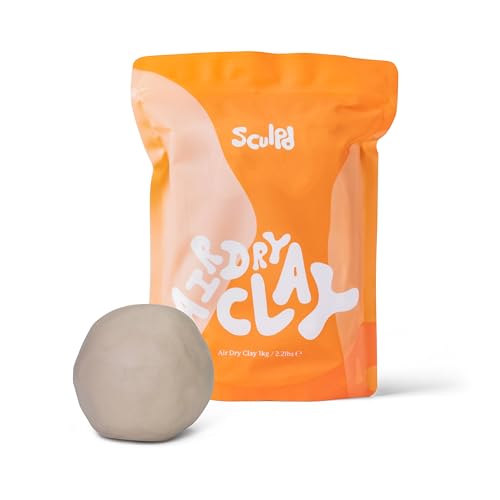
Sculpd Premium Self-Hardening Modeling Clay 2.2lbs Bag

EIGTWEN 50ml Air Dry Clay Glaze

Artsity White Air Dry Foam Clay 8oz 24-Set

Sculpey Air-Dry Porcelain White 1.1 Pound Bar
More Details On Our Top Picks
A single 1.1-pound brick in clean white makes this the easiest starting point for ornament making at the kitchen table. The texture stays smooth and even while you work, so fingerprints blend out instead of fighting you, and nothing needs an oven or kiln afterward.
In practice, this suits weekend projects: pressed handprints, small figurines, or a batch of stars cut with cookie cutters. Compared with the bulkier AMACO bag further down, this one trades quantity for convenience, which most casual makers will appreciate.
Strong Points
- Air-hardens without baking, so finished ornaments go straight from table to shelf
- Smooth, pliable body that molds cleanly into models, figures, and jewelry shapes
- White base takes acrylic or tempera paint evenly once cured
- Single-brick size stores easily between crafting sessions when wrapped well
Things To Consider
- Dried pieces stay relatively delicate, so thin ornament sections can snap if dropped
- One brick limits how many larger decorations you can complete in a sitting
Who It Suits Best
Beginners and families who want a low-commitment brick for occasional ornament projects.
Where A Sibling Pick Shines
The AMACO 4630-2B suits teachers and group leaders who need ten pounds rather than one.
Ten pounds of white clay changes what’s possible: whole-class ornament sessions, a season’s worth of gifts, or repeated practice without rationing every handful. AMACO built this all-purpose body for sculpting, hand modeling, and even throwing on a potter’s wheel, which few air-dry clays tolerate.
The catch shows up after drying. Pieces harden fully but need gentle handling, and slow, even drying on all sides helps prevent warping. Sealing with shellac adds strength and water resistance, a step worth planning for ornaments that will hang year after year.
Highlights
- Generous 10-pound supply covers classrooms, camps, or a full holiday production run
- Works for wheel throwing as well as hand modeling, rare among self-hardening clays
- Accepts paint decoration and shellac sealing for tougher finished surfaces
- Can also be kiln-fired for makers who later want fired-ceramic strength
Worth Noting
- Dried pieces demand careful handling since thin areas break under stress
- Slow, even drying takes patience compared with faster foam-based clays
- Sealing is effectively required for durable, moisture-resistant ornaments
At A Glance
Made For
Art teachers, camp leaders, and prolific home potters who burn through smaller bricks quickly.
Consider Something Else When
Casual makers doing one or two projects will find the Prang Das brick far less overwhelming.
This European-made bar starts softer than most, which matters more than it sounds. Soft clay kneads out lumps fast, holds crisp edges on stamped ornaments, and tires small hands less during long sessions. One 2.2-pound bar gives you roughly a dozen medium decorations or a pile of small ones.
Once dry, the surface welcomes sanding, polishing, cutting, and varnishing, so you can refine an ornament until it looks store-bought. Acrylics, tempera, and watercolors all bond well, giving you more finishing freedom than the Sculpd grey body reviewed later.
Reasons To Buy
- Soft, easy-kneading consistency that suits classroom and Montessori settings alike
- Air-dries within about a day, keeping project momentum going
- Finished pieces can be sanded, polished, cut, or varnished for refined results
- Adheres over wire, wood, or frame armatures for structured ornaments
Small Caveats
- Open clay dries out quickly, so airtight storage between sessions is essential
- Single-bar format means reordering sooner than with bulk bags
Right Fit For
Hobbyists who paint their ornaments and want a smooth, forgiving surface to work on.
Swap It Out When
Kid-focused gift sets fit better with the colorful Exptolii 24-pack designed for young children.
Twenty-four pre-colored pots remove the paint step entirely, which is exactly what young ornament makers need. Each piece runs about 13 grams, enough for a small star, heart, or animal charm, and the included sculpting tools give kids something to shape with beyond their thumbs.
The formula is non-sticky, odor-free, and made to meet ASTM D-4236 and EN-71 safety standards, reassuring details for parents of three-year-olds. Note that this clay must never go in the oven; it cures by air alone within about 24 hours.
Plus Points
- No painting needed since every color arrives ready to shape
- Non-toxic, non-sticky formula that cleans off hands and tables easily
- Sculpting tools included, so the set works straight out of the box
- Small portions suit short attention spans and reduce waste
Points To Note
- Roughly 13 grams per color limits ornament size to small charms and figures
- Oven-baking is not possible with this foam-style clay
- Pots left open dry out fast, so resealing after each session matters
Quick Facts
Who Will Love This
Parents and grandparents crafting with children aged three and up who want instant color variety.
Another Choice May Suit
Families preferring one big white block to paint together may like the Artsity foam clay set better.
Detail work separates a handmade ornament from a lumpy one, and ReArt’s ultra-fine grain is built for exactly that. This natural earth clay carries exceptional plasticity, meaning it stretches and bends without tearing, so petals, folds, and facial features hold their shape.
Cured strength is the other headline claim: minimal shrinkage, no crumbling, and a hardened body you can carve, sand, or drill. Quarter-inch sections dry within a day, and ambitious users can still kiln-fire it later. Against the Pepy bar above, ReArt leans harder and more sculptural rather than soft and quick.
Bright Spots
- Ultra-fine grain captures intricate detail for realistic ornament figures
- Cures strong with minimal shrinkage, reducing cracked or warped results
- Hardened pieces accept carving, sanding, and drilling for post-shaping refinement
- Optional kiln firing leaves a path toward traditional ceramic durability
Softer Spots
- Thicker sections take longer than a day to cure fully through
- Firmer feel demands more hand strength than foam clays, tiring younger kids
Whose Shelf It Belongs On
Intermediate sculptors and patient beginners chasing detailed, durable keepsake ornaments.
Reach For A Different Pick When
Speed matters more than detail, and the Pepy 2.2 lb bar’s softer body fits quick family sessions better.
Clay alone gets you blobs; tools get you ornaments. This plastic kit from LINPHCEY covers the shaping, carving, and texturing steps that turn a flat slab into a snowflake or a name tag, and the easy-grip handles suit tween hands still building control.
It’s rated for ages eight and up plus adults, and the plastic construction means no sharp metal edges to worry about at a crowded craft table. Pair it with any clay in this roundup, though it naturally complements the Exptolii set, whose bundled tools are more basic.
Standout Traits
- Covers sculpting, shaping, and carving in one coordinated set
- Easy-grip plastic design builds confidence in beginner hands
- Safe for supervised use by kids eight and older alongside adults
- Works across air-dry, polymer, and DIY modeling clays
Honest Caveats
- Plastic tips wear down faster than steel tools under heavy studio use
- Clay itself isn’t included, so budget for a separate material purchase
Core Details
Who Should Grab It
Families upgrading a child’s first clay kit, or adults wanting safe, lightweight tools for casual use.
Not Your Match When
Serious sculptors needing precision steel tools should look past this kit entirely.
Most clays here dry white; Sculpd cures to a natural stone-grey that looks finished even unpainted. That single difference reshapes your ornament plans, since minimalist vases, trinket dishes, and Scandinavian-style decorations need no paint at all.
The brand positions its 2.2-pound bag as enough for two people to each complete a couple of projects, which frames it perfectly for a craft night for two. The body feels soft, light, and easy to shape, and the smooth surface takes paint well whenever you do want color.
Upsides
- Stone-grey cured color delivers a modern, unpainted aesthetic
- Soft, light body that shapes easily for beginners and relaxed sessions
- Smooth surface accepts paint cleanly when color is wanted
- Two-person portion sizing suits shared crafting evenings
Minor Gripes
- Grey tone limits traditional bright-holiday ornament schemes unless painted
- Bag storage requires diligent sealing to keep unused clay workable
Best Suited To
Adult duos and minimalist decorators who prefer muted, natural-looking finished pieces.
Look Elsewhere When
Classic white-and-red holiday palettes are easier with the Pepy white 2.2 lb bar.
Here’s the step most ornament guides skip: sealing. Unsealed air-dry clay absorbs moisture, scuffs, and dulls over time, especially on pieces hung near windows or handled often. This 50ml glaze brushes on and dries to a transparent, high-gloss film that guards against scratches and everyday abrasion.
The maker describes the cured layer as watertight and fireproof, claims worth reading carefully rather than assuming, but the visible result is consistent: brighter color and a ceramic-like sheen. Think of it as the clear coat on a car, invisible until the shine appears.
Positives
- High-gloss transparent finish mimics glazed ceramics on dried clay
- Protective film resists scratches, scuffs, and surface wear
- Watertight layer helps ornaments survive humid rooms and handling
- Small 50ml bottle covers plenty of small-to-medium decorations
Trade Offs
- Gloss effect won’t suit matte or rustic ornament styles
- Application takes patience; drips show on detailed surfaces
Details At A Glance
The Right Fit
Anyone finishing painted ornaments destined for yearly handling and display.
Where Another Pick Suits Better
Matte-finish fans should skip gloss entirely and rely on the ReArt clay’s natural cured surface.
Ultra-light foam clay squishes differently from earth clay: softer, springier, and far kinder to preschool fingers. Twenty-four individually bagged 0.33-ounce portions of white total 8 ounces, letting several children share one set without arguing over portions.
The non-toxic molding compound is aimed at ages three through twelve, and cleanup reportedly stays simple since the material doesn’t stick stubbornly to tables or clothes. Painted afterward, these lightweight ornaments hang nicely on branches without weighing them down, unlike denser clays such as the AMACO.
What We Like
- Individual 0.33oz bags make sharing and storage effortless
- Ultra-light cured pieces hang on trees without bending branches
- Soft texture builds fine motor skills in very young children
- Low-mess formula simplifies post-craft cleanup
Areas To Watch
- Foam body lacks the heft and detail-holding of true mineral clays
- Eight ounces total goes quickly with a full group of kids
Perfect Match For
Preschool teachers and parents of toddlers through tweens running group craft time.
Skip It When
Adults seeking dense, carveable material will prefer the ReArt 2.2-pound block instead.
Porcelain-style clay earns its reputation through delicacy, and Sculpey’s version targets experienced makers specifically. Realistic flowers, doll features, and intricate jewelry components all benefit from the fine, porcelain-like character that ordinary earth clays can’t quite match.
It conforms to ASTM D-4236 and EN 71 safety standards and stays non-toxic, useful knowledge for shared studios. Air drying takes about 24 hours with no oven involved, and the 1.1-pound bar suits focused, detail-heavy work rather than bulk production.
Best Bits
- Porcelain-like body renders lifelike flowers and fine jewelry detail
- Meets ASTM D-4236 and EN 71 safety standards
- Air-dries in roughly 24 hours without any oven or kiln
- Well suited to classrooms, camps, and oven-free environments
Room For Improvement
- Delicate cured pieces chip more readily than sturdier earth clays
- Steep learning curve frustrates absolute beginners
Feature Snapshot
Built With In Mind
Experienced crafters sculpting botanical ornaments, dolls, and fine jewelry accents.
Wrong Turns To Avoid
First-timers will get friendlier results from the Prang Das brick before graduating here.
What Matters Most Before Choosing Air Dry Clays For Ornaments
Material Type Shapes Everything
Earth-based clays like DAS, AMACO, and ReArt dry hard and dense, ideal for keepsakes that survive years in a storage box. Foam clays such as the Exptolii and Artsity sets stay light and slightly flexible, better matched to small children and tree-hung decorations. Neither is superior; they simply serve different hands and different shelves.
Quantity Versus Commitment
A 1.1-pound brick covers a weekend of small projects, while AMACO’s 10-pound bag sustains a classroom for weeks. Buying too much leads to dried-out waste, since opened clay degrades without airtight storage. Estimate your real output honestly before choosing size.
Finishing Plans
Decide early whether you’ll paint, seal, or leave pieces natural. White bodies accept any color scheme, Sculpd’s stone-grey suits minimalist decor, and glossy sealants add durability but change the look. Your finishing choice should drive the clay choice, not the reverse.
Skill And Supervision Level
Foam clays forgive everything and suit ages three and up. Porcelain-style and fine-grain clays reward patience and steady hands. Matching difficulty to the crafter prevents frustration on both ends.
Key Considerations Across These Picks
Traps First Timers Fall Into
The most common mistake is buying a huge bag before confirming you enjoy the hobby, then watching half of it harden in storage. Another frequent slip is ignoring dry times: thick sections need days, not hours, and rushing the process invites cracks. Skipping the sealing step on keepsakes is the third, since unsealed clay marks and dulls with handling.
The Case For Spending Up
Premium clays justify their cost through finer grain, less shrinkage, and stronger cured bodies, which translate directly into sharper ornament detail and fewer broken corners. Budget options remain excellent for practice and kids’ crafts. Pay more once your skills demand precision the basics can’t deliver.
Frequently Asked Questions
How long does air dry clay take to harden?
Most products listed here cure within about 24 hours for quarter-inch thicknesses. Thicker sections need additional days, so plan ornament schedules around slow, even drying.
Do air dry clay ornaments need sealing?
Unsealed clay absorbs moisture and scuffs with handling, so sealing extends life considerably. A gloss glaze or shellac both work, depending on the finish you want.
Can you bake air dry clay to speed things up?
Standard air-dry formulas aren’t designed for oven curing, and foam clays explicitly forbid it. Heat causes cracking or structural damage, so patience remains the reliable route.
Which clay works best for kids’ ornaments?
Foam-based sets like the Exptolii 24-color pack suit young children best thanks to soft texture and pre-mixed colors. They’re non-sticky, forgiving, and sized for small hands.
Can air dry clay ornaments hang outdoors?
Air-dry pieces soften and degrade with rain and humidity, so outdoor display isn’t advisable. Even sealed ornaments last longest indoors away from direct weather exposure.
Closing Thoughts
Your best match depends on who’s crafting and where the ornaments will live. Families with young kids get the most joy from the colorful foam sets, while serious sculptors should reach for ReArt or Sculpey’s porcelain bar. Casual makers wanting one dependable brick rarely go wrong with DAS or Pepy. Whichever you choose, wrap leftovers tightly, dry pieces slowly, and seal anything meant to become a yearly tradition.
