
Air dry clay solves a problem every home crafter knows well: you want to sculpt something real without owning a kiln or babysitting an oven. These ten options cover the whole range, from single bricks of professional-grade modeling clay to rainbow kits built for small hands. Whether you’re stocking a classroom, filling a rainy afternoon with your kids, or working on your own sculpture practice, there’s a fit here. The short version: match the clay to the project size and the age of the hands doing the work.
The Shortlist At A Glance

Prang Das Air Hardening Clay White 1.1 Lb

AMACO 4630-2B Air Dry Modeling Clay White 10-Pound

AMACO 4630-3C Air Dry Modeling Clay Gray 10-Pound

Pepy Premium European Air Dry Modeling Clay White 2.2 lb Bar

Exptolii Air Dry Clay 24 Colors for Kids

Xuyyicao 36 Colors Air Dry Clay with Tools

FlyFlag Air Dry Clay 100 Colors Ultra Light
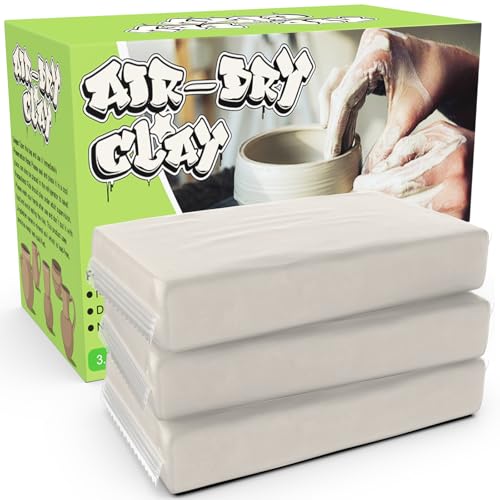
Aujazyble Pottery Clay for Kids 3.3 lbs
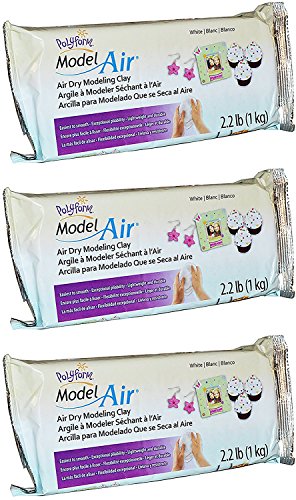
Sculpey Model Air White Dry Clay 2.2 Lbs Pack of 3

Cra-Z-Art Air Dry Clay 5lb Bucket Natural White
More Details On Our Top Picks
DAS has been a studio staple for decades, and this white brick shows why. The texture is smooth and even right out of the package, so it takes detail work without fighting back, and it hardens at room temperature with no oven involved.
At 1.1 pounds, one brick covers a solid weekend of figurines, jewelry blanks, or decorative pieces. In our view it’s the easiest starting point here for anyone new to sculpting who doesn’t want to commit to a bulk purchase yet.
Strong Points
- Air-hardens on its own, so no kiln or oven time eats into your crafting session
- The even, pliable body holds fine detail in jewelry and small figures better than grittier clays
- Single-brick sizing keeps storage simple in a drawer or craft bin
- Takes paint well once cured, which opens up finishing options
Things To Consider
- One brick goes fast on larger projects, so plan ahead or buy multiples
- Like most air dry clays, dried pieces stay somewhat fragile, so thin limbs and delicate edges need gentle handling
Key Specs
Who It Suits Best
Beginners and hobbyists who want dependable, smooth clay in a manageable quantity for small-to-medium projects.
Where A Sibling Pick Shines
For bigger sculptures or repeated wheel work, the AMACO 4630-2B 10-pound block gives you far more material per purchase.
This is the workhorse of the list. AMACO’s all-purpose formula handles hand modeling, sculpting, and even throwing on a potter’s wheel, which few air dry clays can claim. Ten pounds is roughly enough clay for months of regular studio sessions.
The trade-off worth knowing: pieces dry hard but stay breakable, so finished work needs careful handling and ideally a sealant coat. Slow, even drying on all sides helps prevent cracks, especially on thicker forms.
What We Like
- Versatile enough for wheel throwing, not just hand building
- Bulk quantity keeps cost per project low for frequent makers
- Accepts paint decoration and shellac sealing for added strength
Worth Noting
- Dried pieces are brittle compared to fired ceramics, so display them where bumps are unlikely
- Large blocks need wrapping between sessions or the exposed surface dries out
Right Fit For
Intermediate sculptors, pottery students, and anyone producing volume who wants an all-purpose body in serious quantity.
Swap It Out When
If gray suits your aesthetic better than white, the AMACO 4630-3C offers the same formula in a stone-toned finish.
Same trusted AMACO body as the white version above, but in a natural gray that reads like actual stoneware. For realistic animal figures, busts, and architectural models, that neutral tone saves you a base-coat step before painting.
You get the full versatility package here too: hand modeling, sculpting, and potter’s wheel work all behave well. Owners commonly report that slow, even drying matters just as much with this variant, so rotate thick pieces as they cure.
Highlights
- Gray tone mimics fired stoneware, ideal for unpainted display pieces
- Handles wheel throwing alongside traditional hand-building techniques
- Can be decorated with paint and sealed with shellac once fully dry
Small Caveats
- Finished pieces require gentle handling since air-dried bodies remain breakable
- Gray limits your palette unless you plan to paint over it
Made For
Sculptors chasing a natural ceramic look, plus classrooms teaching wheel basics without kiln access.
Consider Something Else When
Kids’ projects call for softer, lighter material, so the Exptolii 24-color kit is the friendlier option there.
Pepy sits a tier above basic school clays, and the difference shows up the moment you knead it. The bar starts soft, shapes easily by hand, and can also be pressed over wire, wood, or frame armatures for larger builds.
Once cured, the surface sands, polishes, cuts, and varnishes, which gives you real finishing control. That flexibility makes it a favorite in Montessori and classroom settings where students move from rough shaping to refined detail work.
Plus Points
- Soft out of the package, easy for smaller hands to knead and shape
- Adheres over wire, wood, and frame structures for armature-based sculpture
- Dried surface accepts sanding, cutting, varnish, acrylics, tempera, and watercolors
- Air dries within about a day, keeping multi-day lesson plans on schedule
Points To Note
- The 2.2 lb bar costs more per pound than bulk buckets, so heavy users pay a premium
- Unused portions should be wrapped tightly to keep the bar workable between sessions
Quick Facts
Who Will Love This
Educators and detail-oriented hobbyists who want premium handling and finishing flexibility over raw quantity.
Reach For A Different Pick When
Whole-classroom volume matters more than refinement, and the Cra-Z-Art 5-pound bucket stretches further per dollar.
This kit flips the script from sculptor’s clay to play-ready craft set. You get 24 colors at roughly half an ounce each, plus sculpting tools, sized perfectly for little hands making animals, food shapes, and tiny characters.
The formula is non-sticky, odor-free, and air dries completely in about a day. One important note from the manufacturer: this ultra-light clay must never go in the oven, so keep it away from any baking instructions kids might invent.
Bright Spots
- 24 distinct colors mean no paint step, kids build directly in color
- Included tools help small fingers add eyes, textures, and details
- Non-sticky, low-odor formula keeps tables and hands clean during long play sessions
Softer Spots
- Roughly 13g per color runs out quickly on ambitious projects
- Oven-baking is off-limits entirely, which surprises some families used to polymer clay
Who Should Grab It
Parents and gift-givers shopping for children age three and up who want an open-and-play creative activity.
Another Choice May Suit
Older kids craving more variety will outgrow 24 colors fast, so the FlyFlag 100-color set scales better with their ambition.
Step up from the Exptolii kit and you land here: 36 bright colors plus three modeling tools in one package. The extra dozen shades matter more than they sound, because these clays blend freely, letting kids mix custom hues instead of settling for what’s in the box.
The material blends natural resin, water, and pigment into an ultra-light body that’s harmless and environmentally friendly per the manufacturer. Compared to heavier earthen clays, finished pieces stay featherweight, which suits ornaments and fridge displays nicely.
Reasons To Buy
- 36 mixable colors support custom shade blending, a genuine skill-builder for kids
- Three included tools cover shaping, texturing, and detail work
- Ultra-light finished pieces won’t weigh down magnets or mobiles
Minor Gripes
- Individual portions are small, so group settings may need two kits
- Resin-based clay dries out quickly once opened, so reseal unused portions promptly
At A Glance
Whose Shelf It Belongs On
Families with craft-loving kids who’ve already burned through smaller kits and want room to experiment with mixing.
Not Your Match When
Toddlers under three do better with fewer choices, making the simpler Exptolii 24-color set the calmer entry point.
One hundred colors changes the social math entirely. With this many portions, a birthday party, playdate group, or after-school club can all create simultaneously without anyone waiting for a turn with the blue.
The texture runs extra smooth and soft, and the manufacturer notes it’s non-greasy, which parents will appreciate after an hour of enthusiastic squishing. Tutorials come bundled too, giving hesitant kids a starting point before freeform play takes over.
Standout Traits
- 100 colors keep large groups crafting at once with zero sharing friction
- Extra-smooth, soft body suits both novice and confident young sculptors
- Bundled tutorials give structure to kids who freeze without direction
- Color-mixing play doubles as informal learning about shades and combinations
Honest Caveats
- Portions are small individually, best treated as a group or multi-session supply
- Ultra-light formulas can crumble if pieces are made too thin, so encourage chunkier builds
The Right Fit
Party planners, teachers running group stations, and households with multiple craft-hungry children.
Look Elsewhere When
Solo crafters wanting substantial clay per color will find better value in the Xuyyicao 36-color kit’s larger portions.
Most colorful kids’ clays are too light and springy for a spinning wheel. This one isn’t. Aujazyble designed its 3.3 pounds specifically for mini pottery wheels, with a soft, workable body that centers and pulls up into cups, bowls, and pinch pots the way real clay does.
The smart part is the packaging: three individual packs rather than one lump, so an open portion stays fresh while the spares wait sealed. Kids can make cups, bowls, animals, and sculptures either on the wheel or by hand.
Upsides
- Genuinely suited to kids’ pottery wheels, unlike ultra-light craft clays
- Three separate packs preserve freshness across multiple sessions
- Soft, reworkable feel lets kids reshape mistakes instead of starting over
Trade Offs
- Natural white tone means painting happens after drying, adding a second step
- Wheel-thrown walls dry fragile, so handle finished pots with care
Details At A Glance
Built With In Mind
Families who own a kids’ pottery wheel and keep running out of suitable clay refills.
Skip It When
Color-first play matters more than wheel technique, and the Xuyyicao 36-color kit delivers that experience better.
Sculpey brings polymer-clay credibility to the air dry category with this revised formula. The headline difference is weight: finished pieces stay noticeably lighter than earthen-clay equivalents, which matters enormously for earrings, pendants, and wearable crafts.
You receive three 2.2-pound packages, totaling over six pounds, so the supply supports months of jewelry batches or ornament production. The durable cured surface takes sanding and finishing well, and the white base gives paint true color payoff.
Positives
- Lightweight cured pieces stay comfortable as earrings and pendants
- Newer formula improves durability over earlier versions owners remember
- Three-pack supply covers sustained production without frequent reordering
Areas To Watch
- White-only coloring means every piece needs paint or finish for visual interest
- Sealed packages should be used steadily, as opened clay eventually firms up in storage
Whose Shelf It Belongs On
Jewelry makers, ornament producers, and craft sellers who need light, strong finished pieces in volume.
Where Another Pick Suits Better
For wheel-thrown pots and heavier sculptural work, the AMACO 4630-2B’s denser body performs more naturally.
Five pounds in one bucket tells you exactly who this is for: teachers, day care directors, and camp coordinators feeding a crowd of busy hands. Per pound, this is the most economical route on the list, and the lidded bucket doubles as storage between sessions.
The natural white body sculpts and molds predictably, then air dries ready for paint. It won’t match Pepy’s refinement or Sculpey’s lightness, but for open-ended classroom creativity where volume beats finesse, it does the job without fuss.
Best Bits
- Bucket format stores neatly and keeps clay contained between art periods
- Five pounds supports dozens of student projects per purchase
- Simple white base works for handprints, pinch pots, and painted keepsakes alike
Room For Improvement
- Texture is more basic than premium bars, so fine detail work suffers slightly
- Once the bucket seal breaks, the top layer dries faster, so press wrap onto the surface
Core Details
Perfect Match For
Teachers, day care providers, and camp leaders buying clay by the pound for many young creators at once.
A Better Fit Elsewhere
Home users wanting finer handling quality will prefer the Pepy 2.2 lb bar despite its smaller size.
Choosing Between These Clays Without Regret
Match The Body To The Project
Earthen-style clays like AMACO and Cra-Z-Art behave like traditional pottery material: dense, paintable, and best for bowls, figures, and hand-built forms. Ultra-light craft clays such as Exptolii and FlyFlag feel spongy, come pre-colored, and suit quick decorative play. Confusing the two is the fastest way to disappointment, since ultra-light clay won’t throw on a wheel and heavy clay frustrates toddlers.
Think About Drying And Finishing
Most options here cure in roughly 24 hours, though thick sections take longer and benefit from slow, even drying on all sides. Plan your finishing step too: white and gray bodies need paint for personality, while colored kits skip that stage entirely. Sealing dried pieces adds strength, a worthwhile habit for anything handled often.
Size Your Purchase Honestly
A 1.1-pound brick covers a weekend of small projects, while classrooms burn through five pounds surprisingly fast. Buying bulk saves money only when the clay gets used before it dries out in storage, so be realistic about your crafting pace.
Key Considerations Across These Picks
Traps First Timers Fall Into
The biggest mistake is assuming all air dry clay bakes. Several popular kits explicitly forbid oven use, and heating them ruins the piece. Another common slip is storing opened clay unwrapped; pressing plastic wrap directly onto the surface before closing the container keeps it workable for weeks longer.
Where The Extra Money Goes
Premium bars like Pepy and Sculpey charge more for finer texture, better durability after curing, and consistent performance across batches. Casual crafters rarely notice the gap, but anyone selling finished pieces or teaching detailed technique will feel the upgrade immediately.
Frequently Asked Questions
How long does air dry clay take to harden?
Most formulations on this list cure fully within about 24 hours in normal indoor conditions. Thicker pieces can take longer, so allow extra time before painting or sealing.
Can air dry clay go in the oven?
Some products tolerate gentle oven drying, but several colored kids’ kits explicitly prohibit baking and will be ruined by heat. Always check the manufacturer’s directions for your specific clay.
Is air dry clay durable once dry?
Dried pieces become firm but remain more fragile than kiln-fired ceramics, especially at thin edges. A coat of sealant or varnish adds meaningful strength for frequently handled items.
Can you paint air dry clay?
Yes, nearly every option here accepts acrylic, tempera, or watercolor paint after curing. Lighter-colored clays generally give the truest paint results.
How do you keep unused clay from drying out?
Wrap unused portions tightly in plastic wrap, pressing it against the clay surface, then store in an airtight container. Individual sealed packs, like Aujazyble’s three-pack format, make this easier.
Wrap Up
The right clay depends less on brand loyalty and more on honest matching: heavy bodies for wheel work and sculpture, ultra-light kits for colorful kid play, premium bars for detail and jewelry. Start with the smallest quantity that fits your project, learn how each formula dries, and scale up from there. Whichever pick lands in your cart, the fun part is still the same: sitting down and making something with your hands.
