
Air dry clay solves a problem every home crafter knows well: you want to sculpt something today without owning a kiln or babysitting an oven. These clays harden on their own over roughly a day, which makes them a natural fit for kitchen-table projects, classroom lessons, and weekend craft sessions with kids. The catch is that not all air dry formulas behave the same way, and picking the wrong one leads to cracked figurines or crumbly results.
This roundup covers ten options spanning classic white modeling bricks, lightweight Japanese-style clay, colorful kids’ kits, sculpting tools, and even a finishing glaze. Whether you’re a beginner making your first pinch pot or an experienced maker building detailed jewelry pieces, there’s a match here for your project style.
The Shortlist At A Glance

Prang Das Air Hardening Clay 1.1 Lb White

Activa Hearty Soft Clay White 180g

Pepy Premium European Air Dry Modeling Clay 2.2 lb Bar

Air Dry Clay 24 Colors Modeling Clay for Kids

ReArt Air-Dry Clay Modelling 2.2 Pounds White

LINPHCEY Clay Sculpting Tools Kit for Kids Ages 8+
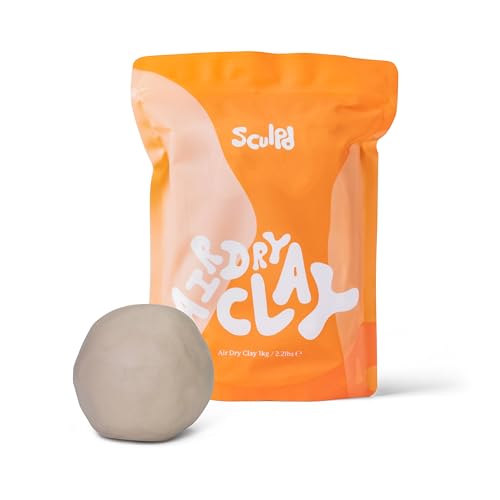
Sculpd Air Dry Clay Premium Self-Hardening 2.2lbs Bag

ESSENSON Air Dry Clay 125 Colors for Kids

EIGTWEN 50ml Air Dry Clay Glaze Gloss Finish

Sculpey Air-Dry Porcelain White 1.1 Pound Bar
More Details On Our Top Picks
DAS has been a staple in art rooms for decades, and this white 1.1-pound brick shows why. The texture is smooth and even right out of the package, so you spend less time kneading out lumps and more time actually shaping. It hardens at room temperature with no oven involved, which makes it a low-stress option for anyone working at a kitchen table.
In practice, this is the kind of clay that suits school projects, decorative figures, and simple jewelry alike. One brick gives a solo crafter plenty of material for several small pieces, though larger sculptures may call for a second bar.
Strong Points
- Smooth, consistent texture means less prep time before sculpting begins
- Air-hardens on its own, so no kiln or oven ever enters the picture
- Versatile enough for models, figures, decorations, and wearable pieces
- The 1.1 lb size covers multiple small projects from one purchase
Things To Consider
- Like most air dry clays, unused portions need wrapping tightly or they’ll dry out in storage
Key Specs
Who It Suits Best
Beginners, students, and general crafters who want one dependable white clay for mixed projects.
Where A Sibling Pick Shines
Makers chasing ultra-fine detail will get more mileage from the Sculpey Air-Dry Porcelain further down this list.
Where the DAS brick above is a generalist, Hearty Soft is a specialist. This lightweight formula from Japan’s Padico line was built for delicate work: miniature food replicas, paper-thin flower petals, and deco sweets that would sag under heavier clay. At 180 grams, the bar is small, but a little goes far because the material stretches thin without tearing.
Owners commonly report that cured pieces stay strong without shrinking or cracking, and the dried surface can be carved, sanded, or drilled like a soft wood. That post-curing workability is rare in this category and worth paying attention to.
Bright Spots
- Lightweight body keeps delicate petals and miniatures from drooping
- Cures with minimal shrinkage, so finished sizes stay true to plan
- Can be carved, sanded, and drilled after drying for refined detailing
- Accepts paint and finishes readily once fully cured
Small Caveats
- The 6.3 oz bar runs small, so bigger builds mean buying multiple packs
- Ultra-soft handling takes a light touch; heavy-handed pressing can distort fine shapes
Right Fit For
Deco crafters and miniature-food artists who prize flexibility and featherlight finished weight.
Swap It Out When
Classroom groups burning through volume will find the Pepy 2.2 lb bar more economical per ounce.
This one earns its spot on sheer practicality. A single 2.2-pound bar of soft, kneadable white clay gives a teacher or Montessori guide enough material for a whole table of students, and the European formulation starts pliable with minimal conditioning. You may find the texture slightly firmer than the Activa pick, but that firmness helps forms hold their shape while young hands work them.
Once dry, the surface accepts acrylics, tempera, and watercolors, and it can be sanded, polished, cut, or varnished. It also works over armatures made of wire or wood, which opens the door to larger sculptural builds than hand-formed pieces alone.
Reasons To Buy
- Full 2.2 lb bar supports group settings and multi-session projects
- Soft start makes kneading and shaping easy for less experienced hands
- Compatible with wire, wood, and frame armatures for bigger builds
- Dried pieces take watercolor through varnish without complaint
Points To Note
- A single large bar means portioning and wrapping leftovers yourself between sessions
Made For
Teachers, homeschoolers, and workshop leaders who need dependable volume at a sensible cost.
Another Choice May Suit
Solo hobbyists wanting finer grain and more plasticity should look at the ReArt clay reviewed next.
Kids don’t want to wait for paint to dry before their dinosaur turns green, and this 24-color kit sidesteps that entirely. Each tub holds roughly 13 grams of soft, non-sticky clay in bright shades, plus a set of sculpting tools for shaping and texturing. The formula is designed for children three and up, and it air dries completely in about a day.
One important note: this magic-style clay cannot go in the oven, so patience is part of the process. In most households that’s actually a feature, since little ones can check on their creations each morning like a slow-blooming garden.
What We Like
- 24 distinct colors spark immediate creativity without any painting step
- Non-sticky, odor-free formula keeps cleanup painless for parents
- Included tools give small hands real shaping control
- Meets ASTM D-4236 and CE (EN-71) safety standards for peace of mind
Honest Caveats
- 13 g portions are snack-sized, so ambitious group projects drain the kit quickly
- Oven baking is off-limits, which rules out any shortcut curing
Quick Facts
Who Should Grab It
Parents and gift-givers shopping for creative kids aged three and up who love instant color.
Consider Something Else When
Older kids craving deeper technique will get more challenge from the LINPHCEY tool kit later in this list.
This is the closest thing on the list to traditional pottery clay that skips the kiln. ReArt uses a natural earth composition with an ultra-fine grain, and that fine body is what lets you pull crisp edges and subtle surface detail that coarser clays blur away. Exceptional plasticity means the material holds up through long working sessions without fighting back.
Quarter-inch sections dry within a day, and thicker builds simply need more patience. Once cured, pieces resist crumbling and can be carved, sanded, or drilled, and the manufacturer notes kiln firing remains an option for those who eventually gain access to one. That upgrade path is genuinely unusual.
Standout Traits
- Ultra-fine grain captures sharp detail for advanced sculpting
- High plasticity supports extended sessions without cracking mid-work
- Cured pieces accept carving, sanding, and drilling cleanly
- Optional kiln firing leaves room to grow into ceramics later
- 2.2 lb quantity suits both practice and finished work
Trade Offs
- Thicker sections cure slowly, so large builds demand staged drying and patience
- Natural earth clay dries out faster in open air than sealed tubs, so wrap promptly
Details At A Glance
Whose Shelf It Belongs On
Intermediate and advanced sculptors who want ceramic-like behavior from a shelf-stable block.
Reach For A Different Pick When
Total beginners may prefer the friendlier DAS brick at number one before committing to a finer-grain formula.
Clay alone only gets you so far; texture lines, clean cuts, and hollowed-out shapes all come from tools. This plastic kit from LINPHCEY bundles a full spread of sculpting, shaping, and carving implements sized for smaller hands, with easy-grip bodies that reduce the hand fatigue kids feel during long craft afternoons. The set is rated for ages eight and up, including adults just starting out.
Plastic construction is the smart call here: nothing sharp, nothing rusting, and everything rinses clean under a tap before clay sets in the seams. Pair it with any of the clays earlier in this list and you’ve got a complete studio in a drawer.
Plus Points
- Easy-grip plastic handles suit younger users during long sessions
- Covers sculpting, shaping, and carving in one coordinated set
- Tools rinse clean easily before residue hardens
- Works with air dry and polymer-style clays alike
Softer Spots
- Plastic tips won’t match steel tools for ultra-fine professional detailing
- Age guidance of 8+ reflects small parts and technique demands
The Right Fit
Tweens, teens, and adult beginners building their first proper clay toolkit.
Not Your Match When
Younger children under eight are better served by the molded-hand-friendly Exptolii 24-color kit instead.
Most clays here dry white and wait for paint. Sculpd takes a different route with a natural stone-grey body that looks finished even bare, which is why the brand built its following around at-home pottery nights for two. The 2.2 lb bag holds enough for a couple to each sculpt several small vessels or trinket dishes in one sitting.
The formula is soft, light, and easy to shape, and the dried surface takes paint smoothly when you do want color. Compared with the ReArt block, this one leans aesthetic rather than technical, and that’s exactly its charm.
Highlights
- Stone-grey tone looks stylish unpainted, saving a finishing step
- Soft, light body shapes easily for relaxed social crafting
- Smooth dried surface accepts paint evenly when color is wanted
- 2.2 lb bag comfortably serves two people per session
Worth Noting
- The grey base shifts how painted colors read compared with white clays
- Bag storage demands a tight seal between sessions to prevent edge drying
Core Details
Best Suited To
Couples, friends, and date-night crafters who value a beautiful raw finish over maximum detail.
Look Elsewhere When
Jewelry-scale precision work belongs with the Sculpey porcelain bar closing out this list.
Take the 24-color kit from earlier and multiply the palette fivefold. ESSENSON ships 125 individual colors, and because shades blend freely, kids can dial in exactly the hue they picture instead of settling for what’s in the box. That mixing behavior quietly teaches color theory while everyone thinks they’re just playing.
Creations air dry fully in about a day, same rhythm as the smaller kits. For siblings, playdates, or classrooms where sharing causes friction, having 125 tubs in circulation ends arguments before they start.
Positives
- 125 colors remove nearly every “there’s no blue left” dispute
- Shades blend together for custom color matching
- Overnight air drying fits neatly into daily routines
- Supports fine motor skill development through open-ended play
Areas To Watch
- Individual tubs are small, so very large sculptures require combining many colors
- Storage space needs grow with a 125-piece collection
Who Will Love This
Families with multiple children or group settings where variety and sharing both matter.
Skip It When
A single child with modest needs gets equal joy and less clutter from the 24-color Exptolii kit.
Here’s the step most beginners skip and regret. Raw air dry clay stays porous and vulnerable to scuffs, scratches, and moisture even after it hardens. This 50 ml glaze brushes on and cures to a transparent, high-gloss film that shields the surface underneath, giving homemade pieces the shiny, fired-ceramic look without any firing.
The bottle size deserves a mention too: 50 ml covers a surprising number of small pieces, from trinket dishes to bead batches. Apply it in thin coats over fully dried, painted work and let each layer set before adding the next.
Upsides
- Transparent gloss finish mimics the look of glazed pottery
- Protective film guards against scratches, scuffs, and everyday wear
- Small bottle stretches across many finished pieces
- Simple brush-on application suits first-time finishers
Minor Gripes
- Thick single coats can pool or streak, so patience with thin layers pays off
- Works best over completely cured clay; rushing the base leads to cloudiness
Built With In Mind
Anyone finishing keepsake pieces, gifts, or sale-ready crafts who wants durable shine.
Another Choice May Suit
Crafters still choosing their base clay should start with the DAS brick and add this glaze once pieces exist to protect.
Sculpey closes the list with the most demanding, most rewarding formula here. This porcelain-style clay targets experienced makers: realistic flower petals, doll faces, intricate jewelry components, anywhere fine detail and a delicate finished feel matter. It air dries in about 24 hours with no oven, yet behaves closer to true porcelain than any other pick on this page.
The non-toxic formula conforms to ASTM D-4236 and EN 71 standards, and the 1.1 lb bar suits focused project work rather than bulk classroom use. Expect a learning curve; this clay rewards patience with results the softer kits simply can’t reach.
Best Bits
- Porcelain character delivers realistic flowers and delicate jewelry forms
- Air dries in roughly 24 hours without any heat source
- Non-toxic and compliant with ASTM D-4236 and EN 71
- White body paints and finishes beautifully once cured
Room For Improvement
- Finer handling demands make it a poor first clay for young children
- Single 1.1 lb bar limits very large sculptural ambitions
Feature Snapshot
Perfect Match For
Experienced crafters making botanical art, dolls, and intricate wearable pieces.
Where Another Pick Suits Better
Newcomers should build confidence on the forgiving DAS brick before stepping up to this one.
What Matters Most Before Choosing Air Dry Polymer Clays
Texture And Detail Level
Coarse, earthy clays like ReArt hold structure well but soften fine edges, while porcelain-style formulas capture razor-sharp detail at the cost of a steeper learning curve. Match the grain to your ambition: pinch pots forgive almost anything, miniature food does not. Lightweight options such as Hearty Soft sit in between, stretching thin without tearing.
Quantity Versus Project Scale
A 180-gram bar covers weeks of small jewelry work, while a 2.2-pound block suits classrooms, armature builds, or shared craft nights. Buying too little mid-project is frustrating; buying too much risks dried-out waste if storage habits slip. Estimate your largest planned piece, then round up one size.
Drying Time And Working Window
Most picks here cure in roughly 24 hours at moderate thickness, but thicker sections stretch that timeline considerably. Plan layered builds around staged drying, and keep unused clay wrapped airtight between sessions. Humid climates slow everything down, so expect some seasonal drift in your schedule.
Finishing And Safety Needs
Paintable white bodies offer the most flexibility, while pre-colored kids’ kits skip painting entirely. Check safety certifications for anything reaching small children, and budget for a glaze if finished pieces will be handled often. Sealed surfaces last dramatically longer on shelves and in gift boxes.
Key Considerations Across These Picks
Traps First Timers Fall Into
The most common mistake is buying a heavyweight sculpting clay for delicate work, then blaming the clay when petals sag. The second is leaving bags unsealed between sessions; air dry formulas begin curing the moment air touches them. Read the age guidance too, since fine-detail clays frustrate young children quickly.
The Case For Spending Up
Premium clays justify their cost through finer grain, less shrinkage, and cleaner post-drying workability like sanding and drilling. Those traits translate directly into fewer cracked failures and more sellable or giftable results. Casual play rarely needs the upgrade; serious makers usually feel the difference within one project.
Frequently Asked Questions
How long does air dry clay take to harden?
Most formulas in this roundup cure in about 24 hours at a quarter-inch thickness. Thicker sections need additional days, so plan large builds in stages.
Can air dry clay be baked in an oven?
Standard air dry clays harden through evaporation and shouldn’t be baked, which can cause cracking. Some natural earth clays tolerate kiln firing, but always follow the manufacturer’s guidance.
Does air dry clay shrink as it dries?
Some shrinkage is normal, though premium formulas like Hearty Soft minimize it noticeably. Build slightly oversize on dimension-critical pieces.
How do I keep unused clay from drying out?
Wrap it tightly in plastic wrap, then store it in an airtight container away from sunlight. Even then, use opened clay within a few weeks for best results.
Can I paint air dry clay after it dries?
Yes, most white-bodied clays accept acrylics, tempera, and watercolors once fully cured. Seal painted pieces with a glaze for durability.
Wrap Up
Your best choice comes down to the work in front of you. DAS remains the safest all-around starting point, ReArt and Sculpey serve detail-driven makers, and the colorful kits keep younger crafters happily busy. Add the EIGTWEN glaze once your first finished pieces deserve protection, and you’ll have a setup that grows with your skills rather than against them.
