
One machine that handles hemming, quilting, denim repairs, and the occasional costume project saves you from owning three. That’s the promise of a good all purpose sewing machine, and it’s why so many home sewists outgrow their starter models within a year. The ten options below cover everything from simple mechanical workhorses to computerized machines with hundreds of stitch options, plus one thread kit that keeps any of them running smoothly. Match the machine to your projects and skill level, and you’ll spend your time sewing instead of fighting your equipment.
The Shortlist At A Glance

Brother XM3700 Sewing Machine
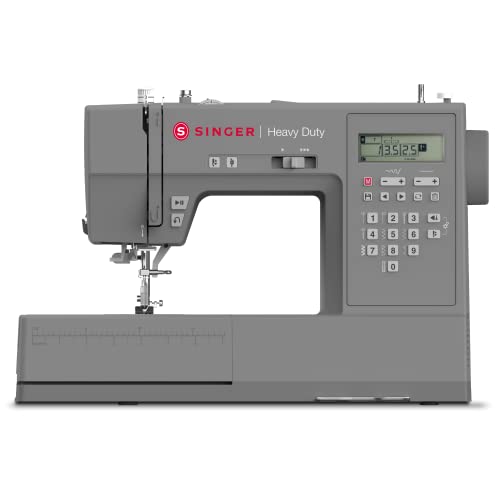
SINGER 6700C Heavy Duty Computerized Machine

Janome JW8100 Computerized Sewing Machine

Brother CS7205 Computerized Machine (White)

Brother FB1757X Mechanical Sewing Machine

SINGER 6380 Heavy Duty Sewing Machine

SINGER Heavy Duty 500 Classic

SINGER 4411 Heavy Duty Machine (Pink)

LIUHG 72Pcs Sewing Thread Kit 36 Colors

SINGER Heavy Duty 6600C Sterling
More Details On Our Top Picks
The XM3700 sits in that sweet spot where a beginner stops feeling like one. Thirty-seven built-in stitches give you room to grow past straight seams into garment construction, decorative topstitching, and light heirloom work without paying for features you won’t touch yet.
In a small apartment or a shared craft corner, the compact footprint matters too. Five included presser feet cover the jobs most people actually do, and the built-in storage compartment keeps them from wandering off into a drawer.
Strong Points
- 37 stitches span utility, decorative, and heirloom work, so the machine grows with your skills
- Zigzag, zipper, blind stitch, buttonhole, and button sewing feet arrive in the box, saving separate purchases
- Onboard storage compartment keeps accessories organized between sessions
- Lightweight body is easy to carry to classes or a friend’s kitchen table
Things To Consider
- Owners commonly report the plastic housing needs gentle handling during transport to stay trouble-free over years of use
Who It Suits Best
A confident beginner or returning sewer who wants decorative options without computerized complexity.
Where A Sibling Pick Shines
Total newcomers who want fewer dials may prefer the simpler Brother FB1757X further down this list.
Where the Brother XM3700 offers a tidy starter set, the 6700C goes wide: 411 stitch applications covering basic, stretch, and decorative work, plus a lettering font for monogramming. That’s enough variety that you’re unlikely to hit a wall on garments, home décor, or personalized gifts.
The heavy duty framing means it doesn’t flinch at denim or canvas either. For someone juggling kids’ clothes repairs and weekend creative projects, one machine genuinely covers both sides of the list.
Highlights
- 411 stitch applications mean stretch fabrics, decorations, and monograms are all handled by one machine
- Lettering font lets you add names and labels directly, useful for kids’ camp gear or handmade gifts
- Accessory kit arrives included, so setup on day one requires no extra shopping
- Heavy duty build suits thicker fabrics that stall lighter machines
Worth Noting
- The sheer menu size can feel overwhelming at first; expect a learning curve before the stitch library feels familiar
- Computerized components mean occasional software-related quirks are more likely than on purely mechanical models, based on widely reported owner feedback
Made For
An intermediate sewist with varied projects who wants maximum creative range under one hood.
Another Choice May Suit
Anyone focused mainly on quilting will find the Janome JW8100’s extension table and hard cover a better match.
The JW8100 reads like a checklist of conveniences: 100 stitches, seven buttonhole styles, a hard cover, an extension table, and 22 accessories. The extension table alone changes how large projects feel, giving quilt tops and curtain panels real support instead of dragging off a narrow bed.
Day-to-day, the built-in needle threader and auto-declutch bobbin winder shave minutes off every session. The backlit LCD screen makes navigation straightforward even in evening lighting, which matters if your sewing happens after dinner.
Upsides
- Extension table supports bulky quilting and home décor projects comfortably
- Hard cover protects the machine during storage or trips to sewing group
- Built-in needle threader reduces eye strain on long sessions
- Seven buttonhole styles handle everything from dress shirts to outerwear
- Backlit LCD screen keeps stitch selection clear in low light
Small Caveats
- With 22 accessories onboard, keeping everything sorted takes some initial organization effort
At A Glance
Right Fit For
Quilters and garment makers who want a complete package rather than piecing together accessories later.
Consider Something Else When
Budget-focused shoppers who mainly mend clothes will get everything they need from the SINGER 4411 below.
Compared to the Janome’s all-inclusive bundle, the CS7205 leans harder into quilting territory. The wide table gives patchwork and free-motion work breathing room, and eleven included sewing feet cover walking, quilting, and zipper duties without extra spending.
The flip chart showing every built-in stitch at a glance is a small thing that pays off daily; you stop scrolling menus mid-project. A lettering font with 55 alphanumeric characters handles basic monogramming too, though it’s not the machine’s main act.
Reasons To Buy
- Wide table stabilizes large quilting projects that overwhelm standard beds
- Eleven sewing feet eliminate most accessory purchases for years
- Flip chart displays all stitches at once, speeding up selection mid-seam
- Lettering font adds simple monogramming for personalizing gifts
Points To Note
- The white finish shows dust and lint buildup quickly, so plan on regular cleaning around the bobbin area
- Some owners report the plastic bobbin cover benefits from careful handling when removed frequently
Who Will Love This
Dedicated quilters and home décor sewists working on bed-sized projects regularly.
Swap It Out When
Garment-first sewists get better value from the SINGER 6700C’s broader stitch applications.
No screens, no menus, just dials. The FB1757X is the machine you hand to someone who has never threaded a needle, and it rewards that simplicity with fewer things to go wrong. Seventeen built-in stitches cover the honest daily workload: hems, patches, straight seams, and basic zigzag work.
The free arm swings out for cuffs and sleeves, and LED lighting over the work area helps with dark threads and late-night mending. It’s the least intimidating option on this list, and that’s precisely its appeal.
Bright Spots
- 17 stitches cover everyday mending and simple garment work without menu confusion
- Free arm makes cuffs, collars, and sleeve repairs far easier
- LED work light improves visibility on dark fabrics and detailed seams
- Mechanical controls mean less can break compared to computerized models
Honest Caveats
- The 4-step buttonhole process takes longer than the one-step systems on pricier picks here
- Limited stitch count means decorative sewists will outgrow it faster than the Brother XM3700
Quick Facts
Whose Shelf It Belongs On
First-time machine owners and casual menders who value simplicity over stitch libraries.
Reach For A Different Pick When
Growing hobbyists planning decorative work should step up to the Brother XM3700’s 37-stitch range.
This is the machine for people whose fabric pile includes denim, canvas, and upholstery scraps. The motor delivers noticeably more torque than standard household units, pushing through layered seams at up to 1,100 stitches per minute without bogging down.
Adjustable presser foot pressure is the quiet hero here: lighten it and the same machine handles sheers and delicate knits gracefully. The bundled extension table and non-stick foot round out a package aimed at serious, varied fabric work.
What We Like
- High-speed motor powers through denim and canvas layers that stall lighter machines
- Adjustable presser foot pressure lets one machine handle both heavy canvas and sheer fabrics
- Extension table supports larger projects like curtains and tote bags
- Non-stick foot glides over leather-like and sticky materials
Trade Offs
- Top speed takes practice; beginners often report uneven seams until they learn throttle control with the pedal
- Higher-speed operation means more frequent lint cleanup around the feed dogs
Best Suited To
Home sewists tackling heavy fabrics regularly, from jeans repairs to outdoor gear.
Not Your Match When
Pure beginners may find the gentler Brother FB1757X easier to learn speed control on.
Most machines look like office equipment; this one looks like it belongs in a sunlit craft room with vintage posters. The retro styling isn’t just skin deep, though. Underneath sits a capable high-speed machine with modern conveniences like a built-in needle threader and drop feed for free-motion work.
The one-step buttonhole is a genuine time-saver compared to multi-step systems. For anyone whose sewing space doubles as a living area, the aesthetics alone justify a closer look.
Plus Points
- Vintage-inspired design looks at home in open living spaces, not hidden away
- Built-in needle threader removes the fiddliest part of setup
- One-step buttonhole produces consistent results in a single pass
- Drop feed enables free-motion quilting and embroidery-style work
Softer Spots
- Style-forward buyers pay a premium over plainer heavy duty models with similar capability, such as the SINGER 6380
Details At A Glance
The Right Fit
Sewists who keep their machine visible in shared spaces and care about looks as much as function.
Look Elsewhere When
Maximum stitch variety matters more than styling; the SINGER 6700C offers far more applications.
The 4411 has long been a staple recommendation for fast, no-nonsense sewing, and this pink edition simply makes it more fun to leave on the table. A stainless steel bedplate lets fabric glide smoothly, and the powerful motor keeps pace at up to 1,100 stitches per minute.
It’s built for throughput: school uniform patches, torn seams, quick tote bags. Compared to the SINGER 500 Classic, you trade vintage charm for a lower entry point into the heavy duty line.
Standout Traits
- 1,100 stitches per minute finishes mending piles quickly
- Stainless steel bedplate reduces fabric drag on long seams
- Powerful motor handles heavy fabrics typical of repair work
- Distinctive pink colorway stands out in shared crafting spaces
Minor Gripes
- Owners commonly note the high top speed demands a light foot on the pedal for precise short seams
- Basic stitch selection limits decorative ambitions compared to computerized picks here
Who Should Grab It
Budget-conscious menders and students who need reliable speed on everyday repairs.
Where Another Pick Suits Better
Those wanting adjustable presser pressure for delicate fabrics should consider the SINGER 6380 instead.
A new machine with no thread is a paperweight, which is why this kit earns its spot alongside nine machines. You get 36 colors at roughly 400 yards per spool, plus matching prewound bobbins, so color-matched top and bottom thread is ready without winding anything yourself.
The polyester construction uses a tight four-ply twist aimed at strength and low lint, which matters because fuzzy thread is a leading cause of tension problems and bobbin-area gunk. Pair it with any machine above and you’re sewing the day it arrives.
Positives
- 36 spools cover nearly any fabric color you’ll encounter in home sewing
- Prewound bobbins save winding time and keep colors matched top to bottom
- Tight-twist polyester resists breaking under machine tension
- Roughly 400 yards per spool supports multiple medium projects per color
Areas To Watch
- Storage matters: keep spools away from direct sunlight to prevent color fading over time
Core Details
Built With In Mind
New machine owners and classroom settings needing a ready-to-use thread supply.
Skip It When
Specialty sewists working with silk or wool thread requirements need dedicated premium spools instead.
This is the ceiling of the heavy duty line here: a metal frame, 100 built-in stitches delivering 215 applications, six one-step buttonholes, and a motor tuned for 1,100 stitches per minute. The 6.4-inch throat space gives bulky projects like quilts and bags noticeably more room than compact machines offer.
Adjustable presser foot pressure keeps sheers workable despite all that power, echoing the flexibility of the smaller 6380 while adding the computerized stitch depth of the 6700C. For frequent sewists, it consolidates two machines’ worth of capability into one.
Reasons To Buy
- Metal frame construction resists vibration and holds alignment through heavy use
- 215 stitch applications span utility, stretch, and decorative work
- 6.4-inch throat space accommodates bulky quilts and bag assemblies
- Six one-step buttonhole styles suit everything from blouses to coats
- Adjustable presser pressure handles lightweight sheers alongside canvas
Room For Improvement
- The weight of the metal frame makes it less portable for classes or travel than lighter picks
- Full feature set takes time to master; expect a steeper ramp-up than mechanical models
Feature Snapshot
Who Should Grab It
Committed home sewists running weekly heavy and decorative projects from one dedicated station.
Another Choice May Suit
Occasional menders will find the SINGER 4411 covers their needs at a friendlier commitment level.
Factors To Weigh Before Choosing All Purpose Sewing Machines
Mechanical Or Computerized
Mechanical machines use dials and levers, which means fewer failure points and a shorter learning curve. They suit menders and beginners who want reliability over variety. Computerized models store hundreds of stitches, automate buttonholes, and often include needle threaders, trading some simplicity for creative range.
Fabric Range You Actually Sew
Denim, canvas, and layered seams demand motor torque and adjustable presser foot pressure, the setting that controls how firmly the foot grips fabric. Sheers and knits need that adjustability in the opposite direction. Honest self-assessment here prevents buying power you’ll never use.
Workspace And Portability
Throat space, the gap between needle and machine body, determines whether a quilt fits comfortably. Weight cuts both ways: heavier frames run steadier, while lighter bodies travel to classes easily. Measure your sewing area before committing to an extension-table model.
Included Accessories
Presser feet, extension tables, and hard covers add real cost when bought separately. Bundles like the Janome JW8100’s 22-piece kit effectively discount your first year of projects, so compare what’s in the box, not just the headline machine.
Key Considerations Across These Picks
Traps First Timers Fall Into
The most common mistake is buying for imaginary projects. A 400-stitch machine gathering dust costs more per use than a simple model sewn weekly. Also check thread and needle availability before choosing an obscure brand; mainstream brands like Brother, SINGER, and Janome make supplies easy to find locally.
When Paying More Pays Off
Higher tiers buy metal frames, bigger motors, automated buttonholes, and wider throat spaces. Frequent sewists recoup that through speed and durability, since a sturdy frame holds stitch quality for years. Occasional menders rarely notice the difference, so match spend to hours used.
Frequently Asked Questions
Can one machine really handle both denim and silk?
Yes, provided it offers adjustable presser foot pressure and adequate motor power. Models like the SINGER 6380 and 6600C are designed for exactly that range.
Do computerized machines break more often than mechanical ones?
They have more electronic components, so software quirks are possible, though quality control is generally solid. Mechanical models have fewer parts that can fail.
How much throat space do I need for quilting?
Around 6 inches or more makes bed-sized projects manageable. Compact machines still work for smaller lap quilts and table runners.
Are prewound bobbins worth having?
For beginners especially, yes. They remove a common source of threading errors and let you start sewing immediately with matched colors.
How often should a home sewing machine be cleaned?
Light lint removal around the bobbin case after every few projects keeps stitching consistent. Heavy fabrics like fleece demand more frequent attention.
Wrap Up
Your best pick depends on honest answers about what you sew and how often. Beginners get the most from the Brother FB1757X or XM3700, quilters should weigh the Janome JW8100 and Brother CS7205, and heavy fabric users belong with the SINGER heavy duty line. Add the LIUHG thread kit to whichever you choose, and your first project can start the day the box opens.
