
Alpaca yarn has a way of spoiling you. It’s warmer than wool at the same weight, softer against the neck, and it drapes in a way acrylic never quite manages. The catch is that not every skein labeled “alpaca” behaves the same, and picking wrong means a scratchy scarf or a sweater that pills after one winter.
This shortlist covers both ends of that spectrum: sequined blends built for statement accessories, workhorse alpaca-acrylic mixes for everyday wear, and pure baby alpaca for pieces you want to keep for years. Each entry below breaks down what the fiber blend actually delivers, where it falls short, and who should reach for it.
The Shortlist At A Glance
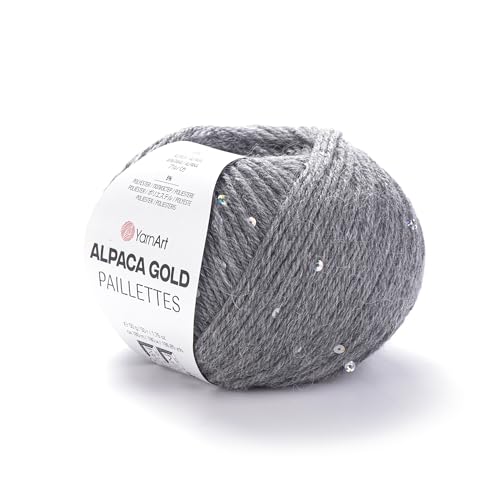
YarnArt Alpaca Gold Paillettes Yarn 50g Skein (9304)

YarnArt Alpaca Gold Paillettes Yarn 50g Skein (9307)

YarnArt Alpaca Gold Paillettes Yarn 50g Skein (9312)

YarnArt Alpaca Gold Paillettes Sequin Blend 50g (9314)

AndeanSun Umayo Alpaca Blend Skeins Dark Navy

AndeanSun Umayo Alpaca Blend Skeins Emerald Green

Alpaca Warehouse Baby Alpaca Yarn 3 Skeins Aqua Blue

Alpaca Warehouse Hand Dyed Baby Alpaca Hank Aqua Reflections

Alpaca Warehouse Origins Baby Alpaca 8 Hanks Assorted
More Details On Our Top Picks
This is the pick for anyone whose project list says “party.” A fine-textured strand carries small paillette sequins along its length, so every stitch catches light without you doing any extra work. The base is mostly acrylic with a fifth of the blend coming from alpaca, which keeps the hand feel soft rather than scratchy.
In practice, that mix suits accessories more than heavy garments. A shawl or wrap worked from a few of these 50g skeins reads as dressy from across the room, and at 180 meters per ball you can plan yardage fairly precisely.
Strong Points
- Built-in sequins mean no beading needle or extra step mid-project.
- The alpaca content softens what could otherwise feel like plain craft-store acrylic.
- Lightweight enough for draped shawls that won’t drag on your shoulders.
- Acrylic dominance makes finished pieces easier to care for than pure animal fiber.
Things To Consider
- Only 20% alpaca, so warmth and loft sit below what pure-fiber picks deliver.
- Sequins can snag on rough needle joins; bamboo or wooden needles tend to behave better here.
Key Specs
Who Will Love This
Knitters making evening accessories, gift scarves, or anything meant to sparkle under indoor lighting.
A Better Fit Elsewhere
For everyday sweaters with real warmth, the AndeanSun Umayo blend offers a higher alpaca percentage and no sequins to fight with.
Same yarn family as the first entry, different colorway, and that’s genuinely the whole decision here. The 9307 shade swaps the palette while keeping the identical recipe: fine strand, scattered sequins, 180 meters per 50g ball. Colorway choice matters more than usual with this line because the shimmer reads differently over dark versus light bases.
You may find this shade works better for lacy openwork, where the sequins sit in the eyelets and catch light between stitches rather than inside dense stockinette.
What We Like
- Consistent spin keeps sequin distribution even across the skein.
- The fine gauge lets you hold it double with a matching solid for thicker winter pieces.
- Finished fabric stays light, so long scarves don’t become neck weights.
Minor Gripes
- Small skeins mean joining ends often on larger projects.
- Like its sibling, it leans decorative rather than hard-wearing.
Made For
Crocheters and knitters building a dressy accessory wardrobe who already know their preferred shade family.
Where A Sibling Pick Shines
If your taste runs to natural tones instead of sparkle, the Alpaca Warehouse Origins set covers that ground beautifully.
A third colorway closes out the Paillettes trio, and it earns its spot for crocheters specifically. Fine-weight yarn with a smooth acrylic majority glides through a hook with less splitting than fuzzy single-ply options, which matters when you’re working tight amigurumi-style tension or detailed edging.
The honest read is that all three versions perform the same; your job is simply choosing the shade that matches the recipient or outfit you have in mind. At 50 grams each, buying several balls is a low-commitment experiment.
Bright Spots
- Smooth ply behavior suits crochet hooks and intricate stitch patterns.
- Sparkle elevates simple patterns like basic beanies into giftable pieces.
- Blended fiber resists the felting worries that come with pure wool.
Softer Spots
- One caution worth noting: sequined yarns generally shouldn’t go near high-heat ironing, so block with steam carefully or skip pressing entirely.
Right Fit For
Crocheters who want an affordable way to add glamour to hats, clutches, and trim work.
Swap It Out When
When the project needs serious warmth, the Alpaca Warehouse baby alpaca three-skein set is the stronger call.
This listing spells things out a little differently, and helpfully so: 197 yards per ball, which translates to roughly a short cowl or a generous pair of fingerless mitts from two skeins. The fiber recipe matches the rest of the line, one-fifth alpaca over an acrylic-polyester backbone, with sequins threaded throughout.
Where it earns its place on this list is sweater accents. Worked as a yoke stripe or cuff detail against a matte solid, it adds just enough shine that people ask about it without the whole garment reading costume-y.
Plus Points
- Yardage is clearly stated in yards, simplifying pattern substitution math.
- Plays well held alongside worsted solids for marled accent sections.
- The polyester sliver helps sequins stay anchored through wear.
Points To Note
- At only 50g, garment-scale projects need many balls, so plan quantity before starting.
- Some knitters report sequined strands catching on metal needle tips; smoother joins help.
Quick Facts
Who Should Grab It
Garment knitters looking for a tasteful shimmer accent rather than an all-over glitter fabric.
Consider Something Else When
Full-skein colorwork fans will get more mileage from the Origins eight-hank assortment later in this list.
Here’s the workhorse of the list. Half the fiber is acrylic for durability, but a full half comes from animal fiber, 35% alpaca plus 15% wool, sourced and spun in Peru. That ratio lands in a sweet spot: warm enough for real winter wear, tough enough for items that get actual use.
The brand specifies US 3 to 5 needles and E-4 to 7 hooks, standard territory for fingering-weight projects. Owners commonly praise how cleanly it defines stitches, which matters enormously for cables and textured patterns where mushy yarn hides your work.
Reasons To Buy
- 657 total yards across three skeins covers socks, a hat, and mittens from one purchase.
- Resists splitting, a genuine relief during fast stockinette runs.
- Fiber is shorn annually as part of routine animal care, a point ethically minded makers appreciate.
- Half acrylic content means finished items tolerate regular washing far better than pure alpaca.
Trade Offs
- The skeins are boutique-sized at roughly five inches tall, so large blankets require multiple sets.
- No sequins or halo here; the finish is understated by design.
Details At A Glance
Whose Shelf It Belongs On
Everyday makers churning out socks, amigurumi, and wearable gifts that need to survive real life.
Not Your Match When
Anyone wanting undyed natural tones for heirloom pieces should look at the Origins collection instead.
Identical specs to the navy version above, different personality. This emerald shade suits makers whose queue skews toward holiday gifting, forest-toned colorwork, or anything destined for someone who finds neutrals boring. Same 35/15/50 blend, same 219 yards per skein, same suggested needle range.
Because the construction matches its sibling exactly, the practical advice doesn’t change: expect crisp stitch definition, easy-care finished objects, and modest skein sizes. Choose between the two purely on color, and honestly, having both opens up two-color hat and mitten sets from a matched pair of purchases.
Highlights
- Jewel-tone saturation holds up in textured stitches and ribbing alike.
- Same proven split-resistant spin as the navy set.
- Peruvian sourcing with annual shearing practices noted by the maker.
Room For Improvement
- Deep saturated shades like this can transfer dye slightly on first washes; wash finished items separately the first time around.
Best Suited To
Gift knitters and colorwork enthusiasts who want dependable fingering weight in a statement hue.
Reach For A Different Pick When
Subtle, tonal palettes are the goal, the hand-dyed Aqua Reflections hank from Alpaca Warehouse fits that mood better.
“Baby alpaca” refers to fleece grade, not the animal’s age; it’s the finest, softest classification of alpaca fiber. This set is 100% of it, four-ply DK weight spun in Peru, and the difference shows the moment you wind a skein. There’s no acrylic buffer here, just fiber with a naturally smooth hand and impressive thermal character for its weight.
Three 50g skeins give you 327 yards total, enough for a substantial scarf or a fitted hat-and-cowl combo. The recommended US 4 to 8 needle span gives you room to knit firm fabric or airy lace from the same ball.
Upsides
- Pure fiber means true alpaca warmth without synthetic dilution.
- Four-ply DK construction resists the thin spots common in loosely spun singles.
- Breathable enough for indoor-wear pieces that don’t overheat.
- Aqua blue photographs beautifully, handy for makers who sell or gift their work.
Small Caveats
- Pure alpaca has little memory, so ribbed cuffs relax over time; blending with a springier yarn helps for fitted garments.
- Hand wash or careful cycle only, as heat and agitation risk felting.
Spec Overview
The Right Fit
Makers stepping up to pure luxury fiber for scarves, shawls, and pieces meant to last years.
Another Choice May Suit
Machine-washable everyday knitting calls for the AndeanSun Umayo blend instead of this delicate pure fiber.
Where the previous pick sells consistency, this one sells character. It’s the same Peruvian baby alpaca in DK weight, but hand dyed, meaning the Aqua Reflections colorway shifts and pools across the fabric in ways no mill-dyed solid can copy. One 100g hank replaces the three smaller skeins format, which some knitters find easier to cake and manage.
Note that hanks arrive twisted, not wound, so a swift or a patient friend with outstretched hands enters the picture before casting on. Variegated colorways also reward simple stitch patterns; elaborate cables can visually disappear under busy color changes.
Standout Traits
- Every hank carries slight variation, giving finished pieces a one-off quality.
- Double the gram weight of standard skeins means fewer joins.
- Thermal properties of baby alpaca remain fully intact despite the dye process.
Honest Caveats
- Requires winding before use, an extra step and ideally extra equipment.
- Hand-dyed lots vary between batches, so buy enough for the whole project at once.
Perfect Match For
Accessory knitters who treat yarn as the design statement and want a cowl or shawl nobody else owns.
Skip It When
Projects demanding exact color matching across sessions are safer with the solid aqua three-skein set above.
Closing the list is the set for planners. Eight mini hanks totaling 200 grams, all 100% baby alpaca in DK weight, all left in natural undyed shades ranging across the fleece’s own palette: creams, fawns, browns, and grays. No dye house decided these colors; the animals did.
That natural spread is practically engineered for colorwork. Fair Isle bands, striped hats, mosaic mittens, and gradient shawls all benefit from a coordinated family of tones that harmonize without effort. Compared to the single-colorway hank earlier in this list, this set trades drama for cohesion.
Positives
- Eight coordinated shades remove color-matching guesswork from stranded projects.
- Undyed fiber appeals to makers avoiding synthetic dyes altogether.
- Mini-hank format lets you sample many colors without committing to full skeins.
- DK weight keeps colorwork motifs legible at standard gauges.
Areas To Watch
- 200 grams total is modest; full-size sweaters need supplementary yarn in matching shades.
- Assorted sets vary, so the exact shade lineup differs from order to order.
Core Details
Built With In Mind
Colorwork knitters and natural-fiber purists building coordinated multi-shade pieces from Peru-sourced fleece.
Wrong Turns To Avoid Here
Single-solid projects waste this set’s range; grab the dedicated aqua skein trio when one color is all you need.
What Matters Most Before Choosing Alpaca Knitting Yarns
Read The Percentage, Not The Label
A tag saying “alpaca” tells you almost nothing. A 20% blend behaves completely differently from 100% baby alpaca, especially in warmth, softness, and price. Check the fiber breakdown first, then match it to the project: blends for hard-wearing daily items, pure fiber for pieces handled gently.
Match Weight Class To Pattern
Yarn weight categories run from lace up to bulky, and alpaca appears across most of them. Fingering (#2) suits socks and lightweight layers, while DK sits in the versatile middle for hats, scarves, and sweaters. Substituting a different weight than your pattern calls for changes gauge, and gauge changes whether the finished piece fits anyone.
Plan Care Before You Buy
Pure alpaca dislikes hot water and agitation, so finished garments need gentle washing and flat drying. Blends with acrylic content shrug off much rougher treatment. Honest question to ask yourself: will this item actually receive that care, or would an easy-care blend serve better?
Buy Enough In One Go
Dye lots shift between production runs, and hand-dyed hanks vary batch to batch. Purchasing all required skeins together avoids the dreaded mid-sweater shade mismatch that no amount of clever patterning fully hides.
Key Considerations Across These Picks
Traps First Timers Fall Into
The most common mistake is ordering based on photo color alone; screens flatter jewel tones and hide undertones. Skein size trips people up too, since 50g balls add up fast on garment projects. Count yardage against your pattern before checkout, not after the box arrives.
When Paying More Pays Off
Higher-tier alpaca costs more because fiber grading, spinning quality, and dye work all scale with price. Pure baby alpaca earns its premium for next-to-skin wear and heirloom intentions. For dishcloths-grade duty or first attempts, a blended option delivers nearly all the experience at a friendlier cost.
Frequently Asked Questions
Is alpaca warmer than sheep’s wool?
Generally yes, ounce for ounce. Alpaca fiber’s structure traps heat efficiently while staying lighter, which is why thin alpaca layers feel surprisingly cozy.
Why does “baby alpaca” matter if it’s not about age?
The term grades fineness of the fleece, the softest classification available. Finer fiber means less prickle factor against skin.
Can I machine wash alpaca yarn projects?
Blends containing acrylic usually tolerate gentle machine cycles. Pure alpaca should be hand washed cool and dried flat to avoid felting.
How much yarn does a scarf need?
A DK-weight scarf typically consumes 300 to 400 yards depending on width and length. The three-skein sets on this list land right in that zone.
Do sequined yarns work for beginners?
They can, though the sequins occasionally catch on needle tips. Simple stitch patterns show them off best and keep frustration low.
Closing Thoughts
There’s a yarn here for nearly every kind of maker. Sparkle seekers have three Paillettes colorways to choose from, practical knitters get the Umayo blend’s durability, and anyone chasing pure luxury can settle into the baby alpaca options with confidence. Match the fiber to the project’s real life, buy enough the first time, and whichever skein you cast on next should serve you well.
