
Anyone who has ever built a figure from clay knows the frustration of a skeleton that slumps halfway through a session. The right aluminum armature wire fixes that problem before it starts, holding your pose while staying soft enough to rework as the piece evolves. This roundup covers nine spools and coils suited to sculptors, jewelry makers, florists, and weekend crafters alike, so you can match gauge and length to the project actually sitting on your bench right now.
The Shortlist At A Glance

Tenn Well 12 Gauge Aluminum Wire 100ft

ouwinway 16 Gauge Silver Craft Wire 154FT

ouwinway 20 Gauge Silver Craft Wire 400FT
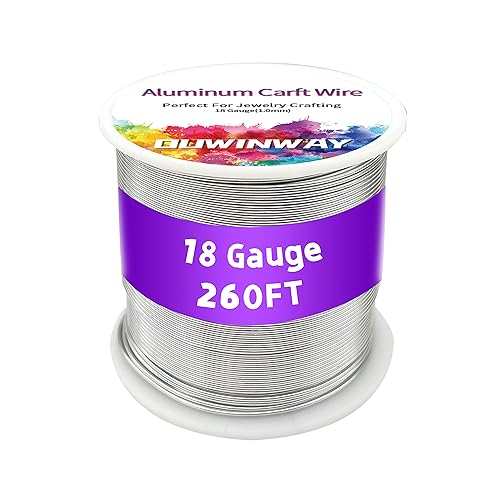
ouwinway 18 Gauge Silver Craft Wire 260FT

KSVZS Aluminum Craft Wire Set with Pliers (Silver)

krastmon 18 Gauge Aluminum Craft Wire 33 Feet

Cadikez 14 Gauge Aluminum Craft Wire 95FT

Jack Richeson Armature Wire 1/4 Inch x 10 Feet

Yountiger 12 Gauge Wire Armature for Dolls
More Details On Our Top Picks
Gauge is the number that decides everything here, and 12 gauge (about 2mm) sits in the sweet spot between structure and forgiveness. It holds an armature pose under clay without fighting your fingers, which matters most during long figure sessions where constant readjustment gets tiring.
The 100-foot run gives you room to fail. You can build a full standing figure, scrap it, and start over without rationing wire, something shorter hobby coils rarely allow.
Strong Points
- The 2mm thickness supports torso and limb weight in clay figures without kinking under pressure.
- Anodized pure aluminum resists corrosion, so unfinished pieces can sit on the shelf for months.
- Cuts cleanly with standard wire cutters, no bolt cutters needed at this diameter.
- Roughly 30 meters means one spool covers several mid-size projects or one ambitious large build.
Things To Consider
- At this gauge, tight spirals and small jewelry loops take real hand strength, and owners commonly report sore thumbs on long sessions.
- Silver is the only finish here, so colorful floral work needs a different pick.
Key Specs
Who It Suits Best
Sculptors working in polymer or air-dry clay who want one dependable spool that handles full-figure armatures.
A Better Fit Elsewhere
Jewelry makers needing finer detail will get more mileage from the ouwinway 20 Gauge Silver Craft Wire 400FT instead.
Where the Tenn Well spool leans structural, this ouwinway roll leans decorative. At 16 gauge, the wire is slim enough to wrap gemstones and form bead links by hand, yet it keeps its shape once bent, which is exactly what pendant and ring work demands.
The surface finish is smooth and even, so finished pieces look polished rather than scratchy against skin. For crafters selling at markets, that presentation difference is not trivial.
What We Like
- Excellent plasticity means shapes hold after bending, reducing rework on wrapped stones.
- A smooth, uniform surface glides through beads without snagging thread or cord.
- 154 feet is plenty for dozens of jewelry pieces before you reorder.
Worth Noting
- Too thin to carry heavy clay loads, so keep it away from serious sculpting duty.
- Fine wire kinks if you yank it off the spool too fast; slow pulls keep it straight.
Right Fit For
Beading and wire-wrapping hobbyists who want a soft, reliable silver wire for wearable pieces.
Swap It Out When
Doll builders needing thicker limb support should step up to the Yountiger 12 Gauge Wire Armature for Dolls.
This is the volume play of the ouwinway family. Four hundred feet of 20 gauge wire sounds abstract until you realize a single coiled gemstone pendant might use two feet, meaning this spool could realistically outfit years of wrapping sessions.
Because it shares the same smooth finish and easy plasticity as its 16 gauge sibling, you can mix both on one project: heavier 16 gauge for the frame, this finer wire for the decorative weave.
Highlights
- Enormous yardage makes practice cheap, ideal while learning consistent loop spacing.
- Soft temper bends easily with fingers or basic pliers, friendly for arthritic hands.
- Works well for floral stems, wreath accents, and delicate ornament hangers too.
- Same surface quality as the rest of the line, so mixed-gauge pieces look cohesive.
Softer Spots
- At 20 gauge the wire flexes under any real load, so it cannot serve as a primary armature.
- Thin stock tangles easily; storing the spool in a closed box prevents bird’s nests.
Quick Facts
Made For
Wire-wrapping students and prolific jewelry makers who burn through fine wire quickly.
Consider Something Else When
Structural sculptors will find far more support in the Jack Richeson Armature Wire 1/4 Inch x 10 Feet.
Eighteen gauge is the compromise nobody regrets. It sits between the 16 and 20 gauge ouwinway rolls, stiff enough for small armatures and napkin rings, supple enough for wrapped beads and woven pendants.
You may find this the single most useful gauge to keep stocked, since it crosses over between jewelry, floral arranging, and light craft framing without complaint. The 260-foot length lands comfortably between its siblings too.
Plus Points
- Handles light structural jobs and decorative wraps on the same spool.
- Smooth colored finish elevates visible wirework like ear cuffs and cuffs-style bracelets.
- Long enough for classroom or group craft settings where several people share one roll.
Points To Note
- Not rigid enough for load-bearing clay sculptures; plan on pairing it with a thicker core.
- Like most soft aluminum, repeated sharp bends at one spot eventually weaken the strand.
Who Will Love This
Mixed-media crafters who bounce between jewelry, home decor, and seasonal projects week to week.
Reach For A Different Pick When
Maximum yardage at a finer gauge matters more than versatility, in which case the ouwinway 20 Gauge Silver Craft Wire 400FT wins on sheer quantity.
Starting from zero usually means three separate purchases: wire, thinner wire, and pliers. KSVZS bundles all three, pairing a hefty 164 feet of 16 gauge with 32.8 feet of finer 18 gauge plus a pair of pliers, so a first-time crafter can open the box and start bending immediately.
The manufacturer notes the color coating resists flaking, which matters because nothing ruins a finished pendant faster than chipped plating. Each spool also ships on its own storage holder, keeping drawers tidy.
Bright Spots
- Two complementary gauges cover both frame-building and detail work in one kit.
- Included pliers remove the guesswork about what tools fine wire actually requires.
- High-purity solid aluminum stays flexible without snapping during aggressive shaping.
- Individual spools prevent tangling between projects.
Small Caveats
- The included pliers are basic; frequent wrappers often upgrade to spring-loaded ones later.
- Total yardage trails the dedicated ouwinway spools, so heavy users refill sooner.
Details At A Glance
Who Should Grab It
Complete beginners and gift-givers who want a ready-to-use wire crafting kit with no separate tool shopping.
Not Your Match When
Experienced sculptors wanting maximum footage per dollar are better served by the Tenn Well 12 Gauge Aluminum Wire 100ft.
Thirty-three feet does not sound like much next to the 400-foot ouwinway spool, and honestly, it isn’t. What this krastmon roll offers instead is a low-commitment way to test whether wire crafting fits into your routine before stocking up.
In practice, 10 meters covers a holiday wreath, a handful of ornaments, and a few wrapped gifts tags with room left over. Seasonal crafters who touch wire twice a year rarely need more.
Reasons To Buy
- Continuous strand cuts to any length, so there’s no waste on short tasks.
- Soft but strong temper suits wreath forms, garlands, and ornament hooks.
- Small footprint stores easily in a sewing basket or craft caddy.
Honest Caveats
- Runs out fast on anything ambitious; a single large sculpture can consume the whole roll.
- Per-foot cost typically runs higher than bulk spools, a trade-off worth weighing upfront.
The Right Fit
Occasional crafters tackling wreaths, ornaments, and small floral projects a few times a year.
Another Choice May Suit
Weekly jewelry makers will exhaust this quickly and should look at the ouwinway 18 Gauge Silver Craft Wire 260FT for better longevity.
Step up to 14 gauge and the wire starts behaving like a skeleton rather than an accent. At 2.0mm thick, this Cadikez roll carries meaningful clay weight, making it a natural choice for busts, animal figures, and stop-motion puppets that need limbs to stay put.
The tarnish-resistant coating helps here too, since armature ends often poke through the clay surface and stay exposed. Ninety-five feet splits neatly between several medium builds.
Standout Traits
- Thicker cross-section provides genuine skeletal support for larger figures.
- Coating holds up against rust and fading on exposed wire ends.
- Still bendable by hand, unlike steel armature rod that demands pliers and patience.
Areas To Watch
- Hand fatigue sets in on tight bends; many users keep pliers nearby for sharp corners.
- Too stout for delicate beadwork, so it complements rather than replaces finer spools.
Spec Overview
Best Suited To
Sculptors building medium-to-large clay figures who need dependable internal structure.
Look Elsewhere When
Truly massive installations call for the quarter-inch heft of the Jack Richeson Armature Wire 1/4 Inch x 10 Feet.
Art-supply staple Jack Richeson sells this coil specifically for sculpture studios, and the quarter-inch diameter tells you why. This is wire meant to anchor fifty pounds of wet clay, the kind of backbone a standing figure or life-size bust genuinely requires.
Only ten feet comes on the coil, which sounds limiting until you remember a single large armature rarely consumes more. The aluminum composition tolerates being bent over and over as a sculptor sketches in three dimensions, then straightened again.
Upsides
- Quarter-inch thickness anchors heavy clay loads that would collapse thinner wire.
- Repeated re-bending lets you revise poses throughout a long build.
- Non-corroding material plays well with damp clays and mixed media.
- Trusted art-supply brand commonly found in classrooms and studios.
Minor Gripes
- Hand bending takes real effort; most sculptors use a vise or heavy pliers for initial curves.
- Short 10-foot coil means buying multiple units for big or multi-figure projects.
Core Details
Whose Shelf It Belongs On
Art students and professional sculptors working large-format clay pieces in a studio setting.
Where A Sibling Pick Shines
Hobbyists with lighter projects get easier handling and more footage from the Cadikez 14 Gauge Aluminum Craft Wire 95FT.
Doll and figure makers have particular needs: thin enough to pose tiny limbs, strong enough that an arm doesn’t droop after a week on the shelf. Yountiger markets this 12 gauge roll directly at that crowd, and the sizing math works out well for dolls in the six-to-twelve-inch range.
One thing worth considering is the short run. At 16.4 feet per roll, this is a focused purchase rather than a workshop staple, though the rust-free solid aluminum means leftover wire stays usable indefinitely.
Positives
- 2mm thickness gives doll limbs realistic pose retention without bulk.
- Solid aluminum construction resists rust and tarnish inside cured bodies.
- Soft enough to twist joints by hand, no tools required for basic posing.
Trade Offs
- Just over five meters per roll, so prolific doll makers will want several rolls.
- Stiffer than jewelry-grade wire, which limits its use for fine wrapping.
Built With In Mind
Art doll creators and stop-motion hobbyists posing small figures repeatedly over long projects.
Skip It When
General sculptors wanting bulk footage will find the Tenn Well 12 Gauge Aluminum Wire 100ft far more economical per foot.
Choosing Between Gauges And Lengths Without Guesswork
Match Gauge To The Job
Gauge numbers run inversely to thickness, so 20 gauge is fine and 1/4 inch is stout. Clay sculptors generally want 12 to 14 gauge for the main skeleton, while jewelry wrappers live down at 16 to 20 gauge. Buying one spool of each end of your range covers most projects gracefully.
Length Reflects How Often You Craft
A 33-foot roll suits someone crafting seasonally, while daily wrappers burn through hundreds of feet a year. Estimate your usage honestly: running dry mid-project is more annoying than storing an extra spool.
Material And Finish Matter More Than They Seem
Pure anodized aluminum resists corrosion and cuts cleanly, which matters whenever wire ends stay exposed. Softer tempers protect your hands during long sessions, though they sacrifice some rigidity for heavy loads.
Starter Kits Versus Dedicated Spools
Bundle kits with pliers lower the entry barrier and make sensible gifts. Experienced crafters usually outgrow them quickly and switch to single-gauge bulk spools matched to their specialty.
Key Considerations Across These Picks
Traps First Timers Fall Into
The classic mistake is buying one gauge and forcing every project onto it. Fine wire collapses under clay; thick wire fights every jewelry loop. A second common slip is ignoring length economics, since small rolls cost noticeably more per foot than bulk spools over a year of crafting.
When Paying More Pays Off
Higher-tier spending buys purity, coating quality, and consistency. Anodized finishes resist flaking, high-purity aluminum bends without snapping, and studio brands like Jack Richeson hold tolerances across the whole coil. Casual crafters won’t notice; anyone selling finished work will.
Frequently Asked Questions
What gauge works for clay sculpture armatures?
Most sculptors choose 12 to 14 gauge for the main skeleton because it supports clay weight without kinking. Larger figures benefit from quarter-inch stock like studio armature wire.
Can aluminum wire be bent by hand?
Yes, and that’s its main advantage over steel. Thinner gauges bend easily with fingers, while 14 gauge and above go faster with pliers.
Does aluminum craft wire rust?
Solid aluminum does not rust the way iron-based wires do. Anodized or coated versions add extra protection against tarnish on exposed ends.
How much wire do I need for a jewelry hobby?
Casual wrappers often use 50 to 150 feet per year depending on output. A 150 to 400 foot spool typically covers a year or more of regular making.
Is armature wire reusable?
It can be straightened and rebent several times, especially softer aluminum. Repeated sharp bends at one point eventually weaken the strand, so fresh wire is safer for final pieces.
Closing Remarks
The right wire really comes down to matching gauge to your main craft, then buying enough length that you’re not rationing mid-project. Sculptors should start with the Tenn Well or Cadikez rolls, jewelry makers with the ouwinway range, and true beginners with the KSVZS kit. Whichever direction your bench pulls you, one well-chosen spool beats a drawer full of mismatched ones.
