
A shredded sofa arm or a clawed-up doorframe can turn any cat household into a daily negotiation. The right anti-scratch spray gives you a quiet way to redraw those boundaries without yelling, spraying water bottles, or locking anyone in another room. This roundup walks through ten options built around plant-based scents, bitter tastes, and calming formulas, so you can match one to your cat’s habits instead of guessing.
The Shortlist At A Glance

reatoy Cat Deterrent Spray for Furniture Protection 5.07 Fl Oz

Comfort Zone Spray & Scratch Control Cat Calming Spray 2 x 2 Oz

Parsca Cat Repellent Spray Indoor & Outdoor 120 ML

SINROBO Plant-Based Cat Deterrent Spray Anti-Scratch & Chewing Control
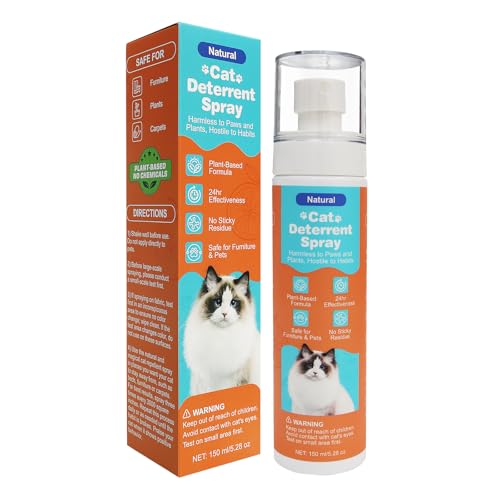
PerkPaw PetCare Natural Cat Repellent Spray Citrus Scent 150ml
Dexcatly Cat Deterrent & Repellent Spray Anti-Scratch Training Aid 8OZ 2 Pack

FANGCUN Cat Deterrent Spray Indoor & Outdoor 2Pack Natural Repellent

JSZWZJ Cat Deterrent Spray 2 Pack Effective Cat Repellent Spray
IMFCYLQ Cat Deterrent Spray for Furniture Natural Cat Training Spray 2 Pack

QHZ Bitter Apple Spray for Cats No Chew Training Spray 150ml
More Details On Our Top Picks
The reatoy bottle leans on an invisible scent barrier rather than punishment, which matters when you’re trying to protect a sofa corner without turning your living room into a standoff zone. Its plant-based formula suits both indoor spots like curtains and rugs and outdoor areas such as patio furniture.
What sets this pick apart is the structured routine behind it: apply once or twice daily during the first couple of weeks, then taper off as your cat learns the boundary. That consistency-first approach is exactly what behavior-focused owners tend to need most.
Strong Points
- Scent barrier works even while you’re away from home
- Plant-based formula avoids harsh punishment methods
- Clear tapering schedule builds lasting habits over weeks
- Handles scratching, chewing, and urine marking in one bottle
Things To Consider
- You’ll need to reapply after cleaning treated surfaces
- Results depend on sticking to the early-week schedule
Key Specs
Who It Suits Best
First-time cat owners who want a defined training plan rather than guesswork will get the most out of this bottle.
A Better Fit Elsewhere
Owners dealing mainly with anxiety-driven marking may find the Comfort Zone calming spray addresses the root cause more directly.
Where reatoy pushes a cat away from a surface, Comfort Zone works the opposite direction: it calms the cat so the destructive urge fades on its own. The drug-free, unscented mist is designed to reduce urine marking and limit scratching by creating a more relaxed environment, which makes it a different tool entirely from the citrus-and-bitter sprays elsewhere on this list.
It’s also fabric-friendly, clearing upholstery, hardwood, and doorframes without staining, and the twin two-ounce bottles mean you can keep one at home and one in the carrier. Vet visits and car trips are where this format earns its keep.
What We Like
- Drug-free approach suits cats sensitive to strong scents
- Safe on fabrics, hardwood, and painted doorframes
- Two small bottles travel easily to vet appointments
- Addresses marking and scratching through calm, not avoidance
Worth Noting
- Smaller total volume than the multi-ounce single bottles here
- Calming effects vary noticeably from cat to cat
Right Fit For
Nervous cats whose scratching spikes around moves, new pets, or clinic visits respond best to this style of support.
Swap It Out When
Pure territorial scratchers with no anxiety component are usually better served by the QHZ bitter apple spray further down.
The Parsca bottle positions itself as gentle guidance rather than deterrence, framing the mist as a training signal that steers your cat toward better choices. In practice that means you treat the specific trouble zones, whether that’s a potted monstera or the arm of a reading chair, and let the natural scent do the persuading.
At 120 milliliters it’s one of the smaller formats here, which cuts both ways. Apartment dwellers treating two or three spots will find it lasts comfortably, while anyone covering a whole sectional plus curtains may burn through it faster than they’d like.
Highlights
- Natural formula keeps training kind and low-stress
- Works on furniture, rugs, plants, and restricted zones
- Compact bottle stores neatly in a cabinet or closet
Small Caveats
- Four-ounce size demands frequent reapplication in larger rooms
- Manufacturer shares limited ingredient detail publicly
Made For
Renters and apartment owners protecting a handful of targeted surfaces will find this size genuinely convenient.
Reach For A Different Pick When
Households needing bulk coverage across several rooms should step up to the Dexcatly eight-ounce two-pack instead.
Plenty of sprays say “natural” without showing their work. SINROBO actually lists its ingredient deck: peppermint leaf extract, chrysanthemum extract, grapefruit peel oil, rosemary leaf oil, glycerin, and a bittering agent suspended in water. For anyone who reads labels before letting a product near their pet, that transparency is worth real weight.
The dual scent-plus-bitter design targets both sniffers and chewers, discouraging sofa scratching, cord gnawing, and counter jumping alike. Compared with the Parsca bottle above, you trade a smaller footprint for a fuller disclosure sheet and broader chewing coverage.
Bright Spots
- Full ingredient list published for label readers
- Bittering agent adds a taste deterrent beyond scent alone
- Peppermint and citrus oils are scents cats naturally avoid
- Doubles as a chewing control aid, not just anti-scratch
Points To Note
- Single-bottle format means reordering sooner than two-pack rivals
- Essential oil scents linger briefly on treated fabric
Quick Facts
Who Will Love This
Owners of chronic chewers who want every ingredient spelled out before spraying the couch will appreciate this one.
Consider Something Else When
Shoppers prioritizing sheer volume per dollar will get better mileage from the IMFCYLQ two-pack later in this list.
Citrus is the classic feline turn-off, and PerkPaw builds its whole formula around it, blending citrus and peppermint essential oils into a mist that reads as pleasant to human noses and unwelcome to whiskered ones. At 150 milliliters it sits mid-pack on volume, generous next to the Parsca bottle yet lighter than the eight-ounce Dexcatly pair.
The brand also commits to leaving no stains and no harsh chemicals, which matters if you’re treating a linen headboard or a wool rug you can’t easily clean. Garden use is fair game too, so outdoor planters and patio cushions fall under the same umbrella.
Plus Points
- Citrus-peppermint blend smells fine to people, off-putting to cats
- No-stain claim protects delicate fabrics and rugs
- Covers scratching, chewing, and territory marking together
- Works indoors and out, including garden beds
Honest Caveats
- Essential-oil scents fade within days, so expect a re-spray rhythm
- Cats with strong citrus tolerance may ignore it entirely
Details At A Glance
Who Should Grab It
Households mixing indoor furniture protection with outdoor planter defense get the widest use from this bottle.
Not Your Match When
Anyone focused purely on anxiety-related marking will likely see better results with the Comfort Zone calming spray.
Sixteen total ounces across two bottles is the headline here, and for larger homes it changes how you use the product. Instead of rationing sprays on one endangered armchair, you can station a bottle upstairs for the bedroom headboard and keep the other downstairs for the sectional, cutting the friction that makes people abandon training routines.
The plant-extract formula is described as safe around humans, cats, dogs, and other household pets, with a fresh scent meant to repel without irritating. Multi-pet homes juggling a curious dog alongside the cat will find that flexibility reassuring.
Standout Traits
- Two eight-ounce bottles cover multiple floors or rooms
- Formula rated safe for cats, dogs, and people alike
- Non-irritating fresh scent suits sensitive households
- Volume supports months of consistent reapplication
Softer Spots
- Manufacturer publishes minimal spec detail beyond size claims
- Two large bottles take up more storage space than singles
Core Details
Built With In Mind
Owners of big homes or multi-cat crews who go through deterrent quickly will stretch this pack furthest.
Another Choice May Suit
Studio-apartment dwellers treating one or two surfaces waste money here; the compact Parsca 120 ML bottle fits that life better.
Urine marking is a tougher problem than plain scratching, and FANGCUN treats it as a first-class target rather than an afterthought. The brand describes a dual-action formula aimed at both claw damage and territory marking, applied as an invisible shield over sofas, rugs, curtains, and entryways.
Coming as a two-pack of natural-ingredient bottles, it competes directly with the Dexcatly set on volume while leaning harder into the marking problem. Owners coming home to fresh wall stains near the front door often find that distinction decisive.
Reasons To Buy
- Explicitly formulated against urine marking, not just scratching
- Natural ingredient list keeps indoor air friendlier
- Two-pack layout supports simultaneous indoor and outdoor treatment
- Works on soft goods and hard trim like door frames
Areas To Watch
- Marking driven by stress usually needs behavioral support alongside spray
- Reapplication cadence isn’t specified, so you’ll tune it yourself
The Right Fit
Homes with a territorial tomcat or newly introduced second cat see the clearest payoff from this pairing.
Look Elsewhere When
Chewers and biters who mouth furniture edges are better matched to the QHZ bitter apple formula below.
This JSZWZJ duo takes a kitchen-cabinet approach to deterrence, blending lemon, orange, and mint extracts into a scent cats reportedly dislike on contact. The brand emphasizes that nothing in the mix is irritating or toxic, extending suitability down to kittens as well as adults.
It also carries a stated non-staining promise, so draping a throw blanket over the couch won’t reveal ghost marks underneath later. Against the FANGCUN two-pack just above, this one trades the explicit anti-marking angle for a brighter, fruitier scent profile some owners prefer indoors.
Upsides
- Lemon-orange-mint blend doubles as a light room freshener
- Rated safe for kittens, adult cats, and surrounding environment
- Non-staining formula protects fabrics and hard surfaces
- Two-bottle supply spreads across several problem zones
Minor Gripes
- Citrus tolerance varies, and some cats acclimate over time
- Detailed application instructions are thin from the manufacturer
Whose Shelf It Belongs On
Kitten adopters starting training early will like the gentle profile and forgiving scent.
Where A Sibling Pick Shines
Stubborn adult scratchers ignoring mild scents typically respond faster to the layered botanicals in the SINROBO spray.
The smartest thing about this IMFCYLQ kit is that it doesn’t pretend spray alone fixes behavior. The brand pairs its two 100-milliliter citrus-extract bottles with an explicit redirect strategy: treat the forbidden couch, then reward your cat for using the approved scratching post instead. That two-sided loop is how trainers actually break habits.
Coverage runs wide too, spanning bedding, door frames, patios, and garden beds, and the formula is cleared for use around kittens, dogs, and children. Next to the Dexcatly pack, you give up raw ounces but gain a clearer training philosophy.
Positives
- Built-in redirect guidance pairs spray with post training
- Citrus extracts discourage scratching, chewing, and marking
- Safe around kittens, dogs, and kids per the maker
- Two compact bottles slip into bags for travel or patio use
Trade Offs
- 100 ml bottles run smaller than the eight-ounce Dexcatly units
- Success hinges on your consistency with the redirect step
Feature Rundown
Perfect Match For
Owners willing to pair spraying with positive reinforcement will see the fastest habit change with this system.
Skip It When
Set-it-and-forget-it types who won’t manage a redirect routine are better served by the straightforward reatoy spray.
Most sprays on this list work through smell. QHZ adds taste to the equation with a bitter apple formula, the same principle long used to stop puppies from gnawing chair legs. A cat that licks the treated curtain leg gets an unpleasant surprise, which closes the loophole that scent-only sprays leave open for mouthy animals.
It’s also labeled for dogs, making it a rare crossover buy for mixed pet homes. The 150-milliliter bottle covers couches, curtains, and houseplants, and the plant-based base keeps it gentle when used as directed.
Best Bits
- Bitter taste deters chewers that ignore scent-only sprays
- Dual species labeling covers cats and dogs in one bottle
- Plant-based formula stays gentle on household surfaces
- Handles biting, chewing, and scratching in a single pass
Room For Improvement
- Bitter residue needs wiping off hands after accidental contact
- Taste deterrents can transfer to skin, so wash treated-item handlers’ hands
Spec Overview
Who Should Grab It
Owners of cats that chew cords, nibble plants, or mouth furniture corners will find this the most direct fix on the list.
Where Another Pick Suits Better
Calm cats that only scratch, never chew, don’t need bitterness; the PerkPaw citrus spray handles them more pleasantly.
What Matters Most Before Choosing Anti-Scratch Sprays For Cats
Match The Deterrent To The Behavior
Scratching, chewing, and urine marking are three different problems wearing the same fur. Scent-based sprays handle most scratching, bitter-taste formulas win with chewers, and persistent marking often points to stress that a calming spray addresses better than a repellent. Watch your cat for a few days before ordering.
Read The Ingredient List Like A Label Reader
Terms like “plant-based” and “natural” carry no standard definition in this category. Brands such as SINROBO publish their full botanical deck, while others stay vague. Homes with children, dogs, or allergy-prone family members benefit from choosing products that spell out every extract and oil.
Plan For Reapplication From Day One
No spray in this category is a one-and-done fix. Scent barriers fade within days, and cleaning a treated surface strips the deterrent entirely. A two-pack like the Dexcatly or IMFCYLQ sets removes the excuse of running dry mid-training week.
Pair The Spray With An Approved Outlet
Cats need to scratch; that instinct doesn’t disappear because the couch smells like citrus. Positioning a sturdy scratching post near each protected surface, then rewarding use of it, roughly doubles the odds the training sticks compared with repellent alone.
Key Considerations Across These Picks
Traps First Timers Fall Into
The most common mistake is buying a single small bottle for a whole apartment, then quitting when it empties in ten days. Another frequent misstep is spraying the cat directly instead of the surface, which teaches fear rather than boundaries. Skipping the patch test on delicate fabrics leads to avoidable staining surprises too.
When Paying More Pays Off
Higher-tier options earn their cost through disclosed ingredients, larger volumes, and dual-action formulas. A transparent botanical list matters in homes with kids or multiple pets, and taste-plus-scent designs justify their premium for determined chewers. Basic single-note sprays remain fine for mild, occasional scratching.
Frequently Asked Questions
How long does an anti-scratch spray last on furniture?
Most scent-based formulas hold for roughly one to three days depending on airflow and surface texture. Reapply after vacuuming, cleaning, or heavy sun exposure.
Are these sprays safe around kittens and other pets?
The plant-based options listed here are formulated for use around kittens, cats, and dogs when applied as directed. Always confirm the label and keep sprays away from food bowls.
Will a deterrent spray stop urine marking completely?
Sprays reduce marking on treated surfaces, but stress-driven marking usually needs environmental changes too. Adding litter boxes or reducing household disruption often helps more than any bottle.
Can I use these sprays on leather sofas?
Many manufacturers clear their formulas for upholstery generally, though leather finishes vary widely. Test a hidden spot first and wipe away excess rather than soaking the grain.
How soon should I expect results?
Consistent daily application over one to two weeks is the typical window before habits shift. Cats that ignore a scent after that period usually respond better to a different deterrent type.
Closing Thoughts
Protecting your furniture doesn’t require choosing between your cat and your couch. Start by identifying whether scratching, chewing, or marking is the real culprit, then match one of these ten sprays to that behavior and commit to a consistent routine. Pair the bottle with a good scratching post, stay patient through the first couple of weeks, and most cats settle into the new boundaries without much drama.
