
Preschool art time lives or dies on cleanup. Anyone who has scrubbed tempera off a kitchen table at 7 a.m. knows that the right materials matter as much as the activity itself. This roundup gathers ten options built for small hands, short attention spans, and grown-ups who would rather create than mop up afterward.
You’ll find open-ended supplies like ink pads and tissue squares alongside structured kits such as paper plate animals and pom pom dress-up cards. Each entry covers what works well, where it falls short, and which reader it suits best, so you can match the material to your classroom shelf or craft bin at home.
A Side-By-Side Look

Biggun 7″ Large Ink Pad for Kids Finger Paint
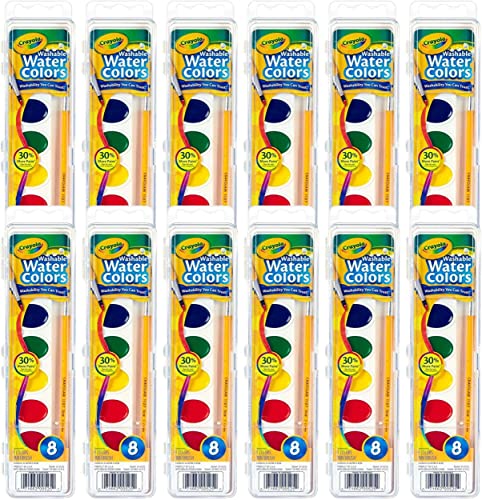
Crayola Washable Watercolor Paint Sets, Bulk 12ct

Simetufy 5400 Pcs Tissue Paper Squares, 36 Colors

Crayola Quick Dry Paint Sticks (12ct)

Educational Insights Pom Pom Kit: Animal Dress Up

16 Pack Toddler DIY Animal Paper Plate Art Kit

FUNNYB&G 100 Pcs Rainbow Scratch Paper Art Kit

YGDZ Paint Sponges for Kids, 39pcs

DOSEWART Dot Markers for Kids, 12-Color

KUQQI 12pcs EVA Sponge Painting Stampers
Taking A Closer Look At The Options
Finger painting is usually the first art activity preschoolers try, and this oversized pad makes it simple. The seven-inch surface fits a whole hand, so little ones can press palm prints instead of fighting over a tiny stamp area.
The pigment-based ink rinses off skin without much scrubbing, which matters when three kids share one pad at a craft table. Teachers running fingerprint-animal lessons tend to appreciate how quickly a whole class can rotate through it.
What Helps Most
- Large seven-inch surface accommodates full palm prints, not just fingertips
- Ink wipes away from skin easily, cutting post-craft cleanup to seconds
- Pigment formula supports bold, saturated prints on most craft paper
- One pad serves an entire small group without constant repositioning
Small Caveats
- Keep the lid snapped shut between uses; exposed pads can dry out over a long school year
- Deeply pigmented ink may stain porous fabric, so smocks are still a smart call
Who It Suits Best
Preschool teachers and parents introducing finger painting to two- and three-year-olds who need generous space and forgiving cleanup.
Where A Sibling Pick Shines
Older kids ready for detailed work will get more mileage from the Crayola Quick Dry Paint Sticks, which offer precise strokes and twelve distinct colors.
Where the Biggun pad handles one shared station, this bulk pack gives every child a personal palette. Twelve individual sets, each holding eight washable hues, mean no arguing over whose turn it is with the blue.
Watercolors teach blending naturally: a brush dipped in yellow then red produces orange right on the page. That makes this set a quiet intro to color theory, and the washable formula keeps tablecloths and sleeves recoverable after enthusiastic sessions.
Useful Strengths
- Twelve separate palettes suit classrooms, co-ops, and birthday parties
- Eight colors per set allow mixing experiments and gradient practice
- Washable formula lifts from skin and most washable fabrics
- Individual trays store flat in a drawer between art days
Things To Consider
- Brushes are typically basic; many families upgrade to sturdier ones separately
- Paint cakes can crack if palettes dry uncovered in warm rooms
At A Glance
Made For
Teachers stocking a preschool art center or caregivers hosting regular multi-child craft afternoons.
Consider Something Else When
Solo artists who dislike waiting for layers to dry will prefer the quick-dry stick format of the Crayola paint sticks further down this list.
Collage day needs volume, and 5,400 one-inch squares deliver it. Thirty-six shades, including metallic gold and silver, give children enough variety to sort, match, and design without repeating themselves.
The squares arrive split into six resealable bags of roughly 900 sheets each, so you can open one bag per session instead of exposing the whole supply to curious hands. That packaging choice alone saves plenty of storage headaches in a busy classroom.
The Upside
- Massive sheet count covers months of mosaic and suncatcher projects
- Thirty-six rainbow shades support sorting games and pattern work
- Six-bag division keeps unused colors sealed and organized
- Pre-cut squares eliminate scissor time for younger fingers
Points To Note
- Tissue tears easily in eager hands, so expect some waste during free play
- You’ll supply your own glue; nothing adhesive comes in the box
Right Fit For
Educators planning seasonal collage units, suncatchers, and fine-motor pinching exercises across a full school year.
Another Choice May Suit
Families wanting a finished project rather than raw materials will find the MDCGFOD paper plate kit more satisfying out of the box.
Paint sticks solve the oldest problem in toddler art: paint goes everywhere except the paper. These twist-up sticks lay down creamy tempera-style color with no brushes, no water cups, and no drips pooling under the easel.
Twelve assorted colors glide onto paper, cardboard, and wood, drying fast enough that finished artwork can stack within minutes. Caps snap back on for storage, and the washable formula lifts from skin and most washable clothing, which is why so many parents keep a set in the diaper bag.
Useful Highlights
- Twist-up design means zero brush washing after craft time
- Fast-drying coverage lets kids layer colors without smearing
- Works across paper, poster board, and wood surfaces
- Re-cappable format stores neatly and resists drying out
- Washes from skin and washable fabrics with ordinary soap
Less Ideal Details
- Sticks wear down faster than liquid paint, especially with heavy pressure
- Blending is limited compared with true watercolors
Feature Snapshot
Who Will Love This
Parents of toddlers and travel-savvy grandparents who want painting anywhere without a sink nearby.
Swap It Out When
Group settings needing one palette per child are better served by the bulk Crayola watercolor sets reviewed earlier.
This kit hides real skill-building inside a dress-up game. Children use a pom pom popper tool to grab fuzzy poms and place them on sixteen animal-themed design cards, building the pincer grip they’ll later need for pencils and scissors.
Because the tool does the picking, there’s no glue, no sticky residue, and no frustrated fingers. Color matching happens naturally as kids decide which pom belongs on the panda’s ear versus the owl’s belly, and completed cards hold up well to repeated rearranging.
Everyday Perks
- Popper tool strengthens fine motor control through repeated play
- Sixteen design cards provide weeks of varied sessions
- Glue-free setup means instant cleanup and reusable pieces
- Animal themes spark storytelling alongside crafting
Worth Noting
- Loose pom poms migrate under furniture quickly; a lidded bin helps
- Structured cards may feel limiting for kids who prefer open-ended art
Best Suited To
Children aged four to six working on hand strength, plus therapists and teachers who want a quiet, repeatable station activity.
Reach For A Different Pick When
Free-form creators will get more expressive freedom from the Simetufy tissue squares, which have no prescribed outcome.
Sixteen animals, sixteen plates, one gift box: this kit turns a rainy afternoon into a small zoo. Kids assemble pandas, koalas, owls, penguins, and more using pre-cut pattern cards, colored trays, and double-sided foam stickers.
The sticker-based assembly suits three-year-olds who can’t yet manage glue bottles, and each finished animal stands up as a toy afterward. Party hosts often split the box across several guests since every project is individually complete.
Key Advantages
- Sixteen self-contained projects keep siblings busy simultaneously
- Foam stickers remove the glue mess entirely
- Finished animals become keepsakes or pretend-play props
- Gift-ready box works straight from the wrapping paper
Practical Considerations
- Once assembled, plates aren’t reusable, so the kit is single-use by nature
- Small foam pieces demand supervision around children who still mouth objects
Who Should Grab It
Parents planning birthday party stations or grandparents wanting a ready-made visit activity for grandkids aged three and up.
Not Your Match When
Ongoing weekly art programs burn through this quickly; the Simetufy tissue square bulk pack stretches much further over a semester.
Scratch art feels like magic to a five-year-old: drag the wooden stylus across the black coating and vivid rainbow color appears underneath. This kit includes fifty sheets, fifty styluses, and four drawing stencils for guided shapes.
The abundance of styluses means a whole table can scratch at once without sharing points, and the stencils help hesitant drawers produce recognizable stars and animals. Finished sheets make easy fridge art or homemade notes for relatives.
What Works In Its Favor
- Fifty styluses support simultaneous group use without arguments
- Four stencils guide beginners toward successful shapes
- Dry process creates zero paint or glue residue
- Reveal effect holds attention longer than standard coloring
Details To Watch
- Scratchings flake like glitter, so a tray or mat underneath saves vacuuming time
- Stylus tips can dull with heavy pressure over many sessions
Core Details
Whose Shelf It Belongs On
Families seeking a screen-free quiet-time activity, plus classroom reward bins and restaurant-bag entertainment.
Look Elsewhere When
Kids who want color mixing and brushwork should move to the Crayola watercolor bulk set instead of a scratch-reveal format.
Compared with the KUQQI stamper set near the end of this list, the YGDZ kit trades simplicity for sheer range. Thirty-nine pieces cover foam rollers, twenty-four shaped stamps, six seal-style stamps, and five round sponge brushes, letting one child print patterns all afternoon without repeating a tool.
Handles are sized for small grips and made from lightweight plastic and foam, so even two-year-olds manage them. Rollers deserve special mention: they cover big poster areas fast, which keeps momentum high during mural projects.
What Earns Its Place
- Thirty-nine varied tools sustain long creative sessions
- Foam rollers fill large posters quickly and evenly
- Shaped stamps introduce patterns, counting, and shape recognition
- Lightweight handles fit toddler and preschool grips comfortably
Factors To Consider
- Foam heads need thorough rinsing after each use or paint hardens in the pores
- More pieces means more parts to track and store between sessions
Key Specs
The Right Fit
Early-learning classrooms and homeschool families who want one stamping kit to anchor an entire shape-and-pattern unit.
Skip It When
Minimalist households testing interest first will find the smaller KUQQI twelve-piece set easier to store and evaluate.
Dot markers, sometimes called bingo daubers, are chunky-tipped bottles that stamp a round blot with one press. No brushing technique required, which makes them the gentlest possible entry point for eighteen-month-olds and young twos.
Twelve washable colors pair beautifully with printable dot pages found all over teacher resource sites, turning letter and number practice into a stamping game. The wide barrels also double as a grip-strength exercise disguised as play.
Positive Points
- Chunky barrels build hand strength while toddlers play
- One-press dots succeed instantly, boosting confidence in beginners
- Twelve colors extend into counting and sorting games
- Washable ink simplifies cleanup after tabletop sessions
Points To Keep In Mind
- Caps must click back on fully or tips dry within days, a commonly reported issue
- Dot output limits detail work compared with crayons or markers
Product At A Glance
Who It’s Built With In Mind
Toddlers too young for brushes, plus parents who want a contained, low-supervision first art experience.
Where Another Pick Suits Better
Four- and five-year-olds craving line control and detail will outgrow dots quickly and do better with the Crayola paint sticks.
Think of this as the trial-size version of the YGDZ kit reviewed earlier. Twelve EVA foam stampers on plastic handles cover the essentials: a handful of shapes, bright colors, and a round bottom roughly 1.6 inches across for clean prints.
Patterns ship randomly, which adds a small surprise element but means you can’t request specific animals. Handles measure about 2.5 inches long, a comfortable length for preschool fists, and the whole set tucks into a sandwich bag between uses.
Advantages To Know
- Compact twelve-piece set stores in minimal space
- Sturdy plastic handles survive drops and enthusiastic pounding
- Assorted shapes encourage pattern-making and imaginative scenes
- Approachable size makes it an easy first sponge-painting purchase
A Few Limitations
- Random pattern selection means duplicates or unwanted shapes are possible
- Foam faces absorb paint deeply, so rinse promptly or staining sets in
Who Should Grab It
Caregivers dipping a toe into stamping crafts, or gift-basket builders adding a small, useful extra.
Another Choice May Suit
Anyone already committed to regular stamping sessions should step up to the 39-piece YGDZ set for its rollers and far greater variety.
Choosing Art Supplies Young Children Actually Use
Match The Tool To The Hand
Preschool hands lack the strength for thin brushes and fine markers. Chunky grips, wide stamp surfaces, and twist-up sticks all succeed because they forgive imprecise motor control. Watch how your child holds a spoon; that same grip tells you which art tools will feel natural.
Decide How Much Cleanup You Can Live With
Liquid paint rewards creativity and punishes carpets. Dry formats like scratch paper, stickers, and paint sticks trade some expressiveness for near-zero mess. Honest self-assessment here prevents abandoned supplies gathering dust in a closet.
Open-Ended Versus Structured Kits
Raw materials such as tissue squares grow with a child and support years of different projects. Themed kits deliver a guaranteed win on day one but end once assembled. Most homes benefit from a mix: one structured kit for confidence, one open-ended staple for repetition.
Think In Sessions, Not Single Uses
Bulk packs look excessive until the third playdate. Count how many children typically join craft time, then buy accordingly; sharing one ink pad among four kids tests everyone’s patience.
Key Considerations Across These Picks
Traps First Timers Fall Into
The most common slip is buying beautiful supplies a child isn’t developmentally ready for, then concluding they dislike art. Start coarse: big pads, fat markers, large stamps. Another frequent miss is skipping storage planning; lids, bags, and bins determine whether supplies survive their second month.
When Paying More Pays Off
Higher-tier picks earn their cost through piece counts and durability. The YGDZ kit’s thirty-nine tools outlast novelty in ways a twelve-piece starter cannot, and name-brand washability formulas generally rinse cleaner than generic equivalents. Pay up for daily-use staples; save on occasional extras.
Frequently Asked Questions
What age can children start using these art materials?
Most items here suit ages two and up, with dot markers and large ink pads working earliest. Always check individual packaging guidance and supervise children who still mouth objects.
Are washable paints truly easy to clean?
Washable formulas lift from skin and most machine-washable fabrics with soap and water. Porous surfaces like unfinished wood and untreated carpet can still stain, so protect those areas.
How do I store art supplies between sessions?
Sealed containers prevent drying and keep small pieces contained. Resealable bags, lidded bins, and snapped caps make the difference between supplies lasting months versus weeks.
Which option works best for a classroom setting?
Bulk formats shine with groups, particularly the twelve-set Crayola watercolor pack and the fifty-stylus scratch paper kit. Both let multiple children create simultaneously without waiting turns.
Do structured kits limit creativity?
They trade open-ended exploration for guaranteed success, which builds confidence in hesitant creators. Pairing one structured kit with loose materials like tissue squares balances both benefits.
Wrap Up
Every pick here earns its place for a specific child and setting. Toddlers thrive with dot markers and the Biggun ink pad, while the Crayola paint sticks remain the easiest all-around choice for busy households. Group leaders get the most value from the bulk watercolors and scratch paper kits. Match the material to your child’s age, your cleanup tolerance, and how often craft time actually happens, and any of these ten will serve you well.
