
Twelve is a funny age for art. Kids this age have real opinions about what they make, but they still need tools that forgive mistakes and keep the fun alive. The problem most families run into is simple: cheap kits fall apart by February, while serious studio gear overwhelms a tween who just wants to doodle after homework.
This list splits the difference. You’ll find glowing drawing boards, full sketching kits, paint sets with easels, prompt-filled journals, and a couple of hands-on craft projects that double as room decor. Each option suits a different kind of creator, from the anime obsessive to the kid who paints everything in sight.
The Leading Options At A Glance

Signsxcel LED Note Board 16” Light Up Drawing Board (White)

KALOUR 206-Piece Drawing Set Sketching Kit

Daerthotk 100-Piece Pro Drawing Kit

koseibal Acrylic Paint Set with Tabletop Easel

Norberg & Linden 144-Piece Art Set Wooden Box
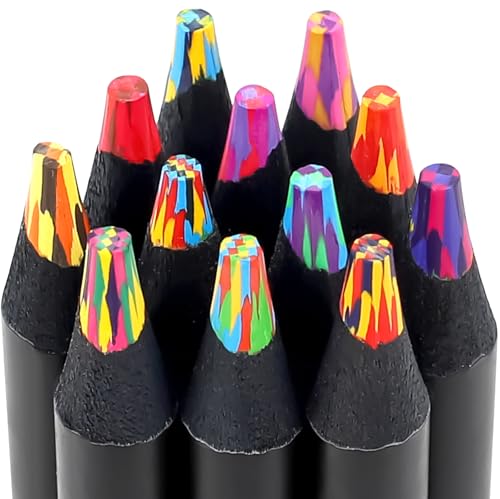
Muchcute 12 Rainbow Colored Pencils

Savvy Stationery Art Journal for Girls Ages 7-12

How to Draw Anime and Manga for Beginners

HOLA Paint Your Own Moon Lamp Kit

HIFORNY 100 PCS Drawing Set Sketching Kit
More Details On Our Top Picks
A sixteen-inch light-up board sits somewhere between a toy and a piece of bedroom decor, and that’s exactly why tweens love it. Draw with a dry erase marker, flip on the LEDs, and the artwork glows in eight colors across six lighting modes, including cycling effects that make a doodle feel like a sign.
It doubles as a message board for reminders or inside jokes, which keeps it useful long after the novelty wears off. Compared with paper-based kits further down this list, it’s a one-time purchase rather than something you keep restocking.
Real-World Strengths
- Eight RGB colors and six modes turn one drawing into several looks without redrawing anything.
- The dry erase surface wipes clean in seconds, so there’s no paper waste or supply cost.
- Serves double duty as a glow note board for schedules, quotes, or countdowns.
- The 16-inch panel gives plenty of room for bigger compositions than pocket-sized boards.
Things To Consider
- You’ll need to buy compatible dry erase markers separately, since they aren’t part of the package.
- Markers can ghost on glossy surfaces over time, so a quick wipe after each session helps.
Who Will Love This
Tweens who decorate their rooms and want art that doubles as ambient lighting will get the most out of it.
Where A Sibling Pick Shines
Kids who prefer permanent, take-it-to-school artwork will get more mileage from the KALOUR 206-piece sketching kit instead.
This is the kit you hand a twelve-year-old who has outgrown crayons and wants to try everything. Two hundred and six pieces cover oil-based colored pencils, metallic and watercolor pencils, graphite grades, charcoal, pastels, twenty-four watercolor cakes, blending tools, a water brush pen, and even a tutorial booklet to tie it together.
Where the Signsxcel board rewards quick doodling, this set rewards patience and layering. A three-color sketchbook and coloring paper come included, so the first project can start the day the box opens.
Bright Spots
- Five distinct pencil media let a tween move from soft shading to shimmering metallic accents in one sitting.
- The bundled tutorial gives structure, which matters at an age when blank-page paralysis is real.
- Watercolor pencils plus cakes mean two painting styles without buying a separate paint set.
- Blending stumps and erasers teach proper technique instead of finger-smudging habits.
- Everything arrives organized, so cleanup takes minutes rather than an argument.
Small Caveats
- With 206 pieces, pencils will wander unless the case gets closed between sessions.
- Watercolor work needs heavier paper than the thinner sheets some owners report using first.
Key Specs
Right Fit For
Dedicated young artists aged ten and up who already fill notebooks weekly and want room to experiment.
Swap It Out When
For a lighter backpack-friendly option, the HIFORNY 100-piece kit below trims the count while keeping the essentials.
The smartest detail here is the sketchbook itself. Its fifty spiral-bound pages split into thirty white, ten toned tan, and ten black sheets of 120gsm stock, so one book handles highlights on dark paper, classic pencil work, and pastel-style toned drawings without buying three separate pads.
At half the piece count of the KALOUR set, it covers graphite, colored, charcoal, and watercolor pencils plus a coloring book, all packed in a portable case. For families testing whether a tween’s interest sticks, that’s a sensible middle ground.
Useful Touches
- The tri-color sketchbook saves money and teaches how paper tone changes a drawing’s mood.
- Spiral binding lies flat, which makes shading across a full page far easier.
- A carrying case keeps the hundred pieces contained for sleepovers or grandma’s house.
- Works for adult coloring sessions too, so parents can join in.
Points To Note
- Fewer specialty pencils than the KALOUR kit, so metallic and oil-based options are absent.
- Some owners find the smaller page size limiting for large landscape scenes.
Whose Shelf It Belongs On
Value-minded households shopping for a first serious drawing kit will find this hits the sweet spot.
Reach For A Different Pick When
A committed artist ready for metallic effects and 200-plus pieces should step up to the KALOUR 206-piece set.
Most paint sets stop at tubes and brushes. This one adds a wooden tabletop easel, four stretched canvases, three canvas panels, and a fifteen-sheet acrylic pad, which turns any kitchen table into a small studio for an afternoon. Eighteen acrylic colors give enough range for landscapes, portraits, or abstract experiments.
Acrylics suit this age group well because they dry fast, layer cleanly, and wash off skin before dinner. Unlike the pencil kits earlier in the list, this one produces finished wall-ready pieces rather than sketches.
A Favorable Mix
- The easel encourages proper posture and makes painting feel like a real activity, not a chore.
- Seven painting surfaces mean weeks of projects before anything needs repurchasing.
- Eight brushes cover fine detail through broad background strokes.
- Fast-drying acrylic lets kids layer colors the same day without smearing.
Less Ideal Details
- Acrylic stains fabric permanently, so old clothes or an apron are non-negotiable.
- Brushes need rinsing promptly after use or bristles harden, a commonly reported issue with budget sets.
Who Should Grab It
Hands-on painters who’d rather hold a brush than a pencil, especially kids who love finishing tangible projects.
Another Choice May Suit
Families wanting broader medium variety beyond paint should look at the Norberg & Linden 144-piece wooden box set next.
The wooden case with a pull-out drawer is the reason this set earns its spot. Canvas and zippered cases do the job, but a lidded wood box looks grown-up on a desk and survives years of being opened, slammed, and carried between rooms. Inside sit 144 pieces spanning twenty-four oil pastels, twenty-four watercolor cakes, twenty-four colored pencils, sixty crayons, two brushes, palettes, a sharpener, and an eraser.
Compared with the koseibal paint set, this trades canvas surfaces for sheer breadth of dry and wet media.
What Makes Sense
- Four media types in one box cover coloring, pastel blending, and watercolor without extra purchases.
- The drawer keeps small accessories from vanishing into couch cushions.
- Works equally well for siblings sharing, since there’s plenty to go around.
- Palettes and brushes arrive included, so watercolor starts immediately.
Trade Offs To Consider
- No sketchbook or paper comes with it, so budget for a pad separately.
- The wooden box has some heft, making it less ideal for daily backpack transport.
Quick Facts
Made For
Households where several kids or adults share supplies and need one sturdy, central art station.
Not Your Match When
A tween focused purely on sketching technique will progress faster with the HIFORNY graphite-and-charcoal kit.
Each pencil in this dozen holds a multicolored core, so a single stroke lays down shifting bands of rainbow instead of one flat shade. That sounds gimmicky until you watch a twelve-year-old discover it. Borders, lettering, mandalas, and journal margins suddenly look hand-designed with zero effort.
They arrive gift-boxed, which makes them an easy add-on present beside one of the bigger kits above. Think of them as the fun accent tool rather than a full art education.
What Earns Its Place
- Multi-color cores create gradient effects instantly, great for borders and decorative lettering.
- The gift box presentation makes wrapping optional.
- Twelve pencils slot easily into a pencil pouch for school or travel.
- Adults enjoy them too, so they won’t sit unused after the novelty fades.
Worth Noting
- The layered core demands a wide-hole sharpener and gentle handling; forcing them snaps the stripes unevenly.
- They complement rather than replace standard colored pencils for detailed realistic work.
Product Snapshot
Perfect Match For
Journal keepers, doodlers, and card makers who love decorative flourishes more than formal drawing practice.
Consider Something Else When
Kids needing a complete color range for realistic shading should choose the KALOUR kit’s twelve oil-based colored pencils instead.
Blank sketchbooks intimidate plenty of kids. This journal solves that with over a hundred pages of prompts, activities, and open doodle space, so every page tells its owner what to try next. At six by nine inches with a glossy soft cover, it slips into a tote or bedside drawer without fuss.
Pair it with any pencil kit on this list and you’ve removed the two biggest barriers to daily drawing: no ideas and no structure. It also works as a quiet-time activity, which parents of anxious or restless tweens tend to appreciate.
What Stands Out
- Ninety-plus prompts eliminate the staring-at-a-blank-page problem entirely.
- The compact 6 x 9 size travels easily to waiting rooms and car rides.
- Prompt variety mixes drawing tasks with creative exercises, keeping engagement fresh.
- An illustrated colorful cover makes it feel personal rather than schoolish.
A Few Limitations
- Once the pages fill, the activity ends, unlike reusable boards or refillable kits.
- Softcover binding is less durable than hardback journals in overstuffed backpacks.
Who It Suits Best
Girls aged seven through twelve who enjoy guided activities and need a nudge to start creating.
Look Elsewhere When
Self-directed artists who resent instructions will prefer the open-format Signsxcel light board for free expression.
Ask a room of twelve-year-olds what they want to draw and anime wins every time. This guide from Shinjuku Press breaks character construction into step-by-step stages, starting with basic shapes and building toward expressive faces and poses. Because it’s written for true beginners, nothing assumes prior figure-drawing knowledge.
It pairs naturally with the HIFORNY graphite set below: the book teaches structure, the pencils handle shading. As a digital title it loads on tablets, which many families find convenient for propping up next to a sketchbook.
Notable Upsides
- Step-by-step progression builds confidence before tackling complex characters.
- Speaks directly to the style tweens actually want to master.
- Digital format works across devices, so lessons travel anywhere.
- Suits teens and adults too, meaning older siblings can join in.
Things That May Matter
- Being digital-only, it requires a device nearby during practice sessions.
- No physical paper or pencils come with it, so plan on pairing it with a kit.
The Right Fit
Anime-obsessed beginners who learn best by copying structured examples rather than freestyling.
Skip It When
Kids who prefer unplugged, screen-free practice may get more from the Savvy Stationery printed journal.
This kit flips the usual craft formula: the project isn’t finished when the paint dries, it’s just getting started. Kids paint their own design onto a moon-shaped lamp, then charge it via the included Type-C cable and enjoy the result as an actual working nightlight. A remote switches between thirty light colors and sets timers from fifteen minutes up to five hours.
Touching the metal ring also cycles colors, which feels satisfyingly futuristic. Among everything here, it’s the pick most likely to stay on display for years.
Strengths Worth Knowing
- Rechargeable via Type-C, so there’s no battery-buying cycle to maintain.
- Thirty remote-controlled colors let the lamp match moods or room themes.
- Timer settings make it practical as a bedtime light that shuts off on its own.
- The painted result becomes lasting decor rather than clutter.
Practical Considerations
- It’s a single-session craft, so the painting portion wraps up quickly.
- Paint adhesion on the lamp surface varies depending on the type used, so follow the kit’s guidance.
Details At A Glance
Built With In Mind
Craft-loving tweens who want a weekend project with a functional payoff on the nightstand afterward.
Where Another Pick Suits Better
Kids craving ongoing drawing practice rather than a one-off build will benefit more from the Daerthotk drawing kit.
Zip the canvas case shut and this whole studio fits under a car seat. The hundred pieces center on graphite depth: twenty-four graded pencils running from soft 14B up to hard 5H, plus charcoal pencils and sticks, white charcoal for highlights, a woodless 6B pencil, willow charcoal, and pastel sticks. Every pencil arrives pre-labeled, which saves beginners from guessing grades.
Its 6 x 9 inch three-tone sketchbook mirrors the Daerthotk approach in a smaller format, and the zippered case beats both the KALOUR and Norberg & Linden boxes for portability.
Why It Works Well
- The full 14B-to-5H graphite range teaches tonal control few tween kits bother with.
- Pre-labeled pencils remove guesswork for anyone learning grade differences.
- Charcoal, pastel, and blending tools round out serious sketching technique.
- The durable zippered case organizes all hundred pieces for class or travel.
Factors To Weigh
- No colored pencils here, so vibrant color work needs a separate purchase.
- Charcoal sticks smudge readily, so finished pages deserve a protective sleeve.
Specification Snapshot
Best Suited To
Tweens enrolled in art classes or sketching on the go who value organization and tonal range over color.
A Better Fit Elsewhere
Artists wanting colored and metallic media alongside graphite should choose the KALOUR 206-piece set instead.
What Matters Most Before Choosing Art Supplies For 12 Year Old
Match The Medium To The Kid
A tween who fills notebook margins with characters wants pencils and a good guide. One who loves color and mess leans toward paint. Watch what your child reaches for unprompted over a week, then buy toward that habit rather than against it. The wrong medium gathers dust no matter how complete the kit looks.
Storage Decides Survival
Supplies die from disorganization more often than from poor quality. Zippered cases suit kids who carry things around; wooden boxes suit shared family spaces; lidded trays suit dedicated desks. Choose the container style that matches where art actually happens in your home, because a kit that’s easy to put away gets used twice as often.
Paper Quality Gets Overlooked
Thin paper buckles under watercolor and tears under heavy charcoal. Look for weights around 100gsm or higher for wet media, and mixed-tone books once your child moves past basic sketching. Bundled paper saves money early, but upgrading the pad later is a cheap way to refresh interest.
Room To Grow Beats Instant Volume
Huge piece counts impress on unboxing, yet a focused set with genuine grade ranges, like a proper 14B-to-H graphite spread, teaches more than forty near-identical crayons. Balance breadth with a few quality tools that support real technique development through the teen years.
Key Considerations Across These Picks
Traps First Timers Fall Into
The most common slip is buying for the age label instead of the child’s actual skill. A twelve-year-old with three years of drawing behind them will outgrow beginner crayon sets within weeks. The second trap is ignoring consumables: markers dry out, paper runs low, and charcoal wears down, so check what refills cost before committing.
What Separates Premium From Basic
Higher-tier kits spend money where it shows in results: wider pencil grade ranges, heavier paper stock, labeled components, and cases that survive daily handling. Paying up makes sense once a child draws weekly and complains about their tools. Until then, a solid mid-range kit does the job without waste.
Frequently Asked Questions
What art supplies suit a 12 year old best?
Pencil-based sketching kits, acrylic paint sets, and guided journals all fit this age well. The right choice depends on whether your child prefers drawing, painting, or prompted activities.
Are big art kits worth it for tweens?
They are when the child genuinely uses multiple media, since variety keeps interest alive. Casual doodlers often do better with one focused, quality tool set.
What should a beginner draw first?
Simple shapes, favorite cartoon characters, and everyday objects build fundamentals fast. Guided journals and step-by-step books remove the pressure of deciding what to draw.
How do I keep art supplies organized?
Match storage to location: zippered cases for mobile kids, lidded boxes for desks, drawers for shared spaces. Closing the case after each session matters more than the container brand.
Can art supplies help a stressed tween?
Creative activities give many kids a calm, screen-free outlet after busy school days. Prompted journals in particular offer structure that feels relaxing rather than demanding.
Wrap Up
Twelve-year-olds don’t need expensive gear, they need the right gear for how they already create. A glowing board for the bedroom artist, a deep graphite kit for the serious sketcher, an easel setup for the painter, or a prompt journal for the kid stuck on blank pages. Start with the pick that matches your child’s habits, add a small surprise like rainbow pencils, and let the interest lead the next purchase.
