
Every parent of a doodler knows the scene: paper scraps everywhere, pencils rolling off the table, and a kid who wants to draw right now. The right supplies change that. This roundup covers ten options that make creating easier, tidier, and a lot more fun, from portable boards to complete kits and skill-building books.
A Side-By-Side Look
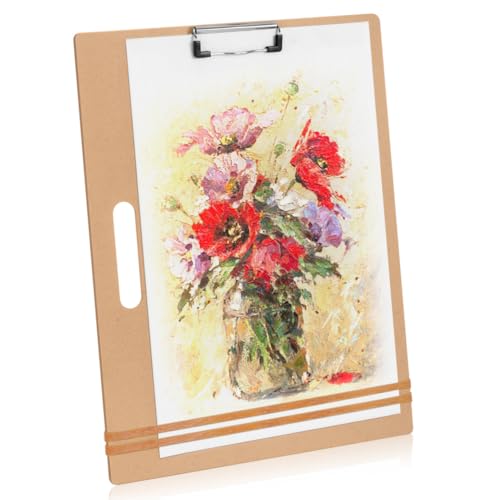
13″x17″ Drawing Board with Clip and Carry Handle

AKUBLE Glitter Outline Markers, 12 Colors

KALOUR 206-Piece Drawing Set Sketching Kit

Prudiut Marker Paper Pad, 7.6 x 7.6 in, 50 Sheets

Daerthotk 100-Piece Drawing Kit with 3-Color Sketchbook

ARTISTRO 24 Watercolor Brush Markers

Norberg & Linden 144-Piece Art Set Wooden Box

How to Draw Anything in 3D by Leia Bloom

Muchcute 12 Rainbow Colored Pencils

Art for Kids: Drawing (Volume 1)
A Closer Look At Each Pick
A drawing board sounds basic until you watch a kid try to sketch on a couch cushion. This one gives them a firm, flat surface anywhere, sized at 13 by 17 inches so standard paper sits with room to spare.
The built-in clip holds sheets steady against wind or wiggles, and the carry handle means it travels to the park, the car, or grandma’s house without fuss. Rubber bands add a second way to secure pads or loose work.
Reasons It Performs
- Lightweight enough for small hands to haul around the yard or classroom
- Doubles as an artist clipboard, drafting board, or lap desk depending on the project
- Clip plus rubber bands keep paper flat during outdoor breezes
- Handle makes packing up for a sketching trip a one-grab job
Things To Consider
- It’s a surface, not storage, so pencils still need a separate pouch
- The smooth board face can show scuffs over months of heavy use
Who Will Love This
Young artists who sketch outside, in the car, or anywhere a table isn’t guaranteed will get the most out of this board.
Where A Sibling Pick Shines
Families wanting a full kit rather than a single surface should look at the KALOUR 206-piece set instead.
These markers do something unusual: each stroke lays down two colored edges with a shimmery silver line running between them. Twelve bright shades cover greeting cards, journal borders, and poster lettering, and the effect lands instantly, which matters when your artist is eight and impatient.
Quick-drying ink helps too, since smudged glitter is a real complaint with slower formulas. Compared with the rainbow pencils later in this list, these trade subtlety for maximum sparkle.
Advantages To Know
- Double-line shimmer output looks far fancier than the effort involved
- Fast-drying ink cuts down on smeared pages and stained sleeves
- Twelve colors give enough range for themed cards and craft nights
Small Caveats
- The outline effect works best on smooth, non-absorbent paper, so results vary on cheap construction paper
- Glitter ink tends to need a firmer cap check after use to avoid dried tips
Right Fit For
Tweens and teens who decorate journals, cards, and school projects and want visible sparkle without extra tools.
Swap It Out When
Younger kids who prefer coloring large areas over outlining may enjoy the Muchcute rainbow pencils more.
This is the kit you buy once and stop shopping. Two hundred six pieces span oil-based colored pencils, metallics, watercolor pencils, graphite grades, charcoal, pastels, twenty-four watercolor cakes, blending stumps, a brush pen, sharpener, eraser, and even a tutorial booklet.
For a teen moving past crayons into shading and mixed media, that breadth removes every excuse. The included three-color sketchbook means practice starts the day the box opens, no separate paper run needed.
Where It Excels
- Covers dry media, water-soluble media, and paint in one organized case
- Graphite range supports proper value studies, not just outlines
- Built-in tutorial gives beginners a starting path through the pile
- Watercolor brush pen lets kids blend without a jar of water nearby
Points To Note
- Two hundred pieces mean real organization effort after each session
- Entry-level pencil cores are softer than studio brands, so frequent sharpening is common
Key Specs
Made For
Committed teens and pre-teens ready to explore several mediums without piecing together separate purchases.
Another Choice May Suit
Households sharing one kit among several kids will find the cased Daerthotk 100-piece set easier to manage daily.
Marker art lives or dies on the paper. Standard printer stock lets alcohol ink bleed straight through, which frustrates kids working with brush pens. This pad uses 120gsm coated sheets, a weight and finish designed to hold ink at the surface so colors stay where they’re placed.
The square 7.6-inch format suits comic panels, stickers, and journal corners better than long rectangles do. Fifty sheets last a while, though heavy blenders go through marker paper faster than most parents expect.
What Earns Its Place
- Coated 120gsm stock resists bleed-through, protecting desks and the next sheet down
- Acid-free sheets help finished artwork resist yellowing over time
- Square format fits sticker sheets, comics, and scrapbook layouts naturally
Less Ideal Details
- Saturated layering can still wrinkle lighter-weight areas, so light hands win here
- The compact size limits large poster-style projects
Who Should Grab It
Kids and teens using alcohol-based markers, acrylic pens, or brush lettering tools who need reliable paper under them.
Reach For A Different Pick When
Artists wanting traditional rectangular sketch pages should pair the Daerthotk kit’s included sketchbook with their pencils instead.
Where the KALOUR kit goes deep, this one aims for balance. One hundred pieces cover graphite, colored, charcoal, and watercolor pencils alongside a spiral-bound sketchbook whose fifty pages split between white, toned tan, and black paper.
That three-tone pad is the quiet standout: white paper for line work, tan for midtone shading, black for highlights with white pencil. Everything packs into a portable case, which makes it realistic for one kit to serve siblings or travel between home and a grandparent’s house.
Strong Points
- Three paper tones in one bound pad teach tonal thinking without extra purchases
- 80lb (120gsm) page weight handles erasing and light washes without tearing easily
- Carrying case keeps the whole setup contained between sessions
- Broad pencil mix supports sketching, shading, blending, and adult coloring books alike
Trade Offs
- No watercolor cakes or paints, unlike the larger KALOUR set
- With multiple users sharing one case, restocking order takes discipline
Core Details
Who It Suits Best
Families and classrooms wanting one versatile kit that several skill levels can share comfortably.
Not Your Match When
A solo teen chasing watercolor and metallic effects will get more mileage from the KALOUR 206-piece kit.
Real watercolor teaches beautiful lessons and creates beautiful messes. These brush pens split the difference: nylon bristle tips lay down pigment like a paintbrush, then a damp stroke blends it into soft washes, all without jars, palettes, or drips.
The washable, non-toxic formula is the deciding factor for many households, since stray marks on tables and sleeves clean up rather than stain. Twenty-four colors give manga shading, calligraphy practice, and coloring books plenty of range.
What Pays Off
- Self-moistening nylon tips need no pre-wetting, so painting starts immediately
- Colors blend with plain water for gradient effects traditional markers can’t match
- Washable ink lowers the stakes for younger or messier artists
- Flexible brush tips support both fine detail strokes and broad fills
Areas To Watch
- Brush tips hold their shape best with a light hand; pressing hard splays fibers over time
- Blending needs marker-friendly or thick paper, so pair it with the Prudiut pad for cleanest results
The Right Fit
First-time painters ages eight and up, plus calligraphy and manga fans, will find these the gentlest entry into wet color.
Consider Something Else When
Kids who want zero learning curve and instant sparkle will have more fun with the AKUBLE glitter outline markers.
Some kits feel disposable. This one doesn’t, mostly because of the wooden case with a pull-out drawer, which turns cleanup into closing a lid instead of hunting under the sofa. Inside sit 144 pieces spanning oil pastels, watercolor cakes, colored pencils, sixty crayons, brushes, palettes, a sharpener, and an eraser.
That mix spans roughly ages four to adult, which is why it earns a spot as a shared-family option. Compared with the fabric-cased Daerthotk kit, this trades portability for a furniture-grade home base.
Positive Points
- Wooden box with drawer keeps 144 pieces sorted and visible at a glance
- Four distinct mediums let different-aged kids work side by side
- Sixty crayons alone cover the youngest artists in the house
- Palettes and brushes included mean painting needs no add-ons
Things That May Matter
- The case has real weight, so it’s a shelf piece rather than a backpack item
- Crayon and pastel surfaces can transfer color onto the box interior if stored warm
Whose Shelf It Belongs On
Households with kids across several age bands who want one durable, display-worthy station everyone shares.
Look Elsewhere When
Artists who sketch away from home constantly will prefer the lightweight TX liteart drawing board paired with a pencil roll.
Supplies make drawing possible; instruction makes it improve. Leia Bloom’s guide walks beginner and intermediate artists through building scenes and objects from simple shapes, then layers on lighting and shadow techniques, the skills that make flat drawings pop off the page.
Project variety keeps momentum going: plants, animals, people, cityscapes, even mythical creatures. Step-by-step pacing means a ten-year-old can follow along solo while a teen uses the same chapters for deeper practice.
What Works In Its Favor
- Shape-first construction method builds skills that transfer to any subject
- Dedicated lighting and shadow sections address the most common beginner gap
- Wide project list, from animals to cityscapes, sustains interest across months
- Works equally well for guided kids and self-teaching teens
Details To Watch
- It’s a book, so pencils and paper come separately; budget for a basic kit alongside it
- Total beginners may want an adult nearby for the first few perspective lessons
Who Should Grab It
Kids roughly eight and up who already doodle constantly and want their drawings to look more dimensional.
Another Choice May Suit
Younger children needing gentler, broader foundations will do better starting with Art for Kids: Drawing below.
Each pencil in this dozen carries a multicolored core, so a single stroke shifts through several hues at once. It’s a novelty in the best sense: kids who claim they’re bored with coloring suddenly fill entire pages just to see what patterns emerge.
The gift-box packaging makes it an easy stocking stuffer or party favor, and twelve pencils suit small hands better than a sprawling tin. One care note worth repeating: the layered cores are delicate, so a wide-hole sharpener and gentle handling keep them usable longer.
The Helpful Details
- Rainbow cores create shifting color effects with zero technique required
- Arrives gift-boxed, ready for birthdays, holidays, or classroom prizes
- Small set size suits younger kids overwhelmed by hundred-piece kits
Worth Bearing In Mind
- Multicolor cores demand a large-hole sharpener and careful pressure, per the maker’s own guidance
- Effects are decorative rather than precise, so serious color work needs standard pencils
Perfect Match For
Kids roughly four to ten who love surprise effects, plus anyone assembling party bags or holiday stockings.
Skip It When
Tweens chasing controlled shimmer lines will get sharper results from the AKUBLE glitter outline markers.
Long before YouTube tutorials, this volume earned its reputation as the drawing book parents hand over and kids actually finish. It opens the first volume of a series aimed squarely at children, teaching observation and basic technique in language that respects young attention spans.
Pair it with almost anything else on this list, the drawing board, the rainbow pencils, a simple pencil set, and you’ve built a complete starter studio for the price of one kit. Where Leia Bloom’s 3D guide pushes technique, this one builds confidence first.
Features That Help
- Written specifically for children, so instructions don’t talk down or over heads
- First entry in a series, giving motivated kids a clear next step
- Confidence-first approach suits hesitant artists better than technique-heavy guides
A Few Limitations
- Content stays foundational, so experienced tweens will outgrow it quickly
- Books wear fastest with heavy use, so a protective spot on the shelf pays off
Built With In Mind
Children roughly five to nine starting their first real drawing practice, ideally with a parent reading along early on.
Where Another Pick Suits Better
Older kids ready for perspective and shading challenges should move straight to How to Draw Anything in 3D.
What Matters Most Before Choosing Art Supplies For Young Artists
Match The Medium To The Moment
A five-year-old with watercolors produces joy and chaos in equal measure. Younger children do best with forgiving tools: crayons, chunky pencils, washable markers. Older kids ready for shading benefit from graphite ranges and blended media. Watch what your child already reaches for, then buy one level beyond it.
Storage Decides Whether Supplies Survive
Kits live or die by their cases. A wooden box with drawers, like the Norberg & Linden set, encourages putting things back. Loose pieces in a bin become lost pieces within weeks. For families short on shelf space, cased sets that close fully protect tips and points between sessions.
Paper Is Half The Result
Ink bleeding through thin sheets discourages kids fast. Marker work needs coated, heavier stock such as 120gsm pads, while pencil and charcoal perform well on standard sketch paper. Buying the right surface costs little and prevents the most common frustration in the category.
Skill Level Should Shape Spend
Beginners rarely need professional-grade pigment. Entry kits teach the same fundamentals at friendlier cost, and upgrading once habits form avoids wasting money on supplies that sit unused.
Key Considerations Across These Picks
Traps First Timers Fall Into
The biggest mistake is buying for the artist you wish you had rather than the one at your kitchen table. A hundred-piece charcoal set overwhelms a six-year-old, and glitter everything frustrates a focused teen. Age labels on listings exist for a reason, so honor them before falling for piece counts.
What The Higher Tier Buys
Larger kits earn their cost through breadth and organization: more mediums to compare, better cases, included tutorials and paper. That depth matters once a child shows sustained interest. Until then, a modest set plus one good instruction book often teaches more than a deluxe box ever will.
Frequently Asked Questions
What age should kids start with real art supplies?
Most children handle chunky pencils and washable markers confidently by age three or four. Structured kits with small parts fit better around ages six to eight, once fine motor control develops.
Are expensive art kits worth it for beginners?
Usually not at first. Basic sets teach the same core skills, and upgrading after six months of consistent interest protects your budget.
What paper works best with markers?
Coated, heavier stock around 120gsm resists bleed-through from alcohol and water-based inks. Thin printer paper lets ink soak through and ruins the sheet beneath.
How do I keep an art kit organized?
Choose kits with fitted compartments or lidded cases and make cleanup part of every session. Assigning one return spot per tool type keeps even large sets functional.
Can drawing books really teach technique?
Yes, especially step-by-step guides that build from simple shapes. Books work best paired with regular practice time and supplies the child can reach independently.
Closing Thoughts
The right supplies don’t make a child talented, but they remove every excuse between an idea and a finished page. Start with what matches your artist’s age and current obsession, add good paper, and let the collection grow as the habit does. Whichever pick above fits your household, the best next step is simply clearing a corner of the table and letting them begin.
