
Loose brushes rolling around a drawer, markers without caps, pastels crushed under a sketchbook: every creative knows that mess. A good art supply box fixes it before it starts. This roundup covers nine storage options for 2026, from rugged plastic toolboxes to soft studio totes and wooden artist cases, so you can match the container to the way you actually work.
A Snapshot Of The Selections
Akro-Mils 14-Inch Plastic Toolbox with Removable Tray (Clear)
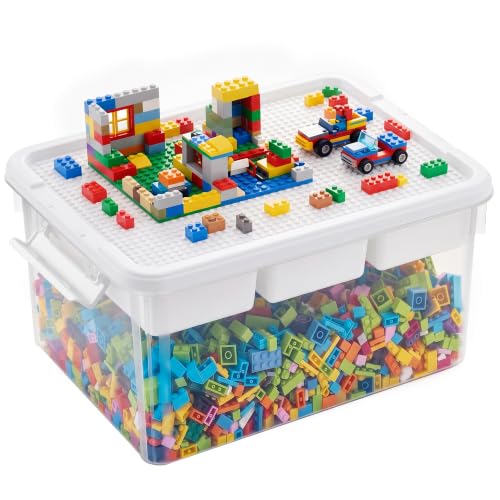
Citylife 17 QT Plastic Storage Box Building Baseplate Lid
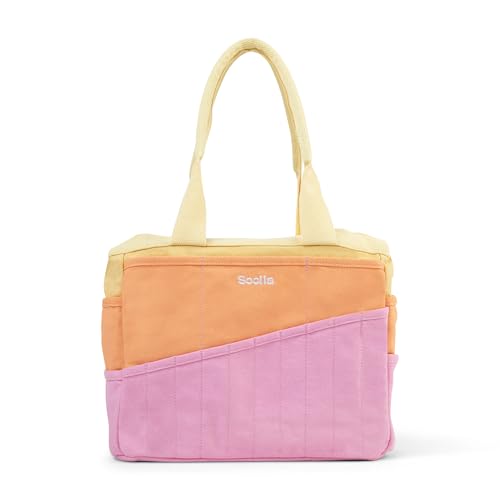
Soolla Studio Bag Art Supply Organizer Tote 30 Pockets

Soolla Studio Bag Art Supply Organizer Tote 30 Pockets

Soolla Studio Bag Art Supply Organizer Tote 30 Pockets

U.S. Art Supply Multi-Function Artist Supply Box

TILYTADLY Large Pencil Case for Boys

TILYTADLY Large Pencil Case for Boys

U.S. Art Supply Multi-Function Artist Tool Supply Box
The Strengths Of Each Pick
This clear plastic toolbox comes from the industrial storage side of the aisle rather than the craft aisle, and that shows in its construction. The shell measures 14 by 8 by 8 inches, sized to swallow glue guns, paint tubes, and a stack of sketchbooks without complaint.
The see-through body is the quiet advantage here: you can spot the right marker or blade from across a busy classroom shelf. A removable top tray keeps small items like erasers and pencil sharpeners separated from bulkier gear below, and a padlock eye lets you secure contents in shared spaces.
Real-World Strengths
- Industrial-grade plastic shrugs off daily drops and stacked storage in an art room
- Rounded edges make it safer around younger students than sharp-cornered metal boxes
- Removable tray sorts small tools so you are not digging through everything mid-project
- Steel latch hardware tends to outlast the plastic tabs found on cheaper craft bins
- Padlock eye adds security for shared studios or classroom carts
Things To Consider
- No built-in dividers beyond the tray, so organizing fine tools means adding your own inserts
- Clear plastic can look scuffed after years of heavy handling, though function stays intact
Key Specs
Who It Suits Best
Teachers, art-room coordinators, and anyone hauling supplies between home and a shared workspace will get the most from this box.
Where Another Pick Suits Better
For delicate brushes and pencils you want padded and pocketed, the Soolla Studio Bag offers softer protection than this hard shell.
Where the Akro-Mils box is all business, this Citylife set leans playful. You get two 17-quart boxes, and each lid doubles as a building baseplate compatible with popular interlocking bricks, which turns cleanup time into playtime for kids who resist both.
Inside, five removable partition trays let you sort beads, crayons, minifigures, or puzzle pieces however your household needs. For families juggling crafts and construction toys in the same room, that flexibility earns its keep.
Useful Highlights
- Baseplate lid gives bricks a permanent home right on top of their storage
- Five trays per box mean tiny pieces stop migrating into one mixed pile
- Coming as a pair, the set covers two kids or splits craft versus toy duty
- 17-quart capacity swallows a surprising amount of bulky supplies
Small Caveats
- Plastic latches on budget bins like these can loosen over years of enthusiastic opening
- The baseplate lid only helps households that actually own compatible bricks
Made For
Parents of school-age kids who need one container to handle art supplies, small toys, and the inevitable brick collection.
Swap It Out When
Adults organizing professional-grade tools will find the Akro-Mils toolbox sturdier for heavy loads than this family-oriented set.
Hard boxes protect supplies well, but potters and yarn crafters tend to reach for something softer. This washable tote spreads thirty pockets around a roomy center compartment, giving loop tools, crochet hooks, and needle sets individual homes instead of a shared jumble.
Because the whole bag is machine washable, clay dust and fiber lint wipe away instead of settling in permanently. With more than fifteen colorways available, it also looks at home on a living room shelf, which matters when crafting happens in shared spaces.
Noteworthy Benefits
- Thirty pockets separate fine tools so nothing scratches or tangles
- Washable fabric handles clay residue and yarn fuzz far better than lined wood boxes
- Wide color selection lets you match your studio aesthetic
- Soft sides squeeze into crowded shelves where rigid boxes will not fit
Points To Note
- Fabric offers less crush protection for fragile pastels or glass palettes than a hard case
- Owners commonly report wanting more interior depth for taller bottles and spray cans
Feature Snapshot
Right Fit For
Pottery students, crocheters, and knitters whose tools are numerous, small, and better served by pockets than deep drawers.
Another Choice May Suit
Sketch artists carrying fragile charcoal and graphite may prefer the rigid U.S. Art Supply beechwood box for its solid walls.
This listing covers the same beloved Soolla design in a different available colorway, which sounds minor until you realize how often the choice comes down to aesthetics. The core formula stays identical: thirty exterior pockets, a generous center well, and fabric you can toss in the wash.
In practice, the tote moves between roles easily. One week it carries pottery ribbons and ribs to a weekly class; the next it holds a crochet project on the couch. Few rigid boxes adapt that gracefully.
What Pays Off
- Same thirty-pocket layout keeps hooks, needles, and ribs sorted by task
- Machine-washable construction survives messy media like clay and dye
- Doubles as a yarn or crochet project bag without modification
- Collapses flat for storage between projects, unlike hard-sided cases
Less Ideal Details
- Zipper and seam wear is the usual long-term concern with soft bags used daily
- Deep-pocket fans may find shallow exterior slots limit larger tool storage
Built With In Mind
Hobbyists who split time between several crafts and want one bag that reorganizes itself around whatever they are making this month.
Reach For A Different Pick When
Kids who need zipped security for backpacks will do better with the TILYTADLY pencil case, which closes fully against spills.
The third Soolla variant rounds out the trio, and it earns its badge for a simple reason: soft-sided organizers travel better than boxes. There is no lid to crack, no latch to snap, and the tote shape slides into a tote-bag-and-easel setup without fighting for space.
For anyone heading to a weekly pottery class, a craft retreat, or a friend’s kitchen-table workshop, the thirty pockets mean you arrive organized instead of pouring supplies out of a grocery sack. The washable fabric also forgives the bumps of transit.
The Upside
- Soft structure packs into tight car trunks and crowded class totes
- Thirty pockets keep tools sorted through bumpy commutes
- Washable material handles the dust and debris travel creates
- Multiple colorways make it easy to claim your bag in a group setting
Where It May Fall Short
- Without a rigid frame, heavier loads can slump and bury bottom-layer items
- Fabric exteriors pick up stains faster than wipe-clean plastic over years of use
Whose Shelf It Belongs On
Students and workshop regulars who carry supplies to classes or group sessions more often than they store them at home.
Consider Something Else When
Homebound artists with a dedicated studio shelf may prefer the locking U.S. Art Supply wooden case for its dust-sealed lid.
Unfinished beechwood gives this artist box a classic look the plastic options cannot match, and the material has real substance behind it. Beechwood is dense and shock-resistant, which is why instrument makers have favored it for generations.
Locking clasps hold the lid closed against dust and accidental spills, and a carry handle makes the box easy to move from desk to easel. Inside, the layout is built around brushes, pencils, and erasers, keeping everyday drawing tools within one compact footprint.
Key Advantages
- Solid beechwood body resists warping and protects fragile drawing tools
- Locking clasps keep the lid sealed during transport and storage
- Compact single-box design fits neatly on a desk or bookshelf
- Natural finish takes stain or varnish beautifully if you want a custom look
Trade Offs
- Unfinished wood needs occasional conditioning to stay smooth in dry climates
- Fixed compartments offer less reconfiguration freedom than removable-tray designs
At A Glance
Best Suited To
Sketch artists and illustrators working primarily with pencils, pens, and brushes who want their storage to look as considered as their work.
Look Elsewhere When
Anyone needing drawer-style layered storage should step up to the U.S. Art Supply tool box version reviewed later in this list.
Not every art supply organizer lives on a studio shelf. This zippered pouch is built for backpacks, with multiple zipper compartments that keep pens, markers, erasers, and small tools from mingling into chaos during a school day.
The gamer-themed styling does real work here too. Kids who would never carry a plain case tend to actually use this one, and a pouch that gets used is worth more than a fancier box left at home. Zippers close fully, so nothing shakes loose in transit.
Useful Touches
- Separate zippered sections stop markers bleeding onto erasers and paper goods
- Large capacity holds a full school kit plus small art tools
- Full-zip closure survives being tossed into backpacks daily
- Gamer design appeals to kids who reject boring school gear
Details To Watch
- Soft pouch walls give fragile leads and pastels less protection than a hard case
- Zipper pulls on budget pouches are commonly the first part to wear with rough handling
Quick Facts
Perfect Match For
Elementary and middle school students who draw constantly and need one pouch covering both class supplies and creative tools.
Not Your Match When
Artists with a full studio kit will outgrow this quickly; the Citylife 17 QT boxes handle far larger collections.
This second TILYTADLY listing serves the same audience with its own stock and availability, and it lands in the value corner of this roundup. The layout mirrors the first: a big-capacity body, zippered compartments, and enough room for pens, pencils, markers, and the small tools kids accumulate.
For parents replacing a lost or worn-out case mid-year, having a second source for the same design is genuinely convenient. The honest read is that neither version is built for decades, but at this tier, getting through a couple of school years is a fair expectation.
Notable Upsides
- Spacious main area accommodates a growing marker and pen collection
- Zippered sections keep small erasers and sharpeners findable
- An affordable entry point for testing what capacity your kid actually needs
Potential Sticking Points
- Seams and zippers reflect the budget tier, so gentle handling extends lifespan
- Themed styling may feel juvenile to older teens
The Right Fit
Value-focused parents shopping for younger kids whose storage needs change every school year anyway.
A Better Fit Elsewhere
Teens wanting a more mature look may prefer the neutral Soolla Studio Bag over either gamer-themed pouch.
Think of this as the bigger sibling of the beechwood box from earlier in the list. Same unfinished hardwood body, same locking clasps and carry handle, but the addition of a pull-out drawer changes how you work: frequently used tools live up top, overflow lives below, and nothing needs unpacking to reach either layer.
For a serious hobbyist or a teacher demonstrating techniques, that two-tier access saves constant shuffling. It is the most capable storage in this roundup for someone whose collection has outgrown a single tray.
What Makes Sense
- Integrated drawer adds a second storage layer without doubling the footprint
- Beechwood construction protects delicate tools better than any fabric option here
- Locking clasps keep both tiers secured during moves
- Multi-compartment layout separates brushes, pencils, and erasers by category
Factors To Consider
- Wood cases weigh noticeably more than plastic when fully loaded
- Unfinished surfaces benefit from occasional waxing to resist moisture
Core Details
Who Will Love This
Advanced hobbyists, art teachers, and working illustrators whose tool count demands layered, protected storage.
Where A Sibling Pick Shines
Beginners with a modest starter kit will find the smaller U.S. Art Supply box above covers them at a lighter weight and simpler layout.
What Matters Most Before Choosing Art Supply Boxes
Match The Container To Your Medium
Soft pastels and glass palettes want rigid walls; crochet hooks and clay tools thrive in pockets. Watercolorists hauling tubes benefit from sealed lids that block dust, while knitters care more about visibility than armor. Start from what you actually own, not from what looks tidy in product photos.
Count Your Real Collection
A starter kit fits a pencil pouch. Two hundred colored pencils need divided trays or a drawer system. Measure your largest items first, since a box that fits brushes but not a 12-inch ruler will frustrate you within a week.
Think About Where Storage Lives
Shelf depth, closet width, and whether the box travels all shape the right answer. Hard boxes stack beautifully but punish cramped spaces; totes compress but slump when overloaded. Commuters and class-goers should prioritize closures that survive being carried.
Weigh Maintenance Honestly
Plastic wipes clean in seconds, fabric goes in the wash, and unfinished wood wants occasional conditioning. Choose the upkeep level you will actually sustain, because neglected storage eventually becomes another mess to organize.
Key Considerations Across These Picks
Traps First Timers Fall Into
The classic error is buying for the collection you have today. Supplies multiply quietly, and a snug box becomes useless within a year. Shoppers also overlook closure quality: flimsy latches and zippers fail long before the body does, so check that hardware first.
When Paying More Pays Off
Higher-tier cases earn their cost through materials and mechanics. Hardwood bodies, steel latches, and drawer systems add real durability and access speed. Casual users rarely need that headroom, but anyone storing fragile or expensive tools recovers the difference in protected supplies alone.
Frequently Asked Questions
What size art supply box works for beginners?
A compact case holding pencils, erasers, and a few brushes covers most starter kits. Something in the 14-inch range leaves room to grow without overwhelming a small desk.
Are wooden artist boxes better than plastic ones?
Wood protects fragile tools and looks refined, while plastic costs less and cleans faster. Your medium and maintenance tolerance matter more than the material itself.
Can a pencil case replace a full art supply box?
For sketching on the go, yes, especially multi-compartment zippered pouches. Serious collections with paints, palettes, or large pads still need a proper box.
How do I keep art supplies organized inside the box?
Group by task rather than type, keeping everything for one technique together. Removable trays and divided compartments make regrouping painless as your habits evolve.
Do fabric organizer bags hold up over time?
Quality washable totes last for years with reasonable care. Expect zippers and seams to be the first wear points, particularly with daily carrying.
Closing Remarks
The right art supply box is the one matching your actual workflow, whether that means a lockable beechwood case on a studio shelf or a gamer-themed pouch riding in a backpack. Start from your collection, add a little growth room, and pick the upkeep level you can live with. Any of these nine will keep your tools ready the next time inspiration shows up.
