
Watercolor rewards patience, but the wrong supplies punish it fast. Grainy pans, brushes that splay after a week, or a palette missing the one hue your painting needs all add friction to a hobby that should feel relaxing. This roundup covers artist watercolor paints and the supporting tools that make them sing, from single professional tubes to complete beginner kits. Whether you paint at a kitchen table or a dedicated studio desk, there’s a fit here for your budget and skill level.
A Fast Comparison Of The Options

Daniel Smith Extra Fine Watercolor Tube, Indigo (15ml)

Daniel Smith Extra Fine Watercolor Tube, Cobalt Blue (15ml)

Fuumuui 10Pcs Synthetic Squirrel Hair Watercolor Brush Set

CHROMATEK Watercolor Paint Set 62 Piece Kit with Video Tutorials

NAROA Artist Natural Sea Sponges for Painting (8 Pack)

GACDR Grainer Comb Brush Set for Texture Effects

RVOGJP 48 Colors Washable Watercolor Paint Set
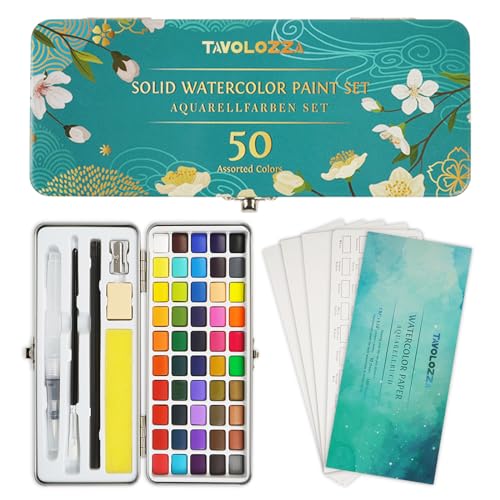
TAVOLOZZA Watercolor Paint Set, 50 Colors Gift Box

CHROMATEK Watercolor Paint Set, 128 Colors with Travel Case

Paul Rubens Full Pan Watercolor Set, 24 Colors Pocket Box
A Closer Look At Each Pick
A single tube sounds modest next to the kits later in this list, but Indigo is the kind of color working artists replace constantly. Daniel Smith formulates this one transparent and non-granulating, meaning it flows into smooth, even washes without the speckled settling some pigments leave behind.
The medium staining behavior is worth understanding before you commit: stained colors bond with paper fibers, so lifting mistakes back to white gets harder once dry. In exchange, layered glazes stay put instead of muddying when a fresh wash touches them.
Everyday Wins
- Excellent lightfastness means finished pieces resist fading on sunlit walls over time.
- Transparent, non-granulating character produces clean skies, shadows, and deep-value washes.
- Conforms to ASTM D4236, the standard labeling practice for art material safety.
- A 15ml tube lasts far longer than a pan for painters who work large.
Things To Consider
- Medium staining makes corrections tougher, so plan your lights early in the painting.
- You’ll need a separate palette and brushes, since this ships as one tube only.
Key Specs
Who It Suits Best
Intermediate and advanced painters building a professional palette who want dependable darks for shadows and night scenes.
Where Another Pick Suits Better
Total beginners will get more mileage from the CHROMATEK 62-piece kit, which bundles tubes, brushes, and tutorials together.
Where the Indigo above handles deep shadow duty, Cobalt Blue covers the other half of a classic landscape palette: clear skies and clean mixes. It sits in the same Extra Fine line, so the pigment quality matches what you’d expect from a brand known for an unusually wide color range.
Painters often reach for cobalt because it behaves predictably in wet-on-wet work, softening gently at the edges rather than blooming unpredictably. That calm behavior makes it a frequent teaching color in watercolor classes.
Standout Benefits
- Mixes cleanly toward greens and violets without turning muddy.
- Same professional-grade formulation as the rest of the Extra Fine range.
- Generous 15ml volume suits regular practice sessions.
Small Caveats
- Single-tube format means assembling a full palette takes several purchases.
- Tubes need airtight storage and a wipe-clean cap thread to avoid dried crust around the opening.
Made For
Landscape painters and students who already own warm primaries and need a reliable cool blue anchor.
Consider Something Else When
Anyone wanting a ready-made multi-color start will find better value in the Paul Rubens 24-color pocket set further down.
Paint alone won’t get you far, and this ten-piece set fills the gaps most starter collections have. The lineup spans pointed rounds, flats, cat’s tongue ovals, daggers, and oval washes, so one purchase covers fine linework through broad background coverage.
Synthetic squirrel filaments are designed to mimic natural squirrel hair’s water-holding capacity while staying cruelty-free and easier to maintain. Owners commonly report these tips spring back well after rinsing, though any synthetic brush benefits from hanging dry rather than resting bristle-down in a jar.
Advantages To Know
- Five distinct shapes let you move from thin lines to large washes without swapping sets.
- Synthetic squirrel fibers hold plenty of water for longer strokes between dips.
- Works across watercolor, gouache, and inks, stretching its usefulness beyond one medium.
- Broad size range suits both detailed illustration and loose expressive work.
Points To Note
- Synthetic tips generally hold less water than premium natural kolinsky hair, so very long strokes may need reloading.
- No case is specified, so storage organization is on you.
Right Fit For
Beginners and intermediate hobbyists rounding out a first serious brush collection without a big spend.
Look Elsewhere When
Painters chasing specific texture effects like fur or wood grain will get more from the GACDR grainer comb set below.
Starting watercolor usually means three separate shopping trips: paint, brushes, paper. CHROMATEK collapses that into one box with 26 twelve-milliliter tubes, eight brushes, a sketch pad, aquapen, palette, masking tape, and a video tutorial course to walk you through technique.
The paints are described as creamy and easily diluted, which matters because beginners often use too much pigment and too little water. Masking tape is a small inclusion that pays off quickly, since it protects crisp white borders while you learn wash control.
Well-Handled Touches
- Video tutorial course gives structure to early practice sessions instead of guesswork.
- 26 tubes offer real mixing range compared to typical beginner pan sets.
- Everything arrives together, so the first session needs zero extra purchases.
- Easily diluted texture supports blending and advanced techniques as skills grow.
A Few Limitations
- 12ml tubes are smaller than the 15ml Daniel Smith format, so heavy users will rebuy sooner.
- Beginner-grade pigment typically offers less lightfastness than professional lines, so display pieces may fade faster near bright windows.
Feature Snapshot
Who Should Grab It
Adults starting from zero who want guided lessons and a full toolkit rather than piecing supplies together.
Swap It Out When
Experienced painters wanting a wider shade spread including metallics will prefer the larger CHROMATEK 128-color set later in this list.
No synthetic tool quite reproduces what a natural sea sponge does to wet paint, and this unbleached eight-pack leans fully into that. Grown in the Caribbean and shaped by nature, each piece differs in color, shape, and pore texture, which is either charming or frustrating depending on how much consistency your project demands.
The natural fibers absorb heavily, letting you load more color per pass and blend smoothly across foliage, clouds, and stone textures. Beyond watercolor, they handle acrylics, dyes, clay work, pottery, and marbling, so craft households get double duty.
Useful Highlights
- High absorbency extends application time between reloads.
- Organic pore patterns create texture no manufactured tool imitates convincingly.
- Eight pieces give you varied grain options within one pack.
- Compatible with oils, watercolors, acrylics, fabric paints, dyes, and clay.
Where It May Fall Short
- Natural variation means no two sponges match, so repeatable effects take experimentation.
- Rinse thoroughly after each session and air dry flat, since trapped pigment can sour natural sponge material.
Who Will Love This
Mixed-media artists, potters, and anyone adding organic texture to landscapes or ceramics.
Another Choice May Suit
Detail-focused illustrators needing precise edges are better served by the Fuumuui pointed round brushes from earlier in the list.
This is the niche pick of the list, and happily so. Four comb-tip filbert brushes in quarter-inch through five-eighths widths drag parallel lines of pigment in a single stroke, producing fur, feathers, grass blades, hair strands, and wood grain faster than any round brush could manage.
The Korean synthetic nylon bristles suit acrylic, watercolor, gouache, and oil alike. Compared to the general-purpose Fuumuui set, these do one job exceptionally rather than many jobs adequately, which is exactly why texture painters keep a comb set on hand alongside their rounds.
Reasons It Performs
- Four graduated widths cover fine whiskers up to broader grass sweeps.
- Comb tips lay multiple simultaneous lines for convincing fur and feather texture.
- Synthetic nylon cleans easily across water-based and oil media.
Less Ideal Details
- Comb bristles demand gentle cleaning; dried paint wedged between tines is the most common complaint with this brush type.
- Too specialized to serve as a primary everyday brush set.
Best Suited To
Animal portraitists, botanical painters, and decorative artists who regularly render fur, foliage, or faux wood finishes.
Not Your Match When
General learners building foundational skills should start with the CHROMATEK 62-piece kit instead, then add combs later.
Households with young painters need one quality above all others: forgiveness. This 48-cake set is washable, non-toxic, and paired with both a standard brush and a refillable water brush pen, the latter being a reservoir pen that blends with plain water and spares kids the jar-and-rag routine.
The fine pigment powder dissolves readily, and the manufacturer highlights good transparency with a natural blooming effect on paper. Against the Paul Rubens set coming up, these cakes trade some pigment intensity for easy cleanup, a fair swap at a family craft table.
Points In Its Favor
- Washable formula lifts out of clothing and surfaces far more readily than artist-grade paint.
- Refillable water brush pen simplifies blending and shading for small hands.
- 48 shades give kids room to explore color mixing without running out of options.
Practical Considerations
- Cake pans are shallower than full pans, so larger brushes can be awkward to load.
- Expect lighter saturation than student or professional grades once dry.
The Numbers That Matter
Perfect Match For
Families, classrooms, and casual weekend painters who value easy cleanup over archival pigment strength.
Reach For A Different Pick When
Serious students wanting richer, chalk-free color should step up to the Paul Rubens full pan set reviewed below.
Packaged as a gift box and stocked like a portable studio, this set bundles 42 classic shades with four metallic and four fluorescent colors, plus 300gsm watercolor paper sheets, pencils, an eraser, sharpener, flat brush, refillable water pen, sponge, and plastic tray. That’s a full sketching session in one lidded box.
The metallics earn their slot here, catching light beautifully on greeting cards and journal pages where standard matte pigment falls flat. The paints are described as non-toxic and odor-free, a sensible trait for shared spaces and travel bags alike.
A Strong Showing
- Metallic and fluorescent shades open decorative effects most basic sets skip entirely.
- Included 300gsm paper removes the thinnest-paper frustration common with cheap pads.
- All-in-one layout suits park benches, cafés, and road trips.
Details To Watch
- Only ten paper sheets are included, so regular painters will need a standalone pad quickly.
- Novelty shades aside, core pigment depth trails dedicated student brands like Paul Rubens.
The Right Fit
Journalers, card makers, and plein-air dabblers who want variety and portability in a giftable package.
Where A Sibling Pick Shines
Studio-bound painters prioritizing sheer color count will find the 128-shade CHROMATEK set a stronger anchor.
For shoppers who want maximum range under one lid, CHROMATEK’s larger kit answers with 128 pans spanning metallic, fluorescent, pastel, and opaque categories. Opaque watercolors deserve a quick definition: unlike transparent washes, they sit on the paper surface and cover underlying layers, handy for highlights and corrections.
The accessory list runs long, including a pencil, eraser, sharpener, aqua pen, brush, sponge, ten-page pad, two swatch sheets, and an artist-approved plastic palette, all housed in a travel case. Swatch sheets are a genuinely thoughtful touch, since mapping 128 colors by hand otherwise eats an entire afternoon.
Where It Excels
- 128 pans cover nearly every mixing scenario without reaching for extra tubes.
- Opaque and pastel categories expand technique options beyond classic transparent work.
- Travel case keeps the whole kit organized between sessions.
- Pre-printed swatch sheets speed up palette familiarization.
What To Weigh
- Half-pan volumes mean heavy-use favorite colors deplete faster than tube paint would.
- The breadth can overwhelm absolute beginners who haven’t yet learned restraint.
Core Details
Whose Shelf It Belongs On
Hobbyists and intermediate painters who love experimenting with unusual finishes and want one comprehensive kit.
Skip It When
Minimalist painters who prefer a curated dozen reliable colors will find the Paul Rubens pocket box calmer to work from.
Full pans change the ownership experience more than most newcomers expect. Because each of the 24 colors comes in a large full-sized pan rather than a shallow half-pan, bigger brushes load properly and the paint lasts noticeably longer under daily use.
The manufacturer emphasizes high transparency, strong pigment intensity, and a finish that stays free of chalkiness or graininess once dry. That last point separates pleasant student paint from frustrating student paint, since chalky drying is the flaw people most often report with budget sets. A metal ring on the pocket box adds a practical carry option.
A Few Highlights
- Full pans accommodate larger brushes and stretch usable life considerably.
- High transparency supports classic layered glazing techniques.
- No chalky or grainy residue after drying keeps finished work clean-looking.
- Pocket box with metal ring travels well in a bag or jacket pocket.
Trade Offs
- 24 colors is a curated range, so specialty hues like metallics require a second purchase.
- No brushes or paper ship with the set, so factor those into your total.
Product At A Glance
Built With In Mind
Students and commuting beginners who want genuine pigment quality in a grab-and-go format.
Where Another Pick Suits Better
Younger children and messy craft sessions are happier with the washable RVOGJP 48-color set from earlier.
What Matters Most Before Choosing Artist Watercolor Paints
Pigment Grade And Lightfastness
Student and professional grades differ mainly in pigment concentration and filler content. Professional lines like Daniel Smith list lightfastness ratings, which tell you whether a finished piece will survive years on a bright wall. Casual sketchbooks tolerate lower grades fine; commissioned or gift artwork deserves the stronger stuff.
Tubes Versus Pans
Tubes hold moist paint that dilutes instantly for large washes, while pans reward portability and low waste. Full pans, like those in the Paul Rubens set, split the difference by lasting longer and accepting bigger brushes than half-pans.
Matching Tools To Medium
Brushes shape your results as much as paint does. Synthetic squirrel blends hold generous water for flowing washes, while comb-tip grainers specialize in texture. Buy the tool for the technique you actually practice.
Kit Completeness
All-in-one kits such as the CHROMATEK boxes remove decision fatigue and get you painting today. The trade-off is component quality tuned for breadth rather than depth, which matters less at the start than momentum does.
Key Considerations Across These Picks
Traps First Timers Fall Into
The most common misstep is buying professional tubes before learning wash control, then blaming the paint for muddy results. The opposite error stings too: gifting a child artist-grade staining colors that ruin clothes. Match grade to the painter, not the aspiration. Also check what a kit actually includes, since several attractive boxes omit paper or brushes you assumed were inside.
What Separates Premium From Basic
Higher-tier paint concentrates more pure pigment and less filler, which shows up as cleaner mixes, stronger transparency, and documented lightfastness. Paying up makes sense once you’re finishing pieces worth keeping. Until then, a solid student set teaches the same techniques at friendlier cost.
Frequently Asked Questions
Are tubes or pans better for beginners?
Pans are more forgiving since you can’t squeeze out too much, and they waste nothing. Most teachers suggest starting with pans, then adding tubes once you paint large regularly.
What does lightfastness actually mean?
It measures how resistant a pigment is to fading under light exposure over time. Excellent-rated colors keep their appearance for decades, while fugitive ones shift noticeably within a few years of display.
Can I mix brands of watercolor paint?
Yes, watercolors mix freely across brands since they share the same gum arabic base. Just avoid mixing brands within a single dried layer, as different formulations can crack or lift unevenly.
How long do watercolor paints last?
Pan paints routinely last a decade or more, reviving with a drop of water even after hardening. Tubes eventually dry in the barrel, though many painters cut them open and reuse the contents as pan paint.
Do I need special paper for watercolor?
Regular printer paper buckles and pills almost immediately under wet paint. Paper rated at least 300gsm, like the sheets included with the Tavolozza set, absorbs water without warping and makes every paint perform better.
Closing Remarks
There’s no single right answer here, only the right match for where you stand. Start simple with the Paul Rubens pocket box or the guided CHROMATEK kit, add texture tools like the NAROA sponges as curiosity strikes, and graduate to Daniel Smith tubes when your finished work deserves archival pigment. Whatever you choose, the best supply is the one that gets you painting this week.
