
Pottery has a way of slowing an evening down, but most people never try it because classes are pricey and kilns feel intimidating. A good at home pottery kit removes both barriers: everything arrives in one box, the clay hardens on its own, and your kitchen table becomes the studio. This roundup covers ten options across three styles, from mess-free mini kits for kids to a serious motorized wheel for adults who want to throw real pieces. Whether you’re shopping for a rainy-day project or a new weekend hobby, there’s a fit here.
A Quick View Of The Lineup

Make It Real Mini Pottery Studio 26-Piece Kit

Sculpd Pottery Kit for Adults, Pastel Tones

Sculpd Pottery Kit for Adults, Matte Glaze

Sculpd Pottery Kit for Adults, Earth Tones

Catcrafter Pottery Wheel Kit (Red)
Catcrafter Pottery Wheel Kit (Grey)

Catcrafter Pottery Wheel Kit (Blue)

VEVOR 14in Pottery Wheel with Lift-Table, White
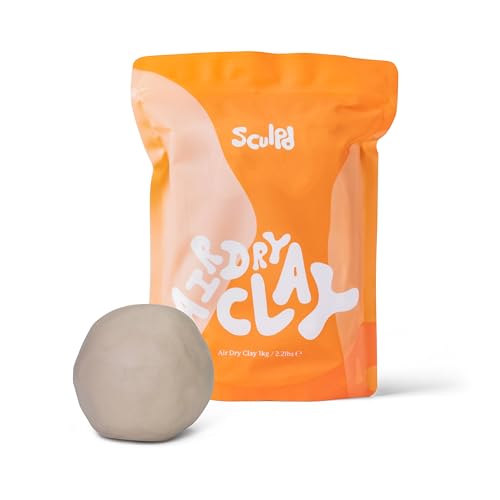
Sculpd Air Dry Clay 2.2lbs Bag

TingingYuli Kids Pottery Wheel with Air Dry Clay
Why These Options Stand Out
Miniature pottery is having a moment, and this kit leans into it with 26 pieces built around tiny, satisfying projects. The air dry clay means no oven, no noise, and no messy cleanup afterward, which parents will appreciate on a school-night schedule.
An innovative centering tool helps small hands get clay centered before shaping, the step that trips up most first-timers. Ten guided projects progress from beginner to master level, so the box keeps giving long after the first afternoon.
What Makes Sense
- Air dry clay skips the oven entirely, so finished minis just sit out to harden overnight.
- The centering tool does the hardest part of pottery for you, which keeps frustration low for kids.
- Ten structured projects give weeks of activity rather than a single-use craft.
- All materials store inside the studio itself, keeping shelves tidy between sessions.
Things To Consider
- Pieces come out miniature by design; anyone hoping for dinnerware-sized bowls should look at the Sculpd kits instead.
- The skill ceiling is real, since the projects are aimed at tweens rather than adults chasing fine detail work.
Who Will Love This
Kids around age eight and up who want a self-directed craft that produces displayable results without parental heavy lifting.
Where A Sibling Pick Shines
The TingingYuli kids wheel below suits younger children, roughly six and up, who’d rather spin clay than hand-shape it.
This is the kit to reach for when two people want to craft together. Four pounds of premium air dry clay is portioned generously enough for a pair to each build plant pots, vases, or small sculptures in one sitting, then paint and seal them.
The pastel paint set paired with gloss varnish gives finished pieces a soft, glazed-ceramic look that photographs beautifully on a shelf. Step-by-step guides and video tutorials walk you through the whole process, which matters more than any single tool here.
Where It Delivers
- Four pounds of clay comfortably serves two people, making it a genuine date-night activity.
- Waterproof gloss varnish lets finished pots hold real plants without the surface degrading.
- The five-piece sculpting tool set plus sponge covers trimming, smoothing, and detail work.
- Video tutorials shorten the learning curve for anyone who has never touched clay before.
Points To Note
- Air dry clay stays softer than kiln-fired ceramic, so very thin handles or spouts can crack over time.
- You’ll need a covered spot to let pieces cure undisturbed for a couple of days.
Built With In Mind
Adults crafting side by side, whether that’s a couple, roommates, or a parent and teen working on something together.
Swap It Out When
Anyone preferring a flatter, less shiny finish should pick the Sculpd Matte Glaze version reviewed next.
Same generous two-person format as the Pastel Tones kit, different personality. Where the gloss version mimics shiny glazed ceramics, this one seals pieces with a matte varnish that reads closer to raw stoneware, which suits Scandinavian and minimalist interiors well.
Inside you still get four pounds of air dry clay, the five-piece tool set, brushes, a potter’s sponge, and the same guided instructions. The difference is purely aesthetic, but aesthetics matter when the end goal is decor you’ll actually keep out.
Everyday Perks
- Matte varnish hides fingerprints and minor surface imperfections better than gloss finishes do.
- Finished pots remain waterproof, so herbs and succulents can live in them directly.
- The included sponge helps smooth seams, the detail that separates amateur-looking pieces from polished ones.
Honest Caveats
- Matte surfaces show dust more readily on open shelving, so expect occasional wipe-downs.
- Paint color options here lean muted; bold-color fans may prefer the pastel or earth-tone variants.
Right Fit For
Adults decorating calm, neutral spaces who want handmade objects that blend in rather than shout.
Another Choice May Suit
The Sculpd Earth Tones edition fits warmer, rustic rooms where terracotta-adjacent shades belong.
The third Sculpd variant swaps cool pastels for a warm, grounded palette that pairs naturally with wood furniture, linen, and houseplants. Everything else carries over from its siblings: four pounds of clay sized for two people, the five-tool sculpting set, brushes, sponge, and waterproof gloss varnish.
In practice, the earth-tone paints flatter organic, slightly imperfect shapes best, so lumpy pinch pots look intentional rather than flawed. That’s a forgiving combination for beginners whose first attempts won’t be symmetrical.
The Value In It
- Warm pigments complement the stone-grey clay’s natural character instead of fighting it.
- Gloss varnish delivers a fired-glaze sheen without ever needing a kiln.
- Two-person clay quantity makes it easy to split costs with a friend or gift half the experience.
Small Caveats
- The palette skews terracotta and ochre; cooler-toned rooms may clash with the finished pieces.
- Curing takes patience, and rushing the drying stage is the most commonly reported way to crack a piece.
Whose Shelf It Belongs On
Boho and cottagecore decorators, plus anyone gifting a craft night to someone with a warm-toned home.
Reach For A Different Pick When
Sharp modern interiors call for the Sculpd Matte Glaze kit instead, whose muted sealant suits those spaces better.
A spinning wheel changes the whole experience of clay, and Catcrafter bundles nearly everything a household needs to try one. The red version ships with two 6-inch bats, which are removable discs that let you lift work off the wheel without wrecking it, plus two clay blocks, five sculpting tools, brushes, a palette, twelve paints, and a water bowl.
It charges by cable rather than plugging into the wall, so the wheel can move from kitchen counter to patio table. For families, that flexibility plus the sheer volume of accessories makes this an easy group activity.
Advantages To Know
- Two bats mean one person’s piece can cure while another keeps throwing.
- Twelve vibrant paints turn finished bowls into fully decorated keepsakes.
- Rechargeable operation frees you from hunting for an outlet near the table.
- Beginner-oriented instructions ease the steep first hour that wheels usually demand.
Things To Weigh Up
- Clay splatter is part of wheel work, so lay down newspaper and keep a sponge handy every session.
- Two clay blocks go quickly with multiple users; budget for refills like the Sculpd bag later in this list.
Feature Snapshot
Who Should Grab It
Households with tweens and teens who want a shared, screen-free hobby with real equipment behind it.
Consider Something Else When
Adults committed to the craft long-term will outgrow this quickly; the VEVOR wheel further down is the sensible upgrade path.
Identical hardware to the red Catcrafter above, dressed in a grey shell that disappears into a home office or living room instead of announcing itself. The accessory list matches too: two 6-inch bats, two clay blocks, five tools, brushes, palette, container, bowl, twelve paints, and a sponge with stick.
Choosing between them comes down to taste and placement. Grey suits teens and adults who find bright red toy-like, while the red reads friendlier in a playroom. Functionally, you’re getting the same beginner-focused wheel either way.
What Helps Most
- The neutral finish blends into adult spaces, so it won’t get packed away as a “kid thing”.
- Full starter bundle means zero extra purchases before the first session.
- Storage container keeps wet tools and leftover clay contained between uses.
Less Ideal Details
- Same modest clay quantity as its siblings, so frequent users will want a refill bag soon.
- Wheel-thrown pieces still need days of undisturbed drying before painting.
Who It Suits Best
Older teens and adult beginners who want approachable equipment that doesn’t look juvenile on a desk.
Not Your Match When
Younger kids aged six to ten generally have more fun with the TingingYuli set, which adds an apron and cutting wire to the mix.
The blue variant rounds out the Catcrafter trio with the same all-in-one formula: a rechargeable wheel, two 6-inch bats, two clay blocks, five sculpting tools, two brushes, a palette, storage container, water bowl, twelve acrylic paints, and a sponge with stick. Nothing else to buy before day one.
Acrylic paint is worth calling out here, since it bonds well to dried clay and cleans off hands with just water. Compared with the grey and red versions, this one simply comes down to whichever color the recipient will actually enjoy seeing on the table.
Bright Spots
- Acrylic paints adhere reliably to cured clay and wash off skin easily after painting.
- The water bowl and sponge stick support proper centering technique from the start.
- Everything packs into the included container, keeping the hobby portable between rooms.
Details To Watch
- Beginners commonly report a wobbly first few pieces; expect a learning curve measured in sessions, not minutes.
- Like its siblings, the bundled clay limits how many practice runs you get before reordering.
The Right Fit
First-time wheel users of any age from roughly tween upward who value a complete, color-coordinated starter set.
Look Elsewhere When
Serious learners ready for larger pieces should skip straight to the VEVOR 14-inch wheel with its foot pedal control.
Every other wheel on this list is a gateway; this one is the destination. A 14-inch aluminum alloy turntable gives you room to pull tall vases and wide bowls, sizes the smaller Catcrafter wheels physically can’t center. The 450W motor drives it all through a foot pedal, keeping both hands free for shaping, which is how real studio wheels operate.
The lift-table raises the work surface up to six inches, a genuine ergonomic win during long sessions at a standard table. An ABS splash basin detaches for cleaning, and owners commonly note that hosing clay residue off the basin beats scrubbing a fixed tray by a wide margin.
Strong Points
- The large 14-inch turntable accommodates bigger, more ambitious forms than hobby wheels allow.
- Foot pedal speed control mirrors studio practice, building transferable technique.
- Adjustable height from the lift-table reduces back strain during multi-hour sessions.
- Detachable basin makes post-session cleanup far less tedious.
Trade Offs
- It’s a committed purchase: heavier, pricier, and permanently stationed somewhere in your home.
- Clay, tools, and glazes are sold separately, unlike the bundle-style kits earlier in this list.
Key Specs
Made For
Dedicated hobbyists and advancing students who’ve confirmed pottery is a lasting interest, not a passing curiosity.
Skip It When
Curious first-timers should start with a Catcrafter kit; committing to this machine before touching clay rarely ends well.
Once you own tools, buying clay alone is the smart move, and this 2.2-pound bag is the refill the Sculpd kits implicitly point toward. The clay is soft, lightweight, and shapes easily by hand, hardening at room temperature with no oven or kiln involved.
The stone-grey color is attractive enough to leave unpainted, and the surface takes paint smoothly when you do decorate. Two people can sculpt a couple of decent-sized pieces from one bag, or one person gets several practice runs.
Where It Excels
- No baking step means finished pieces simply dry on a shelf over a few days.
- The natural grey tone looks finished even without paint or varnish.
- Smooth texture accepts acrylic paint evenly, avoiding blotchy patches.
- Soft consistency suits detailed hand-building better than stiffer budget clays.
Worth Bearing In Mind
- Opened bags dry out; wrap leftovers tightly in plastic or you’ll lose a chunk of your supply.
- No tools, brushes, or sealant are included, so total newcomers should buy a full kit first.
Quick Facts
Best Suited To
Anyone who already owns sculpting tools and wants quality clay for ongoing practice or refilling a Sculpd kit.
A Better Fit Elsewhere
First-time potters should grab the complete Sculpd Pastel Tones kit, which pairs this same clay with every tool needed.
Aimed squarely at ages six through twelve, this colorful box contains a full arc of the creative process: shape on the electric wheel, let pieces air dry, paint them, and put them on display. Three packs of air dry clay, twelve paint colors, two brushes, a sponge, palette, sculpting tools, and cutting wire all ride along.
Two touches set it apart from the Catcrafter kits for younger users. A protective apron keeps clothes survivable, and the beginner guide is written for short attention spans. In most households, that combination means less parental supervision per session.
The Practical Payoff
- The included apron acknowledges reality: six-year-olds and wet clay are a messy pairing.
- Three clay packs allow plenty of failed first attempts, which is how kids actually learn.
- Cutting wire introduces proper clay-handling technique early.
- Shape-dry-paint-display flow gives kids a complete project arc they can finish independently.
Factors To Consider
- The wheel is sized for small hands and small pieces; older kids may find it limiting within a year.
- Air dry pieces stay decorative only, so painted bowls shouldn’t hold food or water.
Product At A Glance
Perfect Match For
Children aged six to twelve trying pottery for the first time, especially those who love the painting stage as much as the shaping.
Where Another Pick Suits Better
Tweens ready for more challenge will get longer service from the Make It Real Mini Pottery Studio’s leveled project system.
What Matters Before Choosing At Home Pottery Kit
Match The Format To The Person
Hand-building kits like the Sculpd line suit adults who want calm, seated creativity and display-worthy results. Wheel kits trade some precision for excitement, which lands better with kids and teens. The honest question isn’t which is better, it’s whether the recipient wants meditative or kinetic.
Count What’s Actually In The Box
Some kits include clay, tools, paints, and sealant; others ship the machine only. VEVOR’s wheel assumes you’ll source supplies separately, while Catcrafter and TingingYuli bundle nearly everything. Buying a bare wheel for a beginner usually means a second order within the week.
Think About Drying And Cleanup
Air dry clay cures at room temperature over several days and needs no kiln, but pieces stay more fragile than fired ceramic. Wheels add splatter to the equation, so a detachable basin or a nearby sink earns its keep fast.
Plan For Refills
Clay is a consumable. Every bundled kit on this list runs dry eventually, and a standalone bag like Sculpd’s 2.2-pound option is the cheapest way to keep a new hobby alive past month one.
Key Considerations Across These Picks
Traps First Timers Fall Into
The most common mistake is buying a professional-grade wheel before touching clay once. Enthusiasm fades quickly when a 450-pound commitment sits unused. Start with a bundled kit, confirm the habit sticks, then upgrade. Another trap: ignoring drying time. Rushing to paint damp clay cracks pieces, so build patience into the plan.
When Paying More Pays Off
Higher-tier gear buys capacity and control. The VEVOR’s 14-inch turntable, foot pedal, and adjustable height exist because small wheels cap what you can make. Spend up once you’re producing pieces you’re proud of and hitting the size limits of a starter wheel, not before.
Frequently Asked Questions
Do air dry clay pieces hold water?
Sealed pieces with waterproof varnish can hold moisture briefly, but air dry clay remains porous compared to fired ceramic. Treat finished pots as decorative or use them with liners for live plants.
How long does air dry clay take to harden?
Most pieces firm up within 24 to 72 hours depending on thickness and humidity. Thick bases can take several extra days, so plan display time accordingly.
Can adults use kids’ pottery wheel kits?
Physically yes, though the small turntables limit piece size and the styling skews young. Adults serious about wheel work will feel constrained quickly.
Is a pottery wheel hard for beginners to learn?
Centering clay is genuinely tricky and typically takes several sessions to click. Kits with guided instructions and generous clay supplies soften that curve considerably.
Do I need a kiln for any kit on this list?
No. Every item here relies on air dry clay, which hardens at room temperature. Kilns only become relevant if you eventually move to traditional fired ceramics.
Closing Thoughts
The right choice depends less on the products than on the person opening the box. Kids under ten will light up with the TingingYuli set, tweens get structure from the Make It Real studio, and adults crafting together can’t go wrong with any Sculpd variant. Once the hobby proves itself, the VEVOR wheel waits as the serious next step. Pick the one that matches your table, your patience for mess, and your appetite for a new obsession.
