
Automatic embroidery machines take the slow hand-stitching out of personalizing shirts, hats, bags, and gifts. Whether you’re monogramming baby onesies at the kitchen table or building a small custom-apparel side business, the right machine turns hours of work into minutes of hands-off stitching. This roundup covers ten options that span beginner-friendly single-needle units all the way up to multi-needle commercial workhorses. Each one earns its place for a specific kind of maker, so match the machine to your projects rather than chasing the biggest spec sheet.
The Shortlist At A Glance

Poolin EOC06 Embroidery Machine with 7″ Touchscreen

Poolin Embroidery Machine Thread Kit 60 Colors

Poolin EOC05 Embroidery Machine for Beginners

Smartstitch S-1001 Embroidery Machine with 10 Needles
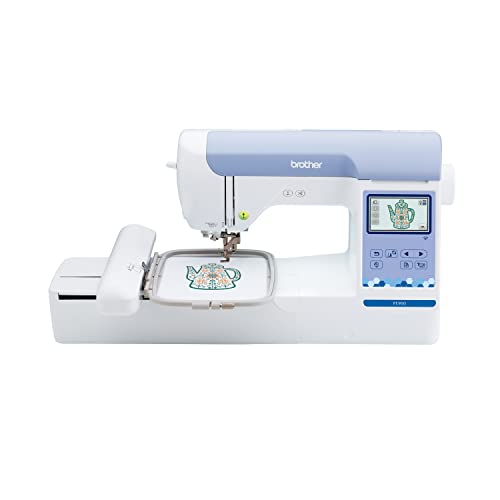
Brother PE900 Wireless Embroidery Machine

Smartstitch S-1501 Commercial Embroidery Machine 15 Needles

Smartstitch S-1501 Commercial Embroidery Machine 15 Needles
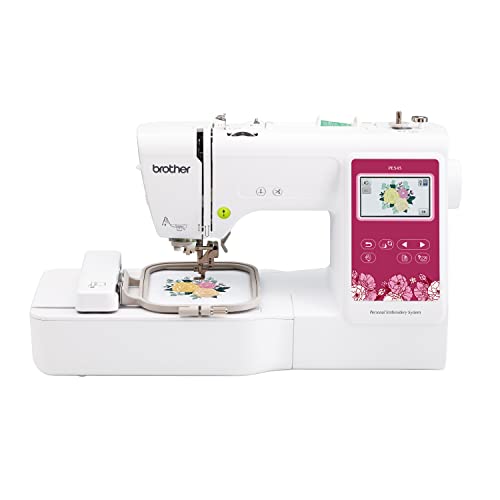
Brother PE545 Wireless Embroidery Machine 4×4 Hoop

Brother Skitch Single-Needle Embroidery Machine

Brother SE2000 Sewing and Embroidery Machine
Meet The Standout Selections
The EOC06 gives you three hoop sizes to work with, topping out at an 11 by 7.9 inch field. That’s real room for jacket-back designs, while the smaller hoops handle chest logos and sleeve work without repositioning fabric.
A 7-inch touchscreen drives the whole experience, and 200 built-in designs mean you can stitch something the same day you unbox it. USB and wireless transfer cover your own files, which matters once you start buying or digitizing patterns.
Where It Helps
- Three included hoop sizes let you switch between large panels and small placements without buying extras
- The 11 x 7.9 inch maximum area fits oversized motifs most entry machines can’t hold
- Wireless plus USB design transfer means no constant card shuffling between computer and machine
- 200 onboard designs give complete beginners something to stitch before learning digitizing software
Worth Noting
- It’s embroidery-only, so you’ll need a separate sewing machine for construction work
- Owners commonly report a short learning curve on hooping tension, so practice scraps are worth keeping nearby
Who It Suits Best
Hobbyists and gift-makers who want one machine that grows from small monograms into larger panel designs without an immediate upgrade.
Where A Sibling Pick Shines
Anyone short on desk space will find the Poolin EOC05 below a better match, since its slimmer frame and smaller field suit compact corners.
No embroidery machine does much without good thread, and this 60-spool kit from Poolin solves that problem in one purchase. Each spool runs 40WT polyester, the weight standard for machine embroidery, at roughly 800 meters per spool.
In practical terms, that’s enough yardage to complete dozens of mid-size designs before restocking. The palette spans the shades you actually reach for on apparel, so matching a client’s logo colors or a kid’s favorite cartoon rarely means placing another order first.
Benefits That Matter
- 40WT polyester resists fraying and breakage during long multi-color runs
- Roughly 874 yards per spool keeps you stitching through several projects per color
- Works with single-needle home machines across major brands, not just Poolin units
- Sixty coordinated shades cut down on last-minute thread shopping trips
Things To Consider
- Spools need a dust-free rack or drawer in humid climates, since neglected polyester can dull over time
- Specialty finishes like metallics aren’t part of this set, so those stay a separate purchase
Quick Facts
Built With In Mind
New machine owners who want a ready-to-run thread wardrobe instead of piecing together spools one project at a time.
Another Choice May Suit
Shoppers who already own a stocked thread cabinet should put that budget toward the Smartstitch S-1001 instead, where extra needles pay off faster.
Where the bigger EOC06 chases hoop size, the EOC05 chases simplicity. Its 4 by 9.25 inch embroidery area handles shirt fronts, tote bags, and hoodies comfortably, and the narrow footprint slips onto a spare shelf or craft-cart top.
You get the same 7-inch touchscreen language as its sibling, plus both WiFi and USB routes for moving designs over. Two hoops and a starter kit come in the box, which softens the usual first-week spending spree on accessories.
What Stands Out
- The tall, narrow 4 x 9.25 inch field suits sleeves, towel edges, and left-chest placements
- WiFi transfer lets you send designs straight from your computer without unplugging anything
- Two hoops and a starter kit arrive included, trimming early setup costs
- Controls are laid out for people who’ve never touched an embroidery machine before
Small Caveats
- Embroidery-only design means quilting and garment sewing happen on a different machine
- Large jacket-back designs won’t fit the field, so plan projects around the 9.25 inch limit
Right Fit For
First-time embroiderers working in apartments, dorms, or shared craft rooms who mostly personalize clothing and small gifts.
Reach For A Different Pick When
Makers planning oversized back-of-jacket work should step up to the Poolin EOC06, whose 11-inch-wide field accommodates those larger panels.
This is where hobby machines end and production begins. Ten needles mean ten threads loaded at once, so a six-color logo stitches start to finish without anyone standing by to swap cones. The 1200SPM top speed moves orders along quickly, though most everyday designs run well below that ceiling.
The 9.5 by 14.2 inch area covers flat garments, and the machine handles caps and tees too. Laser positioning takes the guesswork out of placement, which saves fabric when you’re working on customer goods you can’t replace.
Advantages To Know
- Ten needles with automatic color change remove the constant rethreading single-needle owners endure
- Auto thread trimming tidies jumps between letters and design elements without scissors
- Thread-break detection pauses work before a design ruins itself overnight
- A self-lubrication system cuts down routine maintenance sessions
- Physical buttons alongside the touchscreen speed up repetitive production tasks
Points To Note
- Multi-needle machines demand more counter space and a sturdier table than compact home units
- Learning multi-needle workflows takes longer than a basic single-needle setup, based on what new owners commonly report
Feature Snapshot
Whose Shelf It Belongs On
Sellers taking regular custom orders who’ve outgrown rethreading after every color change and need dependable daily output.
Where Another Pick Suits Better
Weekend hobbyists sticking to one or two colors per design will find the Brother PE900 simpler and less demanding to live with.
Brother’s PE900 sits in the sweet spot between toy-simple and shop-grade. The 5 by 7 inch embroidery field is the classic home-embroidery size, big enough for quilt blocks and jacket fronts while staying manageable on a kitchen table.
Wireless transfer via WLAN means designs move from your computer or compatible sources without cables. Compared with the Smartstitch S-1001 above, you trade needle count for a gentler learning curve and a lighter physical presence, which suits plenty of households just fine.
What Makes Sense
- The 5 x 7 inch field accommodates larger motifs that 4×4 machines force you to split
- WLAN connectivity streams designs over your home network, no USB stick juggling
- Built-in designs plus import support cover both quick projects and custom files
- Brother’s interface is widely regarded as one of the easiest for newcomers to learn
Trade Offs
- Single-needle operation means manual thread changes on every color stop of complex designs
- Cap and 3D hat work isn’t this machine’s strength, unlike the dedicated commercial units later in this list
Core Details
Made For
Home crafters and quilters who want a trusted brand, a roomy field, and wireless convenience without commercial-machine complexity.
Consider Something Else When
Shoppers needing built-in sewing stitches should look at the Brother SE2000 further down, which combines both functions in one chassis.
Step up from the S-1001 and you get fifteen needles, a 14 by 20 inch field, and a 270-degree wide-angle cap system. That last feature matters more than it sounds: structured hats with curved panels are notoriously difficult to hoop, and wide-angle capability opens them up properly.
The 12-inch touchscreen gives you far more editing room than the 7-inch displays on smaller units. Laser positioning, automatic color changes, and a smart control system round out a package aimed squarely at people earning money with this machine.
Notable Gains
- Fifteen needles handle dense, many-color designs without mid-run intervention
- The 14 x 20 inch area fits full jacket backs and oversized blanket corners
- Wide-angle cap system makes 3D hat embroidery genuinely practical
- Large 12-inch display simplifies on-screen design edits during production
- WiFi support keeps design files flowing from your workspace computers
Honest Caveats
- The footprint and weight demand a dedicated workstation, not a folding craft table
- Commercial-class upkeep, including regular oiling and calibration, becomes part of your routine
At A Glance
The Right Fit
Small embroidery businesses producing caps, uniforms, and team apparel on deadline, especially those doing frequent hat work.
Not Your Match When
Hobbyists with limited space get more value from the Smartstitch S-1001, which delivers multi-needle capability in a smaller frame.
This listing covers the same S-1501 platform as the previous entry: fifteen needles, a 14 by 20 inch field, 1200SPM top speed, and that 270-degree cap system. The difference comes down to availability and fulfillment, so check both listings against your timing and shipping preferences.
For shops running back-to-back orders, the S-1501’s stable structure and quieter operation make long stitching days easier on everyone in the building. Memory capacity holds massive design libraries, so your whole catalog lives on the machine.
Strong Points
- Massive internal memory stores extensive design libraries without external storage
- Sturdier frame construction keeps vibration down during high-speed runs
- Automatic color change and thread trimming reduce hands-on time per order
- Laser positioning speeds up accurate placement on customer garments
Potential Drawbacks
- Two nearly identical listings can cause ordering confusion, so confirm the seller details before checkout
- Like any industrial-style machine, expect periodic professional servicing to keep it running at spec
Who Should Grab It
Production-focused sellers who need proven multi-needle hardware and don’t mind dedicating permanent floor space to it.
Skip It When
Beginners still learning hooping basics will have an easier start with the Poolin EOC05, whose forgiving single-needle setup builds skills gradually.
The PE545 is the friendly, compact entry into Brother’s embroidery line. Its 4 by 4 inch hoop covers monograms, kids’ patches, and small motifs, which honestly describes most first-year projects anyway.
Inside you’ll find 135 built-in designs, ten frame patterns, and ten font styles for lettering, so there’s plenty to explore before importing anything. Wireless design transfer and an LCD screen keep the workflow modern despite the approachable footprint.
Key Advantages
- 135 built-in designs and ten fonts mean creative options from day one
- Wireless transfer skips cables entirely when sending new patterns
- Compact body tucks onto a bookshelf or craft cart between sessions
- Simple menu structure suits absolute beginners and occasional users alike
Room For Improvement
- The 4×4 field forces design splitting on anything larger, which adds software steps
- Owners commonly note the plastic housing feels lighter than pricier models, so a stable surface matters
Feature Rundown
Perfect Match For
Apartment dwellers, students, and casual crafters who personalize small items a few times a month rather than running production volume.
Look Elsewhere When
Quilters and garment decorators needing a bigger canvas should choose the Brother PE900, whose 5 x 7 inch field removes most size limits.
The Skitch takes a different path than everything else here: your phone is the control center. Designs are created and edited in Brother’s Artspira app, then sent to the machine over Bluetooth, no USB drive required.
For makers who already sketch and edit on a tablet or phone, that workflow feels natural. You can assemble individual elements into custom compositions right on the app before a single stitch happens. The honest caveat is dependency: the app is required, so a lost phone or app outage stalls your project.
A Strong Showing
- Bluetooth pairing replaces USB sticks and memory cards completely
- Artspira lets you build custom designs from individual elements on your phone
- Single-needle simplicity keeps threading and maintenance straightforward
- App-based editing suits younger, mobile-first creators
Things To Weigh
- The Artspira app is mandatory, so the machine offers little standalone functionality
- Bluetooth range and phone battery become part of your stitching workflow
Best Suited To
Digital-native hobbyists who design on their phones and want a cable-free bridge from idea to finished stitch.
Swap It Out When
People who prefer on-machine editing screens will be happier with the Brother PE545, which carries its own LCD and built-in design library.
Every other machine on this list does one job. The SE2000 does two, combining 241 built-in sewing stitches with 193 embroidery designs in a single computerized body. Construct a tote bag, then embroider it, all without switching machines.
A large color LCD shows designs and editing options in full color before you commit, and additional designs download through the Artspira app. Compared with the embroidery-only PE900, you’re paying more but gaining genuine sewing capability that combo owners tend to use constantly.
A Few Highlights
- 241 sewing stitches cover garment construction, quilting, and decorative seaming
- 193 built-in embroidery designs provide a deep starting library
- Full-color LCD preview reduces mistakes before stitching starts
- Artspira downloads expand the design collection over time
- One machine serves two crafts, saving both money and closet space
Minor Gripes
- Switching between sewing and embroidery modes involves swapping parts, which adds a few minutes per transition
- Combo machines carry more complexity, so the manual deserves an actual read-through
The Main Details
Who Will Love This
Sewists who already own a machine they like but want embroidery added, or makers wanting one do-everything unit for a multipurpose craft room.
A Better Fit Elsewhere
Dedicated embroiderers who never sew seams will get a simpler experience and lower cost from the Brother PE900, which focuses purely on stitching designs.
What Matters Most Before Choosing Automatic Embroidery Machines
Hoop Size Decides Your Projects
The embroidery area is the single spec that shapes what you can make. A 4×4 hoop handles monograms and patches, while a 5×7 field opens up quilt blocks and jacket fronts. Commercial fields beyond 14 inches accommodate full back pieces without splitting a design in software. Measure the items you actually plan to decorate before falling for any other feature.
Single Needle Or Multi Needle
Single-needle machines require you to rethread at every color change, which is fine for two-color designs and tedious for twelve. Multi-needle models load several cones at once and switch automatically, trading a higher price and larger footprint for serious time savings. Home hobbyists usually start single-needle; anyone selling finished goods tends to regret not going multi-needle sooner.
Connectivity Shapes Daily Workflow
USB transfer works everywhere but adds steps. WiFi and Bluetooth move designs wirelessly, and app-driven systems like Artspira turn your phone into the design studio. Choose the method matching how you already create, since friction here compounds over hundreds of projects.
Key Considerations Across These Picks
Traps First Timers Fall Into
The most common mistake is buying more machine than your space supports, then letting it sit unused because setup feels overwhelming. The opposite error is equally costly: outgrowing a 4×4 hoop within months and paying twice. Stabilizer, thread, and hoops are recurring costs, so budget for consumables, not just the machine itself.
The Case For Spending Up
Higher-tier machines earn their price through automation: auto thread trimming, color changes, and break detection convert hours of babysitting into background time. Multi-needle commercial units also hold up to daily production schedules that would wear out a hobby machine quickly. The upgrade pays off the moment orders become regular rather than occasional.
Frequently Asked Questions
Are automatic embroidery machines hard for beginners to learn?
Most modern machines are friendlier than their reputation suggests, especially models with touchscreens and built-in tutorials. Expect a few practice sessions on scrap fabric before results look polished.
Can these machines sew regular seams too?
Only combo models like the Brother SE2000 include sewing stitches. Pure embroidery machines such as the PE900 or Poolin EOC05 focus solely on decorative stitching.
What thread should I use in an embroidery machine?
Machine embroidery thread, typically 40WT polyester, is the standard choice. Hand-embroidery floss is too thick and will cause breakage.
Do I need special software to create my own designs?
Digitizing software converts artwork into stitch files, and some machines include basic editing tools. App-based options like Artspira handle simple custom designs without desktop software.
How much maintenance do these machines require?
Regular cleaning of lint and bobbin areas keeps any model healthy, and multi-needle commercial units add periodic oiling. Following the manual’s schedule prevents most common issues.
Wrap Up
Matching the machine to your actual projects beats chasing specifications every time. Casual crafters do well with the compact Brother PE545 or Poolin EOC05, while growing sellers should look hard at the Smartstitch multi-needle lineup. Combo fans get the best of both worlds from the SE2000. Start with your typical project size, then let the features follow, and whichever machine lands on your table will feel like the right call.
