
Hand knitting a hat can eat an entire weekend. An automatic knitting machine turns that same project into an afternoon, which is why these crank-and-electric looms have become so popular with crafters, parents, and small-batch makers. This roundup covers ten options across two families: circular looms for hats, scarves, and panels, plus electric i-cord makers for cords, handles, and trims. Each pick below includes honest trade-offs so you can match the machine to your yarn stash, patience level, and workspace.
Your Options, Compared

MIAOKE 48 Needles Knitting Machine Smart Weaving Loom

Caydo Automatic i Cord Knitting Machine Pro

Caydo Automatic i Cord Knitting Machine Pro (3-Speed)
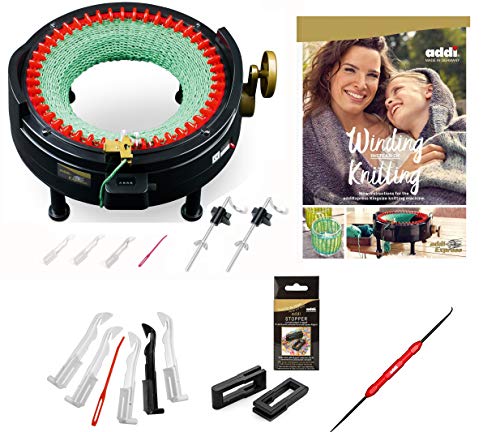
Addi Express King Size Knitting Machine Kit

Sentro 48 Needle Knitting Machine with Row Counter

Caydo Electric iCord Knitting Machine F1

BZVV Knitting Machine 48 Needles (Blue)

Etcokei iCord Knitting Machine

Sentro 48 Needle Knitting Machine for Adults

DoubleCare 48 Needles Smart Loom Knitting Machine
The Strengths Of Each Pick
The MIAOKE keeps things deliberately simple: forty-eight needles on a round loom you turn by hand, no motor, no settings to learn. That manual crank is actually a selling point for first-timers, since you feel every stitch form and learn how yarn tension behaves before investing in anything electric.
For someone who has never touched a loom, the learning curve here is gentle. You thread the yarn, turn the handle, and watch a tube of fabric grow. Families knitting winter gifts together tend to get along well with this style of machine.
Noteworthy Benefits
- Manual crank operation means nothing to break electronically and no power needed at the table
- Forty-eight needles produce a usable width for beanies and neck warmers without seaming
- The straightforward design suits kids and adults working side by side on the same project
- Compact enough to store in a closet between crafting sessions
Things To Consider
- You supply all the effort, so long projects like full blankets will test your wrist
- Plastic construction is typical of this price tier, so owners commonly report handling it gently during storage
Who It Suits Best
Complete beginners and families who want a low-stakes introduction to machine knitting.
Where A Sibling Pick Shines
The Sentro 48 Needle Knitting Machine with Row Counter adds automatic row tracking, which suits anyone tired of losing count mid-project.
An i-cord is a narrow knitted tube, traditionally made slowly with two or three double-pointed needles. The Caydo Pro automates that whole process: feed in yarn, press start, and the machine produces cord continuously while you do something else nearby.
Compared with the hand-cranked MIAOKE above, this one trades versatility for focus. It makes only cords, but it makes them fast and evenly, which matters when a single bag handle or placemat trim can consume dozens of yards. Crafters with repetitive strain issues often find electric models far kinder on their hands.
What Pays Off
- Fully electric operation removes constant monitoring, letting you prep other materials while it runs
- No hanging weights to adjust, a common annoyance with manual spool knitters
- Consistent output means matching cords for multi-part projects like coasters or trims
Small Caveats
- Single-purpose design, so pair it with a circular loom if you also want hats and tubes of fabric
- Yarn choice matters; very slippery or very fuzzy fibers may need slower feeding based on widely reported user experience
Made For
DIYers producing lots of cords for bags, jewelry, and home decor who want hands-free speed.
Another Choice May Suit
The Caydo Electric iCord Knitting Machine F1 covers the same territory at a friendlier entry point for occasional users.
This is the Caydo Pro’s faster sibling, adding three selectable speeds with the top setting rated around 60 centimeters of cord per minute. That figure translates to real output: a blanket edging or a set of bag handles stops being an evening-long chore.
Speed control is more useful than it sounds. Delicate yarns behave better on the slow setting, while sturdy cotton for trims can run flat out. Small workshops and sellers fulfilling custom orders are the natural audience here, since even, repeatable cords are what their customers notice.
Points In Its Favor
- Three-speed dial lets you match pace to yarn weight instead of forcing one tempo
- Top speed near 60cm per minute handles bulk orders without an all-day commitment
- Longer, more even cords reduce the trimming and joining work afterward
- Suits production-style use for blankets, bags, bracelets, and decorative trim runs
Worth Noting
- Higher throughput means more yarn consumption per session, so stock up before big projects
- At this capability level the investment only pays off for frequent cord makers, not occasional dabblers
Right Fit For
Crochet sellers, workshop owners, and prolific DIYers who churn out cords weekly.
Consider Something Else When
Budget-conscious beginners making cords occasionally will be happier with the Etcokei iCord Knitting Machine and its gentler learning curve.
Addi is a German brand with decades of needle-making history, and the Express King Size shows it. Forty-six metal-tipped needles sit in a sturdy housing, and the kit arrives complete: pattern book, express hook, replacement needles, stopper, and a manual row counter already fitted.
The numbers matter here. Addi rates this machine for yarn counts 4 through 8, with circular pieces around 10 to 15 inches in diameter and flat panels up to roughly 18 inches wide. That width opens up sweater panels and large cushions, territory the budget plastic looms cannot reach. One note worth planning around: as an international product, labeling and documentation may differ from domestic versions.
Strengths Worth Knowing
- German manufacturing typically brings tighter tolerances and smoother cranking than budget looms
- Flat knitting mode up to about 18 inches wide supports garments, not just tubes
- Includes a dedicated pattern book and hook designed specifically for this machine
- Replacement needles included, so a bent tip does not sideline the whole unit
Potential Sticking Points
- International sourcing means instructions and packaging may arrive in another language
- Costs considerably more than the Sentro-class machines, a real hurdle for casual users
At A Glance
Whose Shelf It Belongs On
Committed hobbyists and small-batch sellers who want garment-capable output and durable hardware.
Swap It Out When
Anyone testing whether machine knitting clicks for them should start with the BZVV 48-needle model before committing to this price bracket.
The Sentro name comes up constantly in beginner knitting communities, and this Cyandream-sold version explains why: dual modes. Tube mode knits seamless rounds for hats, while panel mode produces flat sections for scarves and patchwork blankets.
The built-in row counter is the quiet hero. Losing track of rows mid-hat is the most common frustration new machine knitters report, and having the tally recorded automatically keeps stitch patterns consistent. Compared with the bare-bones MIAOKE earlier in this list, that counter alone justifies the step up for anyone following patterns.
Positive Points
- Switchable tube and panel modes cover both hats and flat scarf projects on one machine
- Smart row counter tracks progress automatically, protecting pattern accuracy
- Hand-crank design builds hand-eye coordination and works anywhere without outlets
- Forty-eight needles give enough width for standard adult headwear
Less Ideal Details
- Manual turning still demands steady rhythm; uneven cranking shows up as loose stitches
- Owners commonly recommend slow, patient threading during setup to avoid dropped stitches early on
Feature Snapshot
Who Will Love This
Pattern-following beginners who knit hats and scarves regularly and want accurate row counts built in.
Reach For A Different Pick When
Adults wanting the newest generation refinements should look at the Sentro 48 Needle Knitting Machine for Adults further down this list.
The F1 sits at the accessible end of Caydo’s cord-making lineup. It uses a patented electric mechanism to pull yarn through and emit finished i-cords automatically, no cranking required. For the cost of a nice skein or two, you get a genuine power tool for cords.
Where does it fit against the pricier Caydo Pro models? Think occasional use. Placemats, coasters, name crafts, and the odd handbag handle all fall comfortably within its range. Heavy production runs belong on the 3-speed version instead, but for weekend crafters the F1 delivers most of the benefit at a fraction of the outlay.
Advantages To Know
- Electric automation eliminates the hand fatigue of twisting cords manually
- Patented design aimed specifically at neat, uniform cord output
- Finished cords suit household decor projects like coasters and placemats right away
Details To Watch
- Single fixed speed, so delicate yarns need careful feeding compared with the adjustable Pro
- Narrow purpose means it complements rather than replaces a circular loom
The Right Fit
Casual crafters curious about i-cord projects who want electric convenience without a big spend.
Look Elsewhere When
Workshop-scale cord production calls for the Caydo Automatic i Cord Knitting Machine Pro (3-Speed) and its higher throughput.
BZVV’s blue 48-needle loom follows the familiar Sentro-style formula: hand-cranked, dual mode, row counter included. What sets it apart is positioning. This is the pick to hand a curious teenager or wrap as a holiday gift, where the goal is fun first and technique second.
Functionally it overlaps heavily with the Sentro reviewed earlier, offering the same tube-and-panel flexibility and automatic row counting. The differences live in finish quality and consistency, areas where you may find the Sentro slightly more refined depending on the batch. As a low-commitment entry point, though, it’s hard to argue with.
Notable Gains
- Row counter records weaving rows accurately, keeping simple patterns on track
- Gentle learning curve suits children developing hand-eye coordination alongside adults
- Tube and panel modes let one affordable machine cover hats and flat pieces
Things That May Matter
- Build quality sits at the value end, so gentle handling and careful storage extend its life
- Some units may need a break-in period before the crank turns smoothly, based on commonly reported owner feedback
Who Should Grab It
Gift shoppers and parents introducing kids to machine knitting without a serious financial commitment.
Not Your Match When
Adults planning daily use will appreciate the sturdier feel of the Addi Express King Size Knitting Machine Kit.
Two details make the Etcokei stand out among the cord makers here. First, it ships with two tension weights, small attachments that keep yarn taut and stitches even during knitting. Second, the package includes both a written manual and video tutorials walking through threading and operation.
That support matters more than spec sheets suggest. Threading an i-cord machine correctly is the single biggest stumbling block for newcomers, and clear guidance shortens the frustration phase considerably. The automatic rotation system produces continuous, smooth cord, and the maker positions it as approachable for kids and adults alike.
Notable Upsides
- Included tension weights stabilize yarn for smoother, more even cords than weightless setups
- Video tutorials plus a printed manual shorten the setup learning curve dramatically
- One-press operation turns yarn into finished cord without manual twisting
- Continuous rotation output finishes longer projects faster than traditional spool tools
A Few Limitations
- Cords only; you’ll want a circular loom alongside it for hats and garments
- Beginners commonly report the first few inches of cord take practice to get perfectly even
Quick Facts
Perfect Match For
First-time cord makers who value guided tutorials and stable tension over raw speed.
Where Another Pick Suits Better
High-volume crafters needing adjustable pacing will prefer the Caydo Automatic i Cord Knitting Machine Pro (3-Speed).
This fourth-generation Sentro takes the platform reviewed at number five and refines it for grown-up hands and expectations. The smart row counter carries over, recording each woven row so fabric stays consistent across long sessions, and the build targets adults rather than family play.
The generation bump shows in the details: smoother needle action and a more considered kit layout, according to the product positioning. Anyone who started on a basic loom and now knits weekly will notice the difference in comfort during hour-long sessions. It remains a hand-crank machine, so expect effort, just less friction.
What Works In Its Favor
- Fourth-generation design refines the proven Sentro formula for regular adult use
- Smart row counter maintains fabric consistency across multi-session projects
- Full circular loom kit arrives ready for hats, scarves, and panel work
- Steadier needle action supports longer knitting sessions with less fatigue
Trade Offs
- Still manual, so very large blanket projects demand patience and steady cranking
- Plastic body needs sensible storage; leaving it in direct sun or cold garages shortens its lifespan
Built With In Mind
Adult hobbyists moving up from entry-level looms who knit several times a week.
Skip It When
Garment-scale flat panels matter most; the Addi Express King Size Knitting Machine Kit offers wider flat-knitting capacity.
DoubleCare’s rose-accented 48-needle loom closes the list with a friendly, family-first personality. Two knitting modes cover quick hats and scarves, and the brand leans into the shared-experience angle: parent and child working the crank together on a rainy afternoon.
Speed is the headline claim here, with the manufacturer noting a hat can come off the machine quickly once threading is mastered. Against the BZVV reviewed earlier, this one emphasizes the same beginner accessibility with a warmer aesthetic and similar dual-mode flexibility. Neither will replace a professional machine, and neither tries to.
What It Does Well
- Dual modes switch between tubular hats and flat scarves without extra equipment
- Fast results keep younger crafters engaged instead of losing interest mid-project
- Row counter helps kids and adults alike track progress toward a finished piece
Points To Note
- Initial threading takes practice; rushing it commonly causes dropped first rows
- Decorative accents mean wiping dust from crevices during storage keeps it looking fresh
Core Details
Who It Suits Best
Families wanting a shared creative activity that produces wearable results within a single sitting.
A Better Fit Elsewhere
Solo adults chasing finer stitch control will get more mileage from the Sentro 48 Needle Knitting Machine for Adults.
Choosing Between These Machines Without Regret
Match The Machine To Your Projects
Start with what you actually want to make. Hats, scarves, and blanket squares point toward a 48-needle circular loom with dual modes, while bag handles, plant hangers, and decorative trim call for a dedicated i-cord maker. Buying a cord machine hoping to knit sweaters leads to disappointment, and vice versa.
Count Your Needles And Your Patience
Needle count determines fabric width. Forty-eight needles handle adult hats comfortably, whereas wider garments need the Addi’s 46-needle king-size format with its broader flat-knitting span. Hand-cranked models cost less and teach you the mechanics; electric versions trade money for speed and reduced wrist strain over long sessions.
Factor In Support And Setup
Tutorials, included weights, and row counters sound minor until you’re stuck mid-threading with dropped stitches. Machines like the Etcokei bundle video guidance precisely because setup trips people up. First-time users should weigh included learning resources as heavily as any hardware spec.
Key Considerations Across These Picks
Traps First Timers Fall Into
The most common mistake is buying on needle count alone and ignoring yarn compatibility. Chunky yarns jam fine-gauge machines, and thin yarns slide off coarse ones. Another frequent misstep: skipping the practice swatch. Run a few rows of scrap yarn before starting real projects, because threading errors caught early save hours of unraveling later.
When Paying More Pays Off
Higher-tier machines earn their cost through materials and tolerances. Metal needles, German engineering, and replacement parts mean years of smooth cranking instead of a season. Frequent knitters recoup that difference quickly; once-a-month crafters usually won’t. Spend up only when usage frequency justifies durability.
Frequently Asked Questions
Are automatic knitting machines suitable for total beginners?
Yes, especially hand-cranked 48-needle models designed for newcomers. Most people produce a simple hat within their first few sessions after practicing threading.
What’s the difference between a circular loom and an i-cord machine?
A circular loom knits wide fabric like hats and panels, while an i-cord machine produces narrow tubes used for handles and trim. Many crafters eventually own one of each.
Do these machines work with any yarn?
No, yarn weight must match the machine’s gauge. Most 48-needle looms perform best with medium-weight yarns, and the Addi specifies yarn counts 4 through 8.
How fast can a knitting machine really go?
Electric i-cord models can reach around 60 centimeters per minute at top speed. Hand-cranked looms depend on your rhythm, but a basic hat typically takes well under an hour once you’re comfortable.
Can children use these machines safely?
Hand-cranked looms are generally kid-friendly with supervision, since there’s no motor or heat. Electric models involve moving parts, so adult guidance is wise for younger users.
Closing Thoughts
The right machine depends less on specs and more on honesty about your habits. Weekend crafters and families will love the Sentro and DoubleCare looms, while dedicated makers should eye the Addi or the 3-speed Caydo Pro. Whichever direction you lean, start with a scrap-yarn practice run and let the machine earn your trust one row at a time.
