
Making a quilt for a new arrival means every choice matters, from the print on top to the batting inside. The right fabric feels gentle against skin, washes without complaint, and still looks sweet after months of daily use. This roundup gathers ten options that cover both sides of that job: printed cottons for the patchwork face, batting for the middle layer, and even a plush minky for the backing. Whether you’re sewing your first charm-square quilt or finishing a nursery wall hanging, you’ll find something here that fits the project and the person making it.
A Snapshot Of The Selections
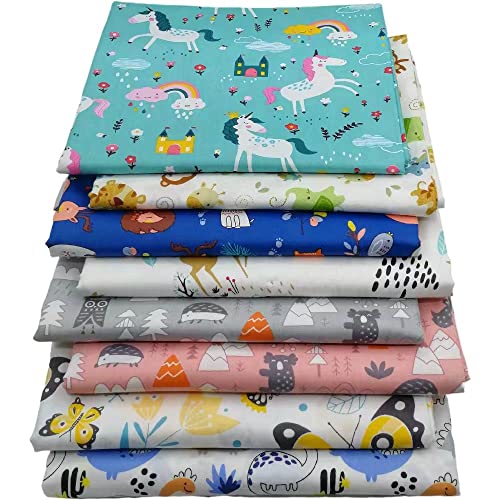
LitoTree Animal Theme Fat Quarters Cotton Bundle 8pcs
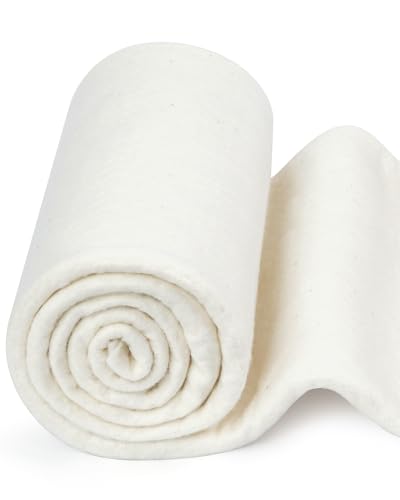
FIVEIZERO Natural Cotton Quilt Batting 47Inch x 1Yard

SZRUIZFZ Dinosaur Charm Packs Quilting Squares 5 inch 42Pcs

Whaline Spring Floral Greenery Fat Quarters 12Pcs

Whaline Retro Floral Pink Fat Quarters 12Pcs

Hoiny Natural Cotton Crib Batting 47″ x 59″

Susybee Lal the Lamb Quilt Panel 36″ Pink

Fabric Traditions Jungle Babies Nursery Panel 36″
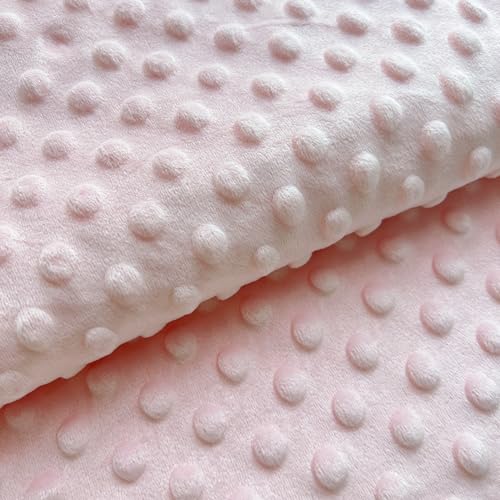
LMAEZNER Minky Dot Fabric by The Yard Light Pink

Whaline Safari Watercolor Fat Quarters 12Pcs
Why These Options Stand Out
A fat quarter measures roughly 18 by 22 inches, which gives you enough surface area to cut several five-inch squares or a small appliqué from each piece. That size makes this eight-piece animal bundle a sensible starting point for a crib quilt top, since you get variety without committing to full yards of any single print.
The twill weave here is denser than many budget bundles, so the fabric feels smooth under a rotary cutter rather than fuzzy at the edges. Parents sewing for toddlers tend to appreciate how well animal motifs hold a child’s attention during story time.
Positive Points
- All-cotton construction keeps the finished quilt soft against delicate skin.
- The dense twill weave resists fraying while you piece, which means cleaner seams.
- Eight coordinated animal prints give you a ready-made color story with zero matching work.
- Eco-friendly production appeals to shoppers building a low-waste nursery.
Things To Consider
- Eight pieces covers a small quilt top, so larger projects will need a second bundle or a border fabric.
- Owners commonly report prewashing is wise, since new cottons can shrink slightly on first laundering.
Who It Suits Best
Hobby sewists planning a compact animal-themed baby quilt or play mat will get the most from this set.
Where A Sibling Pick Shines
Quilters wanting more pieces per pack should look at the SZRUIZFZ dinosaur charm squares instead, whose 42-count format suits faster assembly.
Every quilt needs a middle layer, and batting is the term for that insulating filling sandwiched between the top and backing. FIVEIZERO sells its natural cotton version by the yard at a generous 47-inch width, so you can trim exactly what a project demands rather than wrestling an oversized roll.
In practice this suits the scattered approach most home sewists take: one week potholders, the next a lap quilt. The vacuum-packed cut flattens in storage, which matters when your sewing corner doubles as a dining room.
Useful Strengths
- Unbleached natural cotton breathes well, keeping lightweight quilts comfortable year-round.
- The 47-inch width accommodates crib and throw layouts without piecing seams.
- Four length options let you match the cut to the project instead of overbuying.
- Works beyond quilts, cushion fills and coaster sets included.
Small Caveats
- Compressed packaging leaves creases at first; a rest period or light pressing evens things out.
- A single yard runs short for anything bigger than a throw, so measure before ordering.
Feature Rundown
Made For
Mixed-project crafters who keep several small sewing jobs running at once will find this the flexible middle layer they reach for repeatedly.
Skip It When
Anyone committed to a full crib quilt should step up to the Hoiny 47-by-59-inch batting below, which arrives sized for that exact job.
Charm packs are stacks of precut five-inch squares, and they remove the most intimidating part of quilting: cutting. With 42 pieces drawn from seven different dinosaur patterns, six of each, this SZRUIZFZ set lets you lay out a complete baby-quilt grid before you ever touch shears.
The woven cotton carries a quilt-and-fashion weight, meaning it drapes nicely whether it ends up in a blanket or a bib. Compared with the LitoTree fat quarters above, you trade cutting flexibility for speed, and for a first quilt that trade usually pays off.
Everyday Wins
- Uniform five-inch cuts mean straighter seams and less frustration for newcomers.
- Seven coordinated dino designs create visual rhythm without extra shopping.
- Leftover scraps feed smaller crafts like burp cloths or stuffed toys.
- Woven cotton presses flat, so block corners stay crisp through assembly.
Points To Note
- Five inches limits you to small-scale piecing; large feature blocks are off the table.
- Print placement varies square to square, which some makers find charming and others find unpredictable.
Quick Facts
Right Fit For
First-time quilters and gift-makers on a deadline benefit most from the grab-and-sew convenience here.
Another Choice May Suit
Sewists wanting bigger design freedom per print will prefer the Whaline safari fat quarters further down, whose 18-by-22-inch pieces allow fussy cutting.
Twelve distinct designs in one pack is a lot of creative runway, and this Whaline bundle spends all of it on a pink-and-green spring palette dotted with flowers and leafy greenery. Each piece runs the standard fat-quarter size, roughly 18 by 22 inches, so there’s room for sashing strips as well as blocks.
You may find the palette leans bright for a minimalist nursery, though that same vibrancy is exactly what makes it shine in party decor and seasonal table runners alongside the quilt itself.
Where It Delivers
- Twelve different prints eliminate the guesswork of mixing fabrics yourself.
- The floral-and-foliage theme transitions easily from baby quilts to tote bags and bunting.
- Cotton content takes crisp folds, helpful for precise half-square triangles.
- Generous quantity supports both a quilt top and matching accent pieces.
Less Ideal Details
- The saturated pink-green scheme won’t suit neutral or gender-agnostic nurseries.
- As with most printed cottons, a cold-water first wash helps lock colors in.
Who Will Love This
Makers decorating for a spring baby shower or a pastel-toned girl’s room will find this bundle does double duty beautifully.
Consider Something Else When
Shoppers after a softer, more vintage mood should compare the retro rose version from the same brand, reviewed next.
This is the quieter sibling of the greenery bundle above: same twelve-piece count, same fat-quarter dimensions, but the prints shift toward retro-style roses rendered mostly in pink. Where the spring pack shouts, this one hums, and heirloom-style quilts tend to reward that restraint.
The honest read is that these two Whaline packs serve different rooms. Pair this one with cream or sage solids and you get a vintage nursery look that photographs wonderfully at showers and stays tasteful for years.
The Helpful Details
- Retro rose motifs lend a timeless quality that outlasts trend-driven prints.
- Twelve unique designs still provide plenty of variety within a calm palette.
- Standard 18-by-22-inch cuts handle both blocks and binding strips.
- Cotton body behaves predictably under machine quilting.
What To Weigh
- An all-pink direction narrows your pairing options compared with a multi-color bundle.
- Retro styling may feel too grown-up for parents chasing playful cartoon themes.
Best Suited To
Sewists curating a soft, vintage-inspired girl’s nursery will get the most mileage from this refined set.
Swap It Out When
For a livelier, gender-neutral animal theme, the Whaline safari watercolor bundle at number ten offers more playful energy.
Standard crib quilts run around 36 by 52 inches, which makes this 47-by-59-inch batting a comfortable fit with trimming margin left over. Unlike the yard-cut FIVEIZERO option earlier, Hoiny ships a single purpose-sized sheet, so there’s no joining or measuring math involved.
The natural cotton construction is soft, warm, and free of noticeable odor, a detail that matters when the finished quilt goes anywhere near a bassinet or stroller. Leftover trimmings still earn their keep in potholders and tote padding.
What Helps Most
- Crib-ready dimensions save a cutting step entirely.
- Breathable cotton regulates temperature better than polyester fills in warm rooms.
- Clean, odor-free material suits baby-adjacent projects.
- Offcuts serve smaller crafts, stretching the value of one purchase.
Details To Watch
- One fixed size means twin or king projects need multiple sheets joined together.
- Natural cotton battings typically shrink a touch after washing, so plan quilting density accordingly.
Core Details
Perfect Match For
Parents and grandparents sewing their first proper crib quilt will appreciate how little prep this sheet demands.
Reach For A Different Pick When
Crafters juggling assorted small projects get better flexibility from the FIVEIZERO yard-cut batting at number two.
A quilt panel is a single printed scene designed to become the centerpiece of a project with minimal piecing. Susybee’s Lal the Lamb panel, drawn for Hamil Textiles, delivers a sweet pink lamb illustration across a 36-by-44-inch cut, big enough to anchor a whole baby quilt or stand alone as wall art.
Machine-washable care instructions make it practical for real life, not just display. Compared with assembling forty charm squares, this is the fast lane: add borders, quilt, bind, done in an afternoon.
Useful Touches
- One continuous scene skips hours of piecing labor.
- Designer pedigree gives the artwork a polished, storybook feel.
- Machine wash cold and tumble dry low keeps upkeep simple.
- The 44-inch width suits both quilts and apparel accents.
Room For Improvement
- A single panel offers no mix-and-match variety once the project is done.
- The pink lamb theme fits specific nurseries, not every palette.
At A Glance
Whose Shelf It Belongs On
Time-pressed giftmakers who want a handmade result without a multi-week schedule will love this shortcut.
Not Your Match When
Makers craving a jungle theme instead should glance at the Fabric Traditions babies panel coming up next.
Patty Reed’s Jungle Babies artwork turns a plain stretch of nursery wall into something a toddler actually wants to look at. Sold as a single panel of roughly 36 by 44 or 45 inches, it presents a cast of baby animals arranged in a scene that works equally well quilted, framed, or hung raw-edge as a tapestry.
Unlike the Susybee lamb above, this one leans gender-neutral, which widens its appeal for shower gifts where the nursery theme is still unknown. One thing worth considering: panels like this often appear in limited colorways, so grabbing the right one early avoids disappointment.
The Case For It
- Storybook jungle characters spark recognition and naming games as babies grow.
- Full-panel format finishes quickly with just borders and binding.
- Neutral animal theme suits boys’ and girls’ rooms alike.
- Doubles as a wall hanging before it ever becomes a quilt.
Points To Keep In Mind
- Exact dimensions hover around 36 by 44 to 45 inches, so measure your space before committing.
- Single-scene panels leave little room for design experimentation.
Who Should Grab It
Gift-givers furnishing a safari or zoo-themed nursery will find this panel does the heavy lifting for them.
Look Elsewhere When
Quilters who want to build their own animal collage from scratch should pick up the Whaline safari fat quarters at number ten instead.
Minky is a plush polyester fleece, and the raised 3D dots on this version add a tactile dimension babies can’t stop touching. One yard stretches about 62.6 inches wide, enough to back a good-sized baby quilt or whip up a standalone cuddle blanket in light pink.
Sewing minky takes patience: the nap shifts under the presser foot, and a walking foot plus plenty of pins make the difference between smooth seams and wavy ones. Owners commonly report the texture holds up well through repeated washing, which is what you want from anything destined for daily drool duty.
What Works In Its Favor
- Concave-convex dot texture delivers sensory comfort plain fleece can’t match.
- Extra-wide 62.6-inch cut reduces seaming on quilt backs.
- Light pink shade coordinates with most girl-nursery palettes.
- Extends beyond blankets into pillow covers, scarves, and clothing.
Trade Offs
- Plush piles shed lint during cutting, so keep a lint roller nearby.
- Multiple quantities arrive as separate packs rather than one continuous length.
Key Specs
Who It Suits Best
Sewists finishing a quilt with a snuggly backing, or anyone crafting sensory-friendly comfort items, gets real value here.
Where Another Pick Suits Better
Those needing breathable natural fibers against skin should stick with the Hoiny cotton batting at number six.
Lions, giraffes, elephants, and leafy stripes rendered in soft watercolor style close out the list, and they might be the most versatile prints here. Twelve different 18-by-22-inch cotton pieces give you a complete jungle palette that reads playful without tipping into cartoonish.
Whaline specifies that these prints resist fading through washing, a meaningful claim for anything a baby will drool on weekly. Set beside the pink floral packs at numbers four and five, this bundle suits shared nurseries and older siblings’ rooms just as happily.
Benefits That Matter
- Watercolor animal art stays charming well past the newborn stage.
- Wash-stable printing keeps colors true through repeat laundering.
- Odorless premium cotton handles cutting and sewing cleanly.
- Twelve varied designs cover quilts, banners, and party decor from one purchase.
Some Limits To Know
- Watercolor tones run muted, so high-contrast quilt layouts may need solid accents.
- Theme-specific prints have a shorter decorative shelf life than classic florals.
The Right Fit
Crafters building a gender-neutral jungle nursery, or planning matching party decorations, will squeeze the most from this set.
Another Choice May Suit
Shoppers after a softer vintage mood should circle back to the Whaline retro floral bundle at number five.
What Matters Most Before Choosing Baby Quilt Fabrics
Fiber Content Comes First
Cotton remains the default for baby quilts because it breathes, absorbs moisture, and softens with every wash. Polyester alternatives like minky bring plushness but trap heat, so many makers pair a cotton top with a minky backing for balance. Read fiber labels carefully; blends behave differently than pure weaves.
Precuts Versus Yardage
Precut squares and fat quarters save time and guarantee coordination, which matters enormously for beginners. Yardage costs less per inch and allows custom cutting, but demands accurate skills with a rotary cutter and mat. Match the format to your confidence level, not just the project.
Think About the Whole Sandwich
A quilt is three layers: the printed top, the batting middle, and the backing. Budget for all three from the start, since a beautiful top with mismatched batting disappoints. Crib-sized batting sheets simplify the math considerably.
Care Requirements Are Real
Whatever you choose will be washed often, sometimes daily. Pre-wash cottons to preempt shrinkage, follow cold-water instructions on panels, and favor prints labeled fade-resistant. A quilt that survives fifty washes beats a fragile showpiece every time.
Key Considerations Across These Picks
Traps First Timers Fall Into
The most common slip is buying gorgeous prints without checking fiber content, then discovering the blend pills after two washes. Another frequent miss: forgetting batting entirely until the top is finished. Order all three layers together, and always buy slightly more fabric than the pattern calls for, since miscuts happen to everyone.
When Paying More Pays Off
Higher-priced bundles typically justify the cost through denser weaves, fade-resistant dyes, and consistent cutting. Designer panels such as the Susybee lamb carry a premium for artwork that mass prints can’t match. For heirloom projects, that upgrade shows; for practice quilts, budget bundles do the job fine.
Frequently Asked Questions
How much fabric does a baby quilt need?
A typical crib quilt top needs roughly one to one and a half yards total, which translates to about three to four fat quarter bundles. Add batting and backing of around 40 by 60 inches each.
Should I prewash quilting cotton before sewing?
Yes, most experienced quilters prewash to remove sizing and prevent uneven shrinkage later. Wash and dry the fabric the same way you’ll launder the finished quilt.
Can minky fabric be used for the entire quilt?
It can, though minky stretches and shifts, making it trickier to quilt than woven cotton. Many sewists use it only as a backing layer paired with a stable cotton top.
What is the difference between a charm pack and a fat quarter?
A charm pack contains dozens of precut five-inch squares, while a fat quarter is a single 18-by-22-inch piece. Charm packs suit fast grid layouts; fat quarters allow larger cuts and appliqué.
Are quilt panels suitable for beginners?
Panels are among the easiest entry points because the design work is already done. You simply add borders, layer with batting, quilt, and bind.
Closing Thoughts
Building a baby quilt comes down to matching materials to the maker, not chasing a single perfect product. Beginners get the fastest win from precut squares or a designer panel, while confident sewists can mix fat quarters freely and choose batting to suit the season. Whichever route you take, prioritize natural fibers near the skin and finishes that survive the wash. The little one wrapped in your work won’t notice the seam allowances, but they’ll feel the softness for years.
