
Picking yarn for a baby project feels different from any other craft decision. Whatever you make ends up pressed against brand-new skin, dragged across a crib mattress, and run through the wash more times than you can count. This roundup sorts through bulky chenille blanket yarns, classic lightweight baby acrylics, and playful novelty options so you can match the fiber to the project instead of guessing. Whether you’re stitching a shower gift in a weekend or building a stash for months of amigurumi, there’s a fit here for your hook or needles.
An Overview Of The Picks
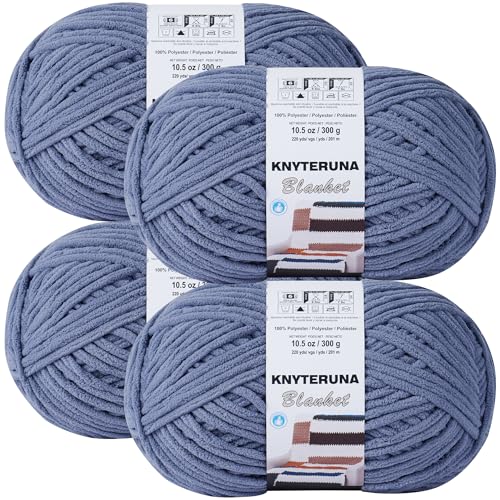
Knyteruna #6 Super Bulky Blanket Yarn, Blue Gray

Knyteruna #6 Super Bulky Blanket Yarn, Charcoal Grey

Knyteruna #6 Super Bulky Blanket Yarn, Country Blue

Bernat Softee Baby Yarn Pale Blue 3-Pack

Katech 20 Skeins Cotton Crochet Yarn Set

Bernat Pipsqueak Candy Girl Yarn 3-Pack

Bernat Pipsqueak Chocolate Yarn 3-Pack

Bernat Pipsqueak Funny Bunny Print Yarn 3-Pack

Bernat Softee Baby Yarn Baby Baby 3-Pack

Bernat Softee Baby Yarn 5 oz Baby Denim Marl
More On The Choices That Made The List
This is size 6 super bulky chenille, which means each stitch covers serious ground. A single skein carries 300 grams and roughly 220 yards, so the four-skein pack gives you close to 880 yards of thick, plush fiber. That’s enough for a generous throw or a crib-sized blanket worked up over a couple of evenings.
The blue gray shade sits comfortably between cool and warm neutrals, which makes it an easy match for most nursery color schemes. Chenille of this weight also works up fast on big hooks, so impatient gift-givers tend to gravitate toward it.
Where It Excels
- Near 880 total yards per four-skein pack means fewer joins mid-blanket.
- Chenille construction feels velvety against skin, a real plus for tummy time mats.
- Super bulky gauge turns a simple half-double-crochet pattern into a finished piece quickly.
- Blue gray tones coordinate with both pastel and earthy nurseries.
Things To Consider
- Chenille piles can shed slightly during the first few uses until fibers settle.
- Bulky yarn eats storage space; plan shelf room for four large skeins.
Key Specs
Who It Suits Best
Crocheters who want a full baby blanket done in a weekend without babysitting a complicated pattern.
Where A Sibling Pick Suits Better
Anyone wanting finer stitch definition for garments will get more mileage from the Bernat Softee Baby Yarn Pale Blue 3-Pack instead.
Same chenille body and yardage as the blue gray version above, dressed in a deep charcoal grey. That darker tone changes the personality of a finished blanket considerably: stains and everyday handling show far less, which parents often mention as a deciding factor once a baby starts crawling.
You still get four 300-gram skeins totaling around 880 yards, so pattern math stays identical to the lighter shade. In our view this is the smarter color choice for households that expect heavy use rather than keepsake-only projects.
Useful Strengths
- Dark charcoal masks drool marks and dust between washes better than pale shades.
- Identical yardage to the blue gray pack, so existing bulky patterns transfer directly.
- Plush chenille hand-feel suits floor-time play mats and stroller blankets alike.
Worth Noting
- Deep grey can look flat under warm indoor lighting; check the listing photos against your room palette first.
Made For
Practical families who want a hardworking blanket that still photographs well in a modern, neutral nursery.
Consider Something Else When
A softer traditional palette calls for Knyteruna’s own Country Blue variant, reviewed next, which reads gentler in daylight rooms.
Country Blue rounds out the Knyteruna trio with a dusty, old-fashioned blue that suits heirloom-style blankets. It splits the difference between the muted blue gray and the near-black charcoal: colorful enough to read as “baby,” quiet enough to survive changing trends.
Spec-wise nothing shifts. You’re buying the same four 300-gram chenille skeins, the same 220-yard runs, and the same fast-working super bulky behavior. The choice here really is purely aesthetic, and that’s a nice position for a shopper to be in.
What Pays Off
- Vintage-leaning blue flatters gingham, cream, and wood-tone nursery decor.
- Full 880-yard supply supports oversized patterns without a second order.
- Thick plies hide uneven tension, forgiving for newer crocheters.
- Chenille loft makes simple rows look richly textured.
Trade Offs
- Like all chenille, finished pieces benefit from gentle cycles and air drying to preserve pile height.
At A Glance
Right Fit For
Makers sewing into a farmhouse or cottage nursery theme who still want modern easy-care fiber.
Not Your Match When
Lightweight cardigans and bonnets are the goal; Bernat Softee Baby in Baby Baby, covered later, handles fine-gauge clothing far better.
Bernat Softee Baby has been a nursery-workhorse for decades, and the formula explains why. It’s a light-weight (gauge 3) acrylic that behaves predictably on standard hooks and needles, shows clear stitch definition, and survives machine washing and drying without complaint. For anyone knitting their first baby sweater, that last point matters more than any luxury fiber argument.
The pale blue three-pack gives you matching dye lots across multiple skeins, which prevents the subtle banding that ruins larger garments. Owners commonly report finished pieces holding shape after repeated laundry cycles, though pilling can appear on high-friction areas over time.
Benefits That Matter
- Machine washable and dryable, so handmade clothes survive real parenting life.
- Gauge 3 weight matches thousands of published baby patterns exactly.
- Smooth acrylic strand makes counting stitches easier for learners.
- Gentle feel appropriate for delicate newborn skin.
Minor Gripes
- Acrylic lacks the breathability of cotton in hot climates.
- Some skeins arrive with knots; check joins early in each ball.
Quick Facts
Who Will Love This
First-time garment knitters following a printed baby pattern who want predictable, low-drama yarn.
Look Elsewhere When
Toy-making is the mission; the Katech 20-skein cotton set offers far more colors in one purchase for amigurumi work.
Twenty skeins in one box changes how you plan projects. Instead of hunting for a single coordinating ball, you open the kit and mix shades freely, which is exactly how amigurumi (small crocheted stuffed figures) gets made. Each skein blends 55 percent cotton with 45 percent acrylic, a mix that keeps the crispness of plant fiber while adding stretch and warmth.
The blend also resists pilling and wrinkles reasonably well according to the maker’s claims, and owners generally find the smaller put-ups ideal for toy parts where a full-size skein would go mostly unused.
Points In Its Favor
- Twenty coordinated colors support multi-part toys without extra shopping trips.
- Cotton-acrylic blend balances stitch definition with a touch of elasticity.
- Small skeins suit tiny components like ears, feet, and snouts.
- Doubles as stash for granny squares, coasters, and decor accents.
- Soft hand-feel translates well to baby-safe rattles and teether rings.
Softer Spots
- Individual skeins hold limited yardage; large blankets would need many kits.
- Color A assortment is fixed, so you can’t hand-select every shade.
The Right Fit
Hobbyists making stuffed animals, play food, and small gifts who value variety over volume.
Skip It When
A single-color crib blanket is the target; the Bernat Pipsqueak Chocolate 3-Pack delivers more consistent yardage in one hue.
Pipsqueak occupies its own niche: a fuzzy, brushed polyester in bulky weight 5 that looks like it belongs inside a teddy bear factory. Each 100-gram ball yields about 101 yards, and the three-ball pack totals just over 300 yards, enough for a plush lovey or a small hooded cowl.
The halo of micro-fibers obscures individual stitches, which sounds like a flaw until you realize it forgives every wobble in your tension. Compare that to the crisp Softee Baby earlier in the list and you’ll see these two serve opposite moods: definition versus pure cuddle factor.
Standout Benefits
- Brushed polyester surface mimics fur, ideal for stuffed animal bodies.
- Bulky gauge builds plush toys quickly on larger hooks.
- Machine washable, a practical win for items that will be chewed.
- Stitch-hiding fuzz smooths out beginner unevenness.
Small Caveats
- Counting stitches mid-row is genuinely difficult in this halo; use stitch markers generously.
- Lint from the fuzzy pile accumulates on dark clothing during work-in-progress sessions.
Perfect Match For
Gift-makers assembling bunny ears, bear bellies, and security blankets ahead of a baby shower.
Another Choice May Suit
Precise lacework or textured blankets call for the Bernat Softee Baby Denim Marl single instead, where every stitch stays visible.
Chocolate takes everything good about the Candy Girl shade and points it at a specific job: teddy bears. The warm brown reads convincingly as fur once crocheted, and unlike pastel novelty yarns it doesn’t fight with embroidered faces or safety eyes.
You’re working with the same 100 percent polyester build, weight 5 bulkiness, and 101-yard balls as its sibling. One practical note worth flagging: brown fuzz hides dropped stitches less obviously than lighter colors, so pause and recount more often than instinct suggests.
Bright Spots
- Brown tone doubles as realistic bear, puppy, or monkey coloring.
- Same quick bulky gauge as other Pipsqueak shades.
- Three matched balls keep ear-to-body color continuous.
Points To Note
- Dark fibers shed visible lint onto light sofas while you crochet.
- Single-shade packs limit mixing; pair with another Pipsqueak color for contrast parts.
Feature Snapshot
Whose Shelf It Belongs On
Amigurumi fans who keep a dedicated bear-pattern queue and need dependable fur-toned stock.
Swap It Out When
A pastel nursery palette dominates; the Funny Bunny print below brings patterned interest that plain brown can’t offer.
Funny Bunny adds printed color variation to the Pipsqueak formula, so a finished lovey comes off the hook looking pre-decorated. Speckled prints like this do something clever in bulky fuzz: they create visual depth without requiring any colorwork skill from you.
Expect the usual trade-off of printed yarns, namely that ball-to-ball patterning won’t match perfectly across the three included 100-gram skeins. Alternating balls every few rows, a technique called pooling management, keeps the distribution even if that bothers you.
Noteworthy Benefits
- Printed flecks add charm to plain single-stitch patterns.
- Fuzzy halo keeps the print soft-looking rather than busy.
- Same washable polyester body as the solid Pipsqueak shades.
Areas To Watch
- Print placement varies between skeins, so finished panels may differ subtly.
- Fuzz traps pet hair in animal-heavy homes; a lint roller becomes part of the routine.
Built With In Mind
Crocheters who want showy results from basic stitches, especially for bunny-themed gift sets.
Reach For A Different Pick When
Solid, predictable color blocks are needed for striped blankets; the Knyteruna Country Blue pack keeps hues uniform start to finish.
This is the gender-neutral sibling of the Pale Blue pack reviewed earlier, wrapped in a soft neutral shade that pairs with anything already in the dresser drawer. Everything structural carries over: gauge 3 light weight, smooth acrylic spin, and machine washability that keeps handmade sweaters in weekly rotation.
The honest read is that choosing between the two Softee packs comes down almost entirely to color preference. Availability fluctuates on both, so grabbing whichever shade is in stock usually beats waiting for a specific one when a shower date looms.
A Strong Showing
- Neutral tone suits any nursery regardless of theme.
- Proven light-weight gauge fits standard baby clothing charts.
- Washer-and-dryer safe construction stands up to daily outfit changes.
- Smooth strand slides easily through hooks and needles alike.
Honest Caveats
- Stock levels swing frequently; buy all skeins for a project in one order to secure matching lots.
- Acrylic can feel warmer than cotton blends during summer wear.
Best Suited To
Shower-gift knitters on a deadline who need reliable, pattern-compatible yarn in a universally acceptable color.
Where Another Pick Suits Better
Chunky textured throws are the aim; jump back up the list to the Knyteruna Charcoal Grey super bulky for dramatically faster coverage.
The Denim Marl variant sells as a single 5-ounce ball rather than a multipack, which makes it the natural try-it-first option for shoppers new to the Softee line. Its marled construction twists blue and white plies together, producing a heathered effect that resembles woven chambray once worked up.
That visual texture earns it a spot on this list despite the smaller put-up: little jackets and overalls in denim-marl look intentionally styled rather than homemade-simple. Gauge stays at 3 light, so it swaps directly into any pattern written for the multipacks above.
Notable Upsides
- Marled ply creates depth without colorwork effort.
- Single 5 oz ball is a low-commitment way to sample the yarn.
- Denim styling suits little jeans-style dungarees and jackets.
The Fine Print
- One ball limits project size; larger pieces require several balls purchased together for lot consistency.
Core Details
Who Should Grab It
Stylish gift-makers sewing miniature denim-inspired outfits who want designer looks from basic stitches.
A Better Fit Elsewhere
Volume projects needing matched lots across many skeins are safer with the Bernat Softee Baby Baby Baby 3-Pack.
What Matters Most Before Choosing Baby Yarns
Match Fiber To Project Type
Blankets tolerate almost anything, but wearables and toys have stricter needs. Garments want a light-weight yarn with consistent gauge so sleeves come out symmetrical, while stuffed animals benefit from fuzzy polyester that hides seams. Cotton blends shine for items that touch mouths, since plant fiber handles frequent hot washes gracefully.
Weight Class Drives Your Timeline
Super bulky (#6) yarn finishes a crib blanket in days; light weight (#3) can take weeks of evening sessions. Neither is better, but mismatching weight to your patience level is the fastest route to an unfinished project languishing in a basket. Check the number on the label before falling in love with a color.
Care Instructions Are Non-Negotiable
Anything destined for a baby should survive the washing machine, ideally the dryer too. Hand-wash-only fibers sound romantic until a blowout at 2 a.m. proves otherwise. Read the care line before purchasing, and prefer machine-friendly acrylics, cottons, and polyesters for everyday items.
Dye Lots And Quantity Planning
Buy every skein a project needs in one transaction. Even subtle lot differences show as faint stripes across large surfaces, and restocking later rarely produces an exact match. Multipacks simplify this by pre-matching the lots for you.
Key Considerations Across These Picks
Traps First Timers Fall Into
New crocheters often grab novelty fuzz because it feels luxurious, then struggle to count stitches through the halo. Start with a smooth light-weight strand for your first garment, and save fuzzy yarns for simple shapes. Skipping the dye-lot check is the second common slip; it quietly ruins otherwise beautiful large pieces.
The Case For Spending Up
Higher-tier yarns justify their cost through consistency: even spinning, matched lots, and predictable gauge mean less frogging (unraveling) and faster finishes. Budget strands remain perfectly usable for practice swatches and small toys. For heirloom blankets and photographed garments, the premium pays for itself in reduced frustration.
Frequently Asked Questions
What weight yarn is safest for beginner baby projects?
Light weight (gauge 3) is the friendliest starting point because stitch definition stays clear and patterns are widely available. It also works up at a pace that keeps motivation intact.
Can bulky chenille yarns go in the washing machine?
Most polyester chenilles handle gentle machine cycles, though air drying helps preserve the plush pile. Always confirm the care label on the specific band before committing.
How many skeins does a baby blanket typically need?
A super bulky blanket usually needs three to five large skeins depending on dimensions. Light-weight blankets demand considerably more yardage, often six to eight standard skeins.
Is acrylic yarn acceptable for newborn items?
Quality baby-grade acrylics are designed for sensitive skin and machine care, which is why they dominate the category. Cotton blends are a good alternative for warmer climates.
Why do my multipack skeins look slightly different in color?
Dye lots vary between production runs, and lighting exaggerates small differences. Buying all skeins for one project together minimizes visible banding.
Bottom Line
Your best choice depends on the project in front of you. The Knyteruna super bulky trio covers fast, plush blankets in three dependable shades, while the Bernat Softee multipacks handle garments with decades of proven behavior. Pipsqueak fills the toy niche, and the Katech kit stocks an entire amigurumi palette in one order. Match the fiber to the finish line, buy your full quantity at once, and enjoy the making as much as the giving.
