
Anyone who sews bags knows the frustration of a sagging tote or a strap that gives up mid-commute. The right interfacing, webbing, and hardware turn a wobbly homemade purse into something you’d proudly carry to work. This roundup covers ten supplies that solve the most common bag-making problems, from structure to closures to finishing touches.
The Main Contenders

PLANTIONAL Medium Weight Fusible Fleece Interfacing 12″ x 10 yd

CooBigo Cotton Webbing 1 Inch 12 Yards Natural

AUEAR 30 Pack Screw Back Stud Purse Feet 11 mm

CooBigo Magnetic Snaps for Purse Closures 14mm 24 Sets

Bonison 50 PCS Keychain Making Kit with Lobster Claw Clasps

SEMINI Hidden Sew Magnetic Snap PVC Purse Closure

Joez Wonderful Leather Snap Buckles Sew On Closure

Annie Soft and Stable White Polyester Stabilizer 36in x 58in
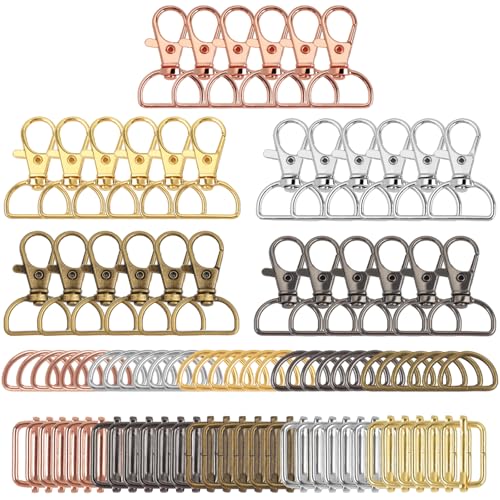
HXSEMAYIG Metal Swivel Snap Hooks Keychain Hardware 1 Inch

PH PandaHall 38 Yards Cotton Webbing 1 Inch 10 Colors
Why These Options Stand Out
Fusible fleece is the padding layer that gives a quilted bag its soft body, and this roll makes applying it nearly foolproof. The adhesive sits on one side only, so a hot iron activates the bond without a sewing machine doing any heavy lifting.
A twelve-inch width suits standard tote panels and purse flaps nicely, and the ten-yard length covers several projects before you reorder. For anyone nervous about their first structured bag, this is about as forgiving as interfacing gets.
Good Reasons To Consider
- Iron-on application means no basting or pinning through lofty fleece
- Medium weight adds noticeable cushion to handles and flap fronts
- The 12-inch cut width fits common tote panel measurements with minimal trimming
- Ten yards stretches across multiple bags, so one roll lasts a season of gift making
Things To Consider
- You’ll want a pressing cloth and steady heat, since scorching fleece is a commonly reported mishap among newer sewists
Who Will Love This
Beginners tackling their first padded tote or laptop sleeve will find the learning curve gentle here.
A Better Fit Elsewhere
Makers who need firm, boxy structure rather than plush loft should look at the Annie Soft and Stable stabilizer instead.
Natural cotton webbing is what most canvas tote tutorials call for, and this spool delivers it as continuous yardage rather than stitched-together offcuts. One inch wide is the sweet spot for shoulder straps: wide enough to feel comfortable loaded with groceries, narrow enough to sew cleanly through several layers.
Because it’s cotton, the webbing takes dye well and presses flat, which matters when you’re topstitching handles onto a finished bag. It also holds up in the wash, so market totes built with it survive real laundry cycles.
A Favorable Mix
- Seamless single-piece construction avoids weak joins mid-handle
- Soft hand feel stays comfortable against bare shoulders
- Low shrinkage and quick drying make finished bags easy to launder
- Natural color pairs with almost any fabric choice
Worth Noting
- Cotton absorbs water and dries slower than synthetic webbing, which outdoor-gear makers may find limiting
- One neutral shade means color-matching relies on your fabric, not the strap
Made For
Daily-use cloth tote and market bag makers who value comfort and washability over weather resistance.
Swap It Out When
If your project needs a rainbow of strap colors, the PH PandaHall ten-color webbing set is the smarter buy.
Purse feet are those small metal studs on a bag’s base that lift it off the ground, and they’re the difference between a bottom that scuffs and one that doesn’t. This thirty-pack arrives in mixed silver, gold, and gunmetal finishes, so one order covers several colorways.
The screw-back design is friendlier than prong rivets: you punch a hole, thread the stud through, and twist the backing on from inside the lining. No setting tools required, which keeps the barrier to entry low for hobbyist leatherworkers.
Reasons It Performs
- Alloy build resists wear and corrosion through daily handling
- Screw backs install without specialized rivet presses or hammers
- Three metal finishes in one pack suit warm, cool, and dark hardware palettes
- Works on belts, shoes, bracelets, and garments beyond bags
Small Caveats
- The 11 mm base needs a properly sized hole punch, so check your tooling before committing
- Mixed finishes mean you can’t guarantee exact counts of a single color for large batches
Right Fit For
Leather bag crafters who want protective, decorative feet without investing in professional rivet equipment.
Where A Sibling Pick Shines
For fabric purses needing invisible closures instead of visible studs, the SEMINI hidden magnetic snap is the better match.
Nothing ends a bag-making session faster than realizing you’re out of closures, and twenty-four sets puts that problem to rest for a long stretch of projects. Each set includes the male and female halves plus two washers, the flat discs that stop the snap from tearing through fabric under pull.
The hard alloy bodies are described as rustproof, which matters because snaps live right where hands touch them constantly. At fourteen millimeters, these sit in the mainstream size range compatible with most tote patterns published today.
Points In Its Favor
- Bulk quantity supports a whole run of gift or craft-fair bags
- Included washers reinforce fabric and extend closure life
- Rust-resistant alloy construction suits frequently handled everyday purses
- Standard 14 mm sizing drops into most commercial patterns unchanged
Potential Sticking Points
- Installation requires cutting slits in your fabric, so measure twice on delicate materials
- Silver-only finish won’t coordinate with brass or gold hardware elsewhere on the bag
Best Suited To
Prolific sewists churning out totes and crossbodies who want spare snaps always on the shelf.
Consider Something Else When
Designers chasing a clean exterior with no exposed hardware should pick the SEMINI hidden snap instead.
Quick Facts
Lobster claw clasps are the spring-loaded hooks borrowed from jewelry making, and they’ve become the standard attachment point for zippered pouches, wristlets, and removable bag charms. Fifty clasps paired with matching key rings is enough volume for a small product line, not just a weekend craft session.
The pairing matters more than it sounds: having rings and claws supplied together means every piece you make gets a consistent look and a working swivel action. Artisans selling at markets tend to stock up on sets like this for exactly that reason.
Practical Advantages
- Fifty-piece bulk suits both personal projects and small-batch selling
- Clasp-and-ring pairing keeps finished pieces visually consistent
- Swivel design lets attached charms rotate freely without twisting cords
- Extends beyond keychains into lanyards, zipper pulls, and bag accents
Less Ideal Details
- Spring mechanisms on budget clasps are a known weak point, so avoid overloading heavy charms
- No jump rings included means ordering a second finding type for some designs
Whose Shelf It Belongs On
Jewelry makers and accessory sellers producing keychains and pouches in volume will burn through these happily.
Another Choice May Suit
Makers wanting D-rings and slide buckles for adjustable straps should step up to the HXSEMAYIG hardware set.
Most magnetic snaps demand a slit cut through your outer fabric. These don’t. Each half is a slim double-faced magnet sealed in PVC, designed to be sewn directly into seams so the closure disappears entirely from view.
The PVC shell doubles as rust protection, a smart touch for bags that see humid climates or frequent washing. Copper and silver sides mark the poles, so aligning them correctly while stitching takes no guesswork. For clutch-style bags where a visible metal dot would ruin the face of the design, this approach solves a real aesthetic problem.
Everyday Advantages
- Invisible placement preserves uninterrupted exterior design
- Sew-in method leaves fabric uncut, keeping structure intact
- PVC casing shields magnets from moisture and corrosion
- Thin profile layers comfortably inside seams without bulk
Details To Watch
- Sewing through PVC requires a heavier needle and slower pace than ordinary fabric
- Hold strength is modest compared to larger screw-back snaps, so reserve these for light loads
The Right Fit
Clutch and envelope-bag designers who prioritize a seamless exterior will appreciate the invisible finish.
Skip It When
Everyday totes carrying heavier contents get better holding power from the CooBigo 14 mm snap kit.
Core Details
Repairing a beloved wallet usually stalls at the punching stage: setting a new snap means owning hole punches and setting dies. These leather-backed snap buckles sidestep all of it, arriving with pre-punched holes ready for a needle and thread.
The combination of metal snap hardware bonded to a leather tab looks intentional rather than improvised, which is why these suit visible closures on wallets and small purses. Replacing a worn fastener becomes a fifteen-minute evening job instead of a tool-shopping expedition.
Everyday Wins
- Pre-punched design removes the need for punching or setting tools
- Leather facing reads as a deliberate design detail on visible closures
- Secure snap mechanism keeps folded wallets firmly shut
- Straightforward sew-on repair revives favorite bags cheaply
Things To Keep In Mind
- Thread color choice matters since stitching shows on the leather face
- Sized for wallets and small goods rather than large tote openings
Who Should Grab It
Anyone restoring leather wallets or finishing small leather goods by hand, especially without a hardware toolkit.
Reach For A Different Pick When
Projects calling for concealed closures fit the SEMINI hidden snap far better than a visible leather tab.
Ask experienced bag makers what separates an amateur tote from a boutique one, and the answer is usually this foam. Unlike fusible fleece, which pads softly, Soft and Stable gives bags a firm, self-supporting body that stands upright on a table even when empty.
The foam comes laminated with fabric on both sides, so it feeds through a machine without catching and quilts beautifully. Being washer and dryer safe is a genuine advantage for lunch bags and kids’ backpacks. One 36 by 58 inch sheet cuts generously into several medium projects.
Standout Benefits
- Gives finished bags lasting shape that resists slumping
- Fabric on both faces sews smoothly without snagging
- Machine washable, rare among structural foams
- Large sheet yields multiple bags per purchase
Honest Caveats
- Sew-in only, so expect extra pinning time versus iron-on alternatives
- Thicker profile challenges entry-level machines on dense seam crossings
Built With In Mind
Serious bag makers producing structured purses, camera bags, and stand-up totes get the most from this sheet.
Where Another Pick Suits Better
Newcomers wanting quick iron-on application will prefer the PLANTIONAL fusible fleece for softer, faster results.
Feature Snapshot
Adjustable straps are where bag projects stall: you need swivel hooks, D-rings, and slide buckles, ideally matched in size and finish. This set bundles all three in one-inch sizing, which matches standard webbing like the CooBigo cotton spool reviewed earlier.
Swivel hooks let a strap rotate freely so keys and lanyards never tangle, while slide buckles make lengths adjustable after assembly. Dog collar builders and lanyard makers reach for kits like this because buying components separately often means mismatched metals.
What Helps Most
- All three hardware types arrive matched in one-inch sizing
- Swivel action prevents twisted straps during daily use
- Slide buckles enable adjustable-length straps without resewing
- Serves collars, lanyards, purses, and general DIY hardware needs
A Few Limitations
- One-inch width only, so narrower or wider webbing projects need separate purchases
- Metal edges benefit from a quick inspection before use on soft webbing, a habit many owners report adopting
Who It Suits Best
DIYers building adjustable bag straps, lanyards, or pet gear who want coordinated hardware in one order.
Not Your Match When
Small charm and keychain work needs lighter findings, which the Bonison lobster claw kit provides more affordably.
Where the CooBigo spool wins on length in one neutral, this set wins on variety: ten colors, roughly 3.8 yards apiece, all in the same practical one-inch width. Matching a strap to a specific fabric becomes trivial when the palette travels with you.
The polyester-cotton blend splits the difference between natural and synthetic webbing: high tensile strength from the poly side, a softer weave feel from the cotton. Wrinkle resistance and stable sizing mean straps stay flat after months of carry, assuming typical tote duty.
What It Does Well
- Ten colors cover most fabric-matching situations from one purchase
- Poly-cotton blend balances strength with a comfortable handle
- Two millimeter thickness sews cleanly through home machines
- Individually rolled yardage keeps colors organized between projects
Softer Spots
- Under four yards per color limits long straps or multi-bag runs in a single shade
- Exact hues can vary slightly between production batches, a commonly noted quirk with dyed webbing
Perfect Match For
Craft-fair sellers and gift makers cycling through many fabric prints will lean on this palette constantly.
Where It Is Less Suited
One-color production runs get better value from the longer single-spool CooBigo natural webbing.
At A Glance
Choosing Between These Bag Making Essentials
Match Structure To The Bag You Actually Carry
A floppy market tote and a structured satchel need different backbones. Fusible fleece suits soft, slouchy designs, while a sew-in foam stabilizer earns its keep on bags meant to stand on their own. Think about how the finished piece behaves when empty before buying material.
Size Your Hardware Before You Shop
Webbing width dictates everything downstream. One-inch straps pair with one-inch D-rings, slides, and swivel hooks, so confirm compatibility across your whole project list. Buying hardware a size off is the most common way a simple build turns into a return shipment.
Buy Quantities That Fit Your Output
Hobbyists finishing one bag a month waste money on fifty-count packs, while craft-fair sellers burn through them. Honest self-assessment beats optimistic stocking every time, especially on consumables like snaps and clasps that don’t expire but do clutter a drawer.
Key Takeaways Across These Picks
Traps First Timers Fall Into
The classic error is ordering interfacing by price alone, then discovering it lacks the body a pattern demands. Another frequent misstep: skipping washer discs under screw-back snaps, which leads to torn fabric at stress points. Read pattern requirements first, then shop.
What The Higher Tier Buys
Pricier stabilizers and hardware typically bring better shape retention, corrosion resistance, and cleaner finishes. For heirloom-quality bags or items sold commercially, that upgrade pays off in durability and appearance. Casual gift totes rarely justify the premium.
Frequently Asked Questions
What interfacing works best for a beginner’s first tote?
Iron-on fusible fleece is the gentlest starting point. It bonds with a household iron and forgives uneven application better than sew-in foams.
Can cotton webbing go in the washing machine?
Yes, quality cotton webbing tolerates machine washing with low shrinkage. Air drying helps straps keep their shape longest.
How do magnetic snaps attach to fabric?
Standard versions require small slits cut in the fabric, with washers reinforcing the back. Hidden sew-in versions stitch directly into seams with no cutting.
Are purse feet really necessary?
They’re optional but practical, lifting the bag base off abrasive surfaces. On leather or light-colored bottoms, they noticeably reduce scuffing over time.
What size hardware fits one-inch webbing?
All sliding and anchoring hardware should match at one inch. Mixing widths creates loose, rattling connections that fail early.
Bottom Line
Start with structure: a good interfacing or stabilizer shapes everything else about how your bag feels in hand. Add webbing sized to your hardware, then choose closures that match the design’s formality, whether that’s a visible leather snap or an invisible sewn magnet. Build your kit around the bags you actually plan to make, and each project gets easier than the last.
