
Learning the Great Highland bagpipes starts long before you ever strap on a bag. Every piper begins on a practice chanter, the slim, recorder-like instrument that teaches fingering, timing, and tunes quietly indoors. Pick the wrong one and your first months feel like a slog; choose well and progress comes faster than you expect. Below are ten solid options, from complete starter bundles to Scottish-made instruments, matched to different budgets and skill levels.
The Leading Options At A Glance

Roosebeck BAGL Sheesham Practice Chanter With Book and CD

RG Hardie Twist Trap Practice Chanter with Tutor Book

Bagpipe Tutorial by Andreas Hambsch (eBook)

AAR Rosewood Practice Chanter with 2 Reeds

Woldorf USA Rosewood Highland Practice Chanter with Reed

Barefoot Bagpiper Practice Chanter with Tutor Book and Reeds

McCallum Practice Chanter Extended Length
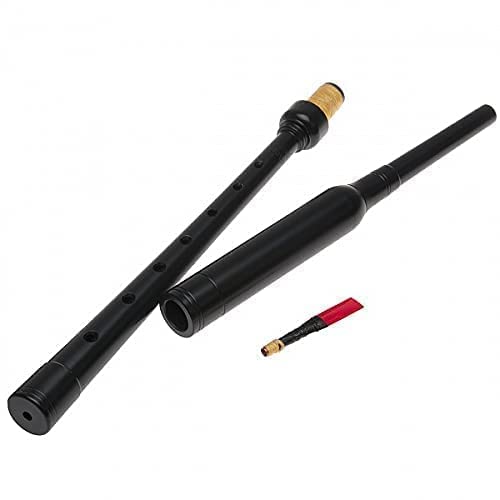
McCallum Practice Chanter Regular Size

Frazer Warnock Practice Chanter with Tutor Book Bundle

Frazer Warnock Standard Practice Chanter with Case
A Breakdown Of The Leading Choices
This traditional-sized chanter pairs a sheesham wood body, a dense rosewood-family timber known for warm tone, with an engraved nickel-plated ferrule and sole. It plays in B-flat, the pitch you will eventually meet on full Highland pipes, so nothing needs relearning later. Roosebeck ships it as a genuine starter kit: chanter, reed, instruction book, and a teaching CD.
The book-and-CD format suits anyone who learns best away from screens, working through finger positions at the kitchen table with photos as reference. Compared with bare-bones chanters further down this list, the guidance here removes the usual guesswork of week one.
What Pays Off
- Everything arrives together, so you can start playing the day it lands
- Sheesham wood gives a warmer, more traditional voice than plastic bodies
- B-flat tuning matches standard Highland pipe pitch
- Photo-based finger-position charts help absolute beginners self-correct
- Nickel ferrule and sole add durability at the wear points
Things To Consider
- Wood grain varies between units, so yours may look darker or lighter than pictured
- Wooden bodies need drying after sessions; owners commonly report warping when chanters stay sealed in damp cases
Who It Suits Best
Absolute beginners who want a complete, screen-free learning kit in one purchase.
Where Another Pick Suits Better
Players planning heavy daily practice may prefer the McCallum Regular Size, whose polypenco body shrugs off moisture far better than wood.
RG Hardie builds bagpipes in Glasgow, and that pedigree shows here. The twist-trap design lets you open the lower section and deal with moisture buildup directly, which matters because condensation is what kills reeds and dulls tone over a practice week. Recessed finger holes give your fingertips a consistent landing spot, a small ergonomic touch that speeds up clean grace-note work.
The bundle rounds out nicely too: two Scottish-made reeds, a breathable case, and the National Piping Center tutor book. Where the Roosebeck leans on a CD, this one hands you a modern curriculum from one of Scotland’s respected teaching institutions.
The Upside
- Twist-apart trap makes moisture management quick after each session
- Recessed holes suit learners through experienced players alike
- Tutor book from the National Piping Center carries real instructional weight
- Two quality reeds mean a spare is ready when one tires
- Breathable case protects the instrument between practices
- Engraved branding reflects established Scottish craftsmanship
Trade Offs
- More moving parts than a simple one-piece chanter, so o-ring care becomes part of ownership
- You pay bundle pricing even if you already own a tutor book
At A Glance
Right Fit For
Committed beginners and improving players who want Scottish-made hardware and a structured curriculum in one box.
Consider Something Else When
Budget-first shoppers testing their interest should look at the AAR Rosewood instead, which costs less while still including spare reeds.
Not every entry here is an instrument, and that is deliberate. This Kindle tutorial from piper Andreas Hambsch targets absolute beginners through intermediate players, and its standout trait is cooperation with a companion app. Digital lessons mean you can slow down demonstrations, replay tricky passages, and carry your entire curriculum on a phone or tablet.
It pairs naturally with any physical chanter above or below, filling the instruction gap that bare instruments leave. Commuters who practice theory during travel will find the eBook format especially convenient since the material syncs across devices.
Noteworthy Benefits
- App integration adds interactive structure beyond static pages
- Content spans beginner through intermediate levels, so it grows with you
- Reads on any device, handy for studying away from your practice space
Worth Noting
- You still need a physical chanter separately, so factor that into your total spend
- Screen-based learning does not suit everyone; some players progress faster with printed books
Best Suited To
Self-directed learners comfortable with tablets who want structured digital lessons alongside their first chanter.
Not Your Match When
Anyone wanting paper-and-audio instruction would do better with the Roosebeck BAGL Sheesham, whose printed book and CD cover similar ground offline.
Honest question worth asking before spending much: will piping stick? This handmade rosewood chanter answers that cheaply. At around nineteen inches long, it sits in familiar standard territory, and the silver mounts give it a dressed-up appearance that belies the modest outlay. Two reeds come along, which doubles your runway before a replacement hunt.
Finish quality on budget wood instruments varies unit to unit, so temper expectations accordingly. As a first step onto the learning curve, though, it covers the essentials without ceremony.
Positive Takeaways
- Two included reeds keep you playing while a spare ships
- Handmade rosewood construction at an accessible level
- Silver mounts lend a traditional, finished look
Small Caveats
- No instruction book or learning media included, unlike several bundles here
- Handmade finish means consistency between examples can vary
- Wood demands careful drying habits to stay true over time
Who Will Love This
Curious first-timers and gift shoppers who want a real wooden chanter without committing to bundle pricing.
Look Elsewhere When
Players who want guided lessons bundled in should step up to the Frazer Warnock Tutor Book Bundle, which pairs its chanter with a proven curriculum.
Some instruments are bought as much for the shelf as the session, and this Woldorf USA chanter earns its place on both counts. Natural rosewood forms the body, imitation ivory fittings dress the ends, and the famous brown Scottish finish ties the look together. Woldorf positions these chanters around balanced pitch and a pleasing, mellow voice, and folk players commonly gravitate to them for exactly that character.
A practice reed ships in the box, so setup takes minutes. Against the plainer AAR Rosewood, this one trades a second reed for considerably more visual presence.
Strengths Worth Knowing
- Imitation ivory fittings create a striking traditional silhouette
- Natural rosewood body produces a warm, rounded tone
- Engineered for balanced pitch across the range
- Reed included, ready to play on arrival
Points To Note
- Single reed only, so order a spare early rather than mid-learning
Key Specs
The Right Fit
Folk musicians and heritage enthusiasts who value traditional aesthetics alongside playable tone.
A Better Fit Elsewhere
Strictly practical learners chasing specs over looks will get more mileage from the McCallum Extended Length, built for function first.
Made in Ireland, this standard-length chanter runs eighteen inches with an engraved nickel-plated ferrule and recessed finger holes for easier fingering. The headline inclusion, though, is the College of Piping tutor book, a text first published back in 1953 and updated repeatedly since. Tutors worldwide still recommend it, which says something about how well it teaches.
Two reeds round out the package. Compared with the RG Hardie earlier in this list, you lose the twist-trap moisture system but keep the same caliber of instructional material at a friendlier commitment level.
A Favorable Mix
- Legendary tutor book provides decades-proven instruction
- Recessed holes make clean finger placement simpler for newcomers
- Two reeds extend playing time before replacements are needed
- Irish manufacture from an established workshop
Honest Caveats
- No dedicated moisture trap, so regular disassembly and drying become routine
- Standard length means hole spacing differs slightly from full pipe chanters
- Book-only format lacks audio or video reinforcement
Built With In Mind
Home students following a classic written curriculum who want dependable hardware without premium pricing.
Skip It When
App-oriented learners will connect better with the Hambsch Bagpipe Tutorial, which brings interactive lessons the printed book cannot match.
McCallum builds bagpipes in Kintyre, Scotland, and this extended-length chanter exists for one specific purpose: matching the reach of a full pipe chanter. Extended models run longer than standard practice chanters, so the finger stretch you rehearse here transfers directly to the big instrument later. That continuity saves many pipers an awkward adjustment period.
The polypenco body, an acetal plastic favored across the piping world, resists moisture and sidesteps the warping issues that plague neglected wooden chanters. A reed ships included, and McCallum offers the same design in junior sizing for smaller hands.
Advantages To Know
- Extended length mirrors pipe chanter spacing for seamless transition
- Polypenco construction handles humidity without warping
- Authentic design from a renowned Scottish maker
- Junior variant available for younger or smaller-handed players
- Reed included out of the box
Potential Drawbacks
- Longer body is less pocket-friendly for commuters than standard-size chanters
Quick Facts
Who Should Grab It
Intermediate players actively preparing to move onto full Highland pipes within the next year or two.
Swap It Out When
Complete novices with smaller hands often start more comfortably on the McCallum Regular Size, which shortens the stretch while keeping the same build quality.
This is the workhorse version of the McCallum line-up: same Scottish craftsmanship, same durable polypenco body, just in the regular size that suits most adult hands from day one. True tone and sturdy materials are the selling points, and because the body ignores moisture swings, it tolerates daily fifteen-minute practice stints better than any wooden rival on this list.
Owners of both sizes tend to describe the regular model as the sensible default, with the extended version reserved for pipe-transition training. A reed comes included, so the only extra purchase worth planning is a tutor book such as the one bundled with the Barefoot Bagpiper pick.
Everyday Perks
- Regular sizing fits most adult hands immediately
- Polypenco shrugs off the humidity that troubles wood
- Consistent tone supports disciplined daily practice
A Few Limitations
- Sold solo, so learning materials cost extra
- Hole spacing differs slightly from full pipe chanters, unlike the extended model
Core Details
Made For
Beginners through advanced players who want a reliable, low-maintenance instrument for everyday practice sessions.
Where A Sibling Pick Shines
Players deep into pipe preparation should reach for the McCallum Extended Length instead, since its spacing matches the full instrument exactly.
Frazer Warnock operates as a boutique Irish bagpipe maker, and the attention shows in one detail that genuinely separates this bundle: the two included reeds are tested and sound-matched to your specific chanter before shipment. That pre-matching removes the frustrating trial-and-error period where mismatched reeds squeak or sit flat.
The rest of the package holds up too. You get the Piping Center tutor book, a curriculum recommended internationally and in print for over six decades, plus a breathable storage case and reed tube. Set beside the Barefoot Bagpiper bundle, this one adds the matched-reed assurance and carrying gear.
Notable Upsides
- Reeds tested against your chanter before dispatch
- Long-established tutor book anchors your learning path
- Breathable case prevents damp storage damage
- Boutique Irish manufacturing pedigree
- Complete kit covers instrument, lessons, spares, and transport
What To Weigh
- Bundle scope exceeds what some learners need, particularly those who already own a book
- Reed matching helps but cannot replace eventual personal preference
Whose Shelf It Belongs On
New pipers who want a zero-guesswork start with every accessory accounted for in one order.
Another Choice May Suit
Shoppers prioritizing moisture-control engineering over accessories will find the RG Hardie Twist Trap a stronger technical investment.
This sibling to the previous Frazer Warnock drops the tutor book and keeps the essentials: an eighteen-inch standard chanter with adult-sized hole spacing identical to a bagpipe chanter, engraved detailing, recessed holes, and two factory-tested reeds. The breathable case and reed tube remain, and they matter more than they first appear, letting moisture escape after practice rather than trapping it.
For pipers who already own learning material, this trims the bundle down to instrument, spares, and protection. Engraved finishing and Irish craftsmanship carry over unchanged from the book-included version reviewed just above.
Points In Its Favor
- Adult hole spacing matches a real bagpipe chanter
- Two reeds arrive pre-tested and sound-matched
- Breathable case and tube guard against mold and odor
- Recessed holes aid accurate fingering at every skill stage
Practical Considerations
- No tutor book, so beginners must source lessons separately
- Standard length builds different muscle memory than extended chanters
- Case adds bulk compared with carrying a bare chanter
Product Snapshot
Who It Suits Best
Experienced players and commuting pipers who need protected transport and matched spares rather than another tutorial.
Reach For A Different Pick When
First-time players without any instruction material should choose the Frazer Warnock Tutor Book Bundle instead, adding the curriculum for a modest difference.
What Matters Most Before Choosing Bagpipe Practice Chanters
Material Choices Explained
Wood and polypenco dominate this category, and each behaves differently in daily life. Sheesham and rosewood deliver warmth and traditional looks, but they absorb moisture and demand drying time after every session. Polypenco, a hardwearing acetal plastic, ignores humidity almost entirely, which explains why serious pipers favor it for frequent practice. Your climate and routine should drive the call more than appearance.
Length And Hole Spacing
Standard chanters run shorter with tighter hole groups, easier for beginners and smaller hands. Extended versions copy the reach of a full pipe chanter, building muscle memory that transfers directly when you graduate to bagpipes. Junior sizing exists for children. Matching length to your timeline keeps the transition painless.
Bundles Versus Solo Instruments
Bundles pair a chanter with tutor books, spare reeds, and cases, saving separate purchases and guesswork. Solo instruments suit players replacing worn gear or stacking pieces they already own. First-timers generally benefit from the bundled route.
Reed Realities
Reeds wear out, warp, and respond to humidity, so spares belong in every kit. Some makers test and match reeds to individual chanters before shipping, which noticeably smooths the first weeks of playing.
Key Considerations Across These Picks
Traps First Timers Fall Into
The most common slip is buying a beautiful wooden chanter, sealing it in an airtight case after practice, and wondering why it warped within months. Moisture management is half of chanter ownership. Another frequent misstep is skipping the tutor book entirely, then stalling at basic exercises with no path forward.
When Paying More Pays Off
Higher-tier chanters earn their price through matched reeds, moisture-trap engineering, and established Scottish or Irish workshops. Casual dabblers rarely notice the difference. Players practicing daily, or anyone approaching full bagpipes, recoup that spend quickly in reliability and smoother technique transfer.
Frequently Asked Questions
How long does it take to learn the practice chanter?
Most learners need several months of steady practice to play simple marches cleanly. Progress depends heavily on consistent short sessions rather than occasional marathon ones.
Do I need a practice chanter before buying full bagpipes?
Yes, virtually every teacher requires chanter proficiency first. It teaches fingering and music reading without the cost and lung demands of full pipes.
Are wooden or plastic practice chanters better?
Plastic polypenco models resist moisture and suit frequent practice, while wood offers warmer tone and traditional appeal. Daily players usually fare better with polypenco.
How often should I replace my chanter reed?
Reeds typically last weeks to months depending on playing hours and humidity. Replace one when tone turns thin, flat, or unresponsive despite proper soaking.
Can children learn on a full-size practice chanter?
Small hands often struggle with adult hole spacing. Junior-sized chanters, like the smaller McCallum option, close that gap comfortably.
Closing Thoughts
Your first chanter shapes how the whole journey feels, so match it to your routine rather than the spec sheet alone. Beginners thrive with the Roosebeck or either Frazer Warnock bundle, committed players lean toward the RG Hardie or McCallum pair, and cautious starters can test the waters with the AAR. Whatever you choose, practice a little each day and let the tunes come gradually. Happy piping.
