
Choosing batting feels like a small decision until you’re halfway through a quilt and the middle starts shifting or bearding through your top. The right layer decides how a finished quilt drapes over a couch arm, how it washes, and whether hand quilting feels smooth or fights you every inch. This roundup covers precut packs, king-size sheets, bulk rolls, and one seam tape that solves a problem every long-arm owner knows well. Whether you stitch baby gifts on a weekend or run a long-arm for clients, there’s a fit here for your next project.
Your Options, Compared
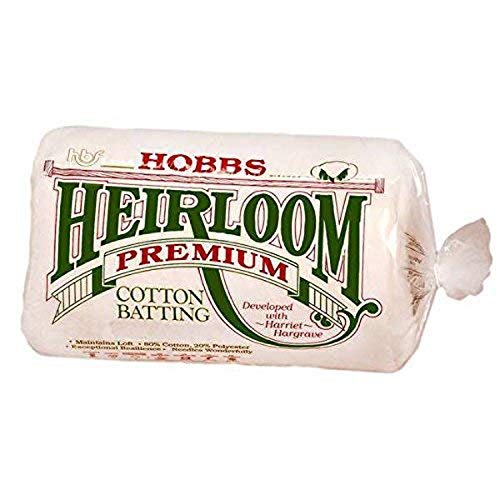
Hobbs Heirloom 80/20 Cotton/Poly Queen Quilt Batting

Drounphi Natural Cotton Batting (68×86)

Quilters Dream Natural Cotton Request Batting Throw

HANPATQUI Natural Cotton Quilt Batting King Size

Bosal Batting Seam Tape

Hobbs Heirloom Premium 80/20 Cotton/Poly Blend Batting Roll

Quilter’s Dream Cotton White Request Batting Twin

Warm Company Soft & Bright Polyester Quilt Batting Bolt

Hoiny Natural Cotton Crib Size Quilt Batting

Quilters Dream Natural Cotton Select Batting Double
More Details On Our Top Picks
This queen-cut sheet pairs unbleached natural cotton with a fifth of polyester, which gives it more body than pure cotton without the squeaky feel of all-synthetic fills. The roughly 1/8-inch loft sits flat under your presser foot yet still shows off stitching definition on a bed-sized top.
It’s needle-punched and lightly resin bonded, so layers stay put while you baste. For most home quilters working at a domestic machine, that stability means fewer puckers and less re-pin mid-project.
Strong Points
- The 90 x 108 inch cut covers a standard queen with room to spare for trimming, so no piecing before basting.
- Cotton-rich composition breathes naturally, keeping finished bed quilts comfortable through warm nights.
- Smooth surface produces minimal lint, which matters if you machine quilt long sessions between cleanings.
- Expect around 3 to 5 percent shrinkage after washing, giving quilts that soft, gently puckered vintage look many people want anyway.
- Works equally well for hand quilters who want needles gliding rather than snagging.
Things To Consider
- The modest shrinkage is a feature for some and a dealbreaker for others; pre-washing isn’t really an option here, so plan your design around it.
- Folded packaging can leave crease lines; airing it out overnight usually relaxes them.
Key Specs
Who It Suits Best
Intermediate quilters making bed quilts they want washed often and loved hard will get years of good results from this blend.
A Better Fit Elsewhere
Pure-cotton purists chasing zero synthetic content may prefer the Quilters Dream Natural Cotton Select Batting Double instead.
Where the Hobbs queen cut above targets bed quilts, this Drounphi panel aims smaller and lighter. At 68 by 86 inches it suits throw quilts, bowl cozies, and wall hangings, and the 150 g/m² weight keeps summer projects from feeling stuffy.
The fiber is straight natural cotton with no additives, which gives it a clean hand and decent breathability for warm-climate sewing rooms. In our view, it’s the kind of utility panel worth keeping folded on the shelf for spontaneous craft weekends.
What Works In Its Favor
- Lightweight enough for lap quilts used in warmer months without overheating.
- Additive-free cotton means no chemical smell out of the package, handy for gifts.
- A versatile rectangle that covers throws, table runners, and padded tote panels alike.
Worth Noting
- Being thinner than traditional batting, it won’t give you pronounced stitch puff on dense free-motion designs.
- You’ll want to check the exact dimensions against your pattern before cutting, since odd sizes rarely match templates precisely.
Right Fit For
Casual crafters and seasonal quilters who want an affordable cotton layer for lighter projects will find plenty of uses here.
Swap It Out When
For a crib-sized natural option with a bit more presence, the Hoiny Natural Cotton Crib Size Quilt Batting covers similar ground.
“Request” is Quilters Dream’s lowest-loft cotton, and that thin profile is exactly why beginners tend to click with it. A 60 x 60 inch square handles a lap quilt or wall hanging, and the low profile means your walking foot glides without fighting bulk at seams.
The brand’s needle-punched process keeps fibers from migrating, so you won’t see cold spots forming after a few washes. Machine wash cold and tumble dry low, per the care guidance, and it holds together well.
What Earns Its Place
- Low loft makes even stitching lines look crisp, forgiving wobbles from new free-motion quilters.
- Natural USA-grown cotton construction appeals to anyone avoiding synthetics entirely.
- Resists shifting and lumping, which cuts down re-basting frustration on your first big project.
Small Caveats
- One square only, so larger tops mean buying multiple pieces or stepping up to a bigger cut.
- Thin cotton shows less dimension than loftier blends; some people miss that plush feel underhand.
Made For
New quilters practicing their first sandwich, plus anyone making flat, modern-style wall art where bulk would ruin the lines.
Reach For A Different Pick When
If your project needs more drape and body, the Hobbs Heirloom 80/20 blend reviewed first adds subtle loft this one deliberately lacks.
King beds are where batting shortcuts fall apart, literally. This HANPATQUI sheet measures 122 by 124 inches, wide and long enough to cover a king mattress with generous overhang, all from one continuous piece.
The all-natural cotton fill stays soft yet holds up against repeated use without tearing or wearing thin at fold lines. Owners commonly report it also stretches into secondary uses like pot mats, bags, and light summer coverlets once trimmings accumulate.
Useful Highlights
- Single-piece king coverage eliminates seaming, which saves real time at the basting stage.
- Breathable cotton keeps large bed quilts comfortable rather than heavy and clammy.
- Leftover edges yield usable scraps for potholders, oven mitts, and patchwork experiments.
Points To Keep In Mind
- A king sheet takes serious floor space to lay out; apartment sewists may struggle to spread it flat for basting.
- Folded shipping creases need a day or two of relaxation before quilting begins.
Quick Facts
Whose Shelf It Belongs On
Confident quilters with room to spread a king sandwich belong here, especially those finishing family bed quilts meant for daily use.
Consider Something Else When
Studio quilters producing many large tops monthly should weigh the Hobbs Heirloom Premium roll below instead, since yardage beats single sheets on volume.
Not batting at all, and that’s the point. This Bosal-made tape from Keepsake Quilting joins two trimmed batting edges into one usable piece, turning the pile of offcuts beside your long-arm into legitimate yardage.
Butt the two edges together, press the tape across the join, and the seam stays flat enough to quilt straight through. For most studios trimming several inches off every load, that recovered material adds up faster than you’d expect.
Real Benefits
- Turns scrap strips into quiltable widths, cutting waste on every project.
- No sewing required, so joins take seconds rather than a zigzag session at the machine.
- Flat seams pass under the hopping foot without catching or lumping.
Less Ideal Details
- Jioned pieces are only as strong as the tape, so avoid using patched batting on heirloom quilts destined for decades of washing.
- It’s a consumable, meaning repeat purchases for busy long-arm schedules.
Who Will Love This
Long-arm operators and thrifty domestic quilters who hate throwing away usable batting inches are the obvious crowd.
Where A Sibling Pick Shines
Anyone needing actual batting rather than an accessory should head to the Warm Company Soft & Bright bolt further down this list.
Take the blend chemistry from pick one and scale it up to studio proportions. This roll runs 96 inches wide across 30 yards, made from natural USA cotton blended with fine polyester for more loft at less weight than traditional all-cotton batts.
You cut exactly what each job needs, which means no wasted corners and no emergency trips when a client brings an oversized top. In our view, this is the format working quilters eventually land on.
The Value In It
- 30 yards of length supports dozens of projects before reordering becomes a thought.
- 96-inch width accommodates wide backs and oversized tops without piecing.
- The same trusted 80/20 recipe as the queen cut means consistent results across every quilt you finish.
Factors To Consider
- Storage demands a dedicated space; a 30-yard roll doesn’t tuck into a closet shelf easily.
- Upfront commitment is significant, so occasional quilters get little benefit from bulk buying.
Core Details
Who Should Grab It
Long-arm business owners and club quilters finishing several large tops a month justify this roll within a season.
Not Your Match When
Weekend hobbyists should stick with the precut Hobbs Heirloom queen sheet, which delivers the same fabric behavior without the storage burden.
This twin cut shares the Request loft philosophy with the throw version earlier in the list but scales to 93 by 72 inches, sized for single beds and dorm quilts. White coloration matters too: dark batting can shadow through pale tops, and this one won’t.
The cotton traps warmth in winter while staying breathable enough that sleepers don’t overheat come July. That year-round balance is why it earns a spot on beds rather than just in closets.
Key Advantages
- White base disappears under light fabrics, protecting delicate pastel and white quilt tops.
- Low loft keeps the finished quilt lightweight and easy for kids or guests to manage.
- Machine wash cold, tumble dry low care keeps maintenance simple for everyday bedding.
Softer Spots
- Twin sizing limits flexibility; anything bigger requires piecing or a different cut from the same line.
- Minimal loft won’t satisfy anyone chasing a puffy, cloudlike finish.
The Right Fit
Parents quilting for kids’ beds and dorm dwellers wanting breathable, washable layers will appreciate this cut most.
Another Choice May Suit
Heavier winter bedding calls for the denser Quilters Dream Select Double at the end of this list, which trades some breathability for substance.
Every other bulk option here leans on cotton; this Warm Company bolt goes full polyester, and that changes the ownership math. Polyester resists shrinking, dries fast after washing, and shrugs off the moisture that can trouble natural fiber in humid climates.
The needle-punched construction bonds fibers for strength, so the batting resists shifting, tearing, and bunching both during quilting and later in the wash. Comforters and charity quilts that face industrial laundries suit it particularly well.
Reasons It Performs
- 90-inch by 25-yard bolt feeds long-arm machines and large comforter projects for months.
- High-quality polyester fibers deliver a smooth, soft finish that stitches cleanly.
- Dimensional stability through washing means fewer complaints from gift recipients.
- Lighter weight than cotton equivalents eases handling of oversized sandwiches.
Trade Offs To Consider
- Polyester breathes less than cotton, so hot sleepers may find all-synthetic quilts warm in summer.
- Static buildup is a commonly reported annoyance in dry winter sewing rooms.
Feature Rundown
Who Should Grab It
Charity quilting groups and makers of wash-heavy comforters get the most mileage from this resilient bolt.
Look Elsewhere When
Natural-fiber devotees wanting breathability over durability should compare the Hobbs Heirloom Premium roll instead.
Baby quilts deserve batting that behaves, and this 47 by 59 inch Hoiny panel is cut precisely for crib projects, roughly 1.6 yards of pure natural cotton. The clean, odor-free quality matters when the finished piece goes anywhere near a nursery.
Beyond cribs, the size doubles nicely for throw blankets, tote reinforcement, potholders, and wearable art. One panel covers most small projects without forcing you to store half a bolt afterward.
Noteworthy Benefits
- Crib-ready dimensions mean zero trimming waste on standard baby quilt patterns.
- Breathable, soft cotton feels right against delicate skin and lightweight garments.
- Versatile rectangle adapts to wall hangings, stuffing, and patchwork crafts beyond quilts.
A Few Limitations
- Single-panel format means buying multiples for sibling sets or matching nursery decor runs.
- Small cuts cost more per square inch than bolts, a trade-off worth knowing upfront.
Perfect Match For
Gift-makers and grandparents stitching occasional baby quilts get exactly what they need without surplus inventory.
Where Another Pick Suits Better
Larger throw projects fit the Drounphi Natural Cotton Batting (68×86) better, offering nearly double the coverage area.
Select sits one density step above the Request lofts covered earlier, and that extra substance shows in the finished hand of a quilt. The 96 by 93 inch double cut handles full and queen-adjacent tops from a single piece of 100 percent natural cotton.
The needle-punched process prevents shifting and lumping, and generous stitch spacing tolerance gives designers freedom to quilt sparse, flowing motifs without worrying about migration. Care follows the same simple routine: machine wash cold, tumble dry low.
A Few Strong Suits
- Denser cotton body gives heirloom quilts satisfying weight and structure.
- Wide 96-inch cut reduces or eliminates piecing on double-bed projects.
- All-natural fiber composition with no synthetic blending, appealing to purists.
- Forgiving stitch spacing lets minimal quilting designs hold up over time.
Potential Sticking Points
- Added density means slightly heavier handling at the machine, noticeable on long free-motion sessions.
- Warmth runs higher than the Request lofts, which some sleepers find excessive in summer.
The Numbers That Matter
Best Suited To
Experienced quilters crafting substantial heirloom bed quilts will value the density and width this cut brings.
Skip It When
Lightweight summer quilting projects pair better with the Quilter’s Dream Cotton White Request Twin, which stays airy where Select turns cozy.
What Matters Most Before Choosing Bamboo Quilt Battings
Fiber Content Shapes Everything
Cotton breathes and drapes naturally; polyester adds resilience and shrugs off moisture; blends split the difference. Your climate and how often the quilt gets washed should drive this call more than price does. Hot sleepers lean cotton, laundry-heavy households lean poly.
Size And Format Fit Your Workflow
Precut sheets save time on standard beds, while rolls reward anyone finishing multiple large projects. Measure your intended top plus four inches of overhang on every side before ordering. Nothing stalls momentum like discovering your batting falls two inches short at midnight.
Loft Determines The Look
Loft simply means batting thickness, and it controls how visible your stitches appear. Low loft flatters dense machine quilting and beginners alike, while higher loft suits sparse designs and cozy comforters. Match loft to your quilting style, not the other way around.
Shrinkage Is A Design Decision
Cotton battings typically shrink a few percent, creating that beloved crinkled vintage texture. Some quilters chase it, others dread it. Decide before you start, because pre-washing options vary by product and skipping the decision leads to surprises.
Key Considerations Across These Picks
Traps First Timers Fall Into
The classic mistake is buying on size alone and ignoring fiber behavior. A second slip is ordering batting after cutting the quilt top, leaving no margin for error. Order early, measure twice, and read the care instructions before committing to a design that depends on zero shrinkage.
What Separates Premium From Basic
Higher-tier battings invest in consistent fiber sourcing and bonding processes that resist shifting for years. You pay for predictable stitching behavior and wash after wash stability. Occasional crafters rarely notice the difference; anyone quilting weekly will feel it immediately.
Frequently Asked Questions
Can I piece smaller batting scraps together for a big quilt?
Yes, and a product like the Bosal seam tape listed above makes the join quick and flat. Just save pieced batting for everyday quilts rather than heirlooms.
Does cotton batting shrink in the wash?
Most cotton and cotton-blend battings shrink a few percent, which creates a soft puckered texture. Plan your design around it or choose polyester to avoid shrinkage entirely.
What loft works best for machine quilting?
Low loft around an eighth of an inch feeds smoothly under a walking foot and shows stitch detail clearly. That’s why beginner-friendly picks in this list favor thinner profiles.
How much larger should batting be than my quilt top?
Aim for three to four inches of extra batting on every side of the top. That margin absorbs shifting during basting and gives long-arm leaders something to grip.
Is polyester batting suitable for bed quilts?
Absolutely, especially for quilts that face frequent washing. It dries quickly and holds its shape, though hot sleepers may prefer cotton’s better breathability.
Closing Remarks
Your best batting choice comes down to honest questions: what climate the quilt lives in, how often it gets washed, and how much quilting density you plan. Start with a precut sheet matched to your current project, and let the results teach you what to buy in bulk later. Every pick here serves a specific quilter well, so trust your own workflow over any generic ranking. Happy stitching, and may your seams always stay flat.
