
Joining the band means picking gear that actually fits your hands, your budget, and your practice space. Some of these instruments carry a school year on their own, while others fill out a rhythm section at home or on stage. The list below mixes serious student winds, classroom percussion, and a couple of specialty tools so you can match the item to the player rather than forcing a fit.
The Shortlist At A Glance

Soulmate Stainless Steel Guiro 8″ with Scraper

EASTROCK Bb Clarinet 17 Keys ABS

Giantex Glockenspiel Bell Kit 30 Notes with Stand & Bag

Glory Bb Trumpet Gold with Case & Gloves

SURGICAL ONLINE Mathieu Ligature Pliers 5.5″

Musical Spoons Percussion Instrument Wooden Handle 8 Inch

DOMG Wooden Maracas Set of 2
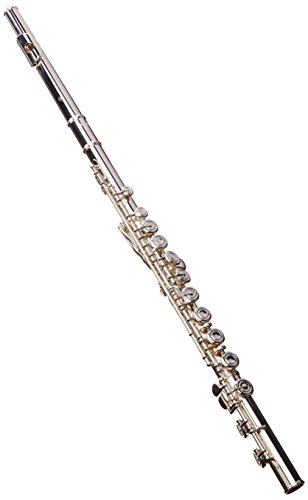
Yamaha YFL-222 Student Flute
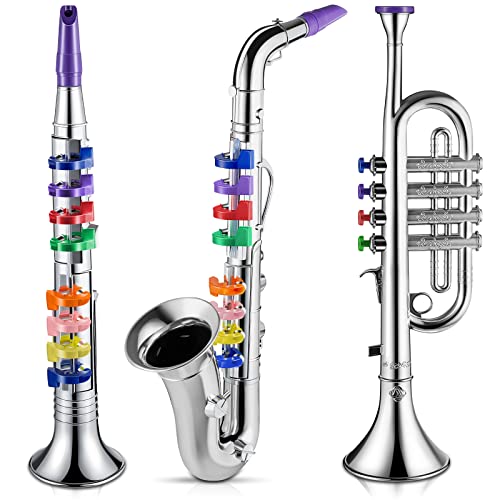
Lewtemi 3-Pc Trumpet Saxophone Clarinet Toy Set Silver

Latin Percussion LP234A Standard Afuche Cabasa
The Picks, Examined More Closely
A guiro is the ridged gourd-turned-metal tube you scrape with a stick to get that raspy Latin groove. This one swaps traditional wood for stainless steel, which gives the tone more cut in a live mix. At eight inches long with a three-inch shaker body, it’s small enough to live in a gig bag.
The side handle grip matters more than people expect. In a fast salsa number your wrist stays relaxed instead of clamping down, and the open-ended handle keeps the instrument from slipping mid-song. Steel also shrugs off humidity that would swell a wooden guiro.
Real-World Strengths
- Stainless construction resists rust and warping through humid outdoor gigs
- Open-ended side handle keeps your grip stable during fast scrape patterns
- Scraper is included, so nothing extra to source before a performance
- Doubles as a metal shaker for layered rhythm parts
Honest Caveats
- Metal surfaces show fingerprints quickly, so keep a cloth handy before stage time
- The bright steel voice may read sharper than wood in quiet acoustic settings
Who Will Love This
Percussionists who play live Latin, salsa, or cumbia sets and want a durable guiro that cuts through amplified bands.
A Better Fit Elsewhere
Classroom teachers introducing young kids to rhythm will find the DOMG wooden maracas set gentler and safer for small hands.
Most school band programs start clarinetists on a plastic-bodied horn in the key of Bb, and this EASTROCK follows that playbook. The ABS resin body shrugs off the drops and temperature swings that crack grenadilla wood, which makes it a sensible first instrument. Seventeen keys and six nickel-plated rings cover the standard fingering students learn from day one.
Two replaceable barrels come in the box, and that’s a quietly useful detail. Barrel length tweaks intonation slightly, so a director can help a young player tune better without buying anything. The matte finish also hides smudges between weekly cleanings.
Everyday Wins
- ABS body handles daily bus-and-locker transport without cracking worries
- Nickel-plated keys resist tarnish through months of beginner handling
- Two barrels let you fine-tune pitch as embouchure develops
- High-carbon needle springs give quick, consistent key response
Things To Consider
- Plastic bodies generally lack the warmth advanced players chase in wood horns
- Swabbing after every session is essential; neglected pads are the most common repair issue reported by owners
At A Glance
Right Fit For
Students in grades four through nine starting clarinet for the first time, especially where a rental program isn’t available.
Swap It Out When
A middle-schooler ready to advance should look at the Yamaha YFL-222 mindset of quality; within this list, the Giantex bell kit suits families unsure which instrument to commit to yet.
School percussion programs usually ask beginning students to learn both bells and snare technique, and buying those separately gets expensive fast. This kit bundles both halves into one purchase. You get a two-row, 30-note glockenspiel spanning G5 to C8, an eight-inch practice pad, mallets, drumsticks, a music stand, and a carrying case.
The height-adjustable stand runs roughly 23 to 38 inches, which covers a fourth-grader and a high-school senior alike. Everything packs into the bag, so the whole setup moves between lessons and rehearsals without a second trip. Compared with the single-purpose hand percussion items later on this list, this is the pick that replaces several purchases at once.
Everyday Perks
- One bag carries bells, pad, sticks, stand, and mallets together
- Stand adjusts about 23 to 38 inches to suit kids through teens
- Practice pad lets students work rudiments without disturbing the house
- Electroplated stand hardware holds up to repeated assembly and teardown
Small Caveats
- Thirty notes is plenty for beginners but limited once repertoire expands
- The bundled music stand is functional rather than heavy-duty; many owners upgrade it eventually
- Bag weight adds up when fully loaded, worth knowing for younger students walking to school
Feature Snapshot
Made For
Families enrolling a child in beginning band who want every required accessory in a single, portable purchase.
Reach For A Different Pick When
An older student already committed to woodwinds gets more long-term value from the EASTROCK Bb Clarinet than from a generalist percussion kit.
Trumpet is the loudest voice in a typical school band, and it’s also one of the cheapest entry points when you skip the boutique brands. This Glory horn arrives in Bb, the standard key, finished in gold lacquer with a hard case and a pair of gloves in the box. Nothing else to buy before the first lesson.
Where it sits against the Yamaha flute further down the list is simple: this is the affordable start, not the decade-long investment. Owners commonly report smooth valves for the price bracket, though regular valve oiling after playing sessions keeps them feeling that way. For a student testing whether trumpet sticks, that trade-off is reasonable.
A Few Strong Suits
- Case, gloves, and horn ship together, covering lesson-day needs immediately
- Gold lacquer finish wipes clean and resists everyday tarnish with basic care
- Bb tuning matches standard school band sheet music exactly
Points To Note
- Valve action benefits from routine oiling; skipping maintenance is the most cited complaint among budget-trumpet owners
- Serious advancing players typically move to a higher-tier horn within a few years
Who Should Grab It
Beginning and intermediate trumpet students who need a complete, playable setup without committing to premium pricing.
Where Another Pick Suits Better
Players certain they’ll pursue brass through college are usually better served saving toward a professional-tier instrument, while casual explorers might prefer the Lewtemi toy set for very young children.
One entry here isn’t a musical instrument at all, and it’s worth being upfront about that. These Mathieu pliers are orthodontic tools: five-and-a-half-inch stainless instruments used to place elastic ligatures and hold wire inside braces. They appear in this roundup because shoppers searching band-instrument terms sometimes cross into dental supply listings, and clarity helps.
The stainless build is genuinely well regarded for the price tier, holding alignment through autoclave cycles in busy clinic settings according to common owner feedback. Anyone running an ortho practice, training as a assistant, or stocking a school health office will recognize the tool instantly. Everyone else can scroll past confidently.
Strong Points
- Stainless steel body withstands repeated sterilization without bending or staining
- Dual purpose as ligature placer and needle holder reduces tray clutter
- 5.5-inch length offers fine control in tight intraoral work
Less Ideal Details
- Not a musical product despite appearing in instrument searches
- Professional use requires proper clinical sterilization protocols
Built With In Mind
Orthodontic assistants, dental students, and clinic managers restocking reliable elastic-placing pliers.
Not Your Match When
Anyone shopping for actual band gear should head back to the Soulmate guiro or the Glory trumpet depending on whether rhythm or melody is the goal.
Every folk jam has someone playing spoons, and this dedicated version beats raiding the kitchen drawer. Two spoons are joined back to back with a wooden handle, and slapping them against your knee or palm produces the classic clip-clop rhythm heard in Celtic sessions and old-time string bands. Eight inches long puts it comfortably in adult hands while staying manageable for older kids.
Volume is the pleasant surprise here. Unlike the softer maracas elsewhere on this list, these project enough to be heard over a guitar and a fiddle without amplification. There’s essentially no learning curve either, which is why music teachers reach for them in classrooms.
The Good Stuff
- Loud, cutting clip-clop tone carries over other acoustic instruments
- Wooden handle keeps grip comfortable during long playing sessions
- Zero technique barrier makes it ideal for group music activities
- Nearly indestructible in normal use; no reeds, pads, or valves to maintain
Worth Noting
- Rhythm-only role means it supplements rather than replaces a melodic instrument
- Wood can dry out near heaters; occasional light conditioning keeps it healthy
Whose Shelf It Belongs On
Music educators, camp counselors, and folk-session players who want an instant-participation rhythm instrument.
Consider Something Else When
Shoppers wanting a pitched percussion experience will get far more mileage from the Giantex glockenspiel bell kit’s thirty playable notes.
Maracas are usually the first shaker anyone owns, and this wooden pair leans traditional rather than toy-like. Each rumba-style shell carries a hand-painted pattern, and shaking produces a bright, clear rattle that reads well in both living-room jam circles and classroom rhythm games. Sold as a set of two, one per hand, the way maracas are meant to be played.
The all-wood construction feels sturdier than hollow plastic party favors, though it does mean a drop onto tile can ding the shell. Compared with the metal Soulmate guiro, these sit much quieter in a mix, which parents will appreciate and gigging percussionists may not.
Useful Strengths
- Hand-painted wooden shells look good enough to leave out on a shelf
- Bright, defined rattle works for games, concerts, and casual parties
- Sized for both children and adults, so the whole household can join in
Potential Drawbacks
- Wood shells can chip when dropped on hard floors, unlike plastic alternatives
- Painted finishes wipe clean only gently; soaking risks damage to the artwork
Who It Suits Best
Parents, early-childhood teachers, and party hosts adding an approachable rhythm instrument for mixed-age groups.
Look Elsewhere When
Performers needing projection in amplified ensembles will prefer the sharper voice of the Soulmate stainless steel guiro.
When a student outgrows a budget flute, Yamaha’s YFL-222 is the step-up most directors point toward first. Drawing on design cues from Yamaha’s professional line, it pairs a silver-plated nickel silver headjoint, body, and footjoint with hand-assembled keys arranged in a comfortable offset G configuration, meaning the G key sits slightly closer to the player for smaller hands.
The honest read is that this costs meaningfully more than the Glory trumpet earlier in the list, and the difference shows in consistency. Intonation tends to stay even across registers, and the mechanism holds adjustment through years of daily practice. Note this listing is the international version, so packaging may differ from domestic stock.
Where It Excels
- Silver-plated nickel silver construction balances resonance with durability
- Offset G keywork eases reach for younger or smaller-handed players
- Hand-assembled keys deliver the even response Yamaha is known for
- Holds its value well, easing resale when a player advances again
Details To Watch
- Annual servicing by a flute technician is recommended to keep pads sealing properly
- International-version listing may arrive with different packaging or documentation
The Numbers That Matter
Best Suited To
Middle and high school flutists practicing daily who need dependable intonation through auditions and ensemble seasons.
Skip It When
First-year players still deciding on the instrument are better served by an entry-level rental, or by the budget-conscious Glory trumpet if brass appeals more.
This trio isn’t built for band class, and treating it that way leads to disappointment. What Lewtemi ships is a simplified toy saxophone, an octave clarinet, and a four-note trumpet, sized for toddlers and preschoolers. Colorful keys give little fingers something to press while they experiment with blowing and cause-and-effect sound.
As a first birthday or holiday gift for a musically curious three-year-old, it does its job well. The compact size stores easily in a toy bin, and having three different shapes keeps interest alive longer than a single toy. Adult supervision is advised with very young children since small parts pose a choking concern, something the maker itself recommends.
Advantages To Know
- Three distinct toy horns sustain a toddler’s curiosity longer than one
- Color-coded keys introduce the idea of finger positions playfully
- Small footprint tucks into any toy shelf or travel bag
A Few Limitations
- Toys only; none of the three produces real chromatic pitches
- Supervision required around children young enough to mouth small parts
The Right Fit
Gift-givers shopping for toddlers roughly ages two to five who love making noise and imitating grown-up musicians.
Another Choice May Suit
Children old enough for genuine instruction belong with real gear like the EASTROCK Bb Clarinet instead of this play set.
LP has made this exact cabasa shape for decades, and it remains a fixture in school percussion cabinets and studio percussion trays alike. Steel beads wrap around a ribbed cylinder, and rotating or scraping them creates that textured swish behind countless pop and Latin recordings. Volume control is the standout trait: a soft touch yields a gentle whisper, a firm twist cuts through a full band.
Set it beside the Soulmate guiro and the difference is dynamic range. The guiro shouts, the cabasa whispers or speaks on command, which explains why arrangers reach for it so often. Build quality is solid steel and hardwood, so it survives years of shared classroom use with only occasional bead-rail checks.
The Practical Payoff
- Wide dynamic control, from subtle background texture to prominent accents
- Steel beads and cylinder hold up under constant school and studio handling
- Recognized standard sound producers and arrangers expect on recordings
Trade Offs
- Single-effect role, less versatile melodically than a bell kit
- Bead rails can loosen over years; a periodic check keeps action smooth
Core Features
Who Should Own One
Percussion section members, worship teams, and home-studio players who need reliable rhythmic texture at any volume.
Where A Sibling Pick Shines
Players chasing loud, aggressive scrape patterns in live Latin sets will get more punch from the Soulmate stainless steel guiro.
What Matters Most Before Choosing Band Instruments
Match the Player, Not the Catalog
A fifth-grader with small hands struggles differently than a teen joining jazz band, so size and ergonomics lead every decision. Flutes with offset G keywork, lighter bell kits, and compact hand percussion all exist because fit drives persistence. An instrument that fights the player usually ends up in a closet by spring.
Count the Hidden Costs
Sticker price is only the opening bid. Reeds, valve oil, cork grease, swabs, mallets, and annual servicing add up over a school year, and wind instruments especially need regular maintenance. Budget-friendly horns like the Glory trumpet make sense partly because replacement parts are cheap and widely available.
Think About Noise and Space
Apartment dwellers and shared households should weigh volume honestly. A practice pad paired with bells keeps evenings peaceful, while a trumpet demands a scheduled window or a mute. Storage matters too: a guiro fits in a drawer, a glockenspiel kit needs a closet corner.
Buy for the Next Two Years
Students change fast, so aim slightly above today’s ability rather than far beyond it. A quality student model like the Yamaha YFL-222 bridges several grade levels, whereas toys and ultra-budget gear often need replacing within months. Resale value rewards the modest stretch.
Key Considerations Across These Picks
Traps First Timers Fall Into
The classic mistake is buying for aspiration instead of the current skill level, ending up with gear too advanced to enjoy. Skipping accessories is the close second: a clarinet without swabs or a trumpet without valve oil frustrates within weeks. Check return flexibility too, since fit issues only reveal themselves at home.
The Case For Spending Up
Higher-tier instruments cost more because of materials and hand assembly, silver plating versus bare nickel, seasoned tonewood versus molded plastic. That difference compounds daily through easier tone production and fewer repairs. Past the first year of commitment, the upgrade usually pays for itself in retained motivation.
Frequently Asked Questions
What’s the easiest band instrument for a complete beginner?
Percussion items like the maracas, spoons, or cabasa require no technique to start producing satisfying rhythms. Among melodic options, the glockenspiel teaches note reading with instant, forgiving feedback.
Are budget trumpets and clarinets actually usable for school band?
Yes, models like the Glory trumpet and EASTROCK clarinet are designed to cover standard beginner method books. Students typically upgrade after two or three years as skills and repertoire demand more.
How often do wind instruments need servicing?
Plan on a professional checkup roughly once a year, plus routine home care after every playing session. Swabbing clarinets and oiling trumpet valves prevents most common repairs.
Can hand percussion really matter in a band setting?
Absolutely, guiros, cabasas, and shakers provide the rhythmic texture that fills out arrangements. Many professional recordings lean heavily on exactly these instruments.
Is the Yamaha YFL-222 suitable for a total beginner?
It plays easily enough for motivated newcomers, though many families start with a cheaper or rented flute first. Its offset G design and durable plating make it a strong second-year instrument.
Wrap Up
The right choice depends less on rankings than on the person holding the instrument. Young explorers thrive with the Lewtemi set or DOMG maracas, committed students grow into the EASTROCK clarinet, Glory trumpet, or Yamaha flute, and working musicians round out their kits with the Soulmate guiro or LP cabasa. Start where the player actually is, care for what you buy, and the music tends to take care of itself.
