
The bari sax is a big instrument with an even bigger personality, and everything starts at the mouthpiece. Whether you’re anchoring a big band section, doubling in a pit orchestra, or just getting comfortable on your first horn, the right setup makes low notes speak and high notes stay under control. This roundup covers mouthpieces plus the small accessories that quietly shape how they play, so you can build a setup that actually fits you.
A Fast Comparison Of The Options

Rovner Dark Ligature & Cap for Hard Rubber Bari Sax (3R)
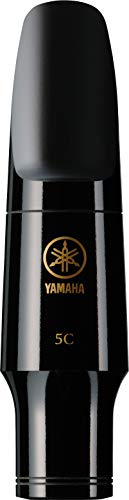
Yamaha 5C Baritone Saxophone Mouthpiece, Standard Series

uadbau 64Pcs Saxophone Mouthpiece Cushions 0.8mm
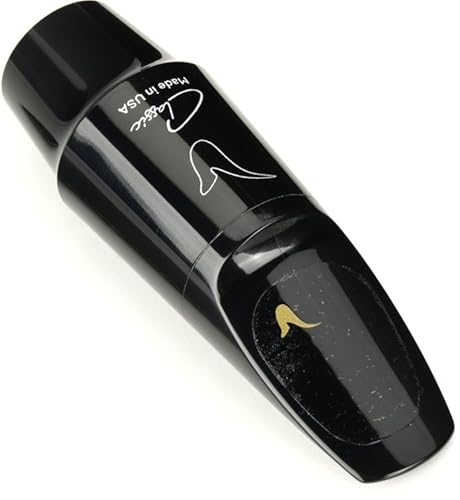
BetterSax Classic Alto Saxophone Mouthpiece
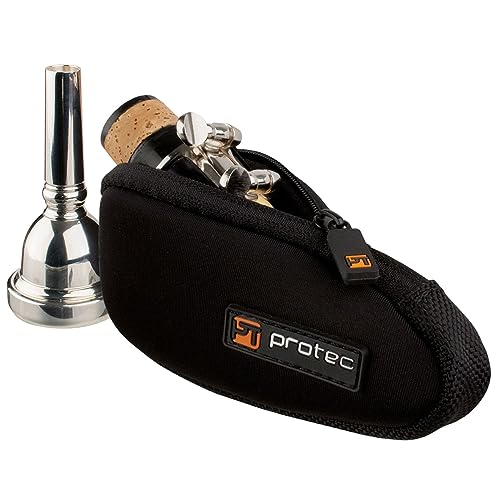
Protec Neoprene Mouthpiece Pouch N264 (Black)
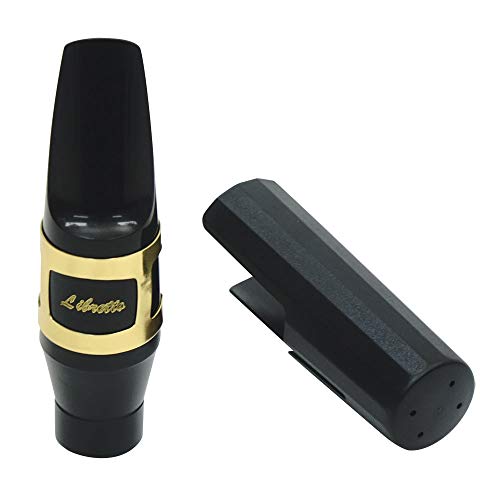
Libretto Baritone Saxophone Mouthpiece Kit with ABS 4C
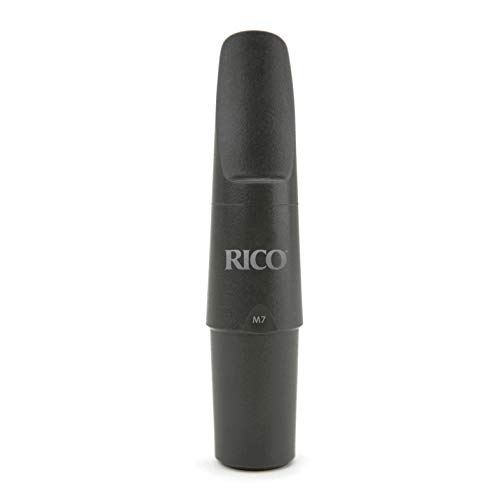
Rico Metalite Baritone Sax Mouthpiece M7

Yamaha YAC1295 5C Standard Bari Sax Mouthpiece

Rico Graftonite Baritone Sax Mouthpiece B5

D’Addario Rico Metalite Baritone Sax Mouthpiece M9
More On The Choices That Made The List
A ligature does more work than its size suggests. This Rovner Dark wraps the reed against a hard rubber mouthpiece without the rigid metal contact points that can choke vibration, which is why classical-leaning bari players have kept it popular for decades.
In practice, that means a fuller, more centered sound down in the pedal register where baritones live. If your current stock ligature feels harsh or uneven across dynamics, this is often the cheapest meaningful upgrade available.
Reasons It Performs
- No pressure points, so the reed vibrates freely for a warmer, rounder tone
- Includes a plastic cap to protect the tip during transport
- Fits standard hard rubber baritone mouthpieces like the Yamaha 5C models below
- Flexible fabric design slides on quickly and seats evenly
- Long track record among school and symphonic woodwind programs
Things To Consider
- The fabric surface can collect grime over months of handling, so an occasional wipe-down keeps it looking fresh
- Players chasing bright, cutting jazz projection sometimes prefer metal ligatures instead
Who It Suits Best
Concert band and classical baritone saxophonists who want a warm, controlled core tone without spending on a new mouthpiece.
Where Another Pick Suits Better
Loud outdoor players after maximum edge will get more bite from the Rico Graftonite B5 further down this list.
This is the piece Yamaha ships on its own baritone saxes, molded from phenol resin, a dense plastic that resists chipping far better than cheap acrylics. The 5C facing gives a slightly open tip, generous enough for a rich low end yet forgiving enough for newer players.
For anyone whose original mouthpiece cracked or wandered off at a rehearsal, this restores factory-spec response without guesswork. Pairing it with the Rovner Dark above is a common, sensible combo in school settings.
The Good Stuff
- Phenol resin body shrugs off drops that would crack brittle plastic
- Slightly larger tip opening supports a fuller, more flexible tone
- Matches what comes standard on new Yamaha baris, so fit is predictable
Worth Noting
- It’s a neutral design, so advanced players seeking a distinct jazz character may outgrow it
- No cap or ligature is bundled, budget for those separately
Key Specs
Made For
Student and intermediate baritone players replacing a lost or damaged stock mouthpiece with something predictable.
Consider Something Else When
The Libretto kit below bundles a cap and ligature, which suits first-time owners starting completely from scratch.
Teeth marks on a mouthpiece table change how a reed seals, and they hurt your lip too. These 0.8mm-thick oval pads stick to the top of the beak and dampen the high-frequency buzz that beginners often feel as discomfort during long practice blocks.
Sixty-four pads sounds excessive until you realize a single pad lasts weeks and works on clarinet and smaller saxes alike. For a school program outfitting several students, one pack goes a long way.
Practical Pluses
- Shields the beak from scratches and bite dents that alter playability
- Softens vibration under the teeth for longer, more comfortable sessions
- Works across alto, tenor sax, and clarinet mouthpieces
- Bulk count covers years of replacements or a whole section
Trade Offs
- Adhesive pads need a clean, dry surface to bond well; residue from old pads should be removed first
- Some players report edges lifting after heavy daily use, so keep spares handy
At A Glance
Right Fit For
Younger players and adults who clench, plus teachers stocking a shared instrument closet.
Not Your Match When
Players with a relaxed, light-biting embouchure gain little here; put that money toward the Yamaha 5C instead.
One honest note before anything else: this is an alto saxophone mouthpiece, not a baritone one. It earns a place here because many bari players double on alto, and a bad alto piece can sour the whole doubling experience.
Built in the USA and hand-finished, it’s designed around encouraging proper embouchure habits rather than fighting the player. School band directors frequently recommend it for concert, jazz, and marching contexts where consistency matters more than exotic tone colors.
Everyday Advantages
- Hand finishing gives a cleaner facing than mass-molded student pieces typically offer
- Reed-friendly design helps beginners get a speaking tone sooner
- Domestic manufacturing means consistent quality control batch to batch
- Versatile enough for concert band, jazz band, and marching season on one setup
Minor Gripes
- Wrong size for baritone horns, so confirm your instrument before ordering
- Advanced doublers may eventually want a dedicated jazz alto piece with more edge
Who Will Love This
Beginning alto doubler or middle-school band member whose stock mouthpiece fights back.
Look Elsewhere When
You’re shopping strictly for bari; the Yamaha YAC1295 later in this list fills that role properly.
Mouthpieces live or die by their tips, and a bare piece rattling inside a case pocket is asking for a chip. Protec’s N264 pouch uses soft neoprene, a stretchy synthetic fabric, to cradle the mouthpiece while a zipper keeps dust and lint out.
The fitted shape suits trombone and alto sax sizes well, and plenty of bari players use it for smaller doubles or accessories. A rear pocket adds room for reeds or a small cloth, which gigging musicians tend to appreciate.
A Favorable Mix
- Neoprene cushions against case bumps better than rigid plastic caps alone
- Zipper closure keeps lint away from the facing and rails
- Backside pocket holds a spare reed or cleaning cloth
- Compact enough to slip into any horn case accessory compartment
Points To Note
- Sized primarily for trombone and alto pieces, so large baritone mouthpieces with wide beaks may fit snugly
- Fabric exteriors can pick up pocket lint, though it rinses out easily
Built With In Mind
Doublers and commuters carrying a second mouthpiece alongside their main setup every day.
A Better Fit Elsewhere
Full-size bari pieces with chunky beaks get a safer home in the plastic cap included with the Rovner Dark kit.
Starting a baritone sax usually means buying three things at once: the mouthpiece, a ligature, and a cap. Libretto bundles all three into one box, built around a lightweight ABS plastic 4C-style piece aimed squarely at beginner and intermediate practice.
The gold-lacquered ligature looks sharper than most student hardware, which matters more than it sounds when a kid is deciding whether band feels cool. As a backup set for a school locker, it’s hard to argue with the convenience.
What Makes Sense
- Everything arrives together, so a new player can assemble and play day one
- ABS construction keeps weight down and resists everyday knocks
- Gold lacquer finish gives a step-up look at a student-tier cost
- Sized specifically for baritone saxophones, unlike generic sax kits
Softer Spots
- ABS plastic won’t match the tonal depth or durability reputation of phenol resin options like the Yamaha 5C
- Intermediate players commonly report outgrowing the 4C response within a year or two
Whose Shelf It Belongs On
First-year baritone students and parents assembling a complete starter setup in one order.
Skip It When
You already own a decent ligature and cap; the standalone Yamaha Standard 5C delivers more refinement on its own.
The Metalite line traces back to Arnold Brilhart, one of the most influential mouthpiece designers in sax history. The M7 pairs a medium chamber, which balances warmth against brilliance, with a .110-inch tip opening and a 26mm facing length, numbers that sit comfortably in the sweet spot for advancing jazz players.
Polycarbonate construction keeps it light and nearly indestructible, pitched at A=440 for modern ensemble tuning. In a pit or big band setting, this is the kind of piece that lets a bari cut through brass without shouting.
Advantages To Know
- .110 tip opening offers easy response while leaving room to grow
- Medium chamber delivers moderate brightness suited to section playing
- Polycarbonate body survives drops, temperature swings, and careless case mates
- 26mm facing supports flexible articulation across dynamics
Small Caveats
- The brighter character is less flattering for classical repertoire than the Rovner-and-hard-rubber pairing
- Polycarbonate surfaces can show scuffs over time, purely cosmetic but worth knowing
Feature Snapshot
Who Should Grab It
Advancing jazz and pit-band baritonists ready to move past a student-facing piece toward real projection.
Another Choice May Suit
Players wanting an even wider, freer blow should look at the M9 version reviewed near the end of this list.
Yes, this is essentially the sibling of the Yamaha 5C covered earlier. Both share the same phenol resin build and 5C design lineage drawn from Yamaha’s Custom Series thinking, and either serves as a trustworthy replacement piece.
The practical difference is availability: this long-running catalog model has been a fixture in music stores for years, making it a common recommendation from repair techs who want predictable results. Doublers keeping a spare bari setup in the trunk tend to reach for exactly this kind of known quantity.
Benefits That Matter
- Design derived from Yamaha’s higher Custom Series geometry
- Phenol resin holds its facing shape through years of use
- Tight manufacturing tolerances mean two units play nearly identically
- Forgiving 5C response suits section players and students alike
Honest Caveats
- Neutral voicing means little tonal personality for soloistic jazz work
- Cap and ligature sold separately, unlike the Libretto bundle earlier
The Right Fit
Working doublers and educators who value repeatable, spec-consistent performance over tonal flair.
Swap It Out When
Your priorities shift toward jazz projection; the Metalite M7 above brings considerably more presence.
Where the Metalite M7 aims for moderate brilliance, the Graftonite B5 leans harder into brightness. Its medium B chamber is voiced for the most projection in the line, backed by a .100-inch tip opening and a slightly shorter 25mm facing that firms up response.
On a football field or in a loud marching arrangement, that extra carry is exactly what you want from the bottom of the sax section. Same Brilhart-influenced polycarbonate durability applies, pitched at A=440.
Features That Help
- B chamber maximizes brilliance and forward projection outdoors
- .100 opening responds quickly, helpful for fast march-tempo passages
- Polycarbonate build handles weather swings at Friday night games
- Shorter facing gives a firmer, more immediate attack
Room For Improvement
- Indoor concert settings can expose the brightness as thin compared to hard rubber alternatives
- Reed choice matters more here; softer reeds may sound buzzy until matched properly
Quick Facts
Perfect Match For
Marching band and pep band baritonists who need to be heard over a full brass section.
Reach For A Different Pick When
Concert hall tone is the goal; the Rovner Dark ligature on a hard rubber piece warms things up considerably.
The M9 is the M7’s bigger sibling: same durable polycarbonate body, same Brilhart-rooted medium chamber, but with a .120-inch tip opening that demands a stronger embouchure and rewards it with serious airflow. Think big-band bottom end with genuine authority.
Experienced players stepping up from a 5C-style piece often find this the natural next rung. The trade-off is real though, since a wide tip punishes weak support with thin, unstable notes.
Practical Advantages
- .120 tip opening moves serious air for a fat, powerful low register
- Medium chamber keeps some warmth despite the volume potential
- Nearly indestructible polycarbonate suits touring and teaching schedules
- Same familiar geometry as the M7, making the step up predictable
A Few Limitations
- Beginners may struggle with endurance until their embouchure strengthens
- Softer student reeds often feel unresponsive against the wider tip
Core Details
Best Suited To
Advanced jazz and studio baritonists with developed air support chasing a bigger, freer sound.
Where A Sibling Pick Shines
Still building strength? The Metalite M7’s narrower tip offers similar character with far less demand.
What Matters Most Before Choosing Baritone Sax Mouthpieces
Tip Opening And Facing Length
The tip opening is the gap between the reed and the mouthpiece tip, measured in inches. Wider openings allow more airflow and a bigger sound but demand stronger lip muscles. Facing length shapes how the reed flexes along its journey to the table, affecting response speed. Beginners do well around .100 inches; experienced players often prefer .110 or wider.
Material Choices
Hard rubber remains the traditional favorite for its warm, complex tone, while phenol resin and polycarbonate plastics offer durability and consistency at friendlier costs. Plastic pieces also shrug off temperature changes that can bother older rubber. Neither option is wrong; they simply serve different priorities.
Matching Your Setting
Concert and classical settings favor darker, centered tones, which is why hard rubber paired with a fabric ligature dominates there. Jazz, pit, and marching work reward projection, pointing toward brighter chambers and wider tips. Be honest about where you actually play most of your notes.
Don’t Forget The Supporting Cast
A ligature, cap, cushion, and storage pouch all influence comfort and longevity. Skipping them saves little and costs plenty in chipped tips and sore lips over a season of regular playing.
Key Considerations Across These Picks
Traps First Timers Fall Into
Ordering an alto or tenor piece for a baritone happens constantly, since listings blur together. Double-check the instrument name in the title before checkout. The other common slip is buying a wide-tip jazz piece too early, then blaming yourself when endurance collapses mid-rehearsal.
What Separates Premium From Basic
Higher-tier pieces invest in tighter machining tolerances, hand finishing, and materials that hold their geometry for years. That consistency means the piece you buy plays like the one your teacher recommended. Casual players may not hear the difference immediately, but committed ones will within a few months.
Frequently Asked Questions
What tip opening should a beginner choose for baritone sax?
Start around .100 inches, like the Graftonite B5. Narrower openings respond easily while your embouchure develops strength and control.
Do mouthpiece cushions affect tone?
Minimally at 0.8mm thickness. Their main job is comfort and protecting the beak from teeth damage, not changing your sound.
Can I use a fabric ligature on any mouthpiece?
Fabric ligatures like the Rovner Dark fit standard hard rubber baritone pieces. Always match the model number to your mouthpiece type.
Why do some mouthpieces list a chamber type?
The chamber is the interior cavity shaping the air column. Larger or differently shaped chambers shift the balance between warmth and brightness significantly.
How often should a mouthpiece be replaced?
Quality pieces last years with basic care. Replace when the facing warps, cracks appear, or teeth marks start affecting reed seal.
Wrap Up
Building a great bari sax setup rarely means one dramatic purchase. It’s usually a dependable mouthpiece like the Yamaha 5C, a thoughtful ligature such as the Rovner Dark, and the small comforts that keep you practicing. Match the gear to where you actually play, upgrade gradually as your chops grow, and the low end of your horn will thank you night after night.
