
A baritone sax reed does a lot of quiet work. It shapes your tone, your response in the low register, and how much air you burn through a long rehearsal. Pick the wrong strength or cut and even a great horn fights you all night. This shortlist covers forgiving cane options for students, refined classical cuts, jazz-oriented designs, and one synthetic that shrugs off humidity, so you can match a reed to your mouthpiece, your embouchure, and the rooms you actually play in.
How The Shortlist Stacks Up
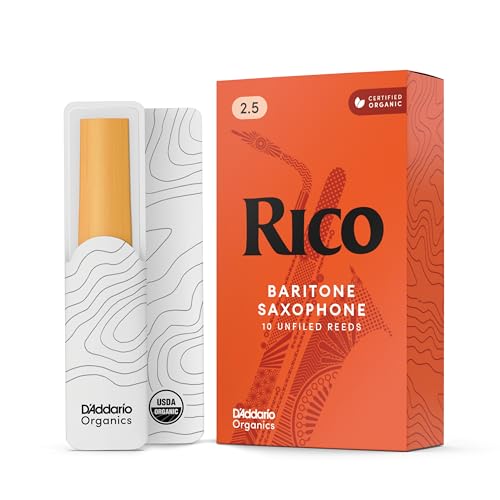
D’Addario Rico RLA1025 Baritone Sax Reeds 2.5, 10-Pack

Rico RLA0325 Baritone Sax Reeds Strength 2.5, 3-Pack

Rico RLA0330 Baritone Sax Reeds Strength 3.0, 3-Pack
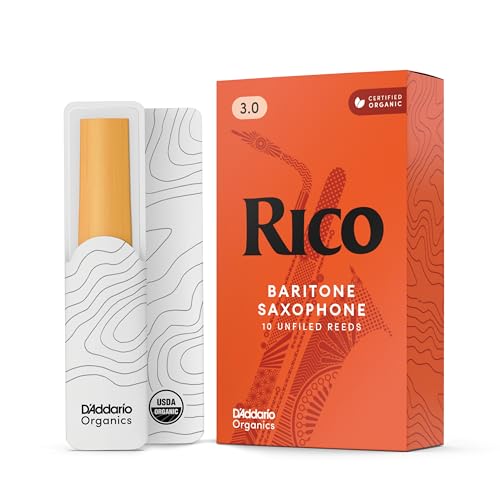
Rico Organic Baritone Saxophone Reeds Strength 3.0, 10-Pack

Vandoren SR2425 Bari Sax Traditional Reeds 2.5, Box of 5

Vandoren SR2435 Bari Sax Traditional Reeds 3.5, Box of 5

Légère Signature Baritone Sax Reed, Strength 3.00

Vandoren SR443 Bari Sax ZZ Reeds Strength 3, Box of 5

Rico Hemke Baritone Sax Reeds Strength 3.0, 5-Pack

Rico RLA0320 Baritone Sax Reeds Strength 2.0, 3-Pack
Meet The Standout Selections
The Rico line has long been the default recommendation from woodwind teachers, and the ten-reed format is the reason this version earns its spot. Baritone reeds get chewed up faster than alto or tenor because you lean on them harder for low-register volume, so buying in bulk keeps your case stocked through a whole semester.
Strength 2.5 sits in the sweet middle ground: soft enough for a developing embouchure, firm enough that the tone doesn’t turn buzzy once your breath support improves. In our view, this is the safest first bulk purchase for anyone still figuring out what they like.
Well-Handled Touches
- Ten reeds per box means fewer mid-month restock runs during band season.
- Strength 2.5 responds easily, so low B-flat speaks without excessive air pressure.
- Digital manufacturing keeps reed-to-reed variation low, which builds trust in the box.
- A traditional blank and profile suit most standard bari mouthpieces right out of the sleeve.
Things To Consider
- Cane reeds are moisture-sensitive; owners commonly report warping when reeds dry on the mouthpiece instead of a rack.
- Advanced players may find the tone brighter than a hand-finished French cut offers.
Key Specs
Who It Suits Best
Student and intermediate baritone players who practice several times a week and want an affordable, predictable supply.
Where Another Pick Suits Better
Classical players chasing a darker, more resistant sound will likely prefer the Rico Hemke RHKP5BSX300 later in this list.
Same cane, same strength, smaller box. Compared to the ten-pack above, this three-count version trades bulk savings for a lower upfront commitment, which makes sense when a student is still growing into the instrument or trying a new mouthpiece setup.
Three reeds also fits neatly into a school semester trial: one playing, one breaking in, one spare. Teachers have pointed beginning saxophonists toward Rico for decades largely because the cut forgives uneven pressure, and that reputation holds here.
Where It Delivers
- Low commitment lets you test whether 2.5 suits your mouthpiece before buying bigger boxes.
- Forgiving response helps beginners get a clear first note without fighting the reed.
- Fits standard bari sax mouthpieces, so no special equipment is needed.
Worth Noting
- Per-reed cost runs higher than the ten-pack, so heavy practicers lose money over time.
- Natural cane means occasional duds in any small batch; rotating three reeds helps spread wear evenly.
Made For
First-year baritone sax students and returning adults who want an easy-playing reed without committing to bulk quantities.
Consider Something Else When
Once you’ve settled on strength 2.5, the Rico RLA1025 ten-pack covers the same ground at better value for regular play.
This is the next rung on the same ladder. A strength 3.0 cane carries more material near the tip, which adds resistance and gives the low register a fuller, less buzzy foundation. Players often step up here after a year or two, once breath support stops being the limiting factor.
The trade-off shows up fast for younger players: more air is required, and a tired embouchure will make the horn feel stuffy by the end of rehearsal. Match this to your actual stamina, not your ambitions.
What Makes Sense
- Added resistance supports a rounder tone in the low register where bari lives.
- Same familiar Rico profile, so stepping up from 2.5 feels predictable rather than jarring.
- Small box works well for comparing strengths side by side before committing.
Trade Offs
- Players with lighter breath support may find articulation sluggish in fast passages.
- Cane care applies: store reeds flat and let them dry fully to avoid common cupping issues.
Right Fit For
Advancing high-school and college players whose embouchure has strengthened past 2.5 and want a steadier core sound.
Not Your Match When
Complete beginners should stay with the softer Rico RLA0320 three-pack until their air support develops.
Band directors stocking a section, take note: this ten-box of 3.0s pairs the sturdier strength with bulk economics. Because every stage of cultivation through manufacturing follows strict organic guidelines, the cane itself is grown and processed under tightly controlled conditions, which translates into dependable uniformity across the sleeve.
For a working player going through two or three reeds a week, that predictability matters more than any single fancy feature. You open the box expecting roughly what the last box gave you.
A Favorable Mix
- Organically cultivated cane follows controlled guidelines from field to finished reed.
- Consistency across reeds reduces the guesswork of hunting for a good one.
- Ten-count supply suits school sections and gigging schedules alike.
- Traditional profile seats securely on standard bari mouthpieces.
Points To Note
- Strength 3.0 demands solid air support; newer players may struggle with endurance.
- Like all cane, lifespan depends heavily on rotation habits and humidity in your region.
Best Suited To
Serious students, music educators, and working musicians who burn through reeds steadily and value batch-to-batch reliability.
A Better Fit Elsewhere
Jazz-focused players wanting quicker response may prefer the Vandoren SR443 ZZ reeds covered further down.
Vandoren’s Traditional cut is the reference point much of the classical sax world measures against. The design logic is straightforward: a very thin tip vibrates freely for a pure, focused sound, while a solid spine, the thicker ridge running toward the heel, keeps the reed stable instead of flabby.
In a concert hall or a recording booth, that combination reads as clarity. Compared to the Rico picks earlier in this list, expect more refinement and less forgiveness; these reward a developed embouchure.
Good Reasons To Consider
- Thin tip maximizes vibration for a clean, pure tonal quality.
- Solid vertebral column stabilizes response across registers.
- Long-standing favorite among classical saxophonists for ensemble blending.
- Strength 2.5 keeps the demanding cut approachable for intermediate players.
Minor Gripes
- Thin tips dent easily; owners commonly report shortened life when reeds are stored loose in a case pocket.
- Five per box costs more per reed than comparable Rico bulk packs.
Feature Snapshot
Who Will Love This
Intermediate-to-advanced players in wind ensembles, orchestras, or studio settings who prioritize tonal purity over raw power.
Look Elsewhere When
Loud big-band sections needing extra punch are generally happier with the Vandoren SR2435 strength 3.5 Traditional box.
Step up a strength and a half from the SR2425 and the character shifts noticeably. At 3.5, the Traditional cut delivers the resistance experienced classical players use to shape big, controlled dynamics, from whisper-soft attacks in the upper register to full-bodied low-end passages.
This is not a starter reed by any stretch. Without mature breath support and a settled embouchure, the horn will feel plugged. In skilled hands, though, it handles wide interval leaps legato or staccato while keeping tone rich, which is exactly what demanding repertoire asks of a bari chair.
The Good Stuff
- Excellent response across all registers, including pianissimo entries in high passages.
- Handles both legato lines and crisp staccato intervals with tonal richness intact.
- Suits all styles of music despite its classical pedigree.
- Higher resistance gives strong players dynamic headroom.
Room For Improvement
- Demands significant air support; intermediate players may find it fatiguing over long rehearsals.
- Break-in takes patience compared to softer student cuts, so rotate several reeds gradually.
The Right Fit
Advanced classical and traditional-jazz baritonists with developed technique who want maximum dynamic control.
Skip It When
Players building strength should start with the Vandoren SR2425 at 2.5 and move up only when response feels too easy.
Everything else on this list is cane. The Légère Signature is a premium synthetic polymer reed, and that single difference changes ownership completely: no soaking, no warping in humid weather, and a playing life measured in months rather than weeks. Pit musicians and doublers who swap between instruments mid-show tend to treat these as insurance policies.
The honest caveat is tone. Many players report the Signature sounds slightly less complex than good cane, though the depth and consistency impress plenty of others. Whether that trade works depends entirely on your ears and your setting.
What It Does Well
- No preconditioning required; pull it from the case and play immediately.
- Unaffected by humidity, a genuine advantage for outdoor gigs and marching conditions.
- Lasts far longer than cane, which offsets the higher single-unit cost over time.
- Signature series tuning aims for expressive depth with reliable consistency.
Softer Spots
- Some players perceive a slightly different tonal color than natural cane; try before committing to a full setup change.
- Sold as a single reed, so there’s no variety within a purchase to fall back on.
Core Details
Whose Shelf It Belongs On
Gigging multi-instrumentalists, pit orchestra players, and anyone practicing in humid climates who wants zero-maintenance reliability.
Another Choice May Suit
Purists who enjoy the ritual and tonal nuance of cane will connect more with the Vandoren Traditional boxes earlier in this list.
The ZZ is Vandoren’s jazz answer, introduced back in 2002, and its design borrows from both sides of the company’s catalog: a medium-thick heart, spine, and rounded tip drawn from the V16 line, paired with the flexible blank geometry of the JAVA reed. What that blend buys you is immediacy. The reed speaks the moment air hits it, which matters enormously when you’re punching stabs behind a big band.
Compared to the Traditional cut reviewed above, expect a brighter edge and faster articulation at the cost of some classical polish.
What Earns Its Place
- Immediate response suits quick attacks and rhythmic jazz phrasing.
- Heart-and-tip relationship produces tonal color without sacrificing brightness.
- Blends V16-style thickness with a flexible blank for versatile playability.
- Reported durable life holds up through demanding rehearsal weeks.
Areas To Watch
- The brighter character can stick out in blended classical ensemble settings.
- Jazz-oriented cut rewards confident players; beginners may find articulation touchy.
Product At A Glance
Who Should Grab It
Jazz combo and big-band baritonists who need instant response, projection, and a bit of growl-friendly brightness.
Where A Sibling Pick Shines
Concert-band players after warmth and blend will get more mileage from the Rico Hemke five-pack that follows.
Named for Frederick L. Hemke, the longtime Northwestern professor whose name is shorthand for American classical saxophone, this cut exists for one purpose: a dark, warm, rounded tone. Two design choices drive that character. A thinner tip eases response, while a shorter vamp, the shaved vibrating section of the reed, concentrates mass and deepens the sound.
Against the brighter ZZ just reviewed, the Hemke sits at the opposite end of the tonal spectrum. Solo recitalists and chamber players gravitate here for good reason.
Reasons It Performs
- Shorter vamp produces the darker tone favored in classical and traditional jazz.
- Thinner tip combines with a medium-thickness spine for easy response with real resistance.
- Warm sound blends beautifully in quartet and wind-ensemble settings.
- Five-pack size balances cost against reasonable rotation.
Honest Caveats
- The dark character lacks the cutting edge loud jazz sections sometimes require.
- Cane storage matters; keeping reeds in a ventilated holder prevents the warping owners commonly describe.
Technical Reference
Built With In Mind
College-level classical saxophonists, solo performers, and traditional jazz players seeking a warm, rounded bari voice.
Swap It Out When
Players wanting easier playability at the same strength can drop to the Rico RLA0330 three-pack without losing much body.
For the youngest or newest bari player in the house, strength 2.0 removes nearly every obstacle between breath and sound. The traditional blank and profile respond with minimal air pressure, so those first long tones arrive quickly, and early wins are what keep beginners practicing past week three.
The compromise is obvious: soft cane buzzes more and wears out faster, especially under an enthusiastic beginner who leans hard on every note. Treat these as training wheels with a planned upgrade path.
Everyday Perks
- Minimal air pressure needed, ideal for players still building embouchure strength.
- Quick response delivers clear notes early, which keeps motivation high.
- Traditional profile fits standard student bari setups without adjustment.
Small Caveats
- Soft cane tends to wear quickly under heavy-handed beginners; expect frequent replacement.
- Tone can turn buzzy as skills improve, signaling it’s time to move up a half strength.
Perfect Match For
Middle-school beginners and adult restarters whose embouchure and breath support are still developing.
Reach For A Different Pick When
Once a student sustains comfortable low-register notes, the Rico RLA0325 at strength 2.5 is the natural next step.
What Matters Most Before Choosing Baritone Sax Reeds
Match Strength To Your Embouchure
Reed strength describes how stiff the cane feels against your mouthpiece, and it’s the single biggest factor in playability. Too soft and the low register buzzes; too firm and every phrase feels like blowing through a wall. A practical test: play a sustained low B-flat. Struggling to hold it steady usually means stepping down a half strength, while a tone that collapses into fuzz suggests going firmer.
Consider Cut And Tone Goals
Beyond stiffness, the cut shapes your voice. Thin-tip designs like Vandoren’s Traditional favor purity, while jazz cuts such as the ZZ prioritize instant response and brightness. Darker classical profiles, exemplified by the Hemke, trade edge for warmth. Decide what your primary ensemble demands before shopping, since a reed loved by a recitalist may vanish inside a loud big band.
Factor In Climate And Commitment
Cane absorbs moisture, swells, and warps depending on humidity, which is why players in damp regions rotate reeds constantly. Synthetic options sidestep that entirely at a higher unit cost. Do the math honestly: a synthetic pays for itself over months of steady play, while occasional players rarely reach that break-even point.
Buy Quantities That Fit Your Habit
Three-packs suit experimentation and students still settling on a strength. Ten-packs reward committed players with lower per-reed cost. Buying bulk before confirming your ideal strength is the classic false economy, so lock in your preference first, then stock up.
Key Considerations Across These Picks
Where Shoppers Go Wrong
The most common slip is copying another player’s strength without accounting for mouthpiece differences. Tip openings change how a given reed behaves dramatically. A second trap is bulk-buying an unproven strength; sample small boxes first, then commit. Skipping proper rotation also shortens reed life, so give each reed a day of rest between sessions.
Why Top Tier Costs More
Premium pricing reflects tighter selection and finishing. Hand-checked French cane, precision-milled synthetics, and specialized cuts like the Hemke all demand more labor per unit. The upgrade pays off once your ear can hear the difference, typically around intermediate level; below that threshold, consistent student-grade cane serves you just as well.
Frequently Asked Questions
What strength baritone sax reed should a beginner start with?
Most teachers start students at 2.0 or 2.5, since softer cane responds with less air pressure. Move up only when the current strength feels too easy to control.
How long does a baritone sax reed last?
Regular players commonly replace cane reeds every one to four weeks depending on hours played and rotation habits. Quality synthetics can last several months of similar use.
Do I need to soak a baritone sax reed before playing?
Cane reeds benefit from brief moisture, either in the mouth or water, to seat properly on the mouthpiece. Synthetic reeds such as the Légère Signature need no soaking at all.
Are more expensive reeds always better?
Not necessarily; price reflects materials and finishing labor, not automatic suitability. A well-matched student reed outperforms a premium reed that’s too stiff for your embouchure.
Can I use tenor sax reeds on a baritone saxophone?
No, baritone mouthpieces require the larger bari-specific tip dimensions for a proper seal. Using the wrong size causes leaks and unplayable response.
Bottom Line
Your best reed is the one matched to your current embouchure, your mouthpiece, and the music in front of you. Students should start soft with the Rico three-packs, advancing classical players have the Vandoren Traditions and Hemke waiting, and jazz players get their answer in the ZZ. Add the Légère when maintenance fatigue sets in. Whichever direction you go, buy small first, confirm the fit, then stock up with confidence.
