
Getting into machine embroidery usually means one thing: a pile of confusing choices before your first stitch. You need a machine that fits your space and skill level, plus thread, stabilizer, and hoops that actually work together. This roundup covers both sides of that problem, from full beginner machines to the supplies that keep them running. Whether you’re personalizing hoodies at the kitchen table or eyeing a small side business, there’s a sensible starting point here for you.
A Snapshot Of The Selections

Embroidex Embroidery Machine Starter Kit

Poolin EOC06 Embroidery Machine, 11″x7.9″ Area

LIUHG 96Pcs Sewing Thread Kit, 48 Colors

Poolin Embroidery Machine Thread Kit 60 Colors

Poolin EOC05 Embroidery Machine for Beginners

Smartstitch S-1001 Embroidery Machine with 10 Needles
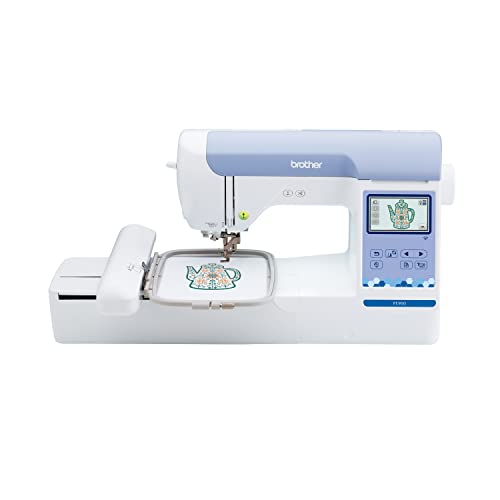
Brother PE900 Wireless Embroidery Machine with WLAN
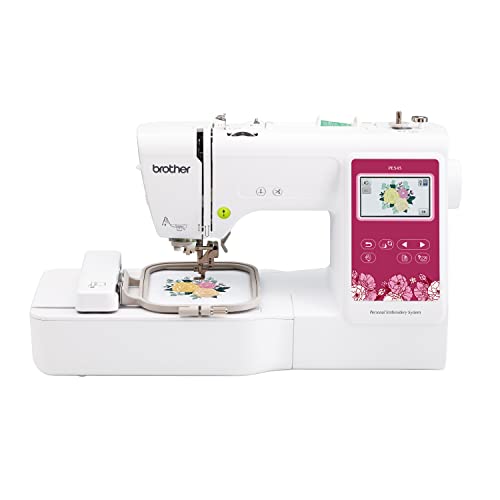
Brother PE545 Wireless Embroidery Machine 4×4 Hoop LCD

SINGER 4411 (Pink) High Speed Heavy Duty Sewing Machine

Brother Skitch Single-Needle Embroidery Machine Bluetooth
The Strengths Of Each Pick
New machines rarely arrive with everything you need, and that gap is where most first projects stall. This Embroidex bundle fills it with thread, stabilizer, bobbins, needles, bonus designs, and an instructional disc, so you can hoop fabric the day your machine shows up.
The notions inside are built as universal accessories, which means they pair with any brand of home embroidery machine rather than locking you into one ecosystem. For a beginner who hasn’t even chosen a machine yet, that flexibility takes a real decision off your plate.
What It Does Well
- Covers the full supply list in one order, from stabilizer to needles
- Universal sizing works with any home embroidery machine brand
- Bonus designs give you something to stitch while you learn
- The included instructional CD walks you through early technique
Things To Consider
- Thread quantities are starter-sized, so frequent stitchers will reorder within a few projects
- An instructional CD assumes you still have an optical drive handy
Who It Suits Best
Total beginners who just unboxed their first embroidery machine and want every consumable ready to go.
Where A Sibling Pick Shines
Once those starter spools run low, the Poolin Embroidery Machine Thread Kit 60 Colors offers a much deeper color range for regular use.
Hoop size decides what you can make without repositioning fabric, and the EOC06 gives you room to breathe. Its largest frame reaches 11 by 7.9 inches, big enough for jacket backs or oversized tote designs, while smaller 7.9-inch and 5.5-inch hoops handle sleeves and left-chest logos.
A 7-inch touchscreen drives the whole experience, with 200 designs stored onboard and USB plus wireless options for bringing in your own files. Compared with the smaller EOC05 later in this list, this is the model you grow into rather than out of.
Useful Strengths
- Three hoop sizes cover everything from caps to jacket backs
- 200 built-in designs mean you can stitch before buying any files
- Wireless and USB transfer both supported, so file handling stays flexible
- The large color touchscreen makes design placement and editing straightforward
Worth Noting
- Single-needle machines require manual color changes on multicolor designs, which slows long projects
- The bigger footprint needs a dedicated table spot in most craft rooms
Key Specs
Made For
Home embroiderers who already know they want to tackle larger garments and don’t want to upgrade again soon.
Consider Something Else When
Desk space is tight or budget comes first, the Poolin EOC05 delivers a friendlier footprint at a lower commitment.
Most budget thread kits fail at the tension disc, shedding lint until your machine jams. This LIUHG set takes a different approach: AAA-grade polyester spun into a tight 4-ply twist, which resists breakage far better than the looser 2-ply thread commonly sold in starter kits.
You get 96 pieces total, pairing 48 spools of 400 yards each with matching prewound bobbins. In practice, that means less time winding and fewer mid-seam snaps when you’re quilting through multiple layers or patching denim.
Standout Benefits
- 4-ply tight-twist construction holds up to abrasion and high-speed stitching
- 48 prewound bobbins let you start immediately without winding
- Nano-treated fiber runs smoother, producing less lint inside your machine
- Dye process keeps colors rich through repeated washing and light exposure
- 400 yards per spool covers plenty of repair and quilting sessions
Trade Offs
- This is general sewing thread, not the finer 40-weight spec digitized embroidery designs expect, so dense fill stitches may not look their best
- Bobbin colors are fixed, so you’ll still wind custom matches occasionally
Right Fit For
Quilters, menders, and DIY sewists who want durable all-purpose thread in bulk rather than embroidery-specific weights.
Swap It Out When
Your focus is satin-stitch embroidery, the Poolin 60-color kit’s true 40WT thread will render designs more cleanly.
Embroidery designs are digitized around one thread standard: 40 weight. Get that wrong and your fills turn stiff or your lettering turns thin. Every spool here is 40WT polyester at roughly 800 meters, the specification most commercial digitizers assume.
Sixty shades give you enough range to match school colors, team palettes, and seasonal projects without mixing brands. It’s designed for single-needle home machines across major brands, including the Poolin models and the Brother picks in this roundup.
Where It Helps
- True 40WT weight renders digitized designs at their intended density
- Roughly 800 meters per spool outlasts typical starter-kit quantities
- Polyester construction resists fading and shrinking through laundering
- Compatible with single-needle machines from most major manufacturers
Small Caveats
- No prewound bobbins included, so plan on winding your own in white or black
- Color selection is fixed, and owners occasionally report wanting more pastel and neutral options
At A Glance
Best Suited To
Hobbyists running regular embroidery projects who need dependable, correctly weighted thread in volume.
Look Elsewhere When
Your projects lean toward quilting and garment repair instead of digitized designs, the LIUHG 96-piece kit suits that workload better.
Some beginners want the simplest possible entry point, and the EOC05 is built around exactly that. The slim 4-by-9.25-inch embroidery area handles shirts, hoodie fronts, bags, and gifts without overwhelming a spare corner of your home.
It ships with two hoops and a starter kit, so unlike the bare-bones EOC06, you’re stitching almost immediately. A 7-inch touchscreen guides setup, and WiFi plus USB both move designs onto the machine. One honest limitation: this is embroidery only, with no sewing capability whatsoever.
Key Advantages
- Two hoops and a starter kit come in the box, cutting extra purchases
- Narrow 4 x 9.25 inch field fits sleeves, cuffs, and pocket areas well
- WiFi transfer skips cables entirely once your network is set
- Touchscreen interface shortens the learning curve noticeably
Points To Note
- Embroidery-only design means you’ll need a separate machine for construction sewing
- The tall narrow hoop shape doesn’t suit wide square designs, a constraint worth checking against your project list
Quick Facts
Who Should Grab It
First-time embroiderers working mostly on wearable items who value a small footprint over maximum hoop width.
Reach For A Different Pick When
You expect to stitch large jacket-back designs regularly, step up to the Poolin EOC06 and its 11-inch field.
Every other single-needle machine here stops and waits for you to change thread. The S-1001 carries ten needles at once, trimming colors automatically as designs progress, and that difference compounds fast on production runs of hats and shirts.
Speed tops out at 1200 stitches per minute across a generous 9.5-by-14.2-inch field. Automation does the tedious work too: automatic trimming, thread-break detection, self-lubrication, and laser positioning for accurate placement. Flat goods, caps, and finished tees are all in scope.
Strong Points
- Ten needles with auto color change eliminate hours of manual rethreading per batch
- Laser positioning guide takes the guesswork out of placement on hats and pockets
- Thread-break detection saves designs from being ruined unattended
- Self-lubrication system trims routine maintenance dramatically
- Physical buttons alongside the 7-inch screen speed up repeat operations
Potential Drawbacks
- The learning curve and threading routine are heavier than any single-needle pick here
- Space, noise, and power needs suit a dedicated workshop better than a shared dining table
Feature Snapshot
Who Will Love This
Sellers fulfilling orders for embroidered hats and apparel who’ve outgrown single-needle pace entirely.
Not Your Match When
You’re still learning fundamentals, the Brother PE900 offers a gentler path with far less setup overhead.
Brother’s reputation in home embroidery rests on machines that behave predictably, and the PE900 continues that pattern. The headline number is the 5-by-7-inch embroidery field, comfortably larger than the PE545’s 4×4 hoop and big enough for substantial monograms and filled motifs.
Wireless transfer via WLAN pulls designs from compatible sources without cables, and built-in designs cover you before you buy anything. Owners consistently describe it as easy to learn yet capable enough to stay relevant as skills improve, which is exactly the balance a second-machine buyer hopes for.
Real Benefits
- 5 x 7 inch field handles larger projects the PE545 cannot fit
- Wireless design import keeps your workspace cable-free
- Generous built-in design library supports immediate creativity
- Brother’s parts availability and community support ease long-term ownership
Honest Caveats
- Embroidery-only, so garment construction still requires a separate sewing machine
- Some users report the plastic housing feels lighter than older metal-frame Brothers
The Right Fit
Hobbyists past their first dozen projects who want more hoop real estate without jumping to multi-needle complexity.
Another Choice May Suit
Tight budgets and small spaces point toward the Brother PE545, which shares the same software logic in a smaller package.
Gift monogramming, kids’ shirts, small logos: most everyday embroidery lives inside a 4-inch square anyway. The PE545 embraces that reality with a compact body, 135 built-in designs, ten frame patterns, and ten font styles for lettering right out of the box.
Wireless connectivity sends designs from your computer without fumbling with USB sticks, and the LCD screen keeps editing simple. Next to the PE900, you sacrifice hoop size and some design capacity, but gain a smaller footprint and an easier first experience.
Everyday Wins
- 135 built-in designs plus 10 fonts cover monogramming immediately
- Wireless transfer removes the most common beginner friction point
- Compact footprint fits shelves and small craft corners
- On-screen editing lets you resize and reposition before stitching
Minor Gripes
- The 4 x 4 inch hoop rules out large back-piece and tote-front designs
- Threading and bobbin winding are fully manual, as expected at this tier
Core Details
Built With In Mind
Casual crafters personalizing gifts and children’s clothing a few times a month in limited space.
Where A Sibling Pick Shines
Plans involving quilt blocks or jacket backs justify moving up to the Brother PE900’s 5×7 field.
To be clear upfront: this isn’t an embroidery machine. It earns its place because serious embroiderers also need a workhorse for hooping prep, backing seams, hemming finished pieces, and repairs, and few machines do that job harder than the 4411.
The motor pushes 1100 stitches per minute over a stainless steel bedplate that glides heavy fabrics smoothly, and the pink finish makes it genuinely fun to look at. Accessories come bundled, so basic tasks are covered on arrival.
Benefits That Matter
- Powerful motor sews denim, canvas, and layered hems without strain
- Stainless steel bedplate feeds thick fabric more evenly than plastic plates
- 1100 stitches per minute finishes prep work quickly
- Accessories included reduce first-week add-on spending
Room For Improvement
- Only 11 built-in stitches, so decorative sewing options are minimal
- The fast pedal response takes practice; new sewists often report a steep first hour
Whose Shelf It Belongs On
Embroiderers who finish garments and need rugged construction sewing alongside their hoop work.
Skip It When
Your goal is stitched designs themselves, any embroidery-only pick above, such as the Poolin EOC05, matches that intent far better.
The Skitch flips the usual script: instead of a screen on the machine, your phone becomes the control center. Designs get created and edited in Brother’s Artspira app, then sent over Bluetooth, no USB drive required anywhere in the workflow.
That app-first approach suits crafters who already sketch and plan on mobile, and it keeps the hardware itself compact and affordable. The trade-off is real though: Artspira is required to drive the machine, so comfort with an app-dependent setup matters before committing.
Practical Pluses
- Bluetooth pairing sends designs straight from your phone
- Artspira enables creating and editing designs on mobile
- Compact body suits apartments and shared crafting spaces
- No USB stick juggling simplifies the design-to-stitch flow
Softer Spots
- The machine depends entirely on the Artspira app, which frustrates anyone preferring standalone controls
- User feedback on the app experience varies, so check current version behavior before relying on advanced features
Who It’s Really For
Mobile-first creators who design on their phone and want the smallest possible bridge from idea to stitched fabric.
A Better Fit Elsewhere
Anyone wanting onboard screens and built-in designs will be happier with the Brother PE545 and its self-contained interface.
What Matters Most Before Choosing Basic Embroidery Machines
Hoop Size Shapes Everything
The embroidery area determines what you can stitch in one pass. A 4×4-inch hoop covers monograms and chest logos, while an 11-inch field handles jacket backs without rehooping, which risks misalignment. Measure the actual projects you want to make before falling for any machine’s feature list.
Single Needle Versus Multi-Needle
Single-needle machines stop at every color change so you can rethread manually. That’s fine for occasional gifts, exhausting for fifty hat orders. Multi-needle models like the Smartstitch automate color changes but demand more space, maintenance knowledge, and upfront investment.
Connectivity And Software
USB transfer works everywhere; WiFi and Bluetooth remove friction once configured. App-driven machines trade convenience for dependency, since the software becomes mandatory. Decide whether you prefer controls on the device or in your pocket.
Don’t Forget Consumables
Thread weight, stabilizer, needles, and bobbins determine output quality as much as the machine itself. Budgeting for a proper supply kit alongside your machine purchase prevents the stalled-first-project problem that discourages so many newcomers.
Key Considerations Across These Picks
Traps First Timers Fall Into
The most common mistake is buying the biggest hoop available when your actual projects are small, paying for capacity that sits unused. The opposite error is skipping stabilizer entirely, which causes puckered fabric no machine setting can fix. Also verify thread weight matches your designs; generic sewing thread often disappoints on dense embroidery.
What Separates Premium From Basic
Higher-tier machines buy automation, not just size. Auto color changing, thread-break detection, and laser positioning convert hours of supervision into background time. Paying up makes sense once volume justifies it; below that threshold, a well-chosen single-needle machine delivers nearly identical stitch quality.
Frequently Asked Questions
Do basic embroidery machines also sew?
Some combo models exist, but several popular picks like the Poolin EOC05 and Brother PE900 are embroidery-only. You’ll need a separate sewing machine for construction work.
What thread should beginners use?
Look for 40-weight polyester, the standard embroidery designs are digitized around. General-purpose sewing thread tends to break or distort dense fills.
How hard is it to learn machine embroidery?
Modern touchscreen machines make basics achievable within a few sessions. Stabilizer choice and hooping tension take longer to master than the machine operation itself.
Can I use my own designs?
Yes, nearly every machine here accepts imported files via USB, WiFi, or Bluetooth. Check your preferred design format against the machine’s compatibility before purchasing files.
Is a multi-needle machine worth it for a beginner?
For pure learning, no, since single-needle models teach fundamentals at lower cost. Multi-needle becomes worthwhile when order volume makes manual color changes the bottleneck.
Wrap Up
Choosing among these ten comes down to honest self-assessment: your space, your project list, and your patience for color changes. Start with the machine and hoop size that match what you’ll actually stitch this year, then invest in proper 40WT thread and stabilizer. The right combination turns a frustrating hobby into a genuinely satisfying one, and there’s a sensible starting point waiting in this lineup for you.
