
Learning to sew should feel exciting, not intimidating. The right starter machine handles hemming pants, fixing a torn seam, and your first craft projects without a steep learning curve. This roundup focuses on approachable options that balance ease of use with enough capability to grow alongside you.
The Leading Options At A Glance

Brother XM3700 Sewing Machine with 37 Built-in Stitches

Brother FB1757X Mechanical Sewing Machine

CraftBud Mini Sewing Machine for Beginners and Kids
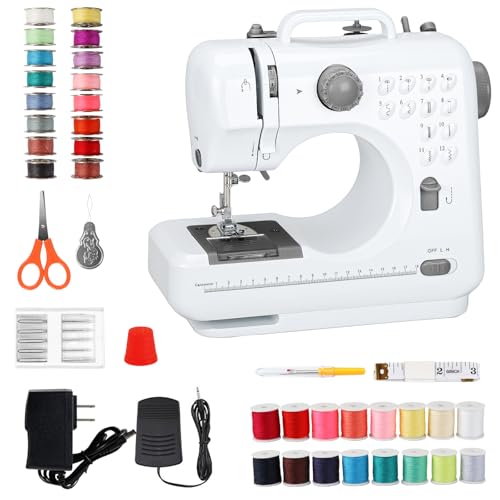
Ninonly Mini Portable Sewing Machine, 12 Stitches (Gray)
Stoigeld SM-725 Portable Sewing Machine with Supply Kit

StitchMaster Pro Sewing Machine with Twin Needle Support
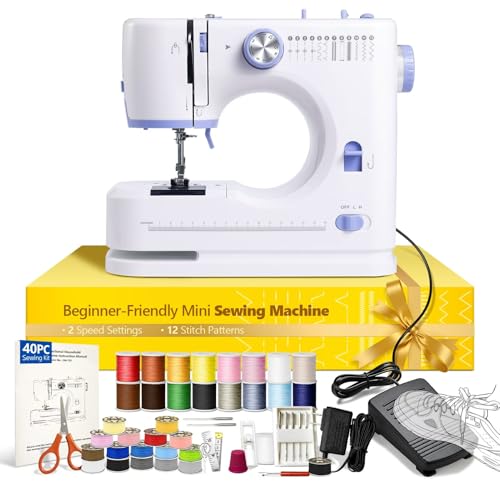
Verdanika Portable Tabletop Mini Sewing Machine

MEGLE FHSM-505 Multifunctional Household Sewing Machine
Rxmeili 12-Stitch Portable Sewing Machine with 42-Piece Kit

QVNIE Beginner-Friendly Portable Sewing Machine (Purple)
Meet The Standout Selections
Most starter machines give you a handful of stitches and leave it there. The XM3700 takes a different route, packing 37 built-in stitch patterns into a beginner-friendly body, which means decorative seams, quilting lines, and heirloom-style work stay on the table long after you’ve mastered straight stitching.
The five included presser feet tell the real story here. A zigzag foot, zipper foot, blind stitch foot, buttonhole foot, and button sewing foot cover nearly every technique a growing sewer encounters, and the built-in storage compartment keeps them from vanishing into a drawer.
What Makes Sense
- 37 stitches mean you won’t outgrow this machine after your first skirt.
- Five accessory feet handle zippers, buttons, and blind hems without extra purchases.
- Onboard storage keeps small parts organized between sessions.
- Suits garment construction, quilting, and decorative work equally well.
Things To Consider
- The wider feature set asks more of you at the start; expect a slightly longer setup session than simpler picks like the Brother FB1757X below.
Who Will Love This
Ambitious newcomers who already know they want to move past mending into garments, quilting, or creative projects within their first year of sewing.
Where A Sibling Pick Shines
Total beginners who want the simplest possible start will find the Brother FB1757X’s smaller stitch count less overwhelming day to day.
Where the XM3700 leans ambitious, the FB1757X keeps things deliberately simple. Seventeen built-in stitches cover the fundamentals, and mechanical controls mean fewer menus to learn before your first seam comes together cleanly.
The details aimed at new sewers stand out most. A four-step buttonhole walks you through buttonholes one stage at a time, the free arm lets you slide sleeves and pant legs around the needle easily, and an LED-lit work area makes threading and seam-following far easier on tired eyes. A reverse button reinforces seam starts and ends so your hems hold up to washing.
The Practical Payoff
- Free arm design makes cuffs, collars, and children’s clothing far less fiddly.
- LED lighting reduces eye strain during evening sewing sessions.
- Four-step buttonholes teach the technique without digital complexity.
- Reverse stitching locks seams so finished pieces survive regular laundering.
Small Caveats
- Seventeen stitches is plenty for basics, but quilters may eventually want the XM3700’s broader pattern range.
- Mechanical dials need occasional cleaning around the bobbin area to keep tension consistent.
At A Glance
Right Fit For
First-time garment sewers who want a dependable brand name and a short learning curve over maximum features.
Swap It Out When
Anyone planning heavy quilting or heirloom work will get more mileage from the Brother XM3700’s 37-stitch lineup instead.
Full-size machines can overwhelm younger learners, and that’s the gap the CraftBud fills. Its compact body sits comfortably on a kid-height desk, and the adjustable speed setting lets cautious beginners start slow rather than chasing a runaway pedal.
The kit approach helps too. A built-in light brightens the needle area, dual power options mean it runs plugged in or portable, and an expandable table gives small hands more fabric support than most minis offer. An easy user guide rounds out a package clearly designed for supervised first lessons at home.
Where It Delivers
- Adjustable speed builds confidence before faster sewing feels safe.
- Expandable table stabilizes fabric, which matters enormously for wobbly beginners.
- Built-in light improves visibility for detailed hand positioning.
- Dual power modes allow crafting away from outlets.
Points To Note
- Mini machines suit light fabrics best; denim and canvas are better left to larger models.
- Younger users still need adult supervision around needles and the foot pedal.
Made For
Families introducing kids or teens to sewing, plus adults who want a low-pressure, small-footprint way to learn.
Another Choice May Suit
Grown-up beginners tackling clothing alterations will prefer the sturdier MEGLE FHSM-505 covered later in this list.
This gray mini earns its spot through sheer portability. It’s small enough to live on a desk without crowding it, and the built-in handle plus lightweight body make it genuinely easy to carry between rooms, dorms, or even an RV trip.
Two power modes do the heavy lifting here. Plug it into the wall at home, or run it on batteries when no outlet is nearby. Twelve stitch patterns and a foot pedal round out a package geared toward quick fixes and small DIY jobs rather than serious garment construction.
Strong Points
- Battery operation means emergency repairs happen anywhere, no outlet required.
- Built-in handle beats digging a machine out of a tote bag.
- Tiny footprint suits dorm desks and cramped craft corners.
- Included accessories kit covers basic repair needs out of the box.
Less Ideal Details
- Battery-powered performance tends to dip on thicker fabrics, so keep expectations modest for heavy materials.
- Twelve stitches limit decorative variety compared with the Stoigeld SM-725’s kit-included flexibility.
Who Should Grab It
Students, travelers, and anyone whose sewing needs lean toward fast mends in spaces where a full machine simply won’t fit.
Reach For A Different Pick When
Home-based beginners wanting more stitch variety and bundled supplies will be happier with the Stoigeld SM-725.
New sewers often forget thread and fabric until they’re ready to practice, which stalls momentum. The SM-725 solves that by bundling 20 pieces of fabric and 32 spools of thread alongside the machine itself, so your first lesson starts the moment the box opens.
The machine itself measures roughly 10.3 by 9.5 by 4.4 inches and weighs 4.2 pounds, easy to carry between rooms or store on a shelf. Twelve built-in stitches with high and low speed settings cover everyday mending, though the manufacturer is clear this is a household unit meant for thin cotton, linen, and other light woven fabrics.
A Few Strong Suits
- Bundled fabric and thread eliminate a separate shopping trip entirely.
- Two speeds let you crawl before you run.
- Under five pounds makes storage and carrying painless.
- Compact dimensions fit small apartments and shared craft tables.
Trade Offs To Consider
- Thick materials like denim or multiple fabric layers are outside its comfort zone, per the maker’s own guidance.
- It’s explicitly not a commercial or heavy-duty unit, so daily production sewing isn’t realistic.
Quick Facts
Who It Suits Best
Complete beginners who want everything in one purchase and plan to stick with lightweight fabrics for their first projects.
Consider Something Else When
Denim hems and canvas crafts call for the StitchMaster Pro’s higher-speed handling of thick materials.
Twin-needle compatibility is rare at the beginner level, and it’s the detail that separates this Lastempa machine from the pack. A twin needle sews two parallel rows at once, giving hems and topstitching that store-bought finish once your skills catch up to the feature.
Fourteen stitches span straight, zigzag, and blindstitch options, while dual-speed control switches between delicate precision work and faster passes through thick material like denim. At just 4.4 pounds with a built-in carry element, it travels well too, serving everyone from absolute learners to home users refining their technique.
The Upside
- Twin-needle capability produces professional-looking double rows on hems.
- Low-speed mode protects fragile fabrics from beginner mistakes.
- High-speed mode chews through denim without bogging down.
- Blindstitch option creates nearly invisible hems on dress pants.
- Featherweight build suits crafters who sew in multiple spots.
Details To Watch
- Twin needles demand correct threading order; plan on consulting the manual your first few times.
Core Details
Built With In Mind
Home users ready to finish garments properly, especially anyone whose projects mix delicate silks with occasional denim.
Not Your Match When
Absolute first-timers wanting the gentlest entry point may find the Rxmeili’s toggle-speed simplicity more forgiving.
Lots of minis feel flimsy the moment you press the pedal. The Verdanika counters that with an internal metal frame, a structural detail that keeps the body stable so stitches land evenly instead of wandering mid-seam.
You get twelve stitch patterns covering seams, hems, edges, and buttonholes, plus two-speed control that keeps nervous beginners in charge on slow and moves quickly once confidence arrives. The compact footprint stores in a closet or shifts between rooms without drama, which suits quick-repair households and apartment dwellers alike.
Real-World Strengths
- Metal internal frame reduces vibration and keeps seam quality consistent.
- Buttonhole capability is uncommon among machines this size.
- Low speed setting gives shaky hands time to steer fabric accurately.
- Small footprint disappears into storage between uses.
Things That May Matter
- As with most tabletop minis, very thick or layered fabrics fall outside what it handles well.
- Keep the feed dogs clear of lint; compact mechanisms clog faster than full-size ones.
The Right Fit
Apartment residents and quick-mend households who want stability and buttonholes without sacrificing shelf space.
Skip It When
Sewers prioritizing portability over stability might favor the battery-capable Ninonly mini instead.
The FHSM-505 reads like a checklist of convenience features stitched into one household machine. Automatic thread rewind winds bobbins for you, double-thread construction produces sturdier seams, and forward-plus-reverse sewing lets you lock every seam end properly.
Twelve stitches sit behind a rotary dial, spanning straight work, decorative patterns, blind stitches, buttons, buttonholes, and zigzag. Start it by hand switch or foot pedal depending on the task, adjust stitch length as needed, and rely on the built-in LED light, thread cutter, and hidden drawer to keep sessions tidy. Two power supply modes add flexibility around the house.
Points In Its Favor
- Automatic thread rewind removes one of the most tedious setup steps.
- Sews sleeves thanks to a free-arm style design for cuffs and narrow openings.
- Hidden drawer keeps bobbins and needles from scattering.
- Hand switch or pedal start adapts to different comfort levels.
- Thread cutter trims ends cleanly without hunting for scissors.
Potential Sticking Points
- Rotary-dial stitch selection works well but rewards reading the manual once before switching patterns.
Essential Details
Whose Shelf It Belongs On
Household menders juggling alterations, sleeve repairs, and button replacements who value built-in conveniences over raw stitch count.
Look Elsewhere When
Style-conscious crafters wanting a lighter, kit-bundled option will enjoy the purple QVNIE machine coming up next.
Some beginners hate foot pedals, and the Rxmeili respects that. A simple L/H toggle switch drives automated, consistent stitching at either pace, while the included pedal remains available for anyone who prefers traditional rhythm control over the fabric.
Twelve essential stitches, including straight, zigzag, and decorative patterns, come selected via an intuitive dial, and reverse sewing reinforces seams where stress concentrates. The 42-piece accessory kit supplies the odds and ends that usually send new sewers back to the store, making this a genuinely self-contained starting package.
Everyday Wins
- Toggle-switch operation removes pedal coordination from the early learning curve.
- Foot pedal included for those who want classic control later.
- Reverse function strengthens seam beginnings and endings.
- 42-piece kit covers needles, bobbins, and measuring basics.
Worth Bearing In Mind
- Automated toggle speeds offer less fine modulation than a responsive pedal offers once skills improve.
Who Will Love This
Hesitant first-timers, including anyone with limited leg mobility, who want pedal-free operation without giving up the option.
A Better Fit Elsewhere
Learners focused on garment finishing will appreciate the StitchMaster Pro’s twin-needle topstitching capability more.
Not every starter machine needs to look clinical. This purple QVNIE brings personality to the craft corner while keeping the spec sheet friendly: twelve built-in stitches, two speeds, both pedal and button control, and a bundled sewing kit so nothing extra is needed to begin.
It weighs 2.4 kilograms and measures about 10.2 by 10.8 by 4.8 inches, light enough to relocate for crafting sessions anywhere in the house. AC adapter power anchors it at a desk, and the overall layout targets clothing alterations, crafting, and DIY home décor work specifically.
What Stands Out
- Button start option suits sewers who find pedals awkward at first.
- Sub-2.5-kilo weight makes it one of the easier machines here to carry.
- Included sewing kit means day-one project readiness.
- Distinctive color doubles as cheerful craft-room décor.
Some Limits To Know
- Its size points toward light and medium tasks; heavy upholstery fabric is a poor match.
- AC adapter reliance limits truly off-grid sewing compared with battery models like the Ninonly.
The Numbers That Matter
Perfect Match For
DIY décor enthusiasts and gift-minded crafters who want a capable, cheerful machine for light household projects.
Another Choice May Suit
Multitasking menders needing automatic thread rewind and a thread cutter will get more done with the MEGLE FHSM-505.
Choosing Your First Stitcher With Confidence
Match The Machine To Your Fabrics
Be honest about what you’ll actually sew. Cotton, linen, and light woven materials behave well on compact machines, while denim, canvas, and layered projects demand stronger motors and metal frames. Buying a mini for upholstery work leads to frustration, so let your project list guide the decision.
Count What You Get In The Box
Accessories change the math considerably. Bundled feet, thread kits, and fabric packs save separate errands, while a missing pedal or adapter means another purchase before you sew a single seam. Compare packages side by side, not just headline stitch counts.
Think About Where You’ll Sew
Space and power access matter more than people expect. Dorm rooms and RVs benefit from battery or dual-power models, whereas a dedicated craft corner supports a larger, feature-rich unit. Measure your available surface before committing.
Prioritize Controls Over Features
A dozen stitches you understand beat thirty-seven you never touch. Speed toggles, clear dials, and guided buttonholes flatten the learning curve, and reverse stitching preserves your work. Growth room matters, but only after the basics feel comfortable.
Key Considerations Across These Picks
Wrong Turns To Avoid
The most common slip is matching a mini machine to heavyweight projects it was never designed for, which strains the motor and ruins seams. Another frequent mistake is skipping the manual; rotary dials and twin needles reward ten minutes of reading. Finally, check power requirements against your space before ordering.
When Paying More Pays Off
Higher-tier machines justify their cost through breadth and refinement. More stitches, accessory feet, automatic thread handling, and twin-needle support extend what you can make, not just how fast. Casual menders rarely need that headroom, but aspiring garment sewers typically recoup the difference in avoided upgrades.
Frequently Asked Questions
How many stitches does a beginner really need?
Straight, zigzag, and a buttonhole option cover most first-year projects. Extra decorative stitches are pleasant but not essential early on.
Can a mini machine handle denim?
Occasional single layers are possible on sturdier minis, though results vary. Regular denim work calls for a heavier-duty model.
Is a foot pedal necessary?
Not anymore. Toggle and button controls let several machines here run without one, and pedals remain available for traditionalists.
Do these machines need much maintenance?
Basic care goes a long way: brush lint from the bobbin area, oil only where the manual directs, and cover the machine between uses.
Are bundled supply kits worth it?
For absolute beginners, yes, since thread, needles, and fabric remove friction from starting. Experienced sewers often already own equivalents.
Wrap Up
Your first sewing machine should invite you back to the craft table, not intimidate you away from it. The Brother XM3700 offers the most growth room, the FB1757X the gentlest brand-name start, and the Stoigeld SM-725 the most complete beginner bundle. Match the pick to your fabrics, your space, and your patience level, then start with something small like a pillowcase. Every expert sewer began exactly where you are standing now.
