
Learning to sew shouldn’t feel like decoding a cockpit. The right starter machine threads easily, stitches straight, and forgives the mistakes every newcomer makes on hem number one. This roundup covers ten approachable models, from full-size mechanical workhorses to featherweight portables you can stash in a closet. Somewhere in this list is the machine that matches your space, your budget range, and the projects you actually want to finish.
The Main Contenders

Brother XM3700 Sewing Machine
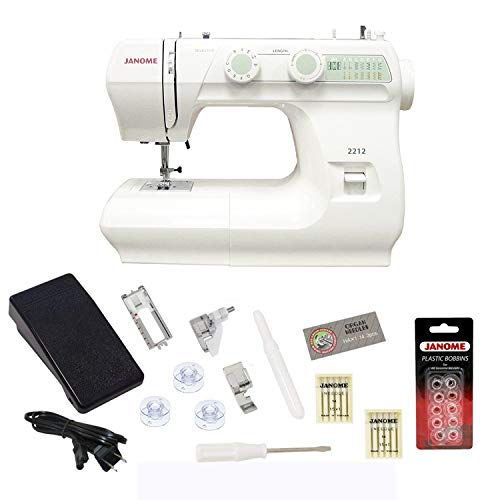
Janome 2212 Sewing Machine Bonus Bundle

Brother FB1757X Mechanical Sewing Machine

LOMOTIVE Portable Sewing Machine for Beginners (Blue)
Stoigeld SM-725 Portable Sewing Machine Kit

American Home Believe AH600 Beginner Sewing Machine
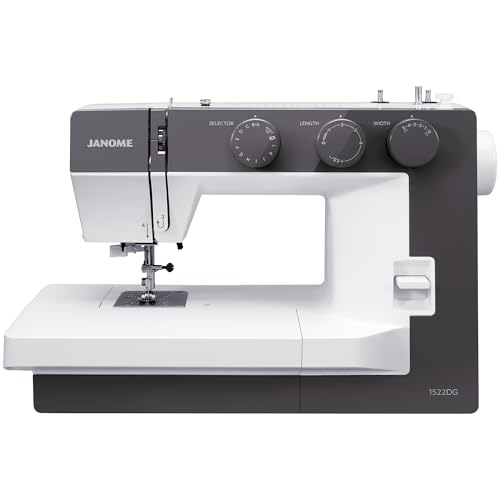
Janome 1522DG Mechanical Sewing Machine (Dark Gray)
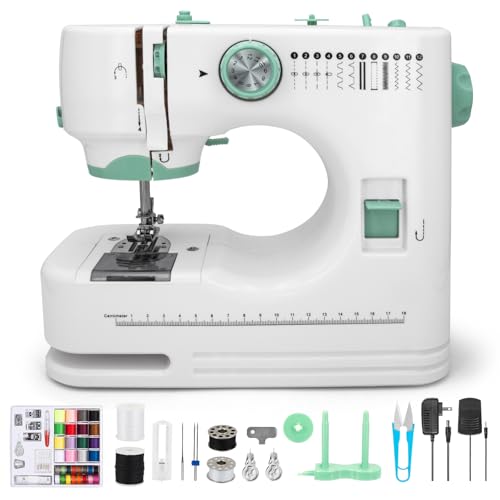
Xamanabu Sewing Machine with 12 Stitches & 6 Feet

StitchMaster Pro Sewing Machine
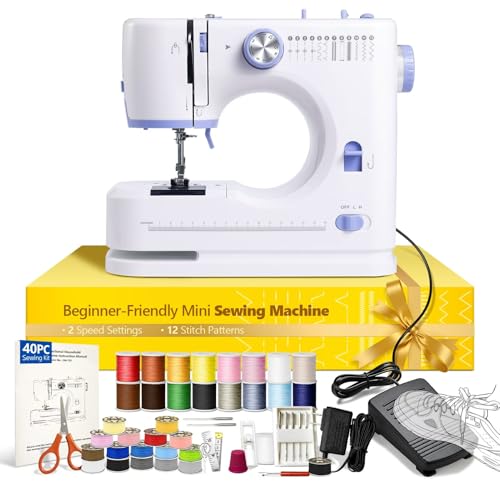
Verdanika Portable Tabletop Mini Sewing Machine
A Breakdown Of The Leading Choices
Most starter machines top out around a dozen stitches, which gets restrictive fast once hems turn into garments. The XM3700 skips that ceiling entirely with 37 built-in options, spanning utility seams, decorative rows, and quilting-friendly patterns. You also get five presser feet, including dedicated zipper and buttonhole feet, plus onboard storage to keep them corralled.
In practice, that headroom matters. A student moving from pillowcases to garment construction can grow into this machine rather than out of it within a season.
Useful Strengths
- 37 built-in stitches give room to experiment without upgrading hardware
- Five included accessory feet cover zippers, buttons, blind hems, and buttonholes
- Built-in storage compartment keeps feet and bobbins from wandering off the table
- Suits decorative stitching and heirloom-style work as skills advance
Things To Consider
- More stitch choices mean a longer learning curve than dial-only machines
- Like most mechanicals, owners commonly report it needs regular lint cleaning under the needle plate to stay smooth
Who It Suits Best
Committed beginners and returning sewists who want one machine to carry them past the basics into garments and quilting.
Where A Sibling Pick Shines
Total newcomers who feel overwhelmed by 37 options may find the simpler Janome 2212’s twelve-stitch layout far less intimidating.
Janome has built its reputation on dependable mechanical machines, and the 2212 distills that into an entry-level package. Twelve built-in stitches, dial-based pattern selection, and adjustable zigzag width and stitch length keep the controls honest and readable. The bundle adds extras on top of the base machine, which softens the usual cost of stocking up on accessories separately.
The four-step buttonhole takes patience compared with one-step designs, though it teaches you exactly what a buttonhole involves. For a first machine that won’t fight you, this one earns its spot.
The Helpful Details
- Simple dial selection means no menu-diving mid-project
- Adjustable stitch length and zigzag width handle varied fabric weights
- Bonus bundle reduces the extra shopping trip for feet and notions
- Drop-feed capability supports basic free-motion style quilting once you’re ready
Small Caveats
- Four-step buttonholes require manual engagement at each stage
- Twelve stitches will feel limiting for decorative-heavy work later on
At A Glance
Made For
First-time owners who value a proven brand name and want accessories bundled in from day one.
Consider Something Else When
Sewists planning heavy decorative stitching should look instead at the Brother XM3700 and its much larger stitch library.
Good lighting sounds like a small thing until you’ve squinted at a dark seam at 10 p.m. The FB1757X puts an LED over the work area, which makes threading, seam alignment, and unpicking mistakes noticeably easier. Seventeen built-in stitches sit comfortably between bare-bones and overwhelming, covering garments, accessories, and household decor projects.
It shares Brother’s beginner-first philosophy with the pricier XM3700 higher up this list, just with fewer decorative options and a lighter feature load. That restraint keeps the price friendlier for casual users.
Real Benefits
- LED lighting improves visibility during evening sessions
- 17 stitches balance everyday utility with some creative range
- Narrow sleeve arm simplifies cuffs, hems, and children’s clothing
- Reverse button lets you lock seams without repositioning fabric
Points To Note
- Four-step buttonhole demands more hands-on attention than automated versions
- Mechanical dials need occasional oiling and dusting to run quietly, a routine most long-term owners adopt
Right Fit For
Hobbyists tackling mixed projects, from mending to home decor, who appreciate working in decent light.
Swap It Out When
Anyone wanting maximum stitch variety for the money may prefer stepping up to the Brother XM3700 instead.
Studio apartments and shared desks rarely have room for a full-size machine. This blue mini from LOMOTIVE addresses that directly with a compact body, intuitive controls, and a printed threading guide that walks newcomers through setup step by step. Twelve built-in stitch patterns handle straight seaming, zigzag edges, and everyday repair jobs.
Its whole identity is convenience: grab it, mend a torn seam, tuck it back on a shelf. Compared with the Stoigeld kit further down, it trades bundled extras for a smaller storage profile.
Where It Delivers
- Clear threading guide removes the biggest beginner frustration
- Mini size stores easily in closets, dorms, or under-bed bins
- Lightweight enough to carry between rooms or to a friend’s place
- Handles quick repairs like popped seams and fallen hems well
Worth Noting
- Mini frames generally struggle with dense fabrics such as denim layers
- Fewer accessory feet ship in the box than larger competitors provide
Who Will Love This
Students and apartment dwellers who need occasional mending power without dedicating a table to a big machine.
Reach For A Different Pick When
Sewists wanting pedal-based speed control will get more flexibility from the Xamanabu model reviewed below.
New sewists often stall because they own a machine but no fabric, thread, or supplies to practice on. The SM-725 closes that gap by bundling 20 pieces of fabric and 32 spools of thread alongside the machine itself. At roughly 10.3 by 9.5 inches and 4.2 pounds, it moves between rooms without effort.
Two speed settings help too: low speed builds confidence on your first seams, while high speed speeds through straightforward runs. The honest read is that this is a light-fabric specialist, not a heavyweight.
Where It Excels
- Complete starter kit means practicing within minutes of unboxing
- High-low speed switch suits both cautious learners and faster tasks
- 4.2-pound weight makes it genuinely portable, not just shelf-storable
- Works well on cotton, linen, and other light woven materials
A Few Limitations
- Manufacturer guidance points to thin fabrics only; thick denim or canvas is off-limits
- Compact household build isn’t intended for commercial or industrial volume
- Owners of small machines commonly report more frequent bobbin refills on longer projects
Feature Snapshot
Best Suited To
Gift-giving occasions and absolute beginners who want everything needed for a first afternoon of sewing in one purchase.
Another Choice May Suit
Shoppers expecting to sew jeans or upholstery should consider the metal-framed Janome 1522DG instead.
Sewing classes, craft circles, and grandkids’ visits all share one requirement: a machine that travels without complaint. The Believe AH600 answers with a carry handle and a modest 12.8-pound body, light enough to move weekly without dread. Twelve preset stitches and a four-step buttonhole cover mending, hemming, and DIY projects from the first session.
The fun decals give it personality younger users tend to respond to, which sounds trivial until a hesitant kid actually wants to sit down and try. Automatic stitch control keeps operation predictable for nervous hands.
Features That Help
- Built-in carry handle simplifies trips to class or a friend’s house
- 12.8-pound weight strikes a balance between stability and portability
- Automatic stitch control reduces fiddling for inexperienced users
- Playful decals make it approachable for teens and kids
Things To Weigh Up
- Heavier than true mini machines, so backpack-style transport isn’t realistic
- Decals are fixed, which some adults may find youthful for a main studio machine
Whose Shelf It Belongs On
Parents, teachers, and club organizers shuttling a friendly starter machine between locations.
Not Your Match When
Users prioritizing serious build quality over charm may favor the metal-framed Janome 1522DG for a permanent sewing corner.
Some machines look like kitchen appliances; this one looks like it belongs in a design magazine. The 1522DG’s dark gray finish is aimed at sewists who care about their creative space, and the substance backs it up: a sturdy metal frame, 22 built-in stitches, and a one-step buttonhole that automates what most budget machines still do manually.
A built-in needle threader removes another classic friction point for new eyes and tired ones alike. Among Janome’s own lineup here, it sits clearly above the simpler 2212 in both capability and refinement.
Practical Pluses
- Metal internal frame adds stability and reduces vibration at speed
- One-step buttonhole finishes in a single pass, saving real time on shirts
- Built-in needle threader spares eyesight and patience
- 22 stitches offer meaningful range for garments and decor
- Understated dark gray styling suits open shelving and visible workspaces
Less Ideal Details
- Metal construction adds weight versus plastic-bodied portable rivals
- Higher-tier pricing places it above true budget territory
Core Details
The Right Fit
Sewists setting up a dedicated crafting corner who want durability and looks in equal measure.
Look Elsewhere When
Portability outranks permanence in your plans; the lighter American Home Believe AH600 travels far more easily.
Foot pedals intimidate some learners; buttons bore others. The Xamanabu sidesteps the argument by offering both. Push-button operation provides low and high speed settings, while the included pedal allows gradual, pressure-based adjustment, so you can start button-driven and graduate to pedal control as confidence grows.
Six presser feet arrive in the box, a generous count at this tier, and twelve stitches cover delicate fabrics through thicker materials. Compared with the LOMOTIVE mini earlier in this list, it offers more accessory depth in exchange for a slightly larger presence.
The Good Stuff
- Dual control modes let you choose buttons or foot pedal per task
- Gradual pedal response supports precise speed on curves
- Six included feet expand project possibilities immediately
- Speed settings adapt from fragile fabrics to denser seams
Details To Watch
- Learning both control modes adds a small initial study curve
- Generic-brand support networks are thinner than established makers like Janome or Brother
Who Should Grab It
Hesitant first-timers who want to learn at their own pace and switch control styles as skills develop.
Points Elsewhere
Established-brand loyalists may sleep better with the Janome 2212’s long-standing reputation behind their purchase.
Twin-needle compatibility is rare at beginner prices, and it’s the reason this Lastempa model earns its slot. Running two needles side by side produces parallel rows and stretch-friendly hems, a technique usually reserved for mid-range machines. Fourteen stitches, including straight, zigzag, and blindstitch, round out a capable pattern set.
Dual-speed control handles the range too: low speed for delicate work, high speed when denim or layered cotton demands momentum. Weighing only 4.4 pounds with a built-in handle, it moves around the house as easily as it moves between fabric types.
Useful Touches
- Accepts twin/double needles for professional-looking parallel stitching
- 14 stitches span straight, zigzag, and blindstitch applications
- Low/high speed switch adapts to delicate and thick materials alike
- 4.4-pound body with built-in handle travels effortlessly
Trade Offs
- Blindstitch results take practice to look truly invisible
- Lightweight frames can shift slightly on very fast runs unless anchored
Built With In Mind
Ambitious home users ready to explore techniques beyond straight seams without leaving beginner-friendly territory.
Where Another Pick Suits Better
Strictly budget-focused shoppers content with basics may find the Stoigeld SM-725 kit delivers more value per dollar.
Mini machines often wobble their way through seams, which is where this Verdanika differs: an internal metal frame gives the compact body unexpected steadiness. Twelve stitch patterns cover seams, hems, edge finishing, and buttonholes, and a two-speed switch keeps beginners composed on the slow setting while faster runs stay clean.
It positions itself as the household fix-it tool: alterations, DIY crafts, and emergency repairs handled on the kitchen table, then stored away. As a giftable option for curious adults or supervised kids, it lands well too.
Benefits That Matter
- Metal inner frame stabilizes a body this small, reducing skipped-stitch frustration
- 12 stitch options include buttonhole capability, unusual for minis
- Two-speed control protects beginners from runaway fabric
- Small footprint stores in drawers or cabinets between uses
Softer Spots
- Compact scale limits large projects like curtains or quilts
- Thread tension on minis typically needs periodic adjustment, something owners of this class of machine report regularly
Product At A Glance
Who It Suits Best
Households wanting a tidy, stowable mending station that occasionally doubles as a craft-night activity.
Swap It Out When
Garment sewists needing fuller-size throat space will be happier with the Brother XM3700 at the top of this list.
What Actually Matters In A Starter Machine
Stitch Count Isn’t Everything
Twelve solid stitches will carry a beginner through two years of hemming, mending, and simple garments. What matters more is whether those stitches include a reliable straight seam, a usable zigzag for knit fabrics, and a buttonhole you can actually complete. Decorative patterns are pleasant bonuses, not reasons to buy.
Match the count to ambition instead. Casual menders thrive on simplicity, while aspiring garment makers benefit from the 22 to 37 stitch range seen on the Janome 1522DG and Brother XM3700.
Weight Tells You Where It Lives
A 4-pound portable lives in a drawer and comes out for repairs; a 13-plus pound framed machine claims a table permanently. Neither is wrong. Decide honestly how often you’ll sew and whether that table space exists, then buy for that reality rather than a future studio fantasy.
Fabric Ambition Sets Your Floor
Thin cottons forgive almost any machine. Denim, canvas, and multiple layers demand a metal frame and a stronger motor, which is why the Janome picks here justify their heft. Buying a light-duty machine for heavy fabrics leads to skipped stitches and frustration, the two fastest ways to quit the hobby.
Key Considerations Across These Picks
Traps First Timers Fall Into
The most common mistake is buying for the hobby you imagine rather than the one you’ll practice. A quilter’s dream machine gathering dust in a closet helps nobody. Second trap: ignoring fabric limits. Mini machines advertised for light fabrics will disappoint on denim, so read those boundaries before checkout.
When Paying More Pays Off
Spending up buys three things: metal construction, automation like one-step buttonholes, and brand support networks. The jump from a budget mini to something like the Janome 1522DG shows up immediately in stability and finish quality. Casual menders won’t feel that gap; weekly sewists will wonder why they waited.
Frequently Asked Questions
How many stitches does a beginner actually need?
Eight to twelve covers nearly all starter projects, including straight seams, zigzag finishing, and basic buttonholes. Extra stitches matter mainly for decorative or garment-focused ambitions.
Can these machines handle denim?
Full-size models with metal frames, such as the Janome 1522DG, manage denim layers reasonably well. Compact portables like the Stoigeld SM-725 are explicitly limited to thin fabrics.
Is a foot pedal necessary?
Not anymore on several models here. Button-controlled machines like the Xamanabu let beginners sew without coordinating foot and hand, though pedals eventually offer finer speed nuance.
How often do basic machines need maintenance?
A quick lint removal under the needle plate after every few projects keeps stitching clean. Deeper servicing roughly once a year preserves tension accuracy and quiet running.
Are portable mini machines worth it?
For mending, crafts, and small spaces, absolutely. They trade capacity and fabric range for convenience, which suits occasional users far better than aspiring garment makers.
Bottom Line
Your best match depends less on specs than on honesty about your habits. Menders and apartment dwellers should lean toward the compact picks; committed learners deserve the stitch headroom of the Brother XM3700. Whichever direction fits, starting with a machine that respects your space and skill level is what turns curiosity into a lasting hobby.
