
Good basketry starts with good material. The right reed coils smoothly around your spokes without cracking, the right cord holds its shape through a long afternoon of coiling, and the wrong supply leaves you fighting splits halfway through a chair seat. This roundup gathers ten supplies that cover the full craft: flat reed, round reed in several gauges, fibre rush, seagrass, coiling cord, sinew thread, and even beginner loom boards for classroom projects.
Whether you’re restoring a wicker chair, teaching a kids’ workshop, or weaving your first market basket, there’s a match here for your skill level and your project list.
The Choices Worth Comparing

Commonwealth Basket Flat Reed 1/2-Inch 1-Pound Coil
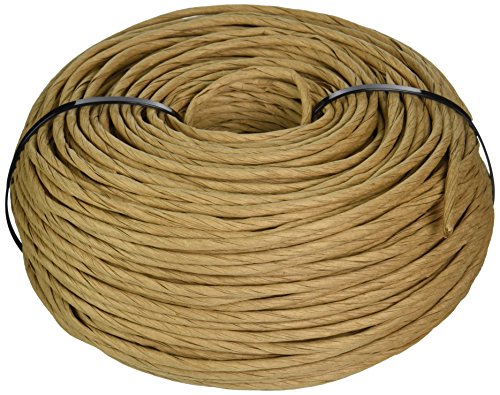
Commonwealth Basket Fibre Rush 5/32-Inch 2-Pound Coil

Basket Round Reed #4 2.5mm 1-Pound Coil

VFULIE 2.75mm Round Rattan Reed 1-Pound

VFULIE 3mm Round Rattan Reed 1-Pound

Craft County Coiling Cord 1/4 Inch 50 Feet

#1 Twisted Seagrass 3mm-3.5mm 14oz Coil

Weavemaster Round Reed #2 1-Pound Coil

Minatee Wooden Weaving Loom Boards 6 x 9 in

Mandala Crafts Artificial Sinew Thread
The Picks, Examined More Closely
Flat reed is the workhorse of traditional basketry: a flattened strip of natural cane that you weave over and under the upright stakes. Half-inch width is a sweet spot, wide enough to build up a basket wall quickly yet narrow enough for tidy turns on smaller pieces.
This coil gives you roughly 185 feet to work with, which covers a generous market basket or several chair-seat repairs before you run dry. For anyone keeping a steady weekend practice going, one pound goes further than it sounds.
Everyday Wins
- About 185 feet per pound means fewer reorders mid-project
- The half-inch width builds basket walls fast on larger pieces
- Suits both weavers and chair-seat caning work
- Natural finish takes stain or sealant well once dried
Things To Consider
- Reed needs soaking before bending; skip that step and expect cracks at sharp corners
- Store coils away from humidity swings or they may warp between projects
Key Specs
Made For
Hobbyists who weave regularly and want a dependable, traditional flat weaver for baskets and seat repair.
Where A Sibling Pick Shines
Total beginners often get along better with the Commonwealth Basket Fibre Rush below, since paper fiber is more forgiving of uneven tension than natural cane.
Fibre rush is a twisted paper product, and that’s its whole appeal: unlike the flat reed above, it doesn’t demand a soak tub and it tolerates clumsy handling while you learn the figure-eight pattern used on chair seats. The 5/32-inch gauge is thin enough to wrap tightly around dowel rungs.
You get about 210 feet here, spread across a two-pound coil. Chair-seat weavers commonly note that rush seats eat material quickly, so having extra on hand spares you an awkward color-matched reorder later.
A Few Highlights
- No soaking required, so you can start weaving immediately
- Paper construction bends around rungs without splintering
- Two pounds covers most standard dining chair seats
- Twisted texture mimics traditional rush seating convincingly
Small Caveats
- Paper fiber scuffs faster than real cane on heavily used seats
- Tension control takes practice; pull too hard and the twist flattens
Right Fit For
First-time seat weavers and anyone repairing a kitchen chair who wants low-stakes material while learning.
Another Choice May Suit
For outdoor furniture or high-wear surfaces, the VFULIE 3mm rattan reed later in this list holds up better over years of daily sitting.
Round reed serves two jobs at once: it forms the rigid spokes (the skeleton your weaving wraps around) and doubles as a weaver when you want rounded texture. At 2.5mm, this #4 gauge sits right in the middle of the range most basket patterns call for.
The cane arrives evenly milled and smooth along its length, which matters more than it sounds. Rough spots drag against your fingers during long weaving sessions and catch on adjacent strands. Smooth milling also lowers the odds of a strand snapping mid-bend, a frustration every weaver knows well.
Everyday Perks
- Consistent 2.5mm diameter keeps woven rows even
- Smooth surface reduces finger fatigue on long sessions
- Flexible enough for gentle curves without pre-soaking as long
- Works for Easter baskets, planters, and small furniture frames alike
Points To Note
- One diameter only; varied patterns still require buying other gauges separately
- Natural cane varies slightly coil to coil in color
Feature Snapshot
Who Should Grab It
Intermediate hobbyists building classic round-spoke baskets who want one reliable mid-size gauge in quantity.
Skip It When
Wicker furniture repair calls for thicker stock; the Weavemaster coil later in this lineup offers diameters up to 7.5mm.
Where the previous pick uses bamboo cane, this VFULIE coil is milled from rattan, and rattan’s reputation for bendability is earned. Tight radii, wrapped handles, and rim lashing all ask a strand to curve sharply, and this material shrugs off angles that would crack stiffer stock.
At 2.75mm it runs a touch thicker than the #4 bamboo above, giving slightly beefier rows while staying easy on the hands. Weavers working small-diameter pieces, think berry baskets or ornament-scale work, tend to appreciate that combination most.
Notable Upsides
- High flexibility lowers breakage risk on tight bends
- Evenly milled surface glides smoothly through your fingers
- Slightly thicker gauge adds visual weight to woven rows
- Suits decorative pieces where crisp curves matter
Less Ideal Details
- Extra pliability means less rigidity for load-bearing spokes on large baskets
- Single-gauge coil limits pattern variety without additional purchases
Who It Suits Best
Weavers focused on curved, decorative, or small-format pieces where graceful bends outweigh raw stiffness.
Consider Something Else When
Structural frames and sturdy handles are better served by the 3mm VFULIE version reviewed next, which trades some flex for strength.
Step up a quarter millimeter and the character of your weaving changes noticeably. This 3mm rattan carries more presence in each row, and it stands up to tension better than its 2.75mm sibling, which is why many weavers keep both coils in the kit rather than choosing one.
Like the smaller VFULIE coil, it’s smoothly milled rattan with good bend tolerance. Handles, rims, and stake material benefit from the added substance; you may find pure decorative wrapping slightly chunkier than you’d like on delicate work, though.
Bright Spots
- Thicker gauge suits handles, rims, and structural stakes
- Retains rattan’s forgiving bend quality despite added thickness
- Smooth finish keeps rows uniform and comfortable to weave
- Pairs naturally with the 2.75mm coil for two-tone texture
Trade Offs
- Too heavy visually for fine, small-scale ornamental baskets
- Sharp bends still benefit from a brief soak, so plan your prep time
Built With In Mind
Basket makers ready to move beyond basic weavers into handles, rims, and furniture-adjacent projects.
Reach For A Different Pick When
Fine detail work on miniature baskets calls for the thinner 2.5mm bamboo reed covered earlier in this roundup.
Coiling is a different discipline from stake-and-strand weaving. Instead of weaving over rigid spokes, you spiral a soft core outward and wrap it with yarn, jute, or hemp as you go. This cord is that core: a quarter-inch diameter, fifty feet long, ready to accept whatever wrap material matches your palette.
Because the cord itself stays hidden under the wrapping, its job is simply to hold shape and take stitching cleanly. Fiber sculptors like it for freeform vessels that would be impossible with stiff cane, and wedding decorators use it for custom centerpieces.
Reasons It Performs
- Accepts yarn, jute, hemp, or fabric strips as wrapping
- Quarter-inch core holds sculptural shapes reliably
- Fifty feet builds several medium bowls or one large vessel
- Works equally well for baskets and abstract fiber art
What To Weigh
- Wrapping material must be purchased separately, adding to total cost
- Coiling pace is slower than stake-and-strand weaving for large pieces
Quick Facts
Whose Shelf It Belongs On
Creative types who want color-driven, freeform vessels rather than traditional brown-cane baskets.
Swap It Out When
Traditional wicker aesthetics are the goal; the seagrass rope coming up delivers that rustic look straight from the coil.
Seagrass brings a coastal, cottage feel no other material on this list matches. This twisted rope arrives green and gradually ages to a warm tan, which many weavers consider a feature rather than a flaw since finished pieces develop character over time.
The 3mm to 3.5mm range makes it a near stand-in for rush on chair seats and basket trims. One planning note worth flagging: a large chair seat typically consumes around three pounds of seagrass, so a single 14-ounce coil covers smaller accents or trim work rather than a full seat rebuild.
Why It Works Well
- Ages from green to attractive tan without any treatment
- Gauge closely matches common rush dimensions
- Twisted construction grips tightly when wrapped or woven
- Lends rustic texture to baskets, mirrors, and trim details
Areas To Watch
- Large chair seats need roughly three pounds, so buy multiple coils
- Natural fiber can carry a grassy scent that fades slowly indoors
Best Suited To
Decorators and weavers after coastal or farmhouse styling on accent pieces, trims, and small seats.
Not Your Match When
Full seat restorations with predictable color are handled more consistently by the Commonwealth Fibre Rush from earlier in the list.
Most reed sellers lock you into one diameter per listing. Weavemaster instead offers nine numbered sizes, from hair-thin #2 at 1.75mm up to #10 at 7.5mm, all in one-pound natural-color coils. That breadth makes this the go-to for wicker repair, where matching an existing piece demands precision.
The featured #2 size yields very fine work, and thinner gauges mean longer yardage per pound. Strand lengths within a coil vary, commonly running three to ten feet, which is normal for reed and rarely a problem once you’re weaving short segments anyway.
Key Advantages
- Nine diameter options cover nearly any repair scenario
- Fine 1.75mm gauge suits detailed wrapping and tight lashing
- Natural color blends invisibly into existing wicker pieces
- One-pound coils make size-to-size comparison straightforward
Honest Caveats
- Strand lengths vary inside the coil, so plan joins accordingly
- Choosing the correct size sight-unseen takes some measuring patience
Details At A Glance
The Right Fit
Restorers and repair-minded weavers who need to match an unknown diameter on older wicker furniture.
A Better Fit Elsewhere
New weavers following a single published pattern will find the fixed 2.5mm bamboo reed from pick three simpler to shop for.
Not every weaving project involves cane. These simple wooden boards introduce tapestry-style weaving, and the gear-notched edges hold warp threads evenly spaced, which is exactly what keeps a first project from turning into a tangled mess.
Fifty boards come in the pack, each about six by nine inches and a quarter-inch thick. That quantity is clearly aimed at classrooms, birthday parties, and homeschool groups rather than solo crafters; one board per student solves the sharing problem entirely, and the light wood takes markers or paint for personalizing.
Good Reasons To Consider
- Fifty boards equip a whole classroom or party at once
- Notched gear edges keep warp threads neatly spaced
- Lightweight size fits small hands and desk workspaces
- Suits beginners and experienced weavers equally
Practical Considerations
- Thin quarter-inch boards can snap under rough kid handling
- Yarn and warp thread are not included in the pack
Who Will Love This
Teachers, scout leaders, and parents running group craft sessions with mixed-age participants.
Look Elsewhere When
Three-dimensional basket work is your aim; the Craft County coiling cord earlier in this guide fits sculptural goals far better.
Every weaver eventually needs something to stitch, lash, or bind, and waxed artificial sinew fills that role. This 2mm polyester cord comes wax-coated, which helps knots stay put and keeps the thread from fraying while you pull it tight around pine needle bundles or reed joints.
The clever part is that it splits. Pull the flat cord apart and it divides into thinner strands, letting you match thread weight to project scale. Beyond basketry, leatherworkers and bookbinders reach for the same spool, so leftovers never sit idle in the drawer.
A Favorable Mix
- Splits into finer strands to match different project scales
- Wax coating helps knots hold under tension
- Abrasion resistance suits wrapping, whipping, and lashing
- Doubles for leatherwork, beading, and gear repair
Worth Bearing In Mind
- Wax residue can transfer lightly onto pale materials during firm pulls
- Flat profile looks different from round cord in visible stitching
Core Details
Perfect Match For
Pine needle basket weavers, gourd artists, and anyone who needs dependable binding thread across several crafts.
Where Another Pick Suits Better
Purely decorative wrapping with visible color belongs with the Craft County coiling cord, which welcomes yarn overlays instead.
What Matters Most Before Choosing Basket Weaving Supplies
Match The Material To The Project
Start with the finished object in mind. Chair seats call for rush or seagrass, structured baskets want round reed in matched gauges, and freeform vessels belong to coiling cord. Buying material before settling on a pattern is the fastest route to a drawer full of the wrong gauge.
Understand Gauges And Soaking
Reed sizing runs on numbers and millimeters, and the difference between 2.5mm and 3mm changes both look and stiffness. Natural cane also needs a soak before sharp bends; paper fiber and waxed cord do not. Budget prep time accordingly, especially for rim work.
Buy Enough To Finish
Dye lots and harvest batches vary, so a second coil bought months later may sit a shade apart from the first. Seat weavers especially should estimate generously; running short at row forty is a genuinely deflating moment.
Think About Storage And Longevity
Reed likes stable, moderate humidity, and coils stored in damp garages tend to warp or mildew. A closet shelf in climate-controlled space costs nothing and preserves your investment for years.
Key Considerations Across These Picks
Mistakes Worth Dodging
The most common slip is ordering a single gauge for a multi-part pattern. Most baskets combine a stout stake reed with a thinner weaver, so plan for two coils. Another frequent misstep: skipping the soak test on a scrap piece before committing your best material to a tight bend.
Where The Extra Money Goes
Pricier rattan and premium-milled reed justify their cost through consistency. Evenly milled strands mean fewer breaks, smoother rows, and less wasted yardage. Occasional crafters can stay budget-tier; daily weavers usually recoup the difference in saved material and time.
Frequently Asked Questions
Do I need to soak all weaving materials?
Natural reed and rattan need soaking to bend without cracking. Paper fibre rush, coiling cord, and waxed sinew work dry straight from the package.
How much reed does a chair seat require?
A standard dining chair seat typically consumes one to two pounds of rush depending on pattern density. Large seagrass seats can take closer to three pounds.
What’s the difference between flat and round reed?
Flat reed is pressed into wide strips for fast wall-building, while round reed keeps a cylindrical profile suited to spokes, stakes, and trim. Many baskets use both together.
Can beginners start with rattan reed?
Yes, though its flexibility cuts both ways: it bends easily but offers less structure for learning tension. Paper fibre rush is generally the gentlest starting material.
How should leftover reed be stored?
Keep coils in a cool, dry closet away from direct sunlight and humidity swings. Lay them flat rather than hanging to prevent warping over time.
Closing Thoughts
Build your kit around one honest question: what are you actually making this season? A single mid-gauge reed coil plus a spool of sinew covers most first baskets, while repair work rewards the multi-size Weavemaster approach. Whichever direction you lean, start with material that matches the pattern in front of you, and let the collection grow from there. Happy weaving.
