
Anyone who has sandwiched a king-size quilt knows the pin shuffle: kneel, stab, close, repeat, then bleed through the backing anyway. A good basting spray holds your layers flat while you quilt, and several of these options also earn their keep on appliqué, embroidery stabilizers, and pressing day. Here’s how ten well-regarded choices stack up.
The Lineup, Simplified

Scotch Super 77 Multipurpose Adhesive Spray 10.7 oz (4 Pack)

Aleene’s Repositionable Tacky Glue Spray 10 oz

Roxanne Glue-Baste-It Temporary Basting Glue 1.5oz
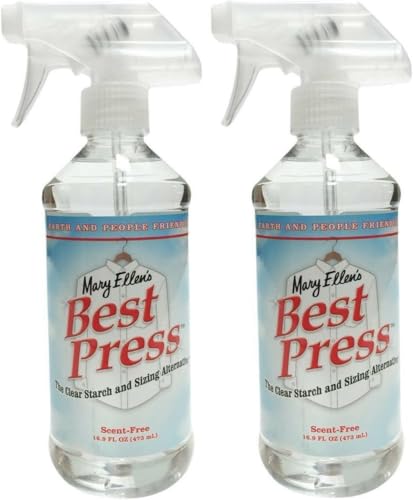
Mary Ellen’s Best Press Clear Starch Alternative 2 Pack

Odif 505 Spray&Fix Temporary Fabric Adhesive 12.4oz

MAGIC Premium Quilting & Crafting Spray Bottle 16oz (2 Pack)

Odif Basting Spray 6.22 oz, Clear (Two Pack)

SpraynBond Fabric Stiffener 6.8 OZ

AK TRADING CO. Multipurpose Spray Adhesive 12oz Can

Odif 505 Spray and Fix Temporary Fabric Adhesive 5.6-Ounce
What Each Pick Brings To The Table
This is the generalist of the group, and the four-can pack is what makes it interesting for sewists. Each can carries 10.75 ounces, so one lives by the cutting table, one in the craft bin, and the spares cover the next year of school projects.
In practice you’ll see it doing double duty: tacking batting to a design wall, mounting felt, even holding cardboard templates together. It bonds fabric alongside wood, metal, and plastic, which is why mixed-media makers keep reaching for it long after the quilts are done.
Why It Works Well
- Four cans per pack means fewer reorders during a busy project season
- Grips an unusually wide range of surfaces, from felt to foam core
- Aerosol format covers large areas faster than dabbing liquid glue
- Holds its place in the adhesive-spray rankings, a sign of steady demand among crafters
Things To Consider
- It’s a permanent-bond formula at heart, so test on scrap fabric before trusting it near finished quilt layers
- Ventilation matters; owners commonly report a noticeable odor in closed rooms
Who Should Grab It
Multi-craft households that want one can to handle quilting prep, poster board, and upholstery touch-ups alike.
Where A Sibling Pick Shines
If your work stays strictly on fabric, the Odif 505 Spray&Fix 12.4oz below is formulated specifically for temporary textile bonding.
Aleene’s has been a household glue name for generations, and this spray version keeps the forgiving spirit of the original bottle. The bond lifts and resticks repeatedly, so nudging a crooked appliqué piece into place costs you nothing.
Where it earns trust with beginners is cleanliness. The maker specifies it won’t bleed through, stain, or wrinkle most materials, which removes the fear factor when you’re spraying near finished patchwork for the first time. Compared to Scotch Super 77 above, this one trades raw grip strength for gentleness.
Useful Touches
- Repositionable hold lets you adjust placement over and over without reapplying
- No-residue formula means less cleanup on needles and press cloths
- Won’t soak through or stain most fabrics, per the manufacturer’s own guidance
Small Caveats
- Temporary tack means heavy batting sandwiches may still want pins for security
- Store the can upright between sessions; like most aerosols, the nozzle can clog if neglected
The Right Fit
First-time quilters and family crafters who value easy correction over industrial-strength adhesion.
Swap It Out When
For dense free-motion quilting where layers must not shift at all, the fan-favorite Odif 505 12.4oz offers a stronger temporary grip.
Not every basting job wants a cloud of mist. This one is a squeeze bottle, not an aerosol, and its two-way applicator is the whole point: a fine tip for tiny dots under appliqué shapes, a wide tip turned sideways for narrow lines along sashing strips.
The glue itself is water soluble and pH neutral, drying clear within minutes. That matters at washout time; the bond releases with moisture or laundering rather than fighting you. Quilters working quilt-as-you-go blocks tend to keep one of these clipped to the sewing table permanently.
Real-World Strengths
- Dual tips give you dot-level precision no aerosol can match
- Water-soluble formula rinses out completely, leaving no stiff patches behind
- Dries clear in minutes, so stitching can start almost immediately
- Wide tip laid sideways lays down a straight line for bindings and sashings
Points To Note
- At 1.5 ounces, coverage is measured in dots and lines, not full quilt sandwiches
- Rinse the applicator tips after use or they’ll gum shut between sessions
Key Specs
Who Will Love This
Hand appliqué enthusiasts and binding perfectionists who want surgical placement control.
Reach For A Different Pick When
Spraying an entire queen-size sandwich calls for the coverage of Odif’s 12.4oz Spray&Fix instead.
Strictly speaking this isn’t a basting spray at all, but no serious piecing setup skips it. Best Press relaxes stubborn wrinkles and adds body to fabric so your cuts land true, all without the stiffness, flaking, or white residue traditional starch leaves behind.
The scentless two-pack of 16.9-ounce bottles suits sensitive noses and high-volume prewashing sessions alike. Where Aleene’s handles stick-down duties, this handles everything before that: crisp seams, flat bias edges, blocks that stack neatly instead of bowing.
Well-Handled Touches
- Adds body without crunch, so pressed pieces stay pleasant to hand-stitch
- No flaking on irons or white specks on dark fabrics, a common starch complaint
- Scent-free formulation works in shared sewing spaces and for sensitive users
- Two bottles keep the pressing station stocked through a full quilt top
Honest Caveats
- It won’t hold layers together; pair it with an actual basting spray for sandwiching
- Oversaturating cotton can leave faint water marks until it fully dries
Made For
Piecers chasing accurate quarter-inch seams and wrinkle-free yardage before every cut.
Not Your Match When
You need adhesive hold between layers, in which case jump ahead to the Odif basting sprays.
Ask around any guild meeting and this French-made can comes up again and again. At 12.4 ounces it’s the big-format option here, sized for smoothing a full throw or queen sandwich across a table in one pass.
The model 43511 can measures roughly 2.63 by 2.63 by 9.38 inches and weighs just under a pound, easy to maneuver overhead while the layers settle. Unlike the multipurpose Scotch Super 77, everything about this formula is built for textiles: temporary, repositionable, and gentle on both fabric and needles.
The Upside
- Large can covers big quilts without running dry mid-sandwich
- Temporary repositionable bond forgives layer adjustments as you smooth
- French manufacturing with a long track record among serious quilters
- Lightweight can is comfortable to sweep across a horizontal surface
Trade Offs To Consider
- Aerosols like this need a ventilated room and a drop cloth underneath
- Shake well and clear the nozzle after each session, or clogging shows up over time
Key Product Details
Whose Shelf It Belongs On
Regular quilters finishing multiple large projects a year who want the community-standard option.
Another Choice May Suit
Occasional crafters will find the smaller 5.6-ounce Odif 505 further down more economical.
MAGIC positions this as a pressing companion rather than an adhesive, sitting in similar territory to Mary Ellen’s Best Press but sold as a two-pack of 16-ounce trigger bottles. Its job is sharpening creases, flattening seams, and improving the accuracy of your cutting and sewing lines.
The trigger mechanism delivers a fine mist designed not to clog, and the formula is fragrance-free and flake-free according to the maker. It also plays nicely alongside fabric adhesive sprays, so it slots into a basting workflow rather than replacing one.
Points In Its Favor
- Trigger sprayer gives controlled, clog-resistant misting at the ironing board
- Flattens seams and wrinkles to tighten up your piecing accuracy
- Fragrance-free and flake-free, friendly to shared and sensitive spaces
- Two bottles mean one at the iron and one refilling the sewing station
Less Ideal Details
- No adhesive function, so it can’t replace a true basting spray for sandwiching
- Trigger bottles take slightly longer to saturate large yardage than an aerosol blast
Right Fit For
Home piecers who press obsessively between steps and want a dependable, unscented misting partner.
Consider Something Else When
Your priority is holding three quilt layers together; the Odif 6.22 oz two-pack handles that job directly.
Same beloved 505 chemistry as the big can earlier in the list, packaged as two midsize 6.22-ounce cans. For appliqué artists and machine embroiderers who go through adhesive steadily, the twin pack spreads the cost and keeps a spare on the shelf.
The formula dries quickly, repositions multiple times without losing grip, and contains no harsh acids that could age your fabric. It’s odorless and colorless too, so working indoors with the window cracked is realistic rather than aspirational.
The Practical Payoff
- Two-can pack lowers the per-project cost for frequent users
- Repositionable hold survives multiple layer adjustments without weakening
- Acid-free composition protects heirloom and vintage fabrics over time
- Quick-drying action gets you stitching instead of waiting around
- Clear finish stays invisible under light-colored tops and backings
A Few Limitations
- Midsize cans run out faster on king-size sandwich jobs than the 12.4oz version
- Still an aerosol, so nozzle clearing after use remains part of the routine
Feature Snapshot
Best Suited To
Machine embroiderers and appliqué fans who burn through adhesive and appreciate having a backup can ready.
Look Elsewhere When
One-off quilt sandwiching is cheaper per ounce with the single large Odif 12.4oz can covered earlier.
HeatnBond’s entry solves a different problem entirely: fabric that misbehaves. Knits stretch, bias edges ripple, and delicate lace collapses under the needle. A few passes of this 6.8-ounce stiffener give those materials paper-like body so they behave during stitching.
Think of it as a tear-away stabilizer you spray on instead of tear away later. Treated pieces lay flat for fray-free appliqué, resist puckering on knit seams, and hold their shape for fabric painting, stamping, or cardmaking once dry.
What Pays Off
- Reduces stretch on knits and bias-cut pieces during machine stitching
- Replaces tear-away stabilizer on many projects, saving a removal step
- Works beyond quilting on bows, doilies, silk flowers, and crochet
- Helps raw-edge appliqué shapes stay flat and resist fraying
Softer Spots
- It adds stiffness rather than tack, so it won’t baste layers together
- Over-application can leave treated areas feeling papery until washed
Who It Suits Best
Raw-edge appliqué and mixed-media stitchers wrestling with slippery, stretchy, or gauzy materials.
Another Choice May Suit
Standard cotton sandwiching needs belong to the Odif 6.22 oz two-pack reviewed just above.
Where Scotch Super 77 leans craft-room, this American-made can leans workshop. The wide spray pattern reaches far across a surface, useful when you’re mounting foam, canvas, cork, leather, or fabric onto larger panels for upholstery and DIY builds.
Its flexible bonding is the headline: temporary positioning or a permanent hold depending on application technique, with tearing strength rated for foam work. The formulation skips chlorinated solvents and ozone-depleting chemicals, a quieter consideration that some shoppers weigh heavily these days.
What Stands Out
- Wide spray reach covers big surfaces quickly and evenly
- Switchable between temporary tack and permanent bonding strength
- Formulated without chlorinated solvents or ozone-depleting chemicals
- Grips an enormous material list, from foil and felt to glass and foam rubber
- Made in the USA, which matters to some workshops for supply consistency
Details To Watch
- General-purpose tack is stronger than quilting-specific sprays; always test on fabric scraps first
- Overspray travels far with the wide pattern, so mask surrounding areas generously
Core Details
Built With In Mind
DIY upholsterers and mixed-media builders whose projects span fabric, foam, and hard substrates.
Skip It When
Your only goal is wash-safe quilt basting; the purpose-built Odif 5.6-ounce 505 below is the safer textile choice.
This is the classic 505 in its travel-friendly size, and for many quilters it’s the first can they ever bought. Everything that made the 12.4-ounce version famous applies here: odorless, colorless, stainless, acid-free, and kind to sewing needles, all in a can that slips into a tote bag.
The smaller footprint suits wall-hanging sandwiches, appliqué prep, and guild retreats where luggage space is tight. You sacrifice coverage per dollar compared to the larger cans, but you gain a low-commitment way to try the formula everyone recommends.
What Makes Sense
- Compact can fits easily into a sewing tote or retreat kit
- Odorless and colorless formula keeps indoor work pleasant
- Acid-free and CFC-free composition respects both fabric and conscience
- Won’t gum up needles, a frequent complaint with lesser adhesive sprays
Room For Improvement
- Per-ounce cost runs higher than the larger Odif cans once you’re hooked
- Expect to reapply on anything bigger than a lap quilt
Perfect Match For
Beginners sampling the category, plus retreat-goers and travelers who quilt away from home.
A Better Fit Elsewhere
High-volume quilters should step up to the 12.4-ounce Odif 505 reviewed earlier for better coverage economics.
Choosing Between These Sprays Without Guesswork
Match The Format To The Job
Aerosols like the Odif 505 cans shine on full quilt sandwiches, where sweeping mist beats hundreds of pins. Squeeze bottles such as Roxanne Glue-Baste-It win on precision work, since a fine tip places glue exactly where stitches will hide it. Pressing sprays like Best Press and MAGIC serve a different stage altogether, so build your kit around your bottleneck.
Consider your workspace too. Ventilation varies from dedicated studios to kitchen tables, and scent sensitivity differs from person to person. Odorless, fragrance-free formulas remove one variable you’ll thank yourself for later.
Hold Strength Versus Forgiveness
Stronger tack keeps layers motionless during dense free-motion quilting, yet forgiveness matters just as much early on. Repositionable formulas let you lift and resmooth a wrinkled backing without starting over, which saves real frustration on your first few sandwiches.
Washability deserves equal attention. Water-soluble glues rinse out completely, while general-purpose adhesives may leave residue behind. Heirloom projects and baby quilts argue strongly for the textile-specific options here.
Think In Cost Per Project
Can size changes economics more than most shoppers expect. A 12.4-ounce can covers several large quilts, while 5.6-ounce and 6.22-ounce formats suit smaller work or trial runs. Twin packs split the difference nicely for steady users.
Key Considerations Across These Picks
Pitfalls Shoppers Hit
The most common mistake is grabbing a hardware-store adhesive for heirloom fabric. General-purpose sprays can stain, stiffen, or refuse to wash out, so check that the formula is explicitly textile-safe. Shoppers also underestimate ventilation needs; aerosols deserve open windows and a drop cloth every time.
Why Top Tier Costs More
Quilting-specific formulations cost more because they solve harder problems: invisible drying, needle-safe chemistry, repositionable hold, and complete washout. Paying up makes sense for anything touching fabric you’ve already invested dozens of hours in; budget cans remain reasonable for mockups and practice sandwiches.
Frequently Asked Questions
Do basting sprays replace quilt pins entirely?
For most medium quilts, yes, a quality spray holds layers securely through normal machine quilting. Very large or heavily manipulated projects sometimes benefit from a few pins at the edges as insurance.
Will basting spray gum up my sewing needle?
Textile-specific formulas like Odif 505 are engineered not to gum needles during normal stitching. Cheap general-purpose adhesives are the usual culprit when sticky buildup appears.
How long does a sprayed quilt stay basted?
Most temporary fabric adhesives hold reliably for weeks, though manufacturers recommend quilting sooner rather than later. Store sprayed projects flat or loosely rolled to preserve the bond.
Can I wash a quilt after using basting spray?
Quilting-specific sprays are designed to wash out completely, leaving no residue or stiffness. Always follow your fabric’s care instructions and use gentle detergent on the first wash.
Do I need both a basting spray and a pressing spray?
They handle different stages, so many quilters eventually own one of each. Pressing spray improves cutting and piecing accuracy before assembly, while basting spray joins the layers afterward.
Closing Remarks
Your ideal pick depends on where friction shows up in your process. Large-sandwich quilters will lean toward the Odif 505 cans, precision appliqué folks toward Roxanne’s dual-tip bottle, and piecing perfectionists toward Best Press or MAGIC. Start with the smallest can that fits your typical project, learn how the formula behaves with your fabrics, and scale up from there. Happy quilting.
