
Anyone who throws regularly knows the frustration of wire-cutting a pot straight off a crowded wheel head, only to watch the base distort. A good bat fixes that: you throw on a removable disc, lift the whole piece away intact, and free your wheel for the next form within seconds. This roundup covers ten options for home studios, classrooms, and production potters, from classic 12-inch plastic rounds to square-insert systems that save drying space. Some are single discs, some come in sets, and one takes an entirely different approach to stability. Whatever your wheel head and workflow look like, there’s a match here.
How The Shortlist Stacks Up

Speedball 12 Inch Round Universal Pottery Wheel Bat (Green)
Speedball 12 Inch Round Universal Pottery Wheel Bat (Brown)

Bleecker Station Bat System 7" Inner Bats, Set of Six

Speedball 14 Inch Round Universal Pottery Wheel Bat (Green)

BKALEME BatMate 12 Inch Warp-Resistant Pottery Bat (Blue)
Speedball 12 Inch Round Universal Pottery Wheel Bat (Pink)
Pottery Head Set of 3 Round 12 in Clay Throwing Bats w/Lines

Pottery Head Single Round 12 in Clay Throwing Bat w/Lines

U.S. Art Supply 11" Round Plastic Pottery Wheel Bats, Set of 2
Touri Pottery Bats Set for Pottery Wheel (Brown)
Meet The Standout Selections
A 12-inch round is the workhorse size most potters reach for first, and this Speedball disc handles mugs, small bowls, and mid-size vases without hogging wheel-head space. The molded plastic body carries raised ribs underneath that stiffen the disc, so it resists flexing under firm centering pressure.
The detail worth knowing about is the raised edge around the perimeter, which lets you pop the bat off the pins in a single motion while your finished pot stays put. In a busy teaching studio or a home setup where you’re cranking out multiples, that one-second removal adds up fast. Green also reads clearly against wet clay, which makes trimming lines easier to spot.
What Helps Most
- Raised rim lifts the disc off the wheel head in one motion, leaving your pot undisturbed
- Molded ribs under the surface add stiffness where thin bats tend to flex
- Universal pin spacing means it fits most standard wheel heads without adapters
- Plastic wipes clean quickly between pieces, no soaking required
- Bright green surface makes slip and trimming marks easy to see
Things To Consider
- Plastic bats commonly develop light scratches over months of heavy use, though these rarely affect throwing
- You’ll want to confirm your wheel’s pin spacing before ordering, since a mismatch means a return trip
At A Glance
Who It Suits Best
Daily throwers and instructors who want a dependable, low-fuss disc they can grab without thinking about it.
Where Another Pick Suits Better
Potters throwing wide platters should step up to the Speedball 14-inch version instead, since twelve inches gets tight past medium bowls.
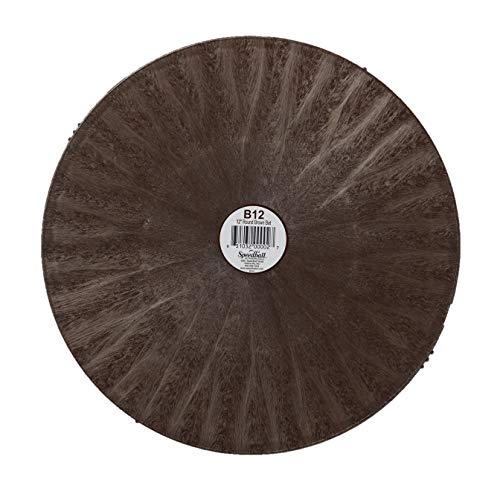
This is the same 12-inch Speedball platform as the green pick above, just in the brown colorway that’s been circulating in classrooms and community studios for years. Functionally you get the identical deal: molded plastic construction, internal ribs for rigidity, and that signature lift-off rim.
Why choose brown over green? Mostly organization. Studios that assign colors to different clay bodies or skill levels find the darker tone hides staining better over long service, which matters when a shared bat sees stoneware one hour and porcelain the next. For solo potters the choice is purely aesthetic, and either color performs the same on the wheel head.
Good Reasons To Consider
- Same proven lift-rim removal as the rest of the Speedball line
- Darker finish tends to mask clay stains in shared-studio use
- Ribbed underside keeps the disc flat under real centering pressure
Worth Noting
- Brown against brown clay bodies can make it slightly harder to read fresh trim lines than on lighter surfaces
Made For
Instructors and shared-space potters running multiple clay bodies who want durable, color-coded equipment that survives constant handling.
Consider Something Else When
Newcomers who want visual guides for centering will get more help from the Pottery Head 12-inch bat with its printed guideline rings.
Not every bat needs to be a full wheel-sized disc. This six-pack of seven-inch rounded-square inserts slots into Bleecker Station’s adapter system, giving you six removable surfaces for anything with a base of seven inches or smaller. That covers mugs, tumblers, small bowls, and most lids, which is honestly the bulk of what many potters produce.
The appeal is shelf geometry. Six round bats stacked on a drying rack eat serious square footage; six compact squares tuck into a fraction of it. One honest caveat before you click: the adapter isn’t included here, so this pack assumes you already own the Bleecker Station base unit. Buy the adapter first or this set sits unused in a drawer.
The Upside
- Six separate inserts mean you can fill several forms back-to-back without stopping to clean one bat
- Compact squares dry and store in far less rack space than full-round bats
- Seven-inch capacity matches the majority of functional ware bases
- Made in the USA, which some studios prioritize for supply consistency
Trade Offs
- The required adapter is sold separately, adding a step and a cost before these become usable
- Anything wider than a seven-inch base still needs a full-size bat
Right Fit For
Apartment and garage studio potters already using the Bleecker Station system who churn out smaller functional pieces.
Look Elsewhere When
If you’re starting from zero equipment, the self-contained U.S. Art Supply two-pack below works without any adapter purchase.
Two extra inches sounds minor until you’ve tried to open a dinner-plate form on a twelve-inch disc and run out of surface halfway through the pull. This 14-inch Speedball gives wide bowls, platters, and serving pieces room to breathe while keeping the same ribbed plastic build and lift-rim convenience as its smaller sibling at number one.
The trade-off shows up at cleanup and storage. A fourteen-inch disc won’t fit standard bat racks sized for twelves, and it demands a wheel head large enough to support the overhang safely. Measure your wheel head diameter before committing. Assuming yours clears fourteen inches comfortably, this is the sensible upgrade once your forms start growing.
Standout Benefits
- Fourteen inches of throwing surface accommodates platters and wide-rimmed bowls
- Identical one-motion rim removal keeps large, fragile forms safe during transfer
- Internal molding ribs resist the sag thinner large bats often show near the edges
- Universal pin pattern fits most full-size wheel heads
- Smooth plastic surface releases trimmed and slipped clay cleanly
Minor Gripes
- Oversized footprint may not suit compact tabletop wheels or narrow storage shelves
- Overhang beyond a smaller wheel head can introduce wobble at speed
- Heavier feel when wet compared to the 12-inch version
Key Specs
Best Suited To
Intermediate and advanced throwers producing dinnerware-scale pieces on full-size wheel heads.
Not Your Match When
Tabletop-wheel owners with limited clearance will find the Speedball 12-inch green bat far easier to live with.
Bat jitter, that faint wobble you feel through your hands as a slightly warped disc spins, ruins centering faster than almost anything else. BKALEME built this 12-inch blue bat specifically around that problem, emphasizing warp resistance and a stable seat on the wheel head. For anyone whose current plastic bat has developed a slight dish over time, the pitch lands.
Compared with the Speedball picks earlier in this list, the BatMate leans harder into flatness retention rather than removal ergonomics, so it suits potters who leave bats mounted longer. Absorption is another stated focus, meaning less standing water pooling around your form. As a newer entrant to the category, its long-term track record is thinner than Speedball’s, which is worth weighing.
Advantages To Know
- Warp-resistant construction targets the flatness loss common in older plastic bats
- Stable seating reduces the jitter that throws off centering
- Absorbent surface quality helps keep the working area drier around your pot
Points To Note
- As a newer product line, expect fewer long-term user reports to lean on than established brands
- Confirm pin compatibility with your specific wheel model before ordering
Feature Snapshot
Who Will Love This
Potters sensitive to vibration who center by feel and want the flattest possible spinning surface under their hands.
A Better Fit Elsewhere
Teachers stocking a classroom on a known quantity will likely prefer the battle-tested Speedball 12-inch brown bat.
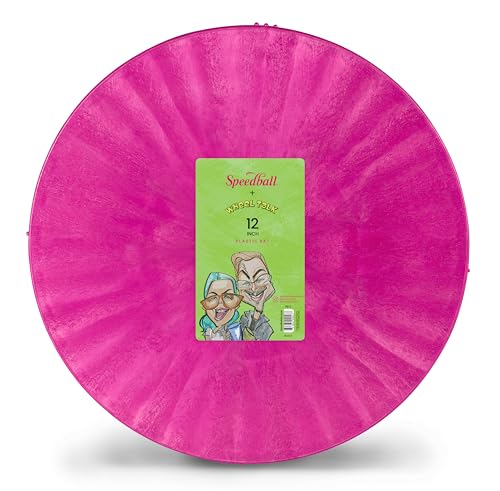
Speedball expanded its bat family with special-edition colors developed alongside professional artists, and this pink 12-inch round is one of them. Underneath the cheerful finish it’s the familiar platform: universal pin fit, molded ribs, and the lift-rim that made the brand a studio fixture.
The practical case for pink is the same as for any color coding. Potters juggling several students, or one maker separating porcelain days from stoneware days, can assign a hue per clay body and stop guessing which bat holds which residue. Lighter shades also show contamination instantly, so a quick glance tells you whether a wipe-down is due. Functionally it’s identical to picks one and two, so treat this as the style-forward member of the trio.
Benefits That Matter
- Special-edition colorway born from artist collaborations
- Light surface reveals clay residue at a glance, speeding turnaround between pieces
- Full Speedball feature set including the one-motion lift rim
- Bright tone helps students keep track of their own bat in shared rooms
Small Caveats
- Special editions can be harder to replace individually than core-line colors
Perfect Match For
Studio owners who color-code by clay body or student, and anyone who wants their workspace to feel a little brighter.
Skip It When
Strictly utilitarian buyers replacing worn stock will find the standard Speedball 12-inch green simpler to reorder.
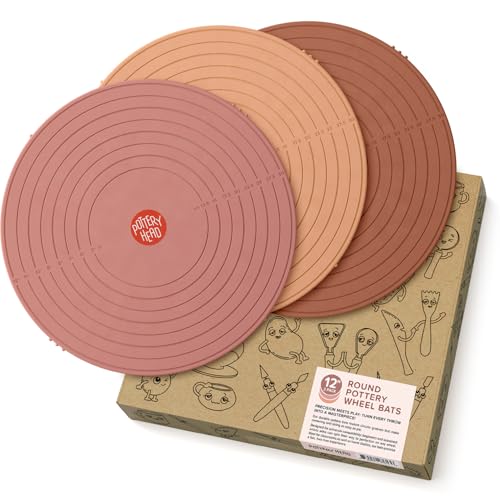
Most bats give you a blank circle and trust your eye. These three 12-inch rounds from Pottery Head print concentric guideline rings on the surface, turning the bat itself into a centering coach. Beginners struggling to judge whether a lump is truly centered get instant visual feedback, and even experienced throwers appreciate the rings when pulling matching sets of mugs.
Three bats in one package changes the workflow math, too. You can throw three cylinders, lift each away on its own disc, and keep the wheel spinning without pausing to scrape and re-wet a single surface. Compared with buying the single-bat version at number eight, this set costs more upfront but pays for itself the moment you produce anything in series.
Points In Its Favor
- Printed guide rings give immediate visual confirmation during centering
- Three-disc set supports continuous production without cleaning between pieces
- Consistent results across repeat projects, useful for matched sets
- Works for both single statement pieces and batch production runs
Honest Caveats
- Printed lines sit on the working surface, so expect gradual wear where clay contacts most often
- Guides may feel unnecessary once your eye is trained
Who Should Grab It
Students and intermediate throwers building consistency, plus hobbyists making gift sets that need to match.
Another Choice May Suit
Solo potters who only occasionally use a bat will find the single Pottery Head 12-inch bat a leaner buy.
This is the set-of-three above, trimmed to one disc. Same 12-inch round, same printed guideline rings, same promise of steadier centering, just sized for someone dipping a toe in. For a first bat purchase, especially alongside a starter wheel, keeping the commitment small makes sense.
Where it falls short of the multi-pack is throughput. With a single disc, every piece means a pause: cut the pot free, wash the bat, reattach, go again. That rhythm suits slow weekend sessions and practice lumps fine, but production nights will feel sluggish. The honest framing is that this is a training tool first and a production tool second, and priced accordingly.
The Case For It
- Guideline rings shorten the learning curve on centering
- Single-disc entry keeps initial cost and storage minimal
- Twelve inches covers the standard range of early practice forms
Room For Improvement
- One bat means washing between every piece during longer sessions
- Surface printing wears with heavy use over time
- No backup if a disc cracks or warps
Built With In Mind
Complete beginners testing whether bats fit their workflow before investing in a full set.
Reach For A Different Pick When
Once you’re throwing daily, the three-pack version of this same Pottery Head bat removes the constant wash-and-reset cycle.
Compatibility is the whole story here. These two 11-inch rigid plastic bats are dimensioned specifically for U.S. Art Supply’s own pottery wheel, model PW-101, which means the pin holes land where they should without guesswork. Owners of that wheel have historically had few third-party options, so a purpose-made pair solves a real fitment headache.
The eleven-inch diameter sits slightly under the industry-standard twelve, trading a bit of surface area for a lighter, nimbler feel that suits smaller wheel heads well. Rigid plastic construction cleans up with a quick rinse and stacks flat in a drawer. Just note the obvious limit: these aren’t universal bats, so PW-101 ownership is effectively a prerequisite.
What Makes Sense
- Engineered to match the U.S. Art Supply PW-101 wheel’s pin layout precisely
- Two discs let you alternate pieces without stopping to scrub between throws
- Eleven-inch size feels manageable on compact wheel heads
- Rigid plastic holds shape and rinses clean in seconds
Potential Drawbacks
- Designed exclusively for one wheel model, useless elsewhere
- An inch smaller than standard bats, so very wide forms will overflow
Quick Facts
The Right Fit
PW-101 owners who want factory-matched accessories rather than gambling on universal-fit discs.
Swap It Out When
Anyone on a different wheel brand should look to the universal-pin Speedball 12-inch green bat instead.
Every other pick on this list is plastic. Touri goes a different direction with a solid hardwood composite, pitching warp resistance, waterproofing, and scratch resistance against hours of wheel time and repeated washings. Wood-composite bats occupy a middle ground between plaster and plastic: heavier and denser than cheap plastic, yet far less fragile than plaster.
The clever part is the square-insert format, similar in spirit to the Bleecker Station system at number three. Squares let you dry finished work directly on the insert, reclaiming rack space, and swapping between projects takes seconds. The non-porous finish means clay releases easily and cleanup is a damp cloth or a rinse. For high-volume throwers tired of replacing warped plastic discs, this set reads like a long-haul investment.
Noteworthy Benefits
- Hardwood composite resists warping, water damage, and scratching through heavy cycles
- Square inserts double as drying surfaces, freeing up studio rack space
- Non-porous face keeps clay from bonding, so wiping down takes moments
- Flat, stable profile maintains consistent results session after session
- Suits complete beginners and working ceramic artists alike
What To Weigh
- Composite bats weigh noticeably more than plastic, which some potters feel when swapping frequently
- Verify the included adapter or pin configuration matches your wheel head before ordering
The Details
Whose Shelf It Belongs On
Production-oriented potters and small-batch sellers who value longevity over featherweight handling.
Where A Sibling Pick Shines
Throwers who prioritize quick, one-handed bat swaps will prefer the lighter Speedball 12-inch green disc.
What Matters Most Before Choosing Bats For Pottery Wheel
Match The Bat To Your Wheel Head
Pin spacing is the spec that decides everything. A bat is only useful when its holes align with the pins on your wheel head, and “universal” claims still deserve a tape-measure check against your machine. Wheel-head diameter matters equally: a 14-inch bat hanging over a 12-inch head invites wobble at speed.
Size For The Work You Actually Make
Mug makers rarely need more than twelve inches, and smaller inserts save both money and shelf space. Platter and dinnerware throwers should size up. Be honest about your typical form rather than your ambitions; oversized bats mostly collect dust in corner studios.
Material And Longevity
Plastic dominates because it’s light, cheap, and waterproof, but thin discs can warp over seasons of wet use. Hardwood composite and denser molded options cost more upfront and hold their plane longer. High-frequency throwers usually recoup that difference.
Sets Versus Singles
One bat means washing between every piece. Two or more lets you rotate while clay firms up, which quietly doubles output on batch days. Classrooms should multiply accordingly.
Key Considerations Across These Picks
Traps First Timers Fall Into
The most common mistake is ordering a bat without measuring pin spacing, then discovering the holes miss by millimeters. Second place goes to buying one disc for production work, then wondering why sessions feel stop-start. Check your wheel model against the listing, and lean toward sets whenever you throw more than a couple of pieces per sitting.
The Case For Spending Up
Cheaper bats typically use thinner plastic that dishes and warps within a year of wet use. Denser molded or composite builds cost more because the material itself resists that deformation, and features like lift rims or machined-flat surfaces add manufacturing steps. For anyone throwing weekly or selling work, the sturdier option pays off in replaced-bat savings alone.
Frequently Asked Questions
What does a pottery bat actually do?
It’s a removable disc that sits on your wheel head so you throw on top of it. You lift the bat with the finished pot attached, protecting soft bases and freeing the wheel immediately.
Are universal bats really compatible with every wheel?
They’re drilled for common pin spacings, which covers most standard heads. Measuring your wheel’s pin distance remains the safest move before ordering.
How do I keep plastic bats from warping?
Store them flat rather than leaning, avoid leaving them soaked, and keep them out of hot cars or direct sun. Heat and uneven pressure are the usual culprits behind a dished bat.
Can I dry pots directly on a bat?
Yes, and many potters do exactly that to avoid moving fragile leather-hard pieces. Square-insert systems like the Touri set are designed around this workflow.
Do I need bats as a beginner?
Not immediately, but they remove a lot of frustration around cutting pots off the wheel. A single 12-inch bat with centering guides is a gentle, inexpensive way to start.
Wrap Up
The right bat comes down to your wheel, your forms, and how many pieces you make per session. Speedball’s 12-inch green disc remains the safest default for most home studios, the 14-inch version earns its place for larger work, and the Touri composite set rewards high-volume throwers with serious durability. Measure your pin spacing, pick your size honestly, and your next hundred pots will come off the wheel a little calmer.
