
The right batting decides how a quilt drapes, breathes, and holds up through years of washing. Pick a dense one and your summer throw feels like a parka; pick something flimsy and your heirloom project goes flat after two laundry cycles. This guide sorts ten solid battings by fiber blend, weight, and finished size so you can match the layer to the quilt you actually plan to make, whether that’s a crib gift, a queen bed cover, or a batch of bowl cozies for the county fair table.
The Shortlist At A Glance

Tatuo Natural Cotton Batting Light Weight Wadding (78.7 x 86.6 Inch)
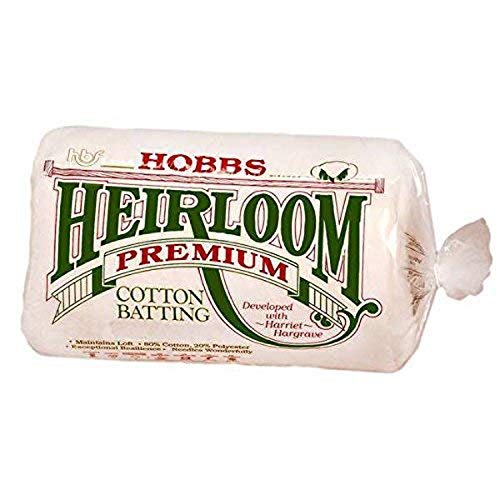
Hobbs Heirloom 80%/20% Cotton/Poly Queen Size Quilt Batting

Hobbs HL81 Heirloom Full Size Cotton Batting, White

Drounphi Natural Cotton Batting for Quilting (68″x86″, 150g/m²)
Drounphi Natural Cotton Batting for Quilting, 90″x90″
Drounphi Natural Cotton Batting, 150g/m² Lightweight, 40″x40″

HANPATQUI 110 x 96 inch Natural Cotton Quilt Batting Queen
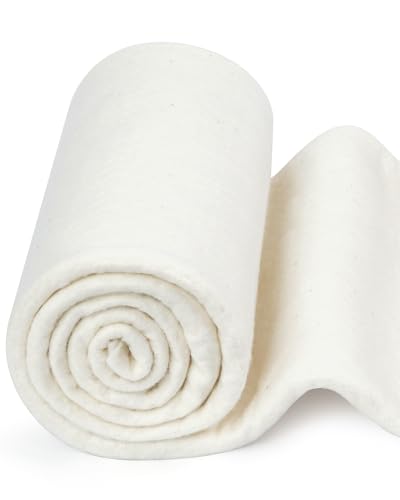
FIVEIZERO 100% Natural Cotton Quilt Batting, 47Inch x 1 Yard

FIVEIZERO 100% Natural Cotton Quilt Batting, 47Inches x 2 Yards
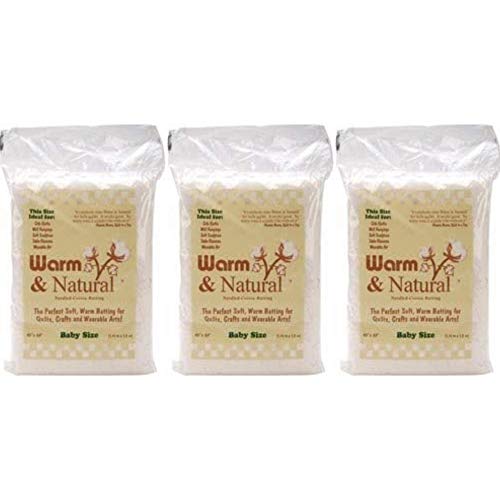
Warm Company Warm and Natural Cotton Batting Crib Size 3-Pack
A Deeper Look At The Lineup
This all-cotton sheet lands near twin-bed dimensions at roughly 79 by 87 inches, which covers most throw and twin tops without piecing. The 100g weight keeps it light enough for a couch quilt yet warm enough for cool evenings, and natural cotton breathes better than polyester in humid rooms.
For everyday makers, that balance matters more than loft. You get a soft hand against skin, and the large cut leaves trimming margin on all four sides.
Notable Gains
- All-natural cotton construction feels gentle against bare arms during movie-night use.
- The generous 78.7 x 86.6 inch cut handles twin quilts or two smaller projects from one purchase.
- Lightweight wadding layers smoothly under both hand needles and domestic machines.
- Natural fibers make it a sensible match for wearable art pieces worn close to the skin.
Things To Consider
- Cotton battings typically shrink a few percent in the first wash, so many quilters pre-soak to control the puckered look.
- You may find the lighter weight too thin for cold-winter bed quilts meant to carry real insulation duty.
The Right Fit
Suited to casual quilters making seasonal throws and wearable pieces where softness outweighs maximum warmth.
A Better Fit Elsewhere
Quilters chasing defined stitch puff and wash durability will likely prefer the Hobbs Heirloom 80/20 blend instead.
Ask experienced quilters what sits inside their best-loved bed quilts and Hobbs Heirloom comes up constantly. The 80/20 mix pairs unbleached cotton softness with a polyester backbone, giving roughly 1/8 inch of loft that shows off stitching lines beautifully. Compared with the all-cotton Tatuo above, this blend resists creasing and bounces back fluffier after washing.
It ships precut at 90 by 108 inches, sized for standard queen tops with room to trim. Needle punching and a light resin bond keep fibers stable while you work.
The Value In It
- The 1/8-inch loft gives stitch definition that makes even simple straight-line quilting look deliberate.
- Smooth needle-punched surface sheds minimal lint, keeping your machine cleaner on long sessions.
- Machine washable with modest shrinkage around 3 to 5 percent, producing that classic softly puckered finish.
- Works equally well under a walking foot or a hoop, so one roll serves both styles.
- Light drape means the finished queen quilt folds neatly over a footboard without stiffness.
Worth Noting
- Expect the slight first-wash shrinkage many cotton blends show; some quilters embrace it, others pre-shrink.
- Resin bonding can feel slightly slicker than untreated cotton under a needle until you adjust tension.
At A Glance
Who It Suits Best
Made for intermediate quilters finishing queen bed quilts who want proven performance by hand or machine.
Where A Sibling Pick Shines
Full-size quilt makers should look at the Hobbs HL81 below, which trims cost while keeping the same blend recipe.
Same beloved Heirloom recipe, trimmed to a full-size 81 by 96 inch cut. That matters because not everyone owns a queen frame, and paying for extra width you’ll trim off stings a little. The white color also disappears cleanly under pale backing fabrics where unbleached cotton can shadow through.
Handling is easygoing. The batting stays lofty without bulk, and beginners report it feeds through a domestic machine without fighting back.
What Helps Most
- Stitch rows up to 4 inches apart stay supported, a genuine relief for anyone who dislikes dense stippling.
- Reduced bearding keeps fibers from migrating through your backing over years of use.
- Minimal 3 to 5 percent shrinkage preserves the shape of carefully matched borders.
- Light handling weight makes basting on a kitchen table realistic rather than a floor-only job.
Small Caveats
- At 81 x 96 inches there is less trimming margin than the queen Hobbs cut offers, so measure your top first.
- Like its sibling, expect mild first-wash shrinkage unless you pre-soak.
Right Fit For
A strong match for newer quilters tackling their first full-size bedspread or gifting an everyday-use quilt.
Swap It Out When
Anyone working oversized queen patterns should step up to the HANPATQUI 110 x 96 option later in this list.
Summer quilts need a different animal. This Drounphi sheet runs about 30 percent thinner than traditional cotton batting thanks to its 150g/m² weight, which translates into a cover you can actually sleep under in July. Breathability is the headline here; air moves through the loose natural fibers instead of trapping heat like a bonded poly would.
The 68 x 86 inch rectangle suits lap quilts, picnic throws, and wall hangings. Additive-free cotton also appeals to folks sewing bowl cozies and kitchen items that touch food containers.
Reasons It Performs
- The thin profile presses flat, so seams sit crisp under a hot iron during assembly.
- Natural, additive-free fibers suit microwave-friendly projects such as bowl cozies when paired with appropriate fabrics.
- Light enough to fold small, which helps apartment sewists short on storage.
- Breathable weave keeps wall-hanging projects from feeling stiff once hung.
Points To Note
- Thin batting shows every skipped stitch, so consistent seam allowance matters more here than with loftier picks.
- Owners commonly recommend smoothing the sheet fully before basting, since lightweight cotton can hold shipping folds.
Quick Facts
Who Will Love This
Built for warm-climate quilters and DIYers making summer throws, cozies, and lightweight home accents.
Consider Something Else When
Winter bed-quilt makers wanting real loft should pick the Hobbs Heirloom queen reviewed earlier.
Same featherweight 150g/m² cotton as the previous Drounphi entry, recut into a generous 90-inch square. That square shape is quietly useful: symmetrical tops, whole-cloth baby quilts, and sampler layouts waste far less fabric when the batting matches their proportions. One sheet comfortably covers a large lap quilt with margin left for binding.
In practice this is the version to reach for when your project list mixes sizes, since the spare corners become potholder blanks and coaster stock rather than landfill.
A Few Strong Suits
- The 90 x 90 square fits most throw and lap quilt tops with trimming room on every side.
- Additive-free cotton keeps the layer breathable for year-round sofa use.
- Offcuts from the corners supply ready-made blanks for coasters and mug rugs.
- Lightweight build quilts quickly, helpful for charity-sewing marathons.
Less Ideal Details
- At this weight it won’t deliver the plush puff some quilters associate with traditional winter quilts.
- Vacuum-packed shipping means the sheet needs airing and pressing flat before cutting.
Whose Shelf It Belongs On
Best suited to quilters who alternate between lap quilts and small crafts and hate wasting scraps.
Reach For A Different Pick When
Smaller single projects are cheaper served by the 40 x 40 Drounphi square coming up next.
Not every project needs a bed-sized sheet, and buying one just to slice off a potholder square is wasteful. This compact 40 x 40 cut solves that. It’s the same breathable 150g/m² natural cotton found across the Drounphi range, sized for mini quilts, table runners, trivets, and tote reinforcements.
The range itself spans four sizes from this small square up to a 108 x 96 king-width sheet, so you can scale purchases to actual demand instead of guessing.
Useful Strengths
- The 40-inch square covers most table runners and mini quilts in a single piece, no seaming needed.
- Being part of a four-size family, it lets you buy exactly the coverage each project demands.
- Light cotton layers easily under thick denim or canvas for bag-making reinforcement.
- Stores flat in a drawer, a real plus in cramped craft rooms.
Details To Watch
- One square rarely stretches to two decent-sized projects, so plan cuts before slicing.
- As with its siblings, allow it time to relax out of packaging folds before basting.
Made For
Ideal for hobbyists churning out potholders, placemats, and small gifts throughout the year.
Another Choice May Suit
Larger throw projects get better value per inch from the 68 x 86 Drounphi sheet reviewed earlier.
Oversized quilt tops are where standard queen battings fall short, and this HANPATQUI sheet answers with 110 inches of width against 96 inches of length. Fourteen extra inches of width absorbs deep drop edges and generous tuck margins without awkward piecing down the middle. The fabric itself is 100 percent natural cotton with a soft, durable hand that stands up to long-term use.
Beyond bed quilts, owners put it to work on baby blankets, oven mitts, tote bags, and lightweight summer coverlets, which speaks to how forgiving the material is across project types.
Key Advantages
- The wide 110-inch cut eliminates center seams on deep-drop queen designs.
- Full natural-cotton composition keeps the finished quilt breathable in warm bedrooms.
- Handles everything from baby quilts to pot mats, stretching one purchase across many uses.
- Lightweight yet tear-resistant, so it survives aggressive machine quilting.
Points To Keep In Mind
- Extra width means extra bulk to wrestle through a domestic throat space, so longarm users have the easier ride here.
- Some quilters note natural cotton benefits from a pre-wash to settle shrinkage before final binding.
The Numbers That Matter
Best Suited To
A smart fit for confident quilters finishing deep-drop queen beds or running mixed-size charity projects.
Look Elsewhere When
Standard-size tops with tighter budgets pair better with the Hobbs HL81 full-size cut from earlier.
Buying batting by the yard changes how you plan projects. Instead of committing to one fixed rectangle, this FIVEIZERO roll gives you 47 inches of usable width in yard-long sections, and the brand sells lengths from one to four yards. Start small, learn the material, then order longer runs once your queue fills up.
The unbleached natural cotton arrives vacuum-packed and pre-cut, ready to unroll straight onto your cutting mat. For craft-fair sellers batching potholders and cushions, that workflow convenience counts for plenty.
Everyday Perks
- Four length options mean you only pay for the coverage a specific batch requires.
- 47-inch width accommodates twin and king layouts when multiple yards are joined.
- Pure natural cotton keeps potholders and cushion covers breathable and comfortable.
- Vacuum packing shrinks storage bulk between sewing sessions.
Things That May Matter
- A single yard covers only small goods, so bed quilts require the multi-yard versions.
- Unrolling tightly packed cotton takes patience; press gently rather than yanking creases out.
Core Details
Who Should Grab It
Perfect for craft-sellers and weekend DIYers testing a new batting brand on small goods first.
Where Another Pick Suits Better
Twin-quilt makers should jump straight to the two-yard FIVEIZERO version covered next.
Two yards is the sweet spot in this by-the-yard system. At 47 inches wide by 72 inches long, a single roll covers a throw quilt outright or splits cleanly into several midsize craft blanks. Compare that to the one-yard starter above: same cotton, double the runway, and still compact enough to store rolled behind a closet door.
Because the material is identical across the length options, anything you learn on small projects carries straight over to bigger ones, which removes guesswork from scaling up.
The Case For It
- The 47 x 72 cut handles a full throw top with binding margin in one continuous piece.
- Unbleached natural cotton works for backing, wadding, and cushion inserts alike.
- Consistent quality across all four length options makes repeat orders predictable.
- Pre-cut delivery skips the fabric-store trip entirely.
Potential Sticking Points
- King-size quilts still exceed a single roll, requiring either the four-yard option or careful joining.
- As widely reported with packed cotton rolls, give it a day to relax and press before cutting.
Perfect Match For
A great match for intermediate hobbyists alternating between throw quilts and padded home accessories.
Not Your Match When
First-timers experimenting with tiny projects save money on the one-yard FIVEIZERO roll instead.
Here’s the veteran of the group, and the reason it endures is simplicity. Each pack holds three crib-size sheets of USA-grown cotton, needle punched without resins or glues. That clean construction means no pre-washing is required, and your top fabric grips the batting naturally during quilting instead of sliding around.
Three sheets at 45 x 60 inches also happen to be ideal learning canvases. Mistakes cost little, and finished pieces become wall hangings, baby gifts, or pet mats.
Strengths Worth Knowing
- No pre-wash step saves a full afternoon before your first basting session.
- Resin-free needle-punched cotton gives fabric a natural grip that stabilizes beginner stitching.
- USA-grown fiber appeals to quilters who track material origins.
- Flexible enough for indoor and outdoor projects, from picnic mats to garden kneelers.
- Machine washable after quilting, so finished gifts survive real household life.
A Few Limitations
- Crib sizing limits you to small projects; bed quilts need larger cuts from elsewhere on this list.
- Without resin bonding, some quilters find very loose quilting spacing can let fibers shift over heavy use.
Essential Details
Who Should Grab It
An excellent starting point for new quilters practicing technique on manageable crib-scale projects.
Skip It When
Queen-bed ambitions call for the wider HANPATQUI sheet reviewed earlier in the lineup.
What Matters Most Before Choosing Battings For Quilts
Fiber Blend First
Cotton breathes and softens with age; polyester adds resilience and loft. Blends like the 80/20 Hobbs recipe split the difference, which explains their popularity for bed quilts that see weekly washing. All-cotton picks such as the Warm Company sheets suit people sensitive to synthetics or sewing items used near food.
Weight And Warmth
Batting weight, often listed in grams per square meter, predicts how warm and bulky the finished quilt feels. Around 150g/m² reads as a light summer layer, while loftier constructions insulate better for winter beds. Match the number to your climate honestly; a heavy batting in a warm house becomes a closet ornament.
Size And Margin
Always add three to four inches beyond your quilt top on every side before choosing a cut. Deep-drop designs need extra width, and nothing frustrates like discovering your batting falls two inches short after basting. Oversize cuts like the HANPATQUI exist precisely for those generous borders.
Care Expectations
Most cotton battings shrink a few percent in the first wash, creating that beloved crinkled texture or an unwanted surprise depending on your plans. Decide upfront whether you want the vintage look or a flat finish, then pre-wash or skip accordingly.
Key Considerations Across These Picks
Wrong Turns To Avoid
The most common mistake is buying for the quilt you wish you made rather than the one on your table. Measure the actual top, add margin, then shop. Second trap: ignoring loft. Thin battings hide imperfect stitches less than fluffy ones do, so beginners sometimes benefit from starting with a slightly loftier layer.
What Separates Premium From Basic
Higher-tier battings pay for consistency: even fiber distribution, low lint, controlled shrinkage, and reliable stitch support across wide spacing. Brands like Hobbs charge more because decades of quilters trust the result. For heirloom work that investment pays off; for practice pieces, budget cotton does the job fine.
Frequently Asked Questions
Do I need to pre-wash cotton batting?
Most modern cotton battings can go straight into a quilt unwashed. Pre-washing simply controls the shrinkage that creates the classic crinkled finish after the first laundering.
Can batting be used for projects other than quilts?
Absolutely. Bowl cozies, potholders, table runners, tote reinforcement, and wall hangings all rely on the same layered structure. Smaller cuts like the Drounphi 40-inch square exist mainly for these uses.
What does loft mean in batting?
Loft describes the thickness or puffiness of the batting layer. Higher loft shows off quilting stitches dramatically but is harder to push through a domestic machine.
How far apart can quilting lines be?
Each batting lists a maximum recommended stitching distance, and exceeding it risks fiber shifting inside the quilt. Some products tolerate spacing up to four inches, which speeds up finishing considerably.
Is polyester blended batting lower quality?
No, blends trade a little pure-cotton breathability for added strength and reduced creasing. Many of the most trusted bed-quilt battings combine both fibers deliberately.
Closing Thoughts
Your batting choice quietly shapes every hour of quilting that follows, from how the sandwich behaves under the needle to how the finished piece wears over the years. Start honest about your climate, your machine, and the person who’ll actually use the quilt. Any of these ten will serve you well within its lane, and the differences between them matter less than picking one and getting stitches in today.
