
Learning to crochet lives or dies on the yarn in your hands. Splitting strands and invisible stitches frustrate newcomers faster than any tricky stitch pattern ever will. That’s why this roundup focuses on beginner-friendly yarns and starter kits that make every loop visible and every row satisfying.
A Snapshot Of The Selections

Katech Crochet Kit for Beginners

FREEASYFAR Beginner Easy Yarn Coral 120yds

Katech 20 Skeins Cotton Crochet Yarn Set

JOYTAG Aqua Blue Beginner Yarn (3x50g)

JOYTAG Army Green Beginner Yarn (3x50g)
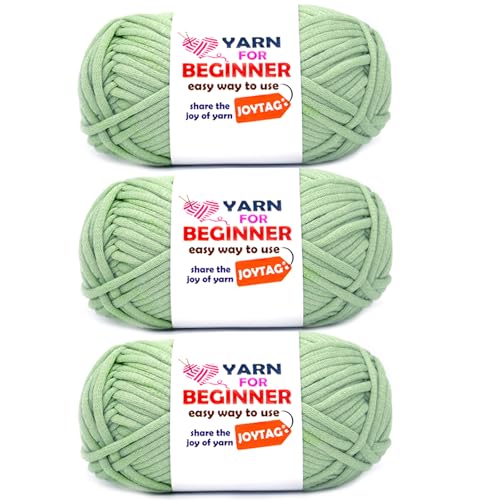
JOYTAG Avocado Green Beginner Yarn (3x50g)

CRAFTWIZ Acrylic Yarn 30 Skeins
What Each Pick Brings To The Table
Most first attempts stall because the hook feels wrong or the yarn fights back. Katech solves both problems at once with nine soft-grip hooks ranging from 2.0 to 6.0 mm, so you can match tool size to yarn weight without a separate purchase. Twenty yarn skeins come alongside them.
The kit also bundles a multifunctional storage bag, a smaller carry pouch, and written instructions aimed at people who have never held a hook. For a parent teaching a kid at the kitchen table, or an adult starting solo on the couch, that single-box approach removes nearly every excuse to quit early.
Everyday Advantages
- Nine hook sizes cover everything from lace-weight trims to chunky blankets without extra shopping.
- Twenty skeins mean your first dozen practice swatches won’t drain one lonely ball of yarn.
- Ergonomic handles reduce hand fatigue during those long first learning sessions.
- A dedicated bag keeps hooks, needles, and half-finished projects together between sittings.
Things To Consider
- Beginner kits bundle quantity over premium fiber, so expect serviceable rather than luxurious yarn.
- Owners commonly report sorting the many small accessories takes some initial patience.
Key Specs
Who It Suits Best
Complete newcomers who want hooks, yarn, instructions, and organization handled in one purchase.
Where A Sibling Pick Shines
Shoppers who already own hooks will get more value from the Katech 20 Skeins Cotton Yarn Set, which concentrates spending on fiber instead.
Worsted weight is the sweet spot for new crocheters, and this coral skein sits right there at weight 4 with 120 yards per ball. The cotton-and-nylon blend is engineered around one goal: stitches you can actually see while you’re counting them. That visibility alone shortens the learning curve considerably.
The smooth finish resists splitting, fraying, and snagging, which are the three failures that make beginners abandon a project mid-row. Amigurumi makers, meaning people who crochet small stuffed figures, get a soft yet structured fabric that holds shape nicely. One skein suits a small figure or a practice swatch series; larger pieces need multiples.
Practical Advantages
- Easy-to-see stitch definition helps you catch mistakes before they compound down the row.
- Cotton-nylon construction gives a smooth, modern drape without the fuzz of basic acrylic.
- Weight 4 thickness pairs naturally with mid-size hooks most beginners already own.
Worth Noting
- A single 120-yard ball covers only small projects, so blankets require buying several.
- One color per purchase means planning a palette takes deliberate ordering.
Feature Snapshot
Made For
New crocheters focused on amigurumi and small decorative pieces who value clear stitch definition above all else.
Skip It When
You need bulk yardage for big projects; the CRAFTWIZ Acrylic Yarn 30 Skeins pack delivers far more total length for large-scale work.
Where the Katech starter kit spreads its budget across tools and accessories, this Color A set pours everything into fiber. You receive twenty skeins of a 55% cotton, 45% acrylic blend that’s soft against skin and elastic enough to forgive uneven tension, which every beginner has.
The blend also resists pilling and wrinkles, two qualities that matter once your swatches become actual baby garments or home decor. In our view, that’s the real selling point: this is yarn you’d happily gift in a finished piece, not just practice with. Knitters can use it too, doubling its usefulness in a mixed-craft household.
A Favorable Mix
- Cotton-acrylic balance delivers warmth, stretch, and comfort in wearable pieces.
- Low-pilling behavior keeps finished baby items looking neat after washing cycles.
- Twenty skeins support multi-color projects like granny squares or striped blankets.
- Works for both knitting needles and crochet hooks, suiting households with crossover crafters.
Small Caveats
- The fixed Color A palette limits you if a specific shade scheme is essential to your plan.
- Blended fiber needs gentle laundering compared with pure acrylic’s throw-it-anywhere care.
Quick Facts
Right Fit For
Crocheters past their very first week who want quality fiber volume for baby items, wearables, and household decor.
Another Choice May Suit
Brand-new learners still need tools, and the Katech Crochet Kit for Beginners bundles hooks and instructions alongside its yarn supply.
This aqua three-pack runs a richer cotton ratio than the FREEASYFAR ball above: 68% cotton to 32% nylon, with each 50 g skein carrying roughly 87.5 yards. Together that’s about 262 yards of cool-toned, easy-to-read stitching. The higher cotton share gives finished work a breathable, natural hand feel.
Unlike traditional acrylic, which tends to split and pill under a beginner’s inconsistent tension, this custom blend stays smooth through frogging, the process of ripping out rows to fix mistakes. And beginners rip out a lot. Experienced crocheters reportedly enjoy it too, which says something about how little it fights back.
Advantages To Know
- Roughly 262 total yards give you room for a scarf-length project or repeated practice.
- High cotton content feels pleasant during long sessions and in finished wearables.
- Snag-resistant twist keeps stitch counts honest even at slow learning speeds.
- The light blue tone makes dark-hook contrast easy for visual tracking.
Points To Note
- Three same-color skeins lock you into a monochrome project unless you buy companion shades.
- Cotton-rich blends hold moisture, so air-drying finished items is the safer routine.
Details At A Glance
Who Will Love This
Learners making their first wearable or washcloth who prefer a cool, natural-fiber feel against the skin.
Swap It Out When
Your project calls for earthy tones instead; the JOYTAG Army Green pack shares this exact construction in a different palette.
Same recipe as the aqua version, different wardrobe: this army green three-pack uses the identical 68% cotton, 32% nylon blend across three 50 g skeins totaling roughly 262 yards. The difference is purely practical. Muted green hides minor tension wobbles better than bright shades do.
That makes it a quietly smart choice for practice pieces destined to become market bags or autumn accessories, where slight unevenness simply disappears into the texture. The nylon fraction adds abrasion resistance too, useful for items that see daily handling. Stitch definition remains strong despite the darker tone, thanks to the smooth, low-split twist.
Everyday Perks
- Forgiving darker shade masks beginner-level inconsistency in finished pieces.
- Nylon reinforcement stands up well to bags and items handled frequently.
- Three coordinated skeins remove color-matching guesswork entirely.
Honest Caveats
- Dark yarn can strain the eyes under dim evening lighting, so stitch-counting works best near a good lamp.
- Single-color packs limit striped or multicolor designs without additional purchases.
Whose Shelf It Belongs On
Beginners aiming at durable everyday items such as tote bags and fall accessories in grounded, neutral tones.
Reach For A Different Pick When
Eye-friendly brightness matters more than subtlety; the JOYTAG Aqua Blue variant offers the same blend in a lighter, easier-to-read shade.
Completing JOYTAG’s trio, this avocado shade keeps the proven 68/32 cotton-nylon formula and the familiar three-by-50 gram format with roughly 262 yards total. The color is the draw here: a fresh mid-green that photographs beautifully, which matters more than you’d think if your finished pieces end up online.
It’s a natural fit for plant-themed amigurumi, succulent pot covers, and kitchen items, niches where this exact hue is genuinely hard to source. Like its siblings, the blend resists the splitting and fraying that derail early momentum, and the medium thickness reads clearly on the hook. One caveat worth weighing: the trendy shade may date faster than neutrals in long-term decor pieces.
What Pays Off
- A distinctive colorway that’s uncommon in mainstream yarn aisles.
- Split-resistant twist keeps early rows tidy even at cautious speeds.
- Same trusted construction as the aqua and army green versions, so results stay predictable.
Less Ideal Details
- Trendy greens suit seasonal projects better than heirloom pieces you’ll keep for decades.
- As with all three JOYTAG packs, you’re buying one color at a time by design.
Who Should Grab It
Hobbyists making plant hangers, produce-inspired amigurumi, or photo-ready gifts in fresh botanical tones.
Not Your Match When
Variety beats novelty for your goals, and the Katech 20 Skeins Cotton Yarn Set supplies twenty colors in one order.
Thirty skeins, thirty colors, 1,200 total yards of #4 worsted acrylic. Nothing else here comes close on raw volume. Each 20 g ball is sized for small crafts, which makes this the pack for amigurumi collections, granny square samplers, and classroom-style group projects.
An ergonomic hook ships inside the box, so a curious friend can join mid-project without borrowing yours. Acrylic brings practical perks too: machine-washable finished pieces and consistent thickness throughout. The trade-off shows up in feel, since acrylic lacks the breathability of the cotton blends ranked above, and tiny 20 g skeins run out quickly on anything larger than a coaster-to-small-figure scale.
Where It Delivers
- 1,200 yards across 30 colors supports months of varied small projects.
- Included ergonomic hook lets a second person start immediately.
- Acrylic care means finished gifts survive regular machine washing.
- Uniform #4 weight matches nearly every beginner tutorial published today.
Points To Keep In Mind
- Small 20 g skeins mean frequent joins on larger pieces, adding weaving-in time.
- Pure acrylic feels warmer and less breathable than the cotton options in this list.
- Thirty loose skeins benefit from a storage bin or bag from day one.
Feature Card
Built With In Mind
Bulk project planners, teachers, and amigurumi collectors who want maximum color range and yardage per dollar.
Consider Something Else When
Skin-feel quality leads your priorities; the FREEASYFAR coral cotton-blend ball offers a softer, more natural touch for wearables.
Choosing Between These Beginner Crochet Yarns
Fiber First, Always
Cotton blends breathe and feel natural, making them the right call for wearables and baby items. Acrylic wins on care, since machine washing rarely phases it, and on price per yard. Match the fiber to what you actually plan to make rather than to whichever option looks prettiest in photos.
Weight Determines Your Learning Curve
Medium worsted (#4) yarn dominates beginner tutorials for good reason: thick strands show every stitch clearly and forgive sloppy tension. Thinner weights hide mistakes until they’ve multiplied. Stick with #4 until your hands memorize the motions, then experiment freely.
Kits Versus Standalone Skeins
Starter kits bundle hooks, instructions, and storage, which removes decision fatigue entirely for absolute newcomers. Standalone skeins cost less per yard and suit anyone who already owns tools. Honestly assess your current gear before paying for duplicates hidden inside a kit.
Yardage Math Before Checkout
A single 120-yard ball finishes one amigurumi figure; a blanket demands ten times that. Count your pattern’s stated requirements, add 15% for mistakes and gauge swatches, then buy accordingly. Running short mid-project risks dye-lot mismatches on replacement skeins.
Key Considerations Across These Picks
Wrong Turns To Avoid
The classic error is buying thin, dark, fuzzy yarn because it looked elegant on the shelf, then fighting invisible stitches for weeks. Another common slip is ignoring yardage labels entirely and discovering halfway through a scarf that three skeins were never going to be enough.
The Case For Spending Up
Premium cotton-nylon blends cost more per ball because they resist splitting, pilling, and fraying, the exact frustrations that end most crochet journeys early. Paying up front for smoother fiber often saves money overall, since abandoned projects waste whatever cheap yarn went into them.
Frequently Asked Questions
What yarn weight should a complete beginner start with?
Medium worsted, labeled #4, is the standard recommendation. Its thickness makes individual stitches easy to see and count while you learn.
Is cotton or acrylic yarn better for learning to crochet?
Cotton blends offer clearer stitch definition and a softer feel, while acrylic costs less and washes easily. Most instructors suggest starting with either, prioritizing smooth, non-splitting texture above fiber type.
How much yarn does a first project typically need?
A practice swatch uses under 50 yards, a small amigurumi figure roughly 100 to 150, and a beginner scarf around 300. Always add a buffer for mistakes and gauge checks.
Do I need special hooks for beginner yarns?
No, any mid-size hook between 4.0 mm and 5.5 mm pairs well with worsted weight yarn. Ergonomic handles help during long practice sessions but aren’t mandatory.
Can I machine wash items made from these yarns?
Pure acrylic pieces generally tolerate machine washing well. Cotton blends last longer with gentler cycles and air drying, since high heat can stress natural fibers.
Closing Remarks
Your first skein shapes whether crochet becomes a habit or a drawer of unfinished swatches. Pick something smooth, visible, and thick enough to read at a glance, and the rest follows naturally. Any of these seven will get a patient beginner through those crucial first rows, and the right choice mostly depends on what you dream of making first.
