
Starting pyrography is easier than it looks, but the wrong first kit can sour you on the hobby fast. A pen that overheats, tips that never fit your project, or a station that takes forever to warm up all add friction where you want flow. This roundup sorts seven beginner-friendly options by how they actually behave at a craft table: gel pens for no-heat drawing, single pens for casual weekends, and dual-pen stations for anyone already hooked.
A Closer Look At The Lineup
A Closer Look At The Lineup

1DFAUL Wood Burn Paste Pen Kit 4OZ

Afantti Wood Burning Pen Kit | 26 Letter | 8 Stencil

YIHUA 939D-II Pyrography Station 2-in-1 (Green)
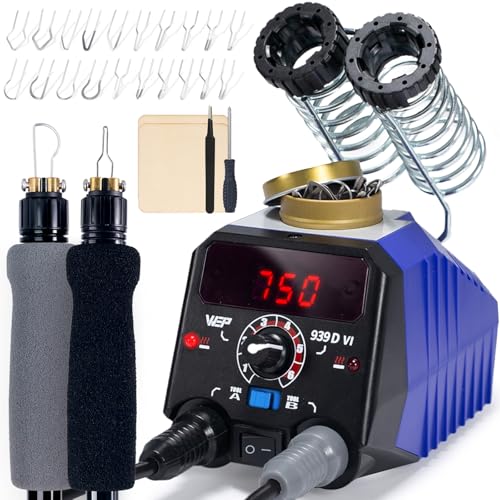
WEP 939D-VI Dual Pen Wood Burning Kit

WEP 939D-II 86-IN-1 Wood Burning Kit

ACRSIKR Adjustable Temperature Wood Burning Kit

ArtSkills Wood Burning Kit for Beginners 48 Piece
Taking A Closer Look At The Options
Most kits on this list put a hot pen in your hand from minute one. The 1DFAUL flips that around: you draw your design with a liquid gel marker first, then apply heat afterward to burn the lines in. That two-step approach removes the scariest part of pyrography for newcomers, which is controlling a live-hot tip while trying to draw.
The double-sided marker suits small wood pieces and fine patterns, and the process works best on untreated, unfinished boards. Families tend to like this format because the drawing stage feels like ordinary crafting.
Real Benefits
- You sketch confidently at room temperature before any heat touches the wood, so mistakes happen on paper logic, not burned-in regret.
- The double-sided tip handles both broad fills and finer linework without swapping tools mid-project.
- Burns develop within minutes of heat application, giving fast feedback for short crafting sessions.
- No temperature dial to learn, which keeps the very first session low-stress.
Things To Consider
- A separate heat gun is needed for the burning step, so check what you own before ordering.
- Treated or sealed wood won’t take the gel properly; raw, unfinished surfaces are the requirement here.
Who It Suits Best
Total beginners and family crafters who want the look of burned art without handling a hot iron during the design phase.
Where Another Pick Suits Better
Anyone wanting traditional freehand control should look at the Afantti kit instead, since its heated pen draws and burns in one motion.
Where the 1DFAUL delays the heat, the Afantti puts it straight into your grip, and its two power settings are the reason it earns a spot here. The 30W mode suits wood burning while the 15W setting runs cooler for leather work, so one pen covers two materials most starter kits ignore. That matters if personalized leather keychains or journal covers are on your project list.
The rubberized handle insulates against heat creep toward your fingers, and the curved ergonomic shape supports longer sessions without hand fatigue. Letter stencils and pattern guides round out a package aimed squarely at people personalizing gifts.
Advantages To Know
- Switching between 30W and 15W lets you match heat to material instead of fighting one fixed temperature.
- The insulated rubber handle blocks heat transfer, which owners commonly report makes hour-long sessions comfortable.
- Included letter and stencil sets get monogram projects going on day one.
Small Caveats
- A single pen means swapping tips between steps rather than keeping two tools loaded at once.
- Tip changes require waiting for cooling, which slows multi-texture designs.
Feature Snapshot
Made For
Hobbyists splitting time between wooden signs and leather goods who want one affordable tool for both.
Consider Something Else When
If detailed shading is the goal, the YIHUA 939D-II’s wire-nib detailer pen gives finer control than this single-pen setup.
This is the step up from handheld pens, and the difference shows the moment you sit down. The YIHUA 939D-II is a benchtop station driving two separate pens at once: a solid-point drawer covering 200 to 480 degrees Celsius with a temperature display, and a wire-nib detailer reaching 250 to 750 degrees Celsius. Solid-point tips hold heat for broad strokes; wire nibs, thin resistance wires shaped into fine points, respond almost instantly for delicate shading.
Running both simultaneously means you can lay down background tone with one hand and switch to crisp detail lines without waiting for anything to cool or reheat. The stable pen holder and included scrap wood make the first session straightforward.
Notable Upsides
- Both pens operate together or independently, eliminating cool-down waits between techniques.
- The digital readout on the solid-point side removes guesswork when matching heat to wood density.
- A 200 to 750 degree combined range spans everything from light scorching to deep dark burns.
- Twenty nibs plus solid points arrive in the box, covering texture, line, and fill work.
Points To Note
- The solid-point pen needs roughly two to three minutes to reach its set temperature, so plan ahead.
- A desk-bound station demands dedicated workspace, unlike the portable pens earlier on this list.
Key Specs
Right Fit For
Committed beginners ready to treat pyrography as a standing hobby with a permanent craft corner.
Another Choice May Suit
Crafters wanting similar dual-pen flexibility with an even hotter ceiling should compare the WEP 939D-VI below.
The WEP 939D-VI sits beside the YIHUA in capability but pushes the heat ceiling further, spanning 250 to 750 degrees Celsius, or 482 to 1382 Fahrenheit. Its A/B toggle switches between the two detachable pens at the station itself, so moving from a broad solid stroke to a hairline wire-nib detail takes a button press rather than a cable swap. For anyone whose projects mix large shaded areas with tight lettering, that toggle saves real time.
The accessory loadout leans practical: twenty wire-nib tips, a dual-barrel holder, tweezers, a screwdriver, spare screws, a tip collector tin, and two practice wood pieces. Tweezers matter more than they sound, since hot nibs are awkward to change bare-handed.
Positive Takeaways
- The A/B toggle keeps both pens hot and ready, cutting technique-switching to seconds.
- Heat range tops out high enough for dense hardwoods and leather work alike.
- Detachable pens mean a failed pen doesn’t retire the whole station.
- The tin-and-tweezers organization keeps small nibs from vanishing into a drawer.
Trade Offs To Consider
- Wire nibs are delicate by nature; rough handling or drops can bend them, so gentle storage pays off.
- Unlike the ArtSkills set, no stencils or paint extras are bundled, it’s a tool-first package.
Details At A Glance
Who Will Love This
Intermediate-leaning beginners working mixed-media projects who want headroom their skills can grow into.
Swap It Out When
Shoppers prioritizing sheer accessory count over toggle convenience will find better value in the WEP 939D-II 86-in-1 next.
Eighty-six pieces is a lot of box, and this WEP earns the number honestly. You get the same 2-in-1 station concept as the 939D-VI above, with two detachable soft-grip pens, one built for solid points and one for wire nibs, but the tip count balloons to 51 solid points alongside 20 wire nibs. That spread covers calligraphy edges, shading sweeps, dot textures, and everything between.
The supporting cast is generous too: two letter-number stencils, two unfinished wood blanks, a top-mounted holder, a storage tin, sponge, tip sleeves, pliers, and a screwdriver. In practice, that means months of experimentation before you’d need to buy a single extra accessory.
A Favorable Mix
- Seventy-one total tips let you explore every common pyrography technique without additional purchases.
- Soft-grip pens reduce hand strain during the long sessions beginners tend to lose track of.
- Stencils and blank wood mean a complete first project is possible the day it arrives.
- The top-mounted holder keeps hot pens off your work surface.
Less Ideal Details
- With this many small parts, staying organized takes discipline; the tin helps but only if used consistently.
- Beginners may feel overwhelmed choosing among dozens of similar-looking tips at first.
Quick Facts
Whose Shelf It Belongs On
Experimenters who learn by trying many tip shapes and want a complete studio in one purchase.
Reach For A Different Pick When
Minimalists who’d rather master five good tips than sort seventy-one should choose the simpler ACRSIKR kit below.
Not everyone needs a station, and this ACRSIKR pen keeps things deliberately simple. It’s a lightweight adjustable-temperature burner with an assortment of tips aimed at small projects: coasters, name tags, small signs, ornament blanks. The ergonomic handle is shaped to stay comfortable at odd angles, which matters more than expected once you’re burning curves around a rounded edge.
Beyond wood, the tip set extends into soldering, leather cutting, and hot-knife cutting duties, making this a plausible only-tool for a general craft drawer. Compared with the WEP stations above, you give up dual pens and precise displays, but for occasional weekend use, most people won’t miss them.
Positive Points
- Adjustable temperature lets you soften heat for pine and raise it for denser stock.
- The lightweight body and ergonomic grip keep wrists fresh through angled detail work.
- Multi-function tips cover soldering and leather cutting, stretching one purchase across several hobbies.
Worth Bearing In Mind
- Single-pen operation means cooling waits whenever a different tip is needed mid-design.
- Owners commonly report the tip threads benefit from occasional checking, since vibration can loosen them over time.
Best Suited To
Casual crafters tackling small decorative projects a few times a month without dedicating desk space.
Look Elsewhere When
Households shopping for a guided, all-inclusive creative afternoon should pick the ArtSkills set instead.
Every other kit here assumes you’ll supply the wood and the ideas. The ArtSkills set assumes nothing: inside the 48 pieces are a burner pen with five interchangeable tips, five blank wooden plaques, traceable designs, transfer paper, and watercolor paints with brushes. The intended age guidance starts at eight, with adult supervision obviously assumed around any heated tool.
The five tip shapes map cleanly onto technique basics: thick strokes, large-area fills, thin lines, and fine details. Transfer paper plus traceable designs means a nervous first-timer traces success rather than freehanding it, and the paints turn finished plaques into colorful keepsakes. Against the ACRSIKR’s bare-bones approach, this is the guided classroom version of the hobby.
Bright Spots
- Five blank plaques mean several complete projects come out of one box, no supply run needed.
- Traceable designs and transfer paper remove the blank-page problem that stalls most first attempts.
- Watercolor finishing supplies turn burned outlines into finished, gift-ready art.
- Five distinct tip shapes teach stroke variety without overwhelming choice.
A Few Limitations
- Five tips limit advanced shading compared with the 71-tip WEP 939D-II.
- Once the included plaques are used up, you’ll need to source unfinished wood separately.
Core Details
Who Should Grab It
Parents and gift-givers introducing kids or cautious adults to pyrography with structure and safety rails built in.
Not Your Match When
Adults chasing serious artistic depth will outgrow it quickly and should start with the YIHUA 939D-II station instead.
What Matters Most Before Choosing Beginner Pyrography Kits
Match The Tool To Your Patience Level
Gel pens like the 1DFAUL trade immediacy for safety, while heated pens deliver instant results at the cost of managing a hot tip. Stations add precision but demand desk space and a longer learning curve. Honest self-assessment here prevents a dusty drawer six weeks later.
Temperature Range And Control
Soft pine scorches easily; dense oak and leather need real heat. A range spanning roughly 200 to 750 degrees Celsius covers nearly everything a beginner encounters. Digital displays help, but a reliable knob serves fine too.
Tip Variety Versus Simplicity
Dozens of tips sound appealing until you’re squinting at near-identical shapes. Five well-chosen tips teach fundamentals faster than seventy-one confusing ones. More variety pays off once you know which techniques you actually enjoy.
Workspace And Storage Reality
Stations need a permanent home with ventilation; handheld pens tuck into a drawer. Count your available space before falling for the biggest bundle, because hot tools always need somewhere safe to rest.
Key Considerations Across These Picks
Traps First Timers Fall Into
The classic error is buying a 70-piece kit, using three tips, and feeling buried by the rest. Another common slip is skipping unfinished wood; sealed or painted surfaces resist burning unevenly. Start small, master basics, expand later.
When Paying More Pays Off
Higher-tier stations justify their cost through dual pens, wider heat ranges, and faster recovery between strokes. That matters once you’re producing finished pieces regularly. Casual monthly crafters rarely feel the difference, so spend accordingly.
Frequently Asked Questions
Is pyrography safe for complete beginners?
Yes, with basic precautions like a clear workspace and resting the pen only in its holder. Adult supervision applies for younger users.
What kind of wood works best?
Unfinished, untreated softwoods such as pine or basswood burn evenly and predictably. Sealed or stained surfaces produce inconsistent results.
Do I need special ventilation?
A well-aired room is enough for occasional hobby use. Long sessions benefit from a nearby window or fan.
Can these kits burn leather too?
Several can, including the Afantti and WEP models with lower temperature settings. Check each kit’s stated material compatibility first.
How long do tips last?
Wire nibs can bend with rough handling but last years with care. Solid points generally outlast the interest of most beginners.
Closing Thoughts
The right beginner pyrography kit depends less on specs and more on honesty about your habits. Occasional crafters thrive with the ACRSIKR or the gel-based 1DFAUL, families get the most mileage from ArtSkills, and anyone feeling the pull of a real hobby should step up to the YIHUA or WEP stations. Whichever direction fits, start with scrap wood and low expectations; the first decent burn is usually all it takes to get hooked.
