
Rock tumbling rewards patience more than skill, but the wrong gear makes even patient people quit. This roundup covers machines, grit refills, polish boosters, and accessories that keep a first batch moving from rough stone to glossy keepsake without frustration. Whether you’re setting up a hobby corner for kids or reviving an old interest yourself, these seven products cover the whole workflow.
A Side-By-Side Look

National Geographic Rock Tumbler Grit Refill Kit

Leegol Electric Rock Tumbler 6LB Machine

WKTURN 4-Step Rock Tumbler Grit Set 2.0

National Geographic Rock Collection Box & Expert Book
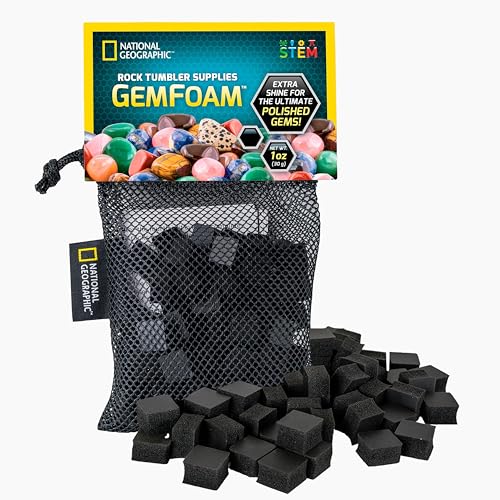
National Geographic GemFoam Reusable Rock Polisher

Replacement Rock Tumbler Barrel for National Geographic Tumblers

YHAspace 10 Pounds Rock Tumbler Grit Refill Kit
Meet The Standout Selections
Grit runs out faster than most newcomers expect, usually right in the middle of stage two. This Blue Marble refill bundle answers that problem by pairing fresh abrasive with three pounds of rough Madagascar rock, so a stalled project restarts the same afternoon it arrives.
The silicon carbide abrasive is rated to process roughly eight to ten pounds of stone across its life, which covers several full batches for a typical beginner drum. A measuring scoop and screw-top storage containers keep each grit stage separated, a small detail that prevents the classic mistake of cross-contaminating coarse and fine powder.
Key Advantages
- Rough rock comes bundled in, so you can start a new batch immediately instead of hunting for suitable stones.
- Silicon carbide abrasive handles multiple pounds of material before it wears out.
- Labeled containers with secure lids keep four grit stages organized on a shelf.
- Included scoop takes the guesswork out of dosing small drums.
Things To Consider
- Powdered grit is messy by nature; open containers over a tray and wipe rims before sealing.
- The rock assortment varies batch to batch, so finished colors may differ from photos.
Who Will Love This
Owners of National Geographic brand tumblers who want one box that restocks both abrasive and raw material at once.
A Better Fit Elsewhere
Tumblers running larger drums or non-Nat Geo machines will get more mileage from the YHAspace 10 Pounds Rock Tumbler Grit Refill Kit.
Most starter tumblers top out around two or three pounds of stone, which gets limiting fast once the hobby sticks. The Leegol Electric doubles that ceiling with a six-pound drum, giving families room to tumble beach finds and backyard quartz together in one run.
Setup stays deliberately simple: load rough rock, add the included walnut shell media, and let the motor turn for days. Walnut shell is a soft organic filler that cushions stones during polishing stages, and two half-pound portions come in the box alongside a spare timing belt and printed instructions. That spare belt matters more than it sounds, since belts are the part owners most commonly report replacing on budget machines.
The Good Stuff
- Six-pound capacity suits households where several people share one machine.
- A spare timing belt ships in the kit, covering the most frequent wear point.
- Walnut shell media is included, so polishing runs can start without extra purchases.
- Operation requires no programming; load, seal, and switch on.
Small Caveats
- Budget motors tend to run warm during long cycles, so give the unit ventilation and occasional rest breaks.
- You’ll still need to buy grit separately, unlike all-in-one kits such as the National Geographic refill.
Feature Rundown
Right Fit For
First-time users, especially parents running a shared weekend project with kids who each want their own stones in the barrel.
Where A Sibling Pick Shines
Anyone wanting consumables bundled with hardware should look at the National Geographic Rock Tumbler Grit Refill Kit instead.
Brand-specific grit kits lock you into one manufacturer’s ecosystem, and that gets annoying the moment a second tumbler joins the bench. WKTURN’s Set 2.0 sidesteps the issue entirely, marketing itself for use with any brand of rock polisher, glass, or gemstone material.
The sequence follows the standard four-stage path every tumbler owner learns early: coarse grit shapes raw stone, medium grit smooths scratches, pre-polish refines the surface, and final polish brings out gloss. Each stage arrives packaged separately, which keeps the progression foolproof even for someone running their very first batch.
A Few Strong Suits
- Universal compatibility means one purchase serves every tumbler in the house.
- Four clearly divided stages remove dosing confusion for newcomers.
- Works beyond rocks, extending to glass and gemstone projects.
Points To Note
- Quantity suits smaller drums best; heavy users may burn through coarse grit quickly.
- Store packets sealed and dry, since clumped grit loses cutting efficiency.
Quick Facts
Who Should Grab It
Hobbyists juggling more than one tumbler brand, or anyone tired of proprietary refill pricing.
Swap It Out When
High-volume users processing pound after pound should step up to the YHAspace 10 Pounds Rock Tumbler Grit Refill Kit for its larger supply.
A tumbler teaches patience, but identification is what turns a pile of shiny pebbles into actual geology knowledge. This JMW Sales collection pairs hundreds of genuine specimens from around the world with a hardcover earth-science book, giving young hobbyists context for everything their drum produces.
Two premium geodes come ready to crack open, which reliably becomes the highlight of the unboxing. The set also includes collection games, and it works equally well standalone or as an expansion for an existing shelf of finds. In our view, it’s the strongest gift option on this list for a curious kid whose interest goes deeper than the tumbler itself.
Practical Pluses
- Over 300 real rock, mineral, and crystal specimens provide sorting and identifying practice for months.
- The hardcover book grounds hands-on play in genuine earth science.
- Crack-open geodes deliver a memorable first discovery moment.
- Collection games add structure for siblings sharing the hobby.
Worth Bearing In Mind
- Specimen sizes skew small, so delicate handling and labeled storage jars help keep the collection intact.
- This is an educational companion, not tumbling equipment; pair it with a machine like the Leegol Electric 6LB.
Made For
Kids roughly elementary through middle school age who love sorting, naming, and displaying natural treasures.
Another Choice May Suit
Adults focused purely on polishing output will find more practical value in the National Geographic GemFoam Reusable Rock Polisher.
Even a well-executed four-stage grit cycle sometimes leaves stones looking clean rather than genuinely glassy. GemFoam exists for exactly that gap: a patent-pending foam media you tumble after the final polish cycle to push shine further than grit alone typically manages.
The appeal compounds over time because the foam is reusable across multiple projects rather than single-use like abrasive powder. One pack effectively becomes a permanent finishing tool in your rotation, which changes the cost math compared with buying polish repeatedly. Owners commonly report running it as a short bonus cycle once stage four completes, then rinsing and storing the pieces for next time.
What Helps Most
- Adds a fifth finishing pass that visibly deepens gloss on already-polished stones.
- Reusable design stretches one purchase across many batches.
- Requires no new equipment; it drops straight into an existing drum.
- Simple enough for kids to run as the final step themselves.
Less Ideal Details
- It supplements rather than replaces proper grit, so results depend on how well earlier stages went.
- Foam pieces need thorough rinsing and air drying between uses to stay effective.
At A Glance
Who It Suits Best
Perfectionists chasing display-quality finish on jewelry-bound stones, especially those already happy with their tumbler.
Reach For A Different Pick When
Complete beginners still building a base setup should prioritize the WKTURN 4-Step Grit Set before adding finishing extras.
Here’s a trick experienced tumblers swear by: never mix grit stages in the same barrel. Residual coarse particles hide in barrel scratches and seals, and a single leftover grain can scuff an otherwise flawless polish during the final cycle. This Discover with Dr. Cool replacement barrel solves that by giving you a second drum reserved exclusively for finishing work.
It fits National Geographic tumblers, so swapping barrels mid-project takes seconds rather than requiring a full wash-and-dry between stages. Beyond the dedicated-polish role, it doubles as insurance against cracked or worn original barrels, a failure mode long-term owners eventually face.
Strong Points
- A dedicated final-stage barrel eliminates cross-grit scratching, the most common cause of dull finishes.
- Direct compatibility with National Geographic machines keeps swaps quick.
- Serves as a backup if the original barrel cracks or warps over years of use.
Details To Watch
- Only useful alongside a compatible Nat Geo tumbler; other brands need their own parts.
- Barrel lids benefit from occasional inspection for wear, since a loose seal leaks slurry.
Core Details
Whose Shelf It Belongs On
Committed National Geographic tumbler owners running repeated batches who want cleaner finishes and a spare drum on hand.
Not Your Match When
Leegol Electric 6LB Machine owners should source parts specific to that unit instead.
Where the smaller WKTURN set suits casual batches, this YHAspace kit is built for volume. Ten pounds of media breaks down into generous allocations: two pounds each of coarse and medium silicon carbide, one and a half pounds each of fine pre-polish and aluminum oxide final polish, plus ceramic filler and a pound of polishing beads.
The grit grades follow industry-standard numbering, with 60/90 coarse for initial shaping, 180/220 medium for smoothing, 500 fine for refinement, and 1500 aluminum oxide for the mirror finish. Ceramic filler matters here too; it fills empty drum space so stones tumble against each other evenly instead of slamming around, protecting both the rocks and the barrel. Compatibility spans any brand of tumbler, and step-by-step guidance comes included.
Strengths Worth Knowing
- Ten total pounds of media sustains dozens of batches before reordering.
- Standardized grit grades match what serious hobby guides recommend.
- Ceramic filler and polishing beads arrive in the same box, covering the full cycle.
- Works with any tumbler brand you own now or buy later.
Factors To Consider
- Bulk packaging demands dry, sealed storage; damp grit cakes and loses cutting power.
- More supply than a casual user needs in a year, so smaller drums may justify the WKTURN set instead.
Technical Reference
Who Should Grab It
Regular tumblers running large drums or back-to-back batches who’d rather stock up once than reorder monthly.
Consider Something Else When
Occasional users with compact drums get better value from the National Geographic Rock Tumbler Grit Refill Kit.
What Matters Most Before Choosing Beginner Rock Tumblers
Capacity Should Match Your Routine
Drum size dictates everything downstream. A two-pound barrel suits a single curious kid, while a six-pound machine like the Leegol Electric handles family projects without constant batching. Bigger drums also demand more grit per cycle, which is why bulk refill kits pair naturally with larger machines.
Grit Quality Decides Your Finish
Silicon carbide does the cutting work in early stages, and aluminum oxide delivers the final gloss. Cheap or contaminated grit shows up as hazy stones no matter how long you tumble. Stick to clearly graded abrasives, and store every packet sealed away from humidity.
Plan For The Full Cycle
A complete polish takes weeks across four stages, not an afternoon. Factor in where the machine will run, since motors hum continuously for days at a time. A garage shelf or laundry room beats a bedroom dresser for most households.
Accessories Extend The Hobby
Spare barrels, reusable foam polishers, and specimen collections keep momentum going after the first successful batch. Budgeting a little for these extras upfront prevents the stall-out that ends many beginners’ interest.
Key Considerations Across These Picks
Traps First Timers Fall Into
The most common error is buying a tumbler without budgeting for grit refills, leaving the machine idle within weeks. Another frequent misstep is mixing grit stages in one barrel, which quietly ruins final polishes. Skipping ceramic filler in large drums is a third; unprotected stones chip each other instead of wearing smooth.
Where The Extra Money Goes
Higher-capacity drums, sturdier belts, and standardized grit grades separate durable setups from toy-grade ones. Paying up makes sense once tumbling becomes a weekly habit rather than a one-off school project, because replacement parts and quality media cost less over time than restarting with cheap gear.
Frequently Asked Questions
How long does a full rock tumbling cycle take?
A complete four-stage cycle typically runs three to six weeks total, with each stage lasting about a week. Patience is genuinely the main ingredient.
Can I reuse grit between batches?
Grit wears down as it cuts, so reusing it produces slower, weaker results. Fresh abrasive per stage gives consistently better finishes.
Do I need different grit for different types of rocks?
Harder stones like agate and jasper respond well to standard silicon carbide sequences. Softer materials may need gentler handling and shorter stage times.
Why do my tumbled rocks look cloudy instead of shiny?
Cloudiness usually traces back to skipped pre-polish stages or leftover coarse grit contaminating the final cycle. A dedicated polish barrel and a clean rinse between stages fix most cases.
Is rock tumbling safe for kids?
With adult supervision for loading grit and sealing barrels, tumbling is a well-established educational hobby. The main precautions involve keeping abrasive powder away from eyes and mouths.
Closing Thoughts
Start with a machine sized to your household, add a properly graded grit kit, and let the first batch teach you the rhythm of the hobby. From there, upgrades like a dedicated polish barrel or reusable foam finisher refine your results without reinventing your setup. Whichever combination fits your bench, the stones will do the rest.
