
Starting out with a serger means wrestling with threading, tension, and lint long before you finish your first clean seam. The right supporting gear takes most of that friction away. This roundup covers the tools, references, thread, and one standout machine that make the learning curve feel manageable instead of maddening.
The Essentials At A Glance

TISEKER Overlock Overcast Presser Foot

Serger Secrets: High-Fashion Techniques

YEQIN Overlock & Serger Service Kit 4-Piece

Cutex Pack of 12 Overlock Serger Threading Wires
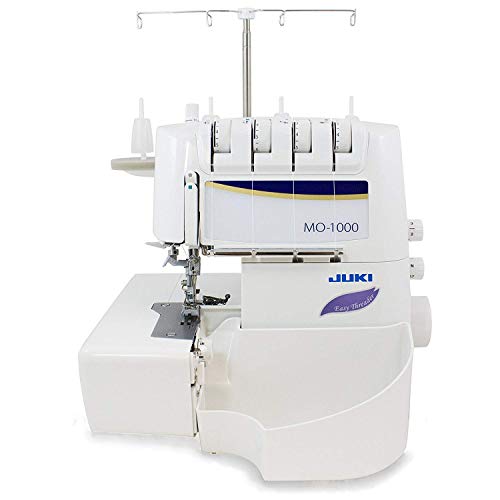
Juki MO-1000 Serger with Jet Air Looper Threader

HYFTHOME All Purpose Sewing Thread 4 Spools 1000 Yards

HYFTHOME All Purpose Sewing Thread 4 Spools 1000 Yards
Inside Each Recommended Option
Not everyone starts with a dedicated overlocker, and this little foot lets a standard sewing machine fake it convincingly. It guides fabric so the needle wraps thread around the raw edge while stitching the seam in one pass, which stops woven fabric from fraying in the wash.
The low-shank snap-on design suits a wide range of common machines, including many Singer models. For anyone hemming school clothes or finishing quilt edges on a budget, that’s a genuinely useful trick to have up your sleeve.
Real Benefits
- Overcasts and sews a seam simultaneously, so edge finishing no longer adds a second pass to every project
- Works with varying zigzag and overlock stitch widths, giving you flexibility across different fabric weights
- Locks thread around the fabric edge to keep seams from raveling through repeated laundering
- Low-shank snap-on mounting makes installation a matter of seconds on compatible machines
Small Caveats
- Compatibility varies by brand, so you’ll want to confirm your machine’s shank type before ordering
- The finished edge won’t match a true multi-thread serged seam in durability or stretch applications
Who Should Grab It
Sewists working on a regular sewing machine who want fray-resistant edges without buying a second appliance yet.
Where A Sibling Pick Shines
Once you’re finishing edges weekly, the Juki MO-1000 delivers genuine multi-thread overlocking that this foot can only approximate.
Most beginner serging books stop at threading diagrams. This title, written by Mary Griffin, pushes further into garment construction territory, covering techniques borrowed from ready-to-wear fashion production. It’s the kind of reference you grow into rather than out of.
As a digital edition, it travels well: the book reads on any device, so you can prop a tablet next to the machine mid-project. That convenience matters more than it sounds when your hands are full of fabric and you need a step confirmed quickly.
Notable Gains
- Goes beyond basics into high-fashion garment methods, giving the book a long useful life as skills improve
- Digital format works across devices, which keeps instructions visible right at the sewing table
- Fashion-design focus helps you understand why couture garments look cleaner inside than homemade ones
Points To Keep In Mind
- Some advanced techniques assume machine capabilities entry-level sergers may lack, so expect to skip certain sections early on
- Being text-first, visual learners may prefer supplementing it with video tutorials
Made For
Home sewists who already own a serger and want to move from basic seams toward polished, store-quality garment finishes.
Another Choice May Suit
Total newcomers still learning to thread their machine will get more immediate value from the Cutex threading wires before tackling technique literature.
Sergers generate lint at an alarming rate, and skipped maintenance is the number-one cause of skipped stitches. This four-piece kit from YEQIN bundles the exact hand tools routine servicing demands, sized for the tiny screws found on both overlockers and standard sewing machines.
The two screwdrivers cover different jobs: the smaller 2.8 mm tip reaches bobbin case tension screws, while the 4.5 mm driver handles general adjustments. Add a tweezer for extracting threads wedged in the feed dogs and a double-headed lint brush with bristles of differing firmness, and you’ve got a complete cleaning session in one small pouch.
Reasons It Performs
- Precision screwdriver sizes match the small fasteners on bobbin cases and needle plates that household tools can’t reach
- The tweezer pulls stubborn broken threads out of feed dogs, a common cause of feeding problems
- Dual-firmness brush heads let you sweep delicate race areas aggressively without damaging anything
- Works on both regular sewing machines and overlockers, so one kit serves your whole sewing corner
Worth Noting
- Small precision tips demand gentle handling; over-torquing tension screws is an easy mistake for first-timers
- You’ll still need to learn where each part lives on your specific model, since the kit ships without model-specific guidance
Key Specs
The Right Fit
Any serger owner who wants to handle basic upkeep themselves instead of paying for shop service every few months.
Swap It Out When
If threading, not cleaning, is your bottleneck, the Cutex threading wires address a more urgent frustration first.
Ask any new serger owner about their least favorite task and threading the loopers wins every time. Those hidden loopers sit in tight spaces with eyes too small to see clearly, let alone thread by hand. These brass twisted wires from Cutex turn a ten-minute squinting session into a thirty-second pull-through.
The method is simple: push the wire’s loop through the needle or looper eye, catch your thread in it, then draw everything back through. With twelve wires in the pack, losing one under the cutting blade stops being a crisis. They work across all overlock brands, which matters since looper designs differ quite a bit between manufacturers.
Advantages To Know
- Brass twisted-wire loops are stiff enough to push through tight looper eyes yet flexible enough not to bend permanently
- A dozen per pack means spares survive being misplaced, bent, or worn out over years of rethreading
- Universal fit across overlock machines removes any compatibility guesswork
- Cuts rethreading time dramatically, which directly lowers the barrier to switching thread colors often
Honest Caveats
- The wires are thin enough that rough handling can kink them, so a small storage case is worth keeping nearby
- They don’t help with tension dials or differential feed, the other two settings beginners struggle with
Who Will Love This
First-time serger owners dreading their next color change, and anyone whose eyesight makes tiny looper eyes a genuine obstacle.
Reach For A Different Pick When
Owners of the Juki MO-1000 may rarely need these, since its air-powered looper threading handles the job automatically.
Juki builds industrial-grade machines, and the MO-1000 brings that pedigree home with one feature that changes the beginner experience entirely: a push-button jet-air looper threader. Press the button and a burst of air shoots the looper threads through in seconds, eliminating the single hardest part of serging.
In a busy sewing room where you change thread colors between projects, that feature alone saves real time. The purple finish is a nice touch too, since most sergers look like office equipment. Compared to the manual approach the Cutex wires improve on, this machine simply removes the problem rather than easing it.
Bright Spots
- Jet-air looper threading automates the most frustrating step, making frequent color changes practical
- Juki’s reputation for durable, industrial-derived mechanisms suggests a machine built for years of regular use
- Push-button operation lowers the skill floor dramatically for anyone intimidated by four-thread setups
Things To Consider
- This sits at a much higher price point than accessories, so it’s an investment decision rather than an impulse add-on
- An air-threading system adds mechanical complexity, meaning eventual servicing should go through someone familiar with the platform
- Its footprint demands dedicated table space, unlike the pocket-sized tools elsewhere on this list
Feature Snapshot
Whose Shelf It Belongs On
Sewists committed to garment making long-term who’d rather invest once in a machine that erases the classic beginner frustrations.
Look Elsewhere When
Occasional menders testing whether serging fits their habits will find the TISEKER presser foot a far cheaper way to explore edge finishing.
Sergers eat thread. Four needles and loopers pulling simultaneously means a project consumes several times what a sewing machine would, so cheap, breakage-prone thread becomes expensive fast in wasted time. This HYFTHOME set offers four 1,000-yard spools of 100% polyester built to resist snapping and splitting under that workload.
Polyester also carries a slight stretch, which suits serged seams on knit garments better than brittle cotton thread does. At 4,000 total yards, one pack covers a surprising number of projects before restocking.
Positive Points
- Full polyester construction resists breaking and fraying during high-speed serging passes
- 1,000 yards per spool means fewer mid-project refills, especially welcome on four-thread setups
- Works across machine sewing, hand stitching, quilting, and serging, so leftovers never go unused
Details To Watch
- Four spools limit color variety, so larger palettes mean buying additional sets
- General-purpose weight may not suit specialty fabrics like leather or heavy denim
Key Product Details
Best Suited To
Budget-minded beginners stocking a starter serging setup who need dependable all-purpose thread in quantity.
Where Another Pick Suits Better
Crafters wanting brighter, more varied colors for decorative projects may prefer the alternate HYFTHOME set listed below.
Same brand, same 1,000-yard polyester spools, different color story. Where the previous HYFTHOME listing leans neutral, this variant opens up single-color and multicolor series, including vivid shades with extra sheen. Quilters and garment makers who care how a topstitched seam looks will notice the difference immediately.
The underlying thread shares the same durability profile: blended polyester with higher toughness that resists tearing and splitting at serger speeds. In practice, that means matching thread to fabric without sacrificing strength, something all-purpose cotton blends often force you to compromise on.
The Helpful Details
- Expanded color range, from basic neutrals like black, white, gray, and silver to bolder series, lets you match projects precisely
- Upgraded glossiness gives visible seams a cleaner, more finished appearance on garments
- Same 4,000-yard total capacity keeps long serging sessions interruption-free
Practical Considerations
- Color availability shifts between listings, so confirming your shade is in stock before planning a project saves headaches
- Like its sibling set, it’s a general-purpose weight rather than a solution for heavy-duty fabrics
Right Fit For
Quilters, garment sewists, and crafters who want dependable polyester performance with more personality than a neutral-only pack.
Consider Something Else When
Strictly utilitarian mending jobs cost less covered by the neutral-toned HYFTHOME set at position six.
What Matters Most Before Choosing Beginner Sergers
Match The Tool To Your Actual Machine
Accessories live or die on compatibility. The TISEKER foot needs a low-shank snap-on mount, and the YEQIN screwdrivers assume standard small fasteners. Before adding anything to your cart, check your machine’s shank type and screw sizes against the product details. Ten minutes of checking prevents a return shipment later.
Prioritize Your Real Bottleneck
Every beginner hits a different wall first. Some struggle with threading loopers, others with lint buildup, others with understanding what stitches to use. Buy for the problem costing you the most time today. Threading wires solve an immediate pain; a technique book pays off over months. There’s no wrong order, only mismatched timing.
Think In Terms Of Total Setup Cost
A serger alone doesn’t complete a workspace. Thread consumption runs high, maintenance tools are non-negotiable, and learning materials shorten the frustration phase considerably. Budgeting for the ecosystem, not just the machine, gives a far more accurate picture of what getting started actually requires.
Key Considerations Across These Picks
Traps First Timers Fall Into
The most common slip is buying premium gear before establishing a habit. An air-threading serger makes little sense for someone who hasn’t yet finished three projects. The opposite error hurts too: skimping on thread quality, then blaming the machine for skipped stitches caused by snapping bargain spools. Diagnose honestly before spending.
The Case For Spending Up
Higher-tier machines like the Juki MO-1000 charge for automation and build quality, not branding. Air looper threading converts a recurring frustration into a non-event, and sturdier internals hold calibration longer. For daily sewists, that reliability compounds. Weekend hobbyists get less return on the same money, at least initially.
Frequently Asked Questions
Do I need a serger to use an overcast presser foot?
No, that’s precisely its appeal. The TISEKER foot produces a serged-style edge on a standard sewing machine using zigzag or overlock stitches.
Why do sergers need special threading tools?
Looper eyes sit in cramped, hard-to-see positions inside the machine. Thin brass threading wires reach them easily where fingers and standard needle threaders cannot.
How often should I clean my serger?
Heavy use calls for a lint-out after every couple of projects. The YEQIN kit’s brush and tweezer handle the feed dogs and race area where debris collects fastest.
Is polyester thread suitable for all serging?
For garments, knits, and everyday sewing, yes. Specialty materials like leather or upholstery canvas call for heavier dedicated threads.
Are beginner serging books still useful with video tutorials everywhere?
Books like Serger Secrets organize techniques systematically in a way scattered videos don’t. Many sewists use both, keeping the book open beside the machine for structured reference.
Closing Thoughts
Building a serging setup is really about removing obstacles one at a time. Start with the fix for whatever frustrates you most this week, whether that’s threading, cleaning, or edge finishing on a standard machine. Each tool here earns its place by solving one problem well. Take them in whatever order your projects demand, and the learning curve flattens faster than you’d expect.
