
Learning to sew shouldn’t feel like assembling furniture in the dark. The right starter machine handles hems, mending, and first garment projects without fighting you at every turn of the dial. This roundup covers five machines suited to new sewists, plus two carrying cases that make classes and craft groups far less of a hassle. Each pick below was chosen for straightforward controls, sensible stitch sets, and real-world portability rather than flashy extras you’ll never touch in year one.
The Leading Options At A Glance

Brother XM3700 Sewing Machine, 37 Stitches

Brother SM1400 14-Stitch Sewing Machine

SINGER M1150 Lightweight Portable Sewing Machine (Black)
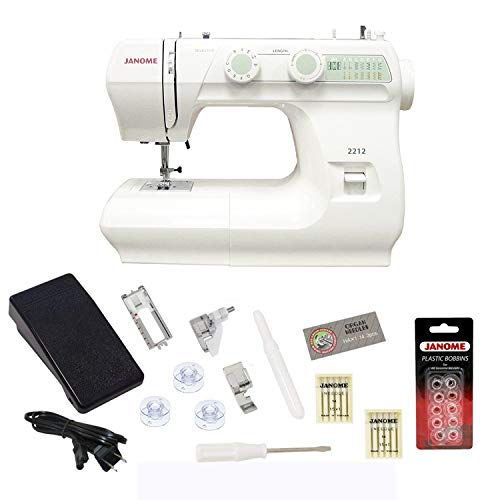
Janome 2212 Sewing Machine Bonus Bundle

Brother FB1757X Mechanical Sewing Machine

Anitor Rolling Sewing Machine Case with Wheels
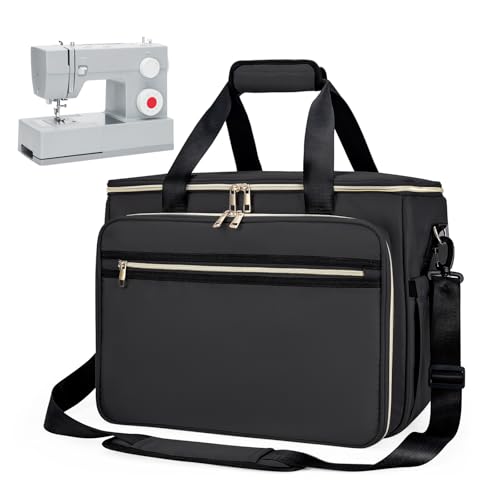
Anitor Sewing Machine Carrying Case
A Deeper Look At The Lineup
Most starter machines top out around a dozen stitches, so the XM3700’s 37 built-ins give you room to grow before an upgrade ever enters the conversation. Garment construction, decorative topstitching, heirloom work, and simple quilting all sit within reach on this one chassis.
The accessory loadout matters too. Five presser feet ship in the box, including options for zippers, blind hems, buttons, and buttonholes, and there’s onboard storage to keep them from wandering off. Compared with the leaner Brother SM1400 below, this is the model you buy once and outgrow slowly.
Benefits That Matter
- 37 stitch options cover utility, stretch, and decorative work, so your second-year projects won’t demand a new machine.
- Zigzag, zipper, blind stitch, buttonhole, and button-sewing feet arrive included, saving separate purchases.
- A built-in compartment keeps bobbins and feet organized between sessions.
- Suits quilting and heirloom stitching that basic menders can’t handle cleanly.
Things To Consider
- The wider feature set means more dials and settings to learn than a bare-bones mender, which can slow absolute first-timers down.
- Owners commonly report that plastic bobbin covers need gentle handling during cleaning to avoid cracking over time.
Who Will Love This
A confident beginner who already knows hemming basics and wants decorative and quilting capability without paying mid-tier prices.
Another Choice May Suit
Total newcomers who want fewer decisions at the dial will find the Brother SM1400’s 14-stitch layout less intimidating.
This is the machine for someone whose sewing life looks like torn pajama seams, curtain hems, and the occasional zipper repair. Fourteen stitches handle blind hems, stretch fabrics, buttonholes, and zipper insertion, which covers nearly everything household mending throws at you.
Despite the full-sized working area, it stays light enough to carry from a closet shelf to the kitchen table and back. Stitch changes happen with one dial turn, and tension adjustment follows the same plain-language approach. Where the XM3700 rewards ambition, the SM1400 rewards consistency.
The Value In It
- Dial-based stitch selection means no menus or screens, just turn and sew.
- Stretch stitches let you mend knits like t-shirt fabric without skipped seams.
- Full-sized bed with a carry-friendly weight suits apartment dwellers short on dedicated craft space.
- Buttonhole and zipper functions handle repairs most entry machines skip.
Worth Noting
- Fourteen stitches won’t satisfy decorative ambitions once skills advance past utility sewing.
- As with most lightweight frames, owners suggest sewing slower on thick denim layers to keep stitches even.
At A Glance
Right Fit For
Renters, students, and anyone whose goal is fixing clothes rather than making them from scratch.
Where Another Pick Suits Better
Growth-minded sewists planning garments and quilts should step up to the Brother XM3700 instead.
Threading trips up more beginners than any other step, and SINGER built the M1150 around fixing exactly that. Printed guides walk the thread path clearly enough that setup stops being a thirty-minute ordeal before your first seam.
The matte black body reads more vintage than plastic-y, which sounds cosmetic until you realize you won’t mind leaving it visible in a small apartment. It moves easily between rooms, rides along to workshops, and tucks into a closet afterward. Accessories come bundled, so the kit feels complete on day one.
Points In Its Favor
- Follow-along threading guides cut setup time dramatically for first-time users.
- Compact footprint fits studio apartments, dorms, and shared craft tables.
- Included accessories mean you can start sewing without a separate shopping trip.
- Low weight makes weekly class attendance realistic rather than a chore.
Small Caveats
- Portability comes with a lighter frame, so very heavy fabrics may test its limits compared with heavier mechanical models.
- The compact size leaves less flatbed surface for guiding large quilt tops.
Made For
Class attendees and small-space dwellers who value quick threading and grab-and-go portability over raw power.
Reach For A Different Pick When
Sewists wanting dial-driven mechanical control and bundled extras may prefer the Janome 2212 covered next.
Janome has a long-standing reputation for sturdy mechanical builds, and the 2212 carries that into entry-level territory. Twelve stitches, adjustable zigzag width, and independent stitch length control give you genuine command over seam quality rather than preset-only behavior.
Two features deserve special mention. The drop-feed function lets you lower the feed dogs, the little teeth that pull fabric through, which opens the door to free-motion quilting later on. And the removable sleeve arm makes cuffs and children’s clothing far easier to rotate under the needle. The bonus bundle adds accessories many rivals charge extra for.
The Good Stuff
- Adjustable stitch width and length teach fundamentals that preset machines hide from you.
- Drop-feed capability supports free-motion quilting as skills develop.
- Detachable sleeve arm simplifies tubular sewing like cuffs and hems.
- Four-step buttonhole keeps a tricky task predictable.
- Bonus bundle supplies useful extras out of the box.
Points To Note
- All-mechanical operation means no automatic needle threader, so expect a learning curve there.
- Twelve stitches trail the Brother XM3700’s decorative range considerably.
Quick Facts
Who Should Grab It
Sewists who want to genuinely learn machine mechanics while tackling their first garment or quilt project.
Swap It Out When
Shoppers prioritizing sheer stitch count and modern conveniences will get more range from the Brother XM3700.
Evening sewers, take note: the FB1757X lights its work area with an LED, which sounds minor until you’re unpicking a seam at 9 p.m. under kitchen lighting. Seventeen built-in stitches split the difference between the SM1400’s utility set and the XM3700’s expansive library.
Controls stay refreshingly analog. A four-step buttonhole, a reverse reinforcement lever, and a detachable sleeve arm cover the tasks beginners actually attempt in month one. Nothing here demands an app or a manual marathon, and that restraint is the appeal.
Why It Works Well
- LED lighting keeps needle and fabric clearly visible in dim rooms.
- Reverse lever lets you lock seams instantly, a habit worth building early.
- Seventeen stitches balance utility and light decoration for growing skills.
- Removable sleeve arm handles cuffs, sleeves, and narrow hems cleanly.
Details To Watch
- No automatic thread cutter or needle threader appears in the spec sheet, so trimming stays manual.
- Mechanical dials require periodic light oiling and lint clearing to run smoothly, per standard ownership practice.
Feature Snapshot
Whose Shelf It Belongs On
Newcomers who sew after work or school and want forgiving controls with just enough variety to stay interested.
Not Your Match When
Quilt-curious learners who need drop-feed functionality will find the Janome 2212 better equipped.
Hauling a machine to weekly classes by hand gets old fast, and this wheeled Anitor case exists to end that. Rigid board panels reinforce the front and back walls, two fastening straps hold the machine steady inside, and a removable bottom pad cushions heavier models against bumps.
The exterior fabric resists dust and water and wipes clean after a rainy parking lot. For anyone juggling a machine, fabric, and notions across town, it behaves like luggage built specifically for the job.
A Few Strong Suits
- Wheels eliminate lifting, protecting both your back and the machine.
- Hardboard front and back panels shield against impacts in transit.
- Two internal straps prevent shifting during car rides.
- Water-resistant outer shell cleans with a damp cloth.
Factors To Consider
- Rolling cases take up more floor space than soft bags, worth measuring against your storage spot first.
- Owners note checking wheel alignment periodically keeps rolling smooth over curb edges.
Product At A Glance
Who It Suits Best
Class regulars and guild members transporting full-size machines by car or transit every week.
Consider Something Else When
Anyone storing rather than traveling should look at the lighter Anitor Carrying Case reviewed below.
Strip away the wheels and you get this simpler sibling: a padded nylon tote sized for standard machines at roughly 16.5 by 11 by 12.5 inches outside. The same protective thinking applies, with a removable bottom pad and rigid front-to-back boards guarding against knocks.
It shines as closet armor. Dust and moisture stay off the machine between projects, the shell wipes clean, and the whole thing slides onto a shelf where a roller wouldn’t fit. Occasional class-goers can still carry it comfortably by hand.
What Pays Off
- Standard sizing fits most full-size home machines without wasted bulk.
- Removable bottom pad adds shock absorption for heavier units.
- Nylon shell blocks dust and resists moisture during storage.
- Flat profile shelves neatly in closets and under beds.
Less Ideal Details
- No wheels means longer walks to class fall entirely on your shoulder.
- Inner capacity runs snug, so oversized industrial models won’t fit, per the listed inner dimensions.
Essential Details
The Right Fit
Apartment sewists who store their machine between weekend projects and only occasionally travel with it.
Look Elsewhere When
Weekly commuters dragging a heavy machine across campus will appreciate the wheeled Anitor Rolling Case far more.
What Matters Most Before Choosing Beginner Singer Sewing Machines
Match The Machine To Your Actual Projects
Utility mending needs little more than straight, zigzag, and buttonhole stitches. Garment sewing rewards adjustable width and length controls. Quilting demands drop-feed capability. Write down three projects you realistically want to finish this year, then buy against that list rather than a spec sheet.
Weight And Footprint Decide Daily Use
A fifteen-pound machine that lives on a shelf gets used more often than a twenty-five-pound one buried in a closet. Measure your available table or desk space first, then confirm the machine’s footprint fits with room to guide fabric on both sides of the needle.
Mechanical Simplicity Beats Feature Overload Early
Dial-based stitch selection teaches cause and effect. Every setting you change produces an immediate, visible result, which builds skill faster than menu diving. Save computerized convenience for your second purchase, once you know which features you’d actually use.
Plan For Protection From Day One
Dust is the quiet killer of home machines. A fitted cover or one of the Anitor cases above costs little and extends the interval between cleanings considerably, especially in households with pets or open windows.
Key Considerations Across These Picks
Traps First Timers Fall Into
The classic error is buying maximum stitch count for a machine that will spend its life doing straight seams. Overspending on features you can’t yet evaluate leads to frustration, not progress. The opposite trap is equally real: choosing a toy-grade mini machine that chews knits and skips stitches, then blaming yourself. Stick to full-size, brand-backed models in this lineup and you sidestep both.
The Upgrade Payoff
Higher-tier machines earn their cost through metal internals, smoother motors, and adjustability that grows with you. Adjustable stitch width and length, drop-feed modes, and LED work lighting all show up in the upper half of this list. Pay more once you’ve confirmed sewing is a habit, not a phase. Until then, the budget picks here will carry you further than you’d expect.
Frequently Asked Questions
How many stitches does a beginner actually need?
Ten to fifteen covers hems, mending, buttonholes, and basic knits comfortably. Extra decorative stitches matter only once garment or quilting projects enter your plans.
Are lightweight machines harder to sew on?
They vibrate slightly more at high speed on thick fabric, so slowing down solves most issues. For denim and multiple layers, a heavier frame helps.
Do I need a carrying case?
Only if you attend classes or move the machine regularly. For stationary home use, a dust cover does the same protective job at lower cost.
What maintenance do these machines require?
Brush out lint from the bobbin area after every few projects and oil only where the manual directs. Annual professional servicing keeps timing accurate.
Can a beginner machine handle quilting?
Basic piecing works on any model here. Free-motion quilting specifically requires drop-feed capability, which points you toward the Janome 2212.
Closing Thoughts
Every machine in this roundup removes a different barrier between you and finished projects. The Brother XM3700 buys headroom, the SM1400 nails everyday mending, the SINGER M1150 travels well, the Janome 2212 teaches real technique, and the FB1757X lights up late-night sessions. Pair whichever fits your habits with the right Anitor case and you’re set for a full year of learning. Start with the project in mind, not the spec sheet, and the choice tends to make itself.
