
Starting violin as an adult is humbling in the best way. Your fingers ache, your bow wanders, and the first week sounds nothing like the recordings that inspired you. The right starter instrument softens that curve: a violin that stays in tune, arrives set up properly, and comes with everything you need so practice happens instead of shopping. That’s what this list focuses on. Each outfit below suits a different kind of adult learner, from the cautious first-timer to the returning player who wants more wood under the chin.
The Choices Worth Comparing
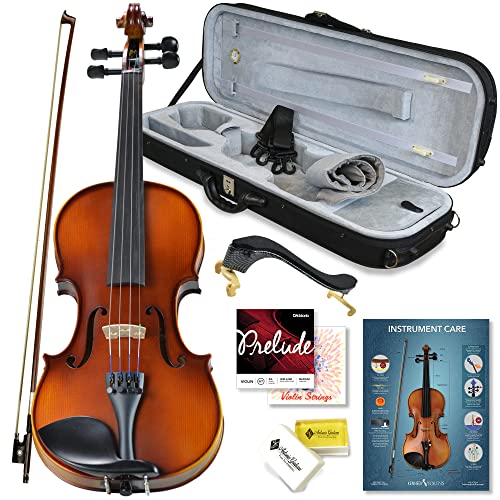
Bunnel Pupil Violin Outfit 4/4 Full Size by Kennedy Violins

Vangoa 4/4 Full Size Black Acoustic Violin Kit
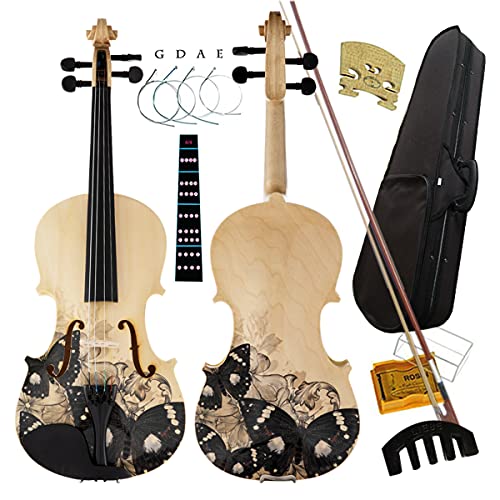
Aliyes Distinctive Artistic Violin Set (4/4 Full Size)
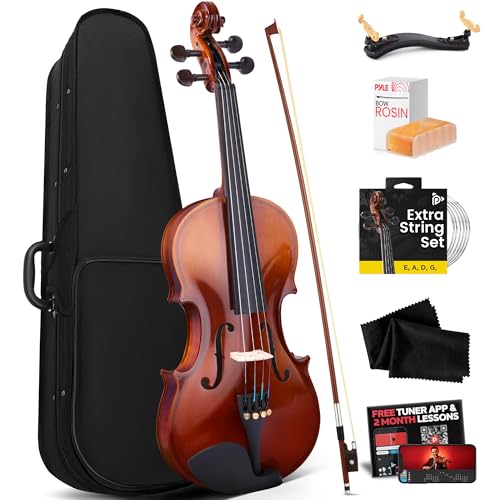
Pyle 4/4 Full Size Acoustic Violin Set with App Tuner & Lessons

Pyle 4/4 Full Size Acoustic Violin Set with App Tuner

PHOENIX Violin 4/4 Full Size Kit with Rosewood Bow

PHOENIX Violin 4/4 Solid Wood Set with Two Bows
A Breakdown Of The Leading Choices
Kennedy Violins runs an actual string-shop operation behind this outfit, and that shows in how the Bunnel Pupil reaches your door. The body uses solid maple with ebony fittings, materials usually reserved for pricier student instruments, and the included Giuliani Brazilwood bow plus rosin means you can tune up and start the same evening.
For adults juggling work and lessons, the backing matters most. The brand’s support team fields setup and string questions, which removes a lot of early frustration.
Practical Pluses
- Solid maple construction gives better resonance than laminate bodies at this level
- Ebony fingerboard and fittings resist wear from daily practice sessions
- Complete outfit includes case, Brazilwood bow, and rosin, so no separate purchases
- Responsive customer service helps with tuning and setup questions
Things To Consider
- New strings stretch for the first week or two, so expect frequent retuning early on
- The included bow benefits from occasional rehairing after heavy use
Key Specs
Who It Suits Best
Adults starting lessons who want a shop-supported instrument they won’t outgrow in six months.
A Better Fit Elsewhere
Players chasing a distinctive look over traditional finish should weigh the Aliyes Distinctive Artistic Violin Set instead.
Most starter violins wear the same amber varnish, which makes the Vangoa’s matte black finish genuinely refreshing on a music stand. Underneath the paint sits a spruce top, the standard tonewood choice, tuned toward a clear, bright voice that cuts through in small rooms.
The finely cut tuning pegs turn smoothly, and that detail matters more than beginners expect. Sticky pegs are the number one complaint among new players, and smooth gearing makes daily tuning less of a fight. Compared with the Bunnel Pupil’s traditional look, this one reads modern, almost electric-violin adjacent.
Practical Advantages
- Spruce top produces a clear, balanced sound suited to home practice
- Smooth-turning pegs make frequent beginner retuning far easier
- Black finish hides fingerprints and scuffs between cleanings
- Full kit format covers the essentials without extra shopping
Worth Noting
- The dark finish shows dust and rosin buildup faster than lighter varnishes, so wipe the body down after sessions
- Tone leans bright, which some ears find thin next to warmer solid-maple rivals
Right Fit For
Adult learners who want their instrument to look as individual as their reasons for picking it up.
Where A Sibling Pick Shines
Traditionalists who prefer classic amber styling will feel more at home with the Kennedy Violins Bunnel Pupil.
Confidence is a real factor in whether adults stick with violin, and Aliyes leans into that with a hand-finished artistic surface rather than the usual factory varnish. The brand applies its pigment treatment directly into the wood, so the design reads as part of the instrument instead of a sticker laid on top.
Practically, the set ships with a hard case, bow, and spare strings, covering the three things every new player eventually needs. Where the Vangoa goes sleek and black, this one goes expressive, and owners commonly report it sparks conversation at group lessons.
Strengths Worth Knowing
- Pigment-bonded artwork resists chipping better than painted finishes
- Hard case protects the instrument during commutes to lessons
- Spare strings in the box save a mid-week panic when one snaps
- Distinctive appearance keeps motivation high during the awkward early months
Small Caveats
- The artistic finish narrows resale appeal compared with conventional violins
- Setup quality out of the box varies, so a luthier check may be worthwhile
Feature Snapshot
Made For
Adult students who want an instrument with visible personality and don’t mind trading tradition for it.
Swap It Out When
Players planning to join orchestras or resell later will get more mileage from the PHOENIX solid wood set.
Teaching yourself violin without a teacher is doable but lonely, and Pyle addresses that directly by bundling two months of app-based lessons alongside a mobile tuner. For self-directed adults, that structure can be the difference between a habit and a closet ornament.
The build uses a plywood body dressed in flamed veneer, with a dyed hardwood fingerboard, carbon fiber tailpiece, and ebonized pegs. It arrives professionally set up and ready to play, which spares you the bridge-installation ritual some kits demand. Next to the PHOENIX kit below, the materials are simpler, but the learning support fills a gap those sets leave open.
The Value In It
- Two months of guided app lessons give solo learners real structure
- Mobile app tuner simplifies daily pitch checks
- Ships professionally set up, playable straight from the case
- Carbon fiber tailpiece holds tuning stability well
Points To Note
- Plywood body with veneer won’t resonate like the solid-wood picks higher on this list
- Dyed hardwood fingerboard wears faster than genuine ebony under heavy practice
Details At A Glance
Who Will Love This
Self-taught adults who want built-in lessons and a tuner without buying anything separately.
Another Choice May Suit
Players who already have a teacher and care about tonewood should step up to the PHOENIX 4/4 kit.
This is the sibling of the Pyle set above, sharing the same plywood-and-flamed-veneer body, carbon fiber tailpiece, ebonized pegs, and glossy-smooth finish. The difference comes down to the bundle: you still get the mobile app tuner, hard foam triangle case, bow, extra strings, and rosin, minus the two-month lesson program.
For adults who already know they’ll take in-person lessons or follow a YouTube curriculum, dropping the app content makes sense. The gloss-heavy finish, roughly ninety percent gloss by the maker’s description, wipes clean easily after rosin-dusty practice sessions.
Positive Takeaways
- Complete accessory kit covers case, bow, strings, and rosin in one purchase
- App tuner handles pitch checks from day one
- Glossy finish cleans quickly with a dry cloth
- Arrives set up and ready, no assembly required
Less Ideal Details
- Without the lesson bundle, total beginners carry more of the learning load themselves
- Same veneer-over-plywood ceiling on tone as its sibling
Whose Shelf It Belongs On
Hobbyist adults with a teacher or course lined up who just want dependable gear in one box.
Reach For A Different Pick When
Complete novices without any instruction plan should choose the lesson-bundled Pyle version above instead.
Nobody wants to discover mid-practice that they’re missing a shoulder rest, and the PHOENIX kit closes that gap entirely. Alongside the spruce-top, maple-back body, you get a rosewood bow, spare strings and bridge, two rosins, a tuner, mute, case, fingerboard stickers, and a shoulder rest.
The setup story is equally friendly: the bridge comes pre-installed, strings pre-adjusted, and the bow pre-rosined. Fingerboard stickers deserve special mention for adults, since they mark note positions visually while muscle memory develops. Against the Pyle sets, this one trades bundled lessons for genuinely better materials and a fuller accessory bench.
Key Advantages
- Spruce top with maple back and sides delivers clear, balanced tone
- Ebony fingerboard, pegs, and chin rest hold up to daily use
- Pre-installed bridge and pre-rosined bow mean zero setup work
- Fingerboard stickers accelerate early note-learning
- Mute enables quiet late-night practice in apartments
Factors To Consider
- The sheer accessory count can overwhelm someone who prefers minimal gear
- Rosewood bow hair needs re-rosining regularly during the first weeks
Quick Facts
Who Should Grab It
First-time adult players starting from zero gear who want every accessory handled upfront.
Not Your Match When
Returning players focused purely on tone quality will prefer the alpine-wood PHOENIX set below.
This is the step-up option in the PHOENIX line, built around carefully selected alpine spruce and maple in the spirit of old Italian workshop traditions. The maker specifies knot-free, repair-free wood with even vertical grain, and that grain consistency is what gives a violin its sensitivity across the dynamic range.
Two bows ship in the box, an ironwood octagonal stick and a rosewood stick, letting you feel how bow weight changes your sound. Compared with the feature-stacked kit above, this set trims the stickers and shoulder rest but invests where it counts: the wood itself. Adults past the first year of lessons will hear the difference.
The Good Stuff
- Alpine spruce and maple offer noticeably richer resonance than entry laminates
- Two bows let you compare response and find your preference
- Hand-worked construction targets sensitive, even pronunciation
- Spare strings, bridge, rosins, tuner, mute, and case round out ownership
Trade Offs To Consider
- Solid tonewood reacts to humidity swings, so indoor storage away from radiators matters
- Fewer beginner aids than the kit version, assuming you’ve moved past stickers
Core Details
Built With In Mind
Committed adult learners past the scratchy stage who want an instrument that grows with their ear.
Consider Something Else When
Total newcomers wanting training aids and a shoulder rest included should stay with the PHOENIX kit at position six.
What Matters Most Before Choosing Beginner Violins For Adults
Tonewood Beats Everything Else
The single biggest tonal divider on this list is solid wood versus plywood. Spruce tops vibrate freely and project, while maple backs add depth, and both materials improve as the instrument opens up over months of play. Veneered bodies like the Pyle sets keep costs down and resist cracking, but they cap how good the instrument can ever sound. Adults planning to play beyond year one should prioritize solid construction first.
Setup Quality Decides Your First Month
A poorly fitted bridge, sticky pegs, or unrosined bow can make a decent violin feel impossible. Look for outfits that arrive professionally set up, as the Bunnel Pupil and both PHOENIX models do. Budget a possible luthier visit otherwise, since a basic setup often transforms playability more than any accessory ever will.
Accessories Add Up Faster Than Expected
Rosin, spare strings, a tuner, a shoulder rest, and a mute are all near-certain purchases within your first season. Bundles like the PHOENIX kit save several trips and a fair amount of money. Solo learners without a teacher should also weigh bundled lesson content seriously, because structure keeps practice consistent.
Key Considerations Across These Picks
Traps First Timers Fall Into
Chasing the lowest cost usually backfires here. Ultra-cheap violins often arrive with warped bridges and pegs that slip within minutes, killing motivation fast. Another common slip is ignoring size: nearly all adults need 4/4 full size, so double-check before ordering anything smaller.
The Upgrade Payoff
Higher-tier instruments spend their extra cost on tonewood, hand fitting, and better bows. That translates directly into a warmer voice and easier response, which matters once your ear develops. Paying up makes sense around the six-month mark of steady practice, not necessarily on day one.
Frequently Asked Questions
Do adults really need a full-size 4/4 violin?
Most do, since arm length in adulthood almost always matches the 4/4 scale. Only smaller-framed players occasionally suit a 3/4, and a teacher can confirm in minutes.
How long before a beginner violin sounds good?
Expect rough tone for the first few weeks while bow control develops. Most adults produce a recognizable, pleasant sound within two to three months of regular practice.
Is a bundled outfit better than buying pieces separately?
For first-timers, bundles win on convenience and cost coherence. Separate purchases only make sense once you know your preferences in bows and cases.
How often do beginner violins need maintenance?
Retune before most sessions, since new strings stretch constantly at first. An annual checkup with a luthier keeps the bridge, pegs, and soundpost healthy.
Can I learn violin without a teacher?
Apps and video courses can carry you surprisingly far through fundamentals. A few in-person lessons early on, though, correct posture and bow-hold habits before they harden.
Closing Thoughts
Every instrument here can carry you through your first year honestly. Match the pick to your situation: shop-backed reliability with the Bunnel Pupil, built-in lessons with either Pyle set, or tonewood headroom with the PHOENIX line. Whichever you choose, the practice habit matters far more than the label inside the case. Pick one, tune it up, and let the first squeaky week be part of the story.
