
Learning to sew shouldn’t feel like wrestling a machine built for a factory floor. The right starter model handles hemming, mending, and first garment projects without fighting you on tension or threading. This list covers seven machines that keep the learning curve gentle, from full-size workhorses to palm-sized portables you can stash in a dorm drawer.
A Snapshot Of The Selections

Brother XM3700 Sewing Machine with 37 Stitches

Brother FB1757X Mechanical Sewing Machine

Ninonly Mini Portable Sewing Machine with 12 Stitches

SINGER 4411 Pink Heavy Duty Sewing Machine
Stoigeld SM-725 Portable Sewing Machine Kit
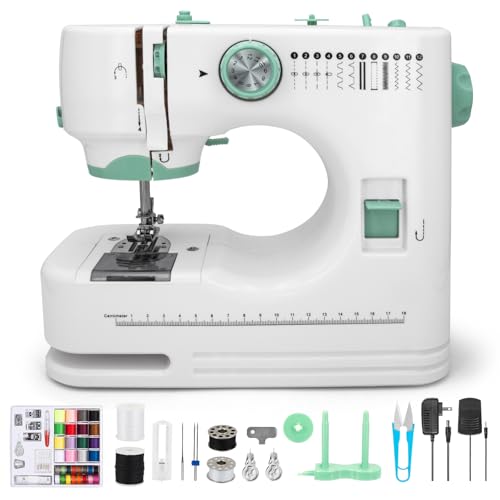
Xamanabu Beginners Sewing Machine with 12 Stitches & 6 Feet

Marirao Portable Mini Sewing Machine Kit
A Closer Look At Each Pick
Most starter machines top out around a dozen stitch options, which gets limiting fast once hems turn into quilts. The XM3700 skips that ceiling entirely with 37 built-in stitches spanning utility, decorative, and heirloom work. You won’t outgrow it by month three.
The five included presser feet cover the jobs beginners actually hit: zippers, blind hems, buttons, and buttonholes. A built-in storage compartment keeps those feet from wandering off into a junk drawer.
The Helpful Details
- 37 stitches mean garment construction, quilting, and decorative topstitching all stay on one machine.
- Zigzag, zipper, blind stitch, buttonhole, and button sewing feet arrive in the box, so no separate shopping trip.
- Onboard accessory storage keeps small parts organized between sessions.
- A sensible step up from basic models like the Brother FB1757X without jumping to industrial territory.
Things To Consider
- More stitches means more settings to learn, so expect a slower first week than with a bare-bones model.
Key Specs
Who It Suits Best
Committed beginners who want one machine to carry them from first pillowcase through early quilting projects.
Where Another Pick Suits Better
Total newcomers who want fewer dials may prefer the simpler Brother FB1757X instead.
Where the XM3700 leans ambitious, the FB1757X keeps things deliberately simple. Seventeen built-in stitches cover garments, accessories, and home décor without burying you in options. It’s the kind of machine you can learn on an evening.
An LED-lit work area makes a real difference when you’re threading needles at night or tracing seam lines on dark fabric. The free arm lets you sew cuffs and pant hems in the round, something flat-bed-only machines make awkward.
Bright Spots
- LED lighting brightens the needle area, reducing eye strain during evening sessions.
- Free arm design handles sleeves, cuffs, and children’s clothing easily.
- Reverse button locks seams at the start and end so stitching doesn’t unravel.
- Four-step buttonhole walks you through the process slowly, which suits nervous first-timers.
Worth Noting
- Seventeen stitches is plenty for basics but tighter than the XM3700 once decorative work enters the picture.
- Owners commonly report mechanical models like this need occasional cleaning around the bobbin case to stay smooth.
Made For
First-time sewists who want a no-drama machine for everyday mending and simple garment projects at home.
Consider Something Else When
Quilters and decorators will get more mileage from the Brother XM3700’s larger stitch library.
Dorm rooms, RV trips, and shared apartments rarely have space for a full-size machine. This Ninonly mini is small enough to live on a desk corner, and a built-in handle makes it genuinely grab-and-go rather than technically portable.
The dual power setup is the standout: run it off an AC adapter at home or batteries anywhere else. Twelve stitches handle quick repairs and small fabric projects, though you’ll want realistic expectations about heavy workloads.
Features That Help
- Battery operation means sewing works where outlets don’t, from campsites to backseats.
- Compact footprint fits desks and shelves that couldn’t hold a standard machine.
- Carry handle turns quick-mending runs into a one-handed errand.
Small Caveats
- Mini frames generally struggle with thick layers, so denim hems may test its limits.
- Battery-powered sewing drains cells quickly on longer sessions, per common owner feedback, so keep spares handy.
Right Fit For
Students and travelers who need occasional repairs done anywhere, not a dedicated crafting station.
Look Elsewhere When
Anyone planning weekly garment sewing will find the Stoigeld SM-725’s home-base design more comfortable.
Most beginner machines flinch at denim. The 4411 doesn’t, thanks to a stronger motor and a stainless steel bedplate that lets heavy fabric glide instead of snagging. At up to 1,100 stitches per minute, it’s also fast, which experienced hands will appreciate more than day-one learners.
The pink finish is a limited-edition touch that stands out in a sea of white plastic. Accessories come bundled, so the machine arrives ready for real projects rather than sitting half-equipped.
Everyday Advantages
- Powerful motor pushes through denim, canvas, and layered seams that stall lighter machines.
- Stainless steel bedplate reduces friction on tough fabrics.
- High stitch speed finishes long straight seams quickly.
- Included accessories round out the setup for immediate use.
Points To Note
- That speed can intimidate brand-new sewists; starting slow takes deliberate throttle control.
- Heavy-duty construction adds weight, so it’s a stay-put machine rather than a portable one.
Quick Facts
Who Will Love This
Confident beginners tackling upholstery repairs, denim, and outdoor gear who need muscle over frills.
Not Your Match When
Delicate-fabric sewists working on light cottons may find the Ninonly mini or Stoigeld SM-725 better matched.
Starting to sew usually means three shopping carts: machine, fabric, thread. The SM-725 collapses that into one purchase with 20 pieces of fabric and 32 spools of thread bundled alongside the machine itself. For gift-giving, that completeness is hard to argue with.
At roughly 10.3 by 9.5 inches and 4.2 pounds, it’s easy to carry between rooms or store on a shelf. Two speed settings let learners crawl before they jog, and twelve built-in stitches cover everyday repair work.
Benefits That Matter
- The fabric and thread kit removes the guesswork of buying supplies separately.
- Low/high speed switch gives beginners a controlled pace before committing to pedal-style control.
- Lightweight body moves easily and stores in tight spaces.
Softer Spots
- The manufacturer specifies this as a light-fabric machine only; thin cotton, linen, and similar weaves are the intended diet, and thick materials are off the menu.
- It’s explicitly a household unit, not a commercial or heavy-duty tool, so project scope stays modest.
Core Details
Perfect Match For
Gift-givers and classroom settings where a complete, ready-to-sew package matters more than raw power.
Swap It Out When
Denim and canvas projects call for the SINGER 4411’s heavier build instead.
Foot pedals trip up a surprising number of new sewists; coordinating hands and feet is its own skill. This Xamanabu sidesteps that with dual control: a push-button mode offering low and high speeds, or a traditional pedal for gradual adjustment. Learners can start button-driven and graduate to the pedal later.
Six presser feet expand what the twelve stitches can tackle, from zippers to specialty finishes. That’s a wider accessory spread than most machines at this level ship with.
Practical Pluses
- Button operation with two fixed speeds removes the foot-hand coordination hurdle entirely.
- Pedal mode offers progressive speed control once confidence builds.
- Six included feet cover zippers, buttons, and detail work without extra purchases.
- Twelve stitches span the everyday repair and craft range.
Honest Caveats
- Switching between control modes takes a little practice, and some owners report a short adjustment period.
- Like most compact household units, very thick fabric stacks sit outside its comfort zone.
Built With In Mind
Timid first-timers, teens, and anyone whose coordination prefers buttons over pedals in a home setting.
Another Choice May Suit
Shoppers wanting a bigger stitch library should compare the Brother XM3700’s 37 options.
The Marirao goes even further on supplies than the Stoigeld SM-725, bundling 50 pieces of fabric and 32 thread spools with the machine. That’s enough material for a season of practice swatches, small crafts, and trial-and-error learning without a single extra errand.
You still get the essentials underneath: twelve built-in stitches, two speed settings, and a foot pedal. The brand also emphasizes one-on-one usage guidance, which softens the usual mini-machine learning curve.
Key Advantages
- The 50-piece fabric bundle supports extended practice without repeat supply runs.
- Two speeds plus a pedal give learners both cautious and confident pacing options.
- Direct usage support helps troubleshoot technique issues that read as machine problems.
A Few Limitations
- Mini-class machines like this are best kept to light fabrics; forcing dense material commonly leads to skipped stitches.
- New machines often leave the factory with test-thread residue, so a quick clean before first use is wise.
Whose Shelf It Belongs On
Casual crafters and hobby dabblers who value a stocked kit over industrial capability.
Reach For A Different Pick When
Daily garment construction points toward the Brother FB1757X’s sturdier mechanical frame.
What To Weigh Before Choosing Beginners Sewing Machines
Match The Machine To Your Fabric Diet
Be honest about what you’ll actually sew. Light cottons and mending suit compact models like the Stoigeld SM-725, while denim and canvas demand the SINGER 4411’s motor. Buying a delicate machine for heavy fabric is the fastest route to frustration.
Count The Controls, Not Just The Stitches
A big stitch library looks impressive until you’re lost in dials. First-timers often sew better with twelve clear options than thirty-seven confusing ones. Growth matters too, so balance simplicity against headroom.
Factor In Space And Power
Measure your actual workspace before ordering. Battery-powered minis solve outlet problems but add battery costs, and full-size machines need a permanent home. Apartment dwellers should weigh storage as heavily as features.
Key Considerations Across These Picks
Traps First Timers Fall Into
The classic error is buying for fantasy projects instead of real ones. A machine that handles your actual hem-and-pillowcase workload beats an overpowered model gathering dust. Skipping the manual is the second trap; threading mistakes cause most “broken” machine complaints.
What Separates Premium From Basic
Higher-tier machines buy motor strength, metal components, and stitch variety. Pay up when you sew weekly or work heavy fabrics; save when sewing is seasonal. The gap shows up in durability and fabric range, not straight-line stitching quality.
Frequently Asked Questions
Do beginners really need many built-in stitches?
No. Straight, zigzag, and buttonhole stitches cover most starter projects. Extra stitches matter mainly for decorative and heirloom work later.
Can a mini sewing machine handle jeans?
Generally not. Compact machines struggle with dense layers, so denim repairs belong on a heavy-duty model like the SINGER 4411.
Is a foot pedal necessary?
It’s traditional but optional. Button-controlled machines like the Xamanabu let you sew with fixed speeds, which many learners find easier at first.
How much maintenance do these machines need?
Light upkeep goes a long way. Regular bobbin-area cleaning and proper threading prevent most performance complaints owners report.
Are bundled fabric and thread kits worth it?
For absolute beginners, yes. Kits like the Marirao’s remove supply guesswork and let you practice immediately without extra purchases.
Closing Remarks
Every machine here solves the same problem differently: getting a newcomer stitching confidently without wasted money. Pick the Brother XM3700 for long-term growth, the SINGER 4411 for tough fabrics, or a bundled kit for instant starts. Match the tool to your real projects, and the rest follows naturally.
