
Big foam blocks solve a deceptively simple problem: you need a chunk of material big enough to shape, carve, or hold flowers, and small craft-store sheets just won’t cut it. Whether you’re sculpting a theater prop, building a school diorama, or arranging centerpieces for a wedding, the right block saves hours of frustration. This roundup covers seven options across two camps, dense EPS blocks made for carving and painting, and water-absorbing floral foam made for fresh stems. Each entry breaks down where it excels, where it falls short, and who should reach for it.
A Snapshot Of The Selections
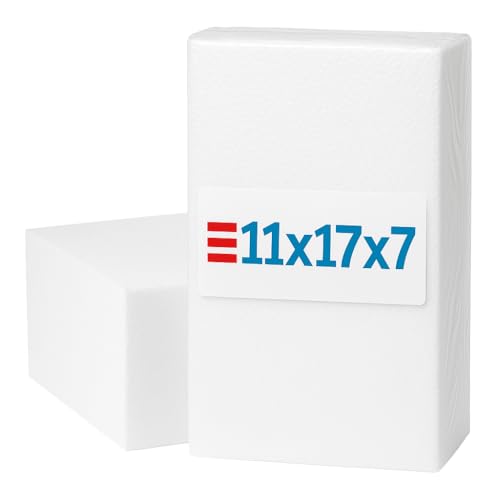
Silverlake 11x17x7 Craft Foam

Silverlake 10x10x4 Craft Foam

Audab 6 Pcs Floral Foam Blocks 9 Inch

Max Shape 8 Pack Floral Foam Blocks 9 Inch

Ortarco 3 Pack Floral Foam Blocks 5.5 Inch

Juvale Smooth Foam Craft Blocks 12 x 6 x 2 In, 6 Pack

Juvale 20 Pack Foam Blocks for Crafts 4 x 4 x 2 In
The Details Behind The Selections
This is the biggest canvas in the lineup at 11 by 17 by 7 inches, which matters more than it sounds. Prop builders and cosplayers know the pain of gluing smaller sheets together mid-project; a single block this size lets you rough out a sword hilt, a mascot head base, or a terrain piece without seams. The material is high-density EPS, expanded polystyrene, a rigid bead foam that holds an edge far better than the soft squishy stuff sold in general craft aisles.
Because the surface is firm rather than springy, hot-wire knives glide through it cleanly and sandpaper leaves a finish smooth enough to prime. Water-based paints and sealants are safe on it too, so finishing stays low-fuss.
Where It Helps
- Oversized footprint supports large sculptures without piecing sections together
- Rigid EPS body resists dents during handling and transport to events
- Cuts cleanly with a hot-wire knife for crisp, precise detailing
- Accepts water-based paint and sealant, keeping cleanup simple
- Sands down smoothly for professional-looking finished surfaces
Things To Consider
- EPS sheds beads when cut dry, so owners commonly report working outdoors or over a drop cloth pays off
- Storage takes real shelf space given the 17-inch length
Key Specs
Who It Suits Best
Prop makers, cosplayers, and professional model builders who need maximum raw volume in a single rigid block.
Where Another Pick Suits Better
Anyone working at tabletop scale will find the Silverlake 10x10x4 easier to store and less wasteful for small dioramas.
Same dense EPS family as the larger Silverlake above, just trimmed to a 10 by 10 by 4 inch footprint that fits a desk drawer or a classroom supply bin. That slimmer profile is exactly why architecture students and railroad scenery hobbyists gravitate toward it; a scale-model base rarely needs seven inches of depth, and every unused inch is money carved away.
The four-inch thickness still gives you room to carve layered terrain, embossed signage, or a shallow relief map. Like its sibling, it sands well, takes water-based coatings, and slices predictably with a hot-wire tool.
Key Advantages
- Slender 4-inch depth suits bases, reliefs, and shallow carvings with minimal waste
- Dense structure accepts fine detail work that soft foam would crumble under
- Fits standard shelving and tote bins for easy classroom storage
- Works for architectural models, dioramas, and presentation displays alike
Worth Noting
- Not built for deep three-dimensional sculpting, where the 11x17x7 version earns its keep
- You may find the square shape limiting for elongated projects like swords or sign letters
Made For
Students, teachers, and scale-model hobbyists who want professional-grade rigidity in a size that stores easily.
Consider Something Else When
Carvers tackling full-size costume pieces should step up to the Silverlake 11x17x7 for its extra volume.
Floral foam plays by different rules than carving foam. These green blocks are designed to soak up water and hold it, feeding fresh-cut stems for days while gripping them firmly in place. At roughly 9 by 4.3 by 3 inches per block, six come in a pack, enough to cover a wedding’s worth of centerpieces or a season of church arrangements.
The dual-use design is the quiet advantage here. Silk and artificial stems press straight into the dry foam, while fresh flowers go into blocks soaked beforehand. One purchase covers both workflows, which matters for anyone juggling live arrangements and permanent decor.
Real Benefits
- Absorbs and retains water to keep fresh blooms hydrated for extended periods
- Grips stems securely so arrangements survive transport to venues
- Six-block pack covers multiple centerpieces or several events
- Works dry for artificial stems, eliminating a soaking step for silk designs
Trade Offs
- Soaking requires patience; florists widely recommend letting blocks sink naturally rather than pushing them under
- Green residue can flake onto clothing and table linens during handling
At A Glance
Right Fit For
Home florists, wedding DIYers, and event volunteers arranging fresh flowers in volume.
Look Elsewhere When
Occasional arrangers making one or two small vases will waste less with the Ortarco 3-pack below.
Where the Audab pack stops at six blocks, Max Shape pushes to eight, and that difference shows up fast during holiday season. Eight 9-inch wet floral blocks comfortably outfit a banquet table run, a school dance, or a full set of Christmas urn inserts without a second order. The slimmer 2.3-inch height also slides into shallower containers that taller blocks would overflow.
Like the Audab option reviewed earlier, these hydrate to support fresh stems over several days. The trade-off is depth: with less vertical foam, top-heavy branches have less to anchor into, so heavy arrangements may need supplemental anchoring.
What Works In Its Favor
- Eight blocks per pack stretch across large events or back-to-back occasions
- Shallow 2.3-inch profile fits low bowls and window boxes
- Keeps fresh flowers hydrated for days after arrangement
- Standard 9-inch length trims down cleanly for odd-shaped vessels
Minor Gripes
- Reduced height offers less grip for tall or heavy stem arrangements
- Eight soaked blocks take up considerable counter space while saturating
Who Will Love This
Hosts decorating multiple tables, plus schools and churches running recurring floral programs.
Another Choice May Suit
Arrangers using deep vases with long-stemmed roses will get better anchor depth from the Audab 6-pack.
Not every arrangement needs nine inches of foam. The Ortarco blocks measure a modest 5.5 by 3.1 by 1.7 inches, sized for coffee-table vases, bathroom bud displays, and desk arrangements where a full-size block means hacking off half of it. Three come per pack, a sensible quantity for household use rather than event production.
The manufacturer describes the cell structure as compact and odorless, with solid absorption once soaked. Compared with the bulk packs above, this is the low-commitment entry point: try floral foam work without stocking a closet full of green bricks.
Everyday Wins
- Compact dimensions suit small vases with little trimming required
- Three-block quantity matches casual home arranging frequency
- Good water retention keeps small fresh arrangements alive longer
- Odorless composition keeps indoor displays pleasant
Softer Spots
- Per-block cost runs higher than bulk packs once you arrange regularly
- Shallow height limits stem count per block, in our view best kept under a dozen stems
Quick Facts
The Right Fit
Apartment dwellers and beginners experimenting with their first fresh-flower arrangements.
Skip It When
Wedding-scale projects demand the per-block economy of the Max Shape 8-pack instead.
Switching back to white polystyrene, this Juvale six-pack trades the Silverlake’s depth for width and quantity. Each block spans 12 by 6 inches but only 2 inches thick, essentially a blank canvas slab. Teachers love this shape for painted name signs, seasonal door decor, and science-fair display bases, because the flat face takes embellishments and acrylics readily.
The smooth surface is the selling point here. Bead-textured foam fights paint; this smoother polystyrene finish gives markers, glitter glue, and brushwork a more even landing. Six identical slabs mean a whole classroom table can work in parallel.
The Good Stuff
- Wide flat faces suit signs, lettering, and painted scenes
- Smooth surface accepts paint and embellishments more evenly than bead foam
- Six-pack supports group crafting sessions or repeated seasonal projects
- Lightweight slabs hang easily for wall and door decorations
Points To Note
- Two-inch thickness rules out deep carving, unlike the Silverlake options
- Polystyrene can dent under pressure, so finished pieces need careful storage
Feature Snapshot
Built With In Mind
Teachers, scout leaders, and parents running craft stations for kids and school events.
Not Your Match When
Sculptors needing dimensional depth should pick the Silverlake 11x17x7 instead of these flat slabs.
Twenty small blocks change the math entirely. At 4 by 4 by 2 inches apiece, these white polystyrene rectangles are unit-sized: one per party guest, one per centerpiece, one per Halloween tombstone accent. Where the Juvale slabs above serve one big project each, this pack serves twenty small ones, which is why party planners and classroom budgets favor it.
The brick proportions stack nicely too, letting you build foam walls, photo backdrops, or tiered table displays before painting everything white-on-white. Nothing here is fancy, and that’s the point.
Everyday Perks
- Twenty-piece count handles parties, classrooms, and group events in one order
- Uniform brick shape stacks for backdrop walls and tiered displays
- Sturdy enough to anchor small floral arrangements and table decor
- White finish reads clean unpainted or takes color evenly
Areas To Watch
- Small size limits each block to minor accents rather than standalone projects
- Owners commonly report static cling makes the white beads attract dust in storage
Core Details
Whose Shelf It Belongs On
Party hosts, Halloween decorators, and craft-group organizers who burn through small foam pieces regularly.
A Better Fit Elsewhere
Solo crafters wanting fewer, larger pieces get more mileage from the Juvale 12-inch slab six-pack.
What Matters Most Before Choosing Big Styrofoam Blocks
Match The Material To The Job
Two materials dominate this category, and confusing them wastes money. Dense EPS blocks are rigid, sandable, and made for carving, shaping, and painting. Green floral foam is porous and engineered to absorb water, which makes it useless for sculpture but essential for fresh flowers. Decide your primary use first, then filter the list by material.
Size Versus Waste
Bigger sounds better until you’re storing leftover chunks. A 17-inch block serves prop makers well but produces piles of scraps for someone trimming vase inserts. Estimate your finished dimensions honestly, then buy the smallest block that covers them with margin for mistakes.
Pack Count And Frequency
One-time projects justify small packs; recurring needs reward bulk. Event florists burning through eight blocks per weekend should calculate per-block cost, not sticker price. Casual users arranging monthly do better with three-packs that stay fresh in storage.
Finishing Requirements
Plan your coating before buying. Water-based paints and sealants work safely on EPS, while solvent-based sprays can melt foam surfaces. Smooth-surface blocks accept detail work more evenly than bead-textured ones, which matters for visible finished pieces.
Key Considerations Across These Picks
Wrong Turns To Avoid
The classic error is ordering floral foam for a carving project, or vice versa. Another common slip: ignoring container depth, then discovering a 3-inch block towers over a shallow bowl. Measure your vessel first. Also skip solvent spray paints on any polystyrene surface, since they dissolve it on contact.
The Upgrade Payoff
Higher-density EPS costs more per block but holds finer detail, sands cleaner, and survives handling that crushes budget foam. Prop makers selling finished work recoup that difference immediately. For kids’ crafts and disposable decor, basic white polystyrene does the job at a fraction of the spend.
Frequently Asked Questions
Can I cut these blocks with a regular knife?
A sharp serrated blade works, though it tears beads and leaves rough edges. A hot-wire cutting tool produces far cleaner lines on EPS foam.
How do I soak floral foam properly?
Float the block on water and let it sink on its own over a few minutes. Pushing it underwater traps dry pockets inside that wilt stems early.
What paint sticks to styrofoam?
Water-based acrylics and latex paints adhere well without damaging the surface. Solvent-based sprays will eat into the foam, so check labels first.
Do foam blocks hold up outdoors?
They tolerate short-term outdoor use for parties and seasonal displays. Extended sun and rain eventually degrade polystyrene, so bring finished pieces inside between events.
How should I store leftover blocks?
Keep them in a cool, dry spot away from direct sunlight and heat sources. A sealed bin also limits dust and the static cling that attracts it.
Bottom Line
Your project decides the pick, not the other way around. Carvers and prop builders get the most value from the Silverlake blocks, while fresh-flower arrangers should lean toward the Audab or Max Shape packs depending on scale. Classroom and party needs land neatly on the Juvale options. Match the material, size, and pack count to what you actually build, and any of these seven will serve you well.
