
A black alto sax turns heads at band practice, but the real challenge is building a setup that actually gets played. Sore necks, dead reeds, and flimsy starter horns are the usual reasons beginners quietly quit. This roundup covers the full picture: two complete black-lacquer saxophones plus the reeds, straps, harnesses, and ligatures that make daily practice comfortable. Whether you’re a parent shopping for a middle schooler or an adult returning to the horn after years away, each pick below solves a specific problem you’ll run into within your first month of playing.
The Picks In Brief

Sovvid Alto Saxophone Reeds Strength 2.5, 10 Pack
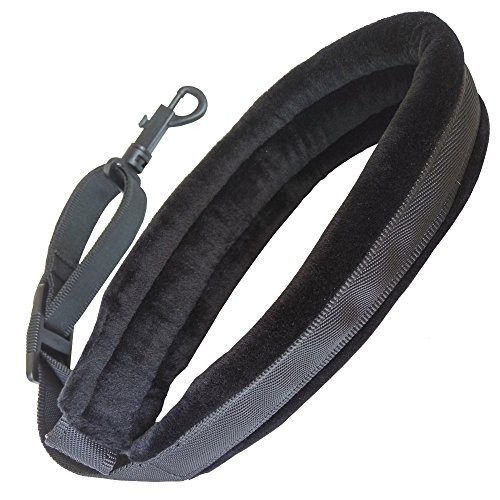
Xinlinke Soft Padded Saxophone Neck Strap with Snap Hook

Pro Tec A306M Saxophone Harness with Metal Trigger Snap

EASTROCK E Flat Alto Saxophone Black/Golden

Pro Tec A310P 22-Inch Padded Saxophone Neck Strap

Glory Black Lacquer E Flat Alto Saxophone with Case & Care Kit

Vandoren LC27P Leather Ligature with Plastic Cap
A Breakdown Of The Leading Choices
Reeds are the consumable nobody budgets for until a lesson is ruined by a chipped one. This Sovvid box holds ten strength 2.5 reeds, which sits right in the sweet spot for most students past their first few weeks. The thinner tip profile aims to make soft dynamics easier to produce.
A practical touch is the laser-engraved brand and size marking. Unlike printed stickers that peel off in a damp case, engraving survives humidity and lets you sort reeds at a glance during rehearsal.
Key Advantages
- Ten reeds per box means fewer emergency store runs mid-semester
- Strength 2.5 suits developing embouchures that find 3.0 too stiff
- Laser-engraved markings stay legible through humid practice rooms
- Natural cane construction supports a rich, traditional tone
Things To Consider
- Cane varies from reed to reed, so expect to cull one or two per box as owners commonly report
- Store them flat in the included plastic case or tips will warp
Quick Facts
Made For
Student alto players who burn through reeds weekly and want dependable spares without fuss.
Where A Sibling Pick Shines
Players chasing more tonal control should pair these with the Vandoren LC27P ligature instead of relying on reeds alone.
Neck pain ends more young sax careers than bad intonation ever does. Xinlinke’s strap attacks that problem with generous soft padding spread across a wide contact area, so the horn’s weight stops digging into one spot. The quick-release clip means you can set the sax down between songs without fumbling.
One strap covers alto, tenor, soprano, and baritone thanks to its easy-grip length adjustment, which matters in households where siblings share instruments. Compared with the slimmer Pro Tec A310P later in this list, this one trades some compactness for noticeably more cushion.
What Works In Its Favor
- Padded design reduces neck fatigue during hour-long rehearsals
- Fits all four common saxophone sizes through simple length adjustment
- Quick-release clip makes instrument handoffs fast
- Plastic swivel hook installs and removes without scratching lacquer
Small Caveats
- The swivel hook is plastic rather than metal, so rough handling over years may wear it sooner
Who Will Love This
Multi-instrument players and students who log long practice sessions and want one strap for every sax in the house.
Swap It Out When
Baritone owners carrying serious weight will be better served by the Pro Tec A306M harness’s shoulder-based support.
Where a neck strap concentrates load on cervical vertebrae, a harness spreads it across both shoulders like a backpack. Pro Tec’s A306M uses 2.5-inch-wide ballistic nylon, a tough woven fabric originally developed for military gear, contoured to sit naturally on the chest. Breathable mesh lining keeps it wearable through long outdoor gigs.
The large size measures roughly 17 by 25 inches from shoulder top to hook bottom, giving taller frames room to dial in fit. Its rubber-coated metal trigger snap feels substantially more confidence-inspiring than plastic hooks, especially with heavier horns swinging at knee height.
The Upside
- Shoulder distribution relieves neck pressure entirely
- Ballistic nylon construction stands up to daily gigging
- Rubber-coated metal trigger snap grips securely and resists corrosion
- Quick-adjust pull tabs let you tighten mid-performance
Points To Note
- Harnesses take longer to put on than a simple strap, which can feel clumsy for quick stage changes
- The large sizing may hang loose on smaller-framed players even at minimum adjustment
Feature Snapshot
Right Fit For
Baritone and tenor players, marching band members, and anyone whose neck complains after twenty minutes.
Another Choice May Suit
Alto players wanting minimal bulk will prefer the lighter Pro Tec A310P neck strap covered below.
This is the horn that answers the search directly: a full E-flat alto saxophone finished in transparent black lacquer over brass, with gold keys providing contrast. EASTROCK builds the body from H68 copper, a brass alloy favored for its warm tonal character and workability, then adds hand-carved detailing and shell buttons on the key touches.
In a school band setting, the multi-layer lacquer matters more than it sounds. Cheap single-coat finishes chip at thumb rests within a semester; owners commonly report this deeper coating holding its color through daily case friction. Intonation across registers is where budget horns live or die, and this model is tuned for student ranges rather than professional projection.
What Makes Sense
- H68 copper body gives beginners a warmer starting tone
- Multi-layer transparent lacquer resists fading and chipping
- Hand-carved body and shell buttons look far above the price bracket
- Black-and-gold styling stands out in any section
Worth Bearing In Mind
- Pad regulation on entry-level horns often needs a tech check after the first year of heavy use
- Advanced players will outgrow its dynamic ceiling fairly quickly
Details At A Glance
Best Suited To
First-time students and returning adults who want a striking black horn without a professional price tag.
Look Elsewhere When
Shoppers who need everything bundled in one purchase should check the Glory saxophone next, which ships with reeds, pads, case, and care kit.
Think of this as the everyday sedan of sax straps: nothing flashy, just well-executed basics. At 22 inches regular length, the A310P suits most alto and tenor players, and its contoured velour pad delivers cushioning without the bulky collar some padded straps impose. Velour also stays comfortable against bare skin on warm stages.
The adjustment hardware shows thoughtful engineering. An oversized slider with grip grooves moves smoothly along seatbelt-style webbing, so you can shorten the strap one-handed between phrases. Against the Xinlinke earlier in this list, this Pro Tec favors slimness and speed over maximum padding.
Standout Benefits
- Contoured velour pad cushions without added bulk
- Oversized grip-groove slider adjusts quickly, even one-handed
- Seatbelt webbing glides smoothly and resists fraying
- Plastic swivel snap keeps weight low on the neck
Less Ideal Details
- Plastic snap construction, while reliable, lacks the reassurance of metal hardware on heavier horns
- Regular 22-inch length may run short for very tall tenor players
Core Details
Whose Shelf It Belongs On
Gigging alto players and school-band members who want a light, no-drama strap they forget they’re wearing.
Not Your Match When
Players needing shoulder-level support for a baritone should step up to the Pro Tec A306M harness reviewed earlier.
Starting saxophone usually means three separate purchases: the horn, a case, and cleaning supplies. Glory collapses all of that into one box, adding eleven reeds and eight pad cushions alongside the black-lacquer E-flat alto itself. For a household testing whether the commitment sticks, that bundling removes real friction.
The horn includes a high F# key, a useful range extension that many true entry-level instruments omit, letting students play standard intermediate repertoire without modification. Tone-wise, expectations should stay realistic; this is a starter instrument, not a step-up horn, and the pads will likely need attention before year three depending on climate humidity.
A Strong Showing
- Complete bundle covers reeds, case, and care supplies on day one
- High F# key extends range into intermediate repertoire
- Eight spare pad cushions help with routine maintenance
- Black lacquer finish photographs beautifully at recitals
Trade Offs To Consider
- Entry-level pads commonly require adjustment within the first couple of years
- Eleven included reeds are generic strength, so serious players will swap in their own preference
Who Should Grab It
Parents and hobbyists who want a complete, ready-to-play black saxophone package without piecing together accessories.
Reach For A Different Pick When
Players planning years of advancement get more tonal headroom from the EASTROCK’s H68 copper body.
A ligature is the small clamp holding the reed against the mouthpiece, and it shapes vibration more than its size suggests. Vandoren’s LC27P wraps the reed in leather rather than rigid metal, damping harsh overtones while keeping response quick. Tightening is precise and fast, a small mercy before a cold auditorium performance.
The interesting part is what’s inside the box: three interchangeable pressure plates that alter how firmly the reed contacts the mouthpiece. Swapping plates effectively tunes your articulation and timbre, something stock wire ligatures simply cannot do. Replacement plates and caps are sold separately, so the platform grows with you.
Positive Points
- Leather wrap smooths bright, edgy harmonics
- Three pressure plates let you customize response per venue or genre
- Quick, exact tightening saves setup time backstage
- Included high-impact plastic cap protects the tip in transit
Softer Spots
- Leather needs occasional conditioning in dry climates to avoid cracking, as long-term owners note
- Beginners may not hear enough difference yet to justify upgrading from a stock ligature
Feature Card
The Right Fit
Intermediate and advancing alto players experimenting with tone who already own a decent mouthpiece.
Consider Something Else When
Total beginners still fighting basic embouchure issues should spend first on the Sovvid reed pack instead.
What Matters Most Before Choosing Black Alto Saxophones
Start With The Player, Not The Finish
A glossy black horn motivates a twelve-year-old far more than a plain brass one, and motivation drives practice hours. Match the instrument tier to commitment level first: a student unsure about sticking with band does fine on a bundled starter, while a committed player deserves better pads and intonation. Accessories come second, but they matter sooner than most families expect.
Comfort Hardware Is Not Optional
The saxophone hangs off your body for entire rehearsals, so straps and harnesses decide whether hour three feels manageable. Neck straps suit altos and lighter frames; harnesses shift load to the shoulders for tenor and baritone weights. Padding width, adjustment speed, and hook material separate a strap you forget about from one you fight all concert.
Consumables Shape Your Sound Daily
Reeds and ligatures affect tone more than most upgrades costing ten times as much. Strength 2.5 reeds forgive developing embouchures, while leather ligatures tame brightness on cheaper mouthpieces. Budget for replacements monthly, because a warped reed undoes an otherwise solid setup.
Finishes Need Honest Expectations
Black lacquer looks striking but shows scratches and wear differently than clear coats. Multi-layer finishes resist fading better, yet any lacquered horn needs careful case storage and gentle handling around rings and belt buckles.
Key Considerations Across These Picks
Traps First Timers Fall Into
The classic error is buying a beautiful horn and pairing it with the freebie strap in the case. Neck pain follows within weeks. Another slip: ignoring reed supply until the night before a performance. Buy consumables in boxes, not singles, and keep a maintenance habit going from day one.
What Separates Premium From Basic
Higher-tier money buys materials and regulation: H68 copper bodies, hand-finished pads, metal hardware where plastic would flex. You feel it in intonation stability and dynamic range. Pay up once playing becomes a multi-year commitment, not before.
Frequently Asked Questions
Are black alto saxophones harder to maintain than brass ones?
No, care routines are identical since the difference is only the lacquer coating. Just avoid abrasive polishes that could dull the black finish.
What reed strength works best for a beginner?
Strength 2.5 offers the easiest response for most new players. Move to 3.0 once your embouchure strengthens after several months.
Do I need a harness instead of a neck strap?
Neck straps handle alto saxophones comfortably for most players. Harnesses earn their keep with tenor and baritone horns or persistent neck discomfort.
Why does my new saxophone sound airy?
Airy tone usually traces back to a worn or poorly seated reed rather than the instrument. Swap reeds first before suspecting the horn.
How often should saxophone pads be replaced?
With regular playing, pads typically last two to five years depending on humidity and handling. Sticky or leaking pads signal it’s time for a technician visit.
Closing Remarks
Building a black alto sax setup is less about one big purchase and more about stacking sensible ones. Start with the horn that matches your commitment, add comfort hardware before pain forces the issue, and keep fresh reeds stocked. Each pick here fills one slot in that chain, and together they cover a complete first year of playing. Choose the piece that solves today’s problem, and let the rest follow.
